Should You Seek a Second Opinion for FIP Treatment
Understanding FIP and Why Second Opinions Matter
Feline Infectious Peritonitis (FIP) is widely regarded as one of the most challenging diagnoses in feline medicine. Triggered by a mutation of the feline coronavirus, FIP usually affects younger cats, especially those in multi-cat environments. For decades, its high fatality rate has left pet owners bereft of hope, but recent advances in antiviral therapy have shifted the landscape. Given the bold shifts in treatment and persistent uncertainties around diagnosis, the question of whether cat owners should seek a second opinion is more relevant than ever.
The Complexity of FIP Diagnosis
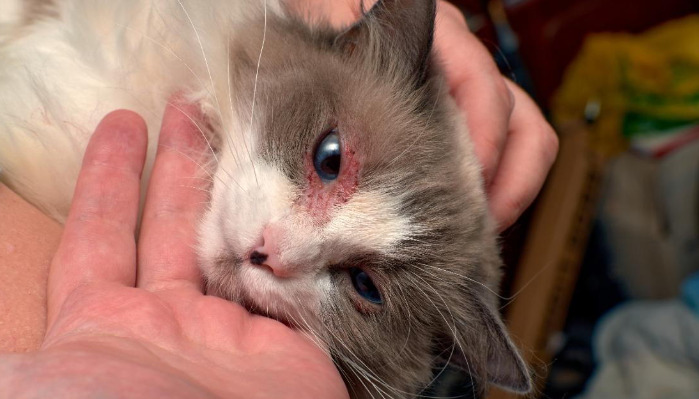
Diagnosing FIP is often more art than science. No single test can confirm FIP with complete certainty. Veterinarians rely on a combination of clinical signs (such as persistent fever, weight loss, abdominal distension, or neurological issues), blood work, imaging, and analysis of fluid samples. The wet (effusive) form has more hallmark features, whereas the dry (non-effusive) form can resemble other diseases, such as lymphoma or toxoplasmosis.
Furthermore, not every veterinarian has the same access to diagnostic resources, nor do they interpret the results identically. This complexity means that false positives and negatives are possible. Sometimes, cats with FIP are mistakenly treated for other conditions, or cats suffering from other diseases receive FIP treatment. Therefore, receiving a second opinion can help clarify the diagnosis and direct the right treatment path.
Rapidly Evolving Treatment Options
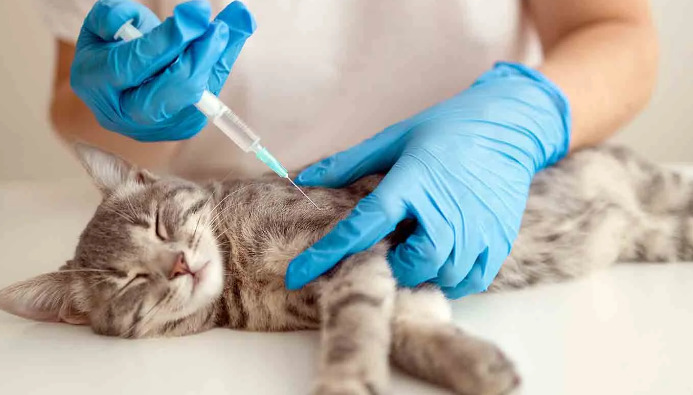
Historically, FIP was almost always terminal, and care centered on palliative support. However, the development of antiviral drugs like GS-441524 and its analogs (which are related to remdesivir in human medicine) has revolutionized the prognosis. In many cases, cats treated with antivirals experience remission and even full recovery. Access to these medications, however, is still patchy in some regions due to regulatory hurdles.
Not every veterinarian may be up to date on the newest research or have familiarity with emerging treatments. Some clinics may not offer antiviral therapies, relying instead on older supportive protocols. A second veterinary opinion may open up additional treatment options, such as participation in clinical trials or connections with feline specialists who can access hard-to-find medications.
Advantages of Getting a Second Opinion
Double-Checking Diagnosis: Given the ambiguity in tests and symptoms, a second veterinary expert can either confirm your cat’s FIP diagnosis or introduce alternative considerations. This is especially important when your cat’s symptoms are non-specific or do not fit classic FIP presentations.
Exposure to New Treatments: Some vets focus primarily on supportive care, while others have experience managing FIP cases with advanced medications. The second opinion may introduce options you haven’t heard about.
Emotional Reassurance: FIP’s reputation for being incurable can create immense emotional strain. Knowing you’ve explored all avenues provides comfort, increases trust in your chosen therapy, and ensures you’re well-informed.
When Should You Seek a Second Opinion?
There are situations where pursuing further veterinary input is particularly advised:
Unclear or disputed diagnosis (when initial results are ambiguous)
Lack of access to newer antiviral medications
Unexpected decline or improvements in your cat’s health
Recommendations for euthanasia without thorough exploration of treatment options
When your vet expresses uncertainty or limited experience treating FIP
Reputable vets welcome collaboration and understand that pet owners seek every possible chance for their companion’s survival.
How to Find a Qualified Second Opinion
Not all veterinarians are equally experienced with FIP, especially regarding the latest antiviral protocols. To ensure your second opinion is meaningful, look for:
Board-certified feline specialists or internists
Veterinarians affiliated with academic institutions or research hospitals
Clinics that openly discuss GS-441524, remdesivir, or similar antivirals
Professionals active in feline medicine communities online or in publications
Prepare your cat’s medical records, laboratory reports, and a diary of symptoms before your visit. Transparently sharing details will help the specialist form a detailed understanding and craft a personalized treatment plan.
Navigating Conflicting Advice
You may encounter differing recommendations—one vet may advise antivirals, another may caution about experimental drugs’ safety or legality. In such cases:
Request the scientific rationale behind each recommendation
Ask about prognosis and expected quality of life under each treatment option
Inquire about ongoing monitoring, side effects, and necessary follow-ups
Consult additional sources (e.g., academic studies, feline medicine groups) for broader perspective
Ultimately, your role is to advocate for your cat’s life and wellbeing. By weighing advice against trusted data and compassionate logic, you’ll make the most informed choice possible.
Ethical and Financial Context
Second opinions occasionally identify more cost-effective therapies, alternative sources for medications, or alternative ways to secure financial aid. Because FIP treatment is expensive and can be drawn out over weeks or months, cost transparency is paramount.
Additionally, legal status of FIP drugs may vary: in some regions, antivirals are not formally approved, requiring owners and veterinarians to navigate gray-market sources. A reputable second-opinion clinician will describe these risks candidly, ensuring you make choices rooted in legal and ethical safety.
The Importance of Multidisciplinary Collaboration
Seeking a second opinion can also facilitate collaboration between general practitioners and feline specialists. This team-based approach can optimize diagnostic precision, enable better monitoring, and simplify the process of acquiring rare medications. Some academic institutions offer FIP-specific clinics or research studies, which can offer groundbreaking care at reduced costs.
The Role of Owner Education and Support Networks
Owners who seek second opinions often discover support networks of fellow caretakers who share information, advice, and success stories. Online communities, such as Facebook groups dedicated to FIP, may provide leads on expert vets in your area, tips for medication access, and emotional support throughout treatment.
Being proactive, staying informed, and engaging with reputable sources not only assists in finding the right veterinarian—it can also improve your understanding of FIP and boost your confidence to advocate for your cat.
Practical Steps to Take
1. Schedule an appointment with your primary veterinarian to clarify the diagnosis and request all relevant medical records.
2. Contact a feline medicine specialist, stating upfront that you are seeking a second opinion specific to FIP.
3. Prepare a list of questions: What are the newest treatment protocols? Are there clinical trials available? What is the expected timeline of therapy?
4. Ask your specialist about risks, benefits, prognosis, and cost breakdowns for every recommended option.
5. Consider joining reputable online forums or social-media groups for firsthand accounts and advice from other cat owners navigating FIP.
Legal and Regulatory Considerations
In the United States, the legal status of GS-441524 and similar antivirals remains ambiguous, leading many owners to source these medications from black-market suppliers. The FDA and other agencies have not approved these drugs for veterinary use, which leads to clinical and ethical dilemmas. Consulting veterinarians thoroughly versed in the regulatory landscape is crucial to protect your cat’s health and avoid legal repercussions.
Veterinarians experienced in FIP management may advise pathways for legally and ethically obtaining medication, such as remdesivir (approved for human use in some scenarios), compassionate drug access, or clinical trial enrollment. It’s critical to never attempt self-treatment without medical oversight.
The Value of Evidence-Based Decision Making
FIP treatment is in rapid evolution, driven by a surge of clinical research and new medications. Cat owners who seek second opinions ensure their decisions are grounded in the most current scientific data. Many veterinary hospitals publish FIP case outcomes and ongoing therapeutic studies, providing valuable benchmarks for prognosis and therapy selection.
Review peer-reviewed clinical results, discuss literature with your veterinarian, and be wary of anecdotal success stories unsupported by research. The best veterinarians merge evidence-based approaches with the empathy necessary to guide pet owners through uncertainties.
Conclusion of Key Points for Cat Owners Considering FIP Second Opinions
Seeking a second opinion for FIP offers clear advantages, from confirming diagnosis and exploring new treatments to securing emotional reassurance and cost transparency. As medicine evolves, proactive and informed pet owners are their cats’ best advocates. By selecting the right specialist, navigating conflicting advice ethically, staying educated on the latest protocols, and building a strong support network, you maximize your cat’s chance for survival and quality of life.
The landscape of FIP treatment continues to transform. When faced with this life-threatening illness, never hesitate to contact a second veterinary professional—your cat’s future may depend on it.
References
1. Pedersen NC. "An update on feline infectious peritonitis: diagnostics and therapeutics." Vet Clin North Am Small Anim Pract. 2014;44(1):1-17.
2. Izes AM et al. "Feline infectious peritonitis: trends in diagnosis and treatment." Vet J. 2020;263:105577.
3. Murphy BG et al. "The efficacy of GS-441524 in treating feline infectious peritonitis." J Feline Med Surg. 2018;20(4):378-392.
4. Addie DD et al. "FIP diagnosis and management: current evidence and recommendations." Front Vet Sci. 2022;9:801028.
5. American Association of Feline Practitioners. "FIP resources and guidelines for pet owners and veterinarians." Accessible at: https://catvets.com
6. FDA Guidance on Remdesivir and GS-441524 Use in Veterinary Medicine. Accessible at: https://www.fda.gov
7. Sparkes AH et al. "Practical approaches to feline infectious peritonitis diagnosis and emerging treatments." Vet Rec. 2021;189(11):e1092.
8. U.S. National Library of Medicine. "Clinical Trials in Feline Infectious Peritonitis." Accessible at: https://clinicaltrials.gov
9. Feline Infectious Peritonitis Treatment and Support Facebook Group. Accessible at: https://www.facebook.com/groups/fiptreatment/