NeoFipronis (Pronidesivir) Uses, Benefits, and Side Effects Explained
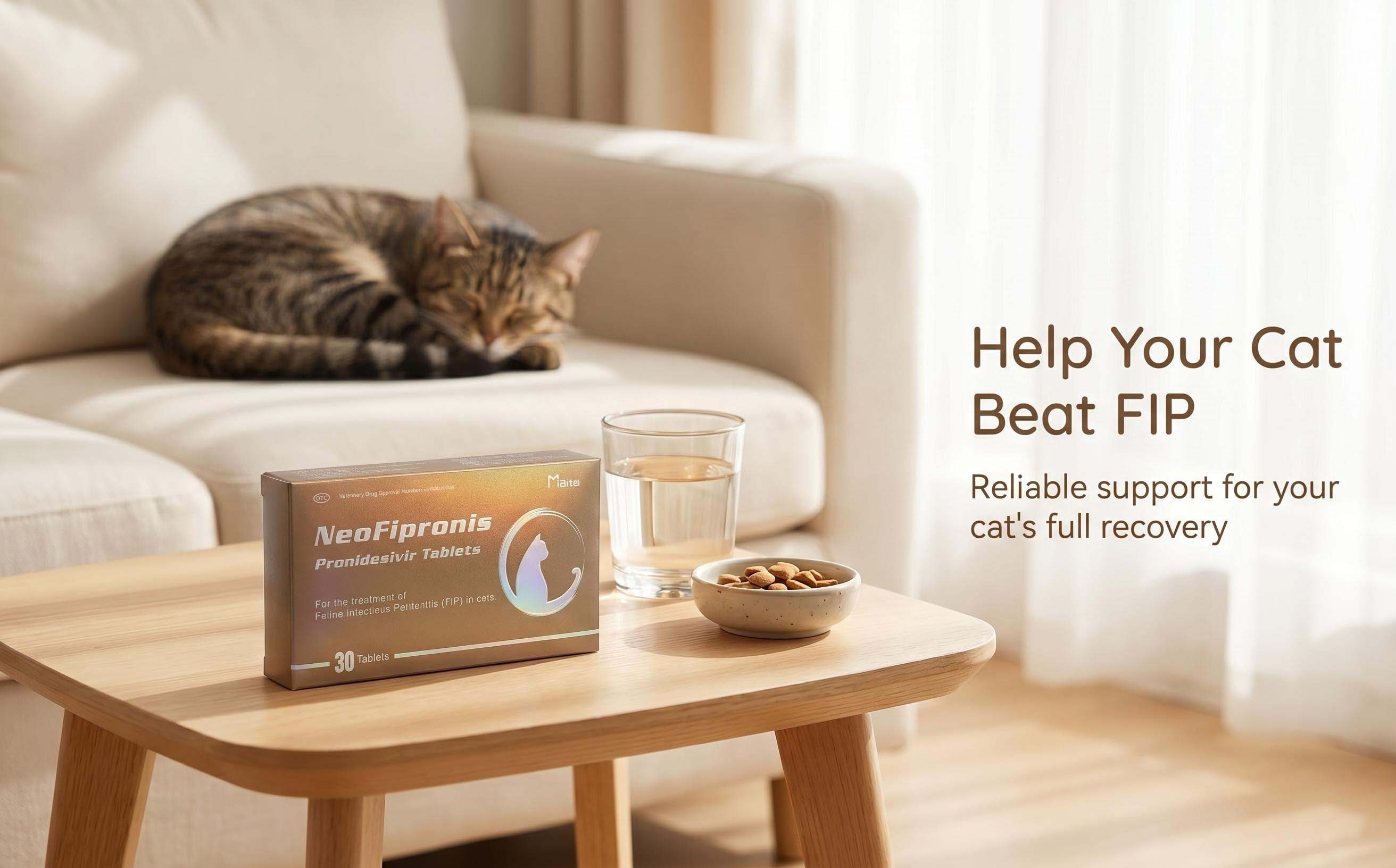
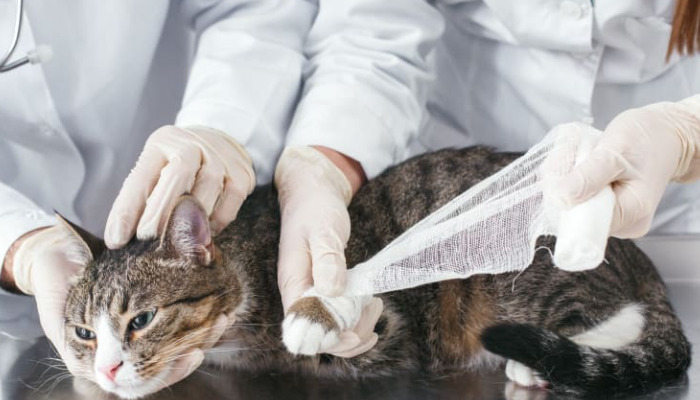
Feline Infectious Peritonitis (FIP) is a serious coronavirus-related disease in cats that can cause appetite loss, lethargy, fever, abdominal fluid buildup, pleural effusion, enlarged lymph nodes, inflammatory granulomas, neurological signs, and eye inflammation such as uveitis. Because FIP can progress quickly, cat owners often search for effective antiviral options that may help control symptoms and support recovery. NeoFipronis (Pronidesivir) is marketed as an oral FIP treatment containing GS-441524, a compound widely discussed in FIP research and real-world veterinary use.
NeoFipronis is designed for cats needing a convenient, non-invasive treatment option. As an oral formulation, it may be easier for caregivers to administer than injections, especially during long treatment courses. Many users value oral therapy because it can reduce stress for both the cat and the owner while supporting consistent daily dosing. The product is commonly described as fast-absorbing, well tolerated, and suitable for cats with wet FIP, dry FIP, or mixed presentations when used under veterinary guidance.
The active ingredient, GS-441524, has been studied for its antiviral activity against feline coronavirus, and it is often associated with improvement in clinical signs when treatment is started promptly. In practical use, cats may show better appetite, improved energy, reduced fever, and decreased fluid accumulation after beginning therapy. In cases involving neurological or ocular FIP, higher dosing is sometimes recommended by veterinarians because these forms can be more difficult to treat and may require greater antiviral exposure.
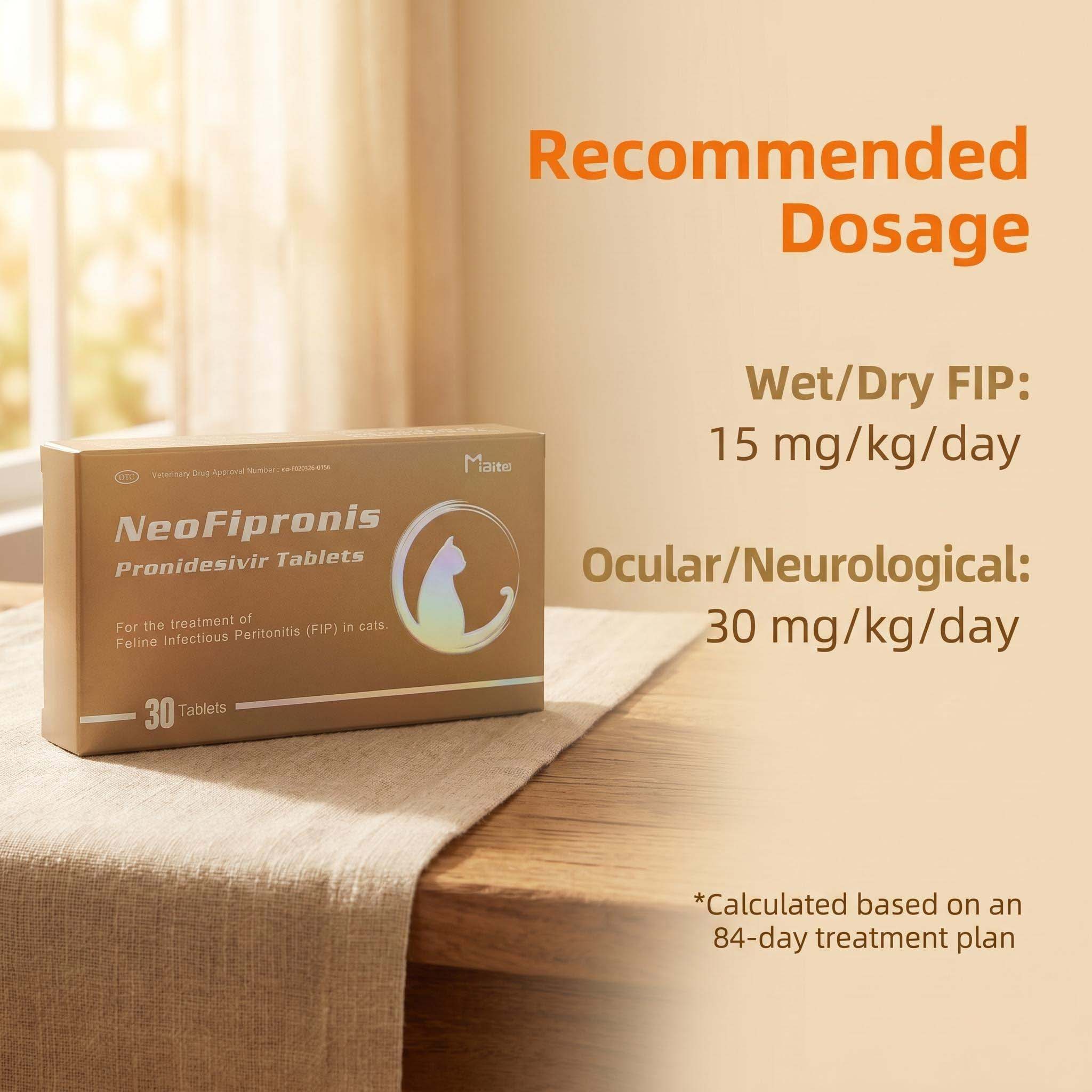
Typical use is based on body weight. A commonly referenced dose is 15 mg per kilogram of body weight once daily, which is often described as half a tablet, while neurologic or ocular FIP may require up to 30 mg per kilogram under veterinary supervision. Administration is usually once daily, preferably on an empty stomach, such as one hour before meals or two hours after eating, to support absorption. Treatment courses are generally long, and continuous use for at least 12 weeks is often emphasized. Missing doses may reduce effectiveness, so consistency is important.
Reported benefits of NeoFipronis include oral convenience, rapid uptake, good tolerance, and a lower likelihood of noticeable side effects compared with more stressful treatment approaches. Many caregivers choose it because it may help stabilize cats with fever, weakness, abdominal distension, chest fluid, and inflammatory disease signs. However, individual response can vary, and treatment success depends on timely diagnosis, proper dosing, and ongoing monitoring.
Side effects are usually described as uncommon, but no medication is completely risk-free. Possible concerns may include mild gastrointestinal upset, changes in appetite, or temporary laboratory abnormalities. During treatment, cats should be monitored for behavior, temperature, food intake, and overall condition, along with regular blood work to check liver and kidney function. Any worsening neurologic signs, persistent vomiting, or marked decline should prompt immediate veterinary review.
NeoFipronis (Pronidesivir) should be used only for cats and must never be given to humans. Although it may be sold as an over-the-counter product in some settings, veterinary guidance is strongly recommended. Availability, registration status, and product quality can vary by source, so owners should verify purchase channels carefully and consult a veterinarian before starting treatment for FIP.