Is Early FIP Diagnosis More Ambiguous

Feline Infectious Peritonitis (FIP) stands as one of the most enigmatic and devastating diseases affecting domestic cats worldwide. Although the causative agent, feline coronavirus (FCoV), is relatively common among cat populations, only a small percentage of infected cats go on to develop clinically relevant FIP. The disease is most frequently seen in young cats under the age of two, especially those living in multi-cat environments like shelters, catteries, or breeding facilities. Despite significant advancements in understanding the virology and pathogenesis of FIP, early diagnosis remains one of the greatest challenges facing veterinarians and cat owners alike. The question of whether early FIP diagnosis is more ambiguous than diagnosis at later stages is central to improving disease outcomes.
The Biological Complexity of FIP
FIP emerges due to a complex interaction between virus mutation, host immune response, and environmental factors. The benign enteric feline coronavirus can mutationally convert into a pathogenic variant, leading to widespread systemic infection. This process is inherently variable, often resulting in non-specific and transient symptoms. Due to these variables, FIP presents a diagnostic challenge that is compounded in the early stages of infection.
Early Clinical Signs: Why Ambiguity Prevails
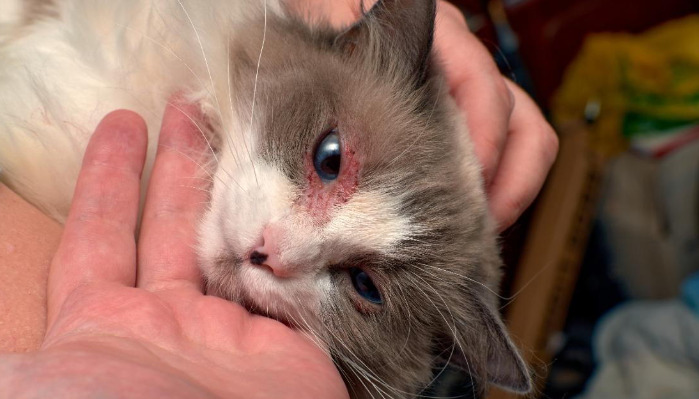
The progression from FCoV infection to FIP is a highly unpredictable process. Most cats exposed to FCoV show little to no clinical signs, and only rare individuals progress to the fatal form. Early in the disease, clinical manifestations can be extremely subtle or mimic other conditions. Signs such as mild fever, lethargy, weight loss, and mild gastrointestinal distress are infrequent, transient, and non-specific. Many veterinarians compare early FIP with a “moving target,” where fluctuating signs make differential diagnosis complicated. Unlike late-stage FIP, where signs such as severe abdominal effusion or neurological symptoms point directly towards the disease, early clinical indicators lack distinctiveness, deepening diagnostic ambiguity.
Limitations of Laboratory Testing in Early FIP
Laboratory support remains pivotal in confirming suspicious diagnoses. Yet, the currently available tests are limited in their utility for early FIP:
Serology: Antibody titers to FCoV are widespread among cats but do not differentiate between FIP and benign infections. High titers may be present in healthy cats.
Reverse Transcriptase Polymerase Chain Reaction (RT-PCR): Detects viral RNA but cannot differentiate the virulent FIP strain from the enteric variant reliably, especially during the early phase.
Routine Blood Work: Non-specific changes such as mild lymphopenia, hyperglobulinemia, or elevated liver enzymes may occur but are not diagnostic.
Imaging: Early imaging often fails to reveal characteristic features such as effusion or granulomatous lesions found in advanced disease.
These limitations mean that laboratory evidence rarely provides definitive confirmation during the incipient stages of FIP. This, in turn, delays accurate diagnosis, leaving practitioners to rely on clinical intuition and cautious observation.
Differential Diagnosis and Its Impact on Early Identification
Cats presenting with vague or mild illness can be affected by a broad spectrum of conditions. Infectious agents such as bacterial or viral pathogens, systemic illnesses like lymphoma or immune-mediated disease, or even benign causes like stress can all mimic the earliest signs of FIP. The necessity for differential diagnosis contributes to diagnostic ambiguity, particularly since FIP lacks a unique biomarker in its initial phase.
Role of Advanced Diagnostics and Molecular Testing
Recent advancements in molecular diagnostics have improved the detection of FIP, especially in the later stages when viral loads peak and pathognomonic lesions are present. However, early FIP continues to elude clear molecular identification due to low viral burden and overlapping clinical findings. Deep sequencing and genetic analysis hold promise for future breakthroughs but are not routinely available in general practice. Furthermore, the cost and accessibility of such diagnostics pose practical limitations.
The Challenge of Clinical Decision-Making
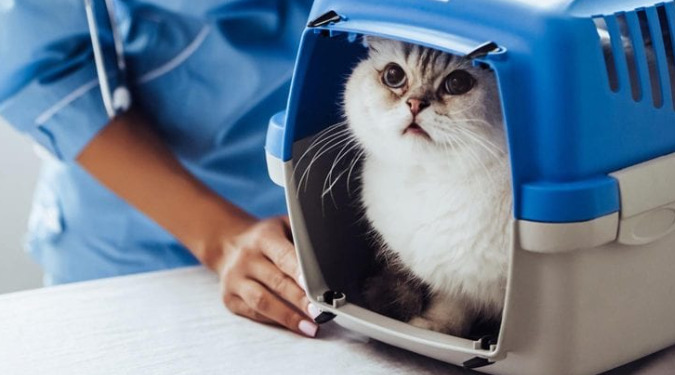
Veterinarians face significant difficulty in making therapeutic decisions for cats exhibiting ambiguous early symptoms. The risks of premature euthanasia versus delayed treatment, especially given new effective options for FIP management such as antiviral therapy, create a delicate clinical dilemma. Owners often undergo emotional distress, as they are frequently told that a definitive diagnosis is “impossible at this time,” necessitating a watch-and-wait approach or repeated testing.
Importance of Practitioner Experience and Case History
Experienced practitioners may detect subtle clinical patterns indicating FIP, such as persistent fever, unusual lethargy, or unexplained anemia. Nevertheless, reliance on clinical experience introduces subjectivity, amplifying ambiguity—particularly when many other diseases produce similar signs. Rigorous case history, including epidemiological background, exposure risk, and living conditions, helps inform the likelihood of early FIP but rarely conclusively pinpoints the diagnosis.
Multi-Cat Environments and Confounding Factors
Epidemiological studies reveal that cats in group living settings are both at increased risk for FCoV exposure and for displaying ambiguous symptoms due to frequent minor illnesses. This setting creates a diagnostic “noise,” where subtle signs of early FIP are easily lost amidst routine health issues. Diagnosing early FIP in these populations often requires population-level insight, serial testing, and close observation—practices that are not always practical in real-world scenarios.
Emerging Therapies and Their Diagnostic Implications
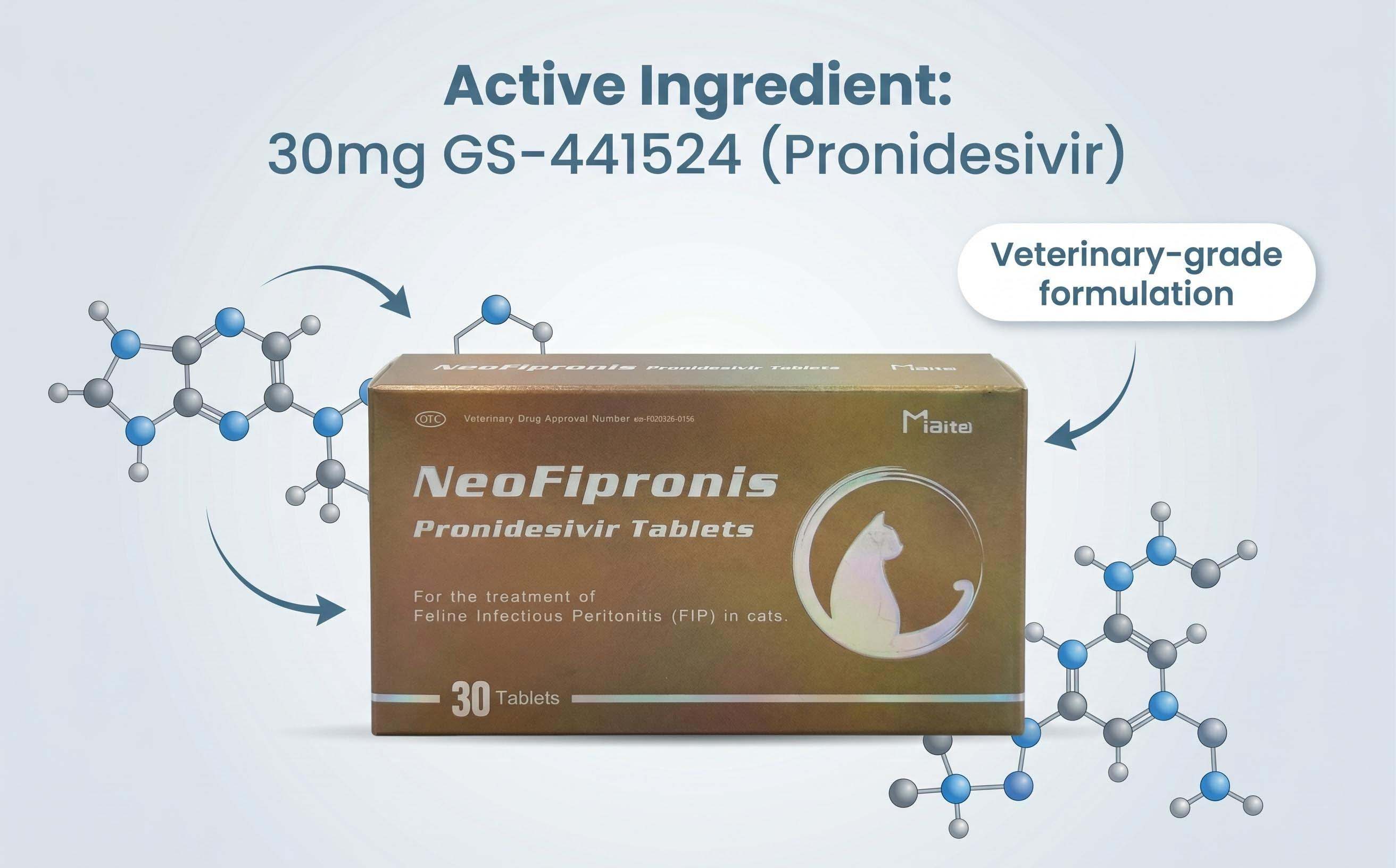
The recent development of effective anti-FIP therapies has shifted diagnostic paradigms. Medications such as GS-441524 and related compounds, previously available only through experimental channels, now offer a chance at survival even following ambiguous early diagnosis. As knowledge of treatment outcomes accumulates, there is growing emphasis on “presumptive” early treatment based on clinical suspicion, even when laboratory confirmation is lacking. However, this approach risks misdiagnosis and unnecessary exposure to potent medications.
Owner Perception and Decision-Making
Owners’ perspectives play a significant role in early diagnostic ambiguity. The vague nature of early symptoms can be dismissed as minor or transient. Some may delay seeking veterinary care, while others, aware of the disease’s reputation, may push for aggressive testing. Miscommunication, misinformation, and internet-driven self-diagnosis further cloud the diagnostic process. The lack of definitive answers can lead to frustration, unnecessary interventions, or, occasionally, missed opportunities for early treatment.
Towards Improved Early Detection: Future Prospects
Advancements in diagnostic science, including molecular markers, viral differentiation, and host immune profiling, promise to illuminate the murky waters of early FIP diagnosis. Longitudinal studies tracking the trajectory of FCoV-infected cats may reveal underlying trends or early predictive markers. However, until these methods become standardized and widely available, early diagnosis will remain fraught with ambiguity and uncertainty.
The American Clinical Perspective
Within the United States, clinical guidelines on FIP diagnosis emphasize a holistic approach due to the inherent limitations in early detection. The American Association of Feline Practitioners (AAFP) and consensus panels recommend integrating clinical signs, epidemiologic risk, laboratory findings, and advanced diagnostics. While late-stage FIP has become easier to recognize, the guidelines highlight persistent ambiguity in the early identification of the disease.
Interdisciplinary Collaboration and Awareness
Heightened collaboration between veterinarians, feline research scientists, and shelter workers is crucial. Education about early FIP symptoms, routine epidemiological screening, and rapid access to diagnostic tools can help mitigate the diagnostic uncertainty. Research into improved point-of-care testing and rapid viral differentiation tests is ongoing, reflecting a growing awareness of early FIP’s clinical ramifications.
Implications for Cat Welfare and Public Health
FIP’s ambiguous early diagnosis has broader implications beyond individual patient outcomes. Undetected cases allow for continued viral shedding within cat communities, increasing the risk of outbreak in multi-cat facilities. From a public health perspective, improving early recognition is necessary to reduce disease burden, improve animal welfare, and lower the emotional and financial costs to owners.
Summary of Key Points
Examining the literature, clinical experience, and evolving therapies reveals that early diagnosis of FIP remains heavily ambiguous. The lack of pathognomonic symptoms, limited laboratory tools, overlapping differential diagnoses, and confounding environmental factors all contribute to this uncertainty. In contrast, later stages of FIP, characterized by overt clinical signs and specific laboratory findings, present a clearer diagnostic picture. As research advances and therapies improve, the importance of heightened vigilance, education, and improved diagnostics in early-stage FIP cannot be overstated.
References
1. Addie, D.D., Toth, S., & Jarrett, O. (2021). Feline infectious peritonitis: insights into diagnosis and treatment. Journal of Feline Medicine and Surgery, 23(4), 461-470.
2. Pedersen, N.C., & Kim, Y. (2019). Pathogenesis and diagnosis of feline infectious peritonitis. Veterinary Clinics of North America: Small Animal Practice, 49(4), 745-765.
3. Hartmann, K. (2020). Feline Infectious Peritonitis: Diagnosis, Prevention, and Treatment. Veterinary Clinics of North America: Small Animal Practice, 50(5), 1001-1015.
4. American Association of Feline Practitioners (AAFP) FIP Guidelines (2021). Retrieved from: https://catvets.com/guidelines
5. Felten, S., & Hartmann, K. (2019). Diagnosis of feline infectious peritonitis: a review of the current literature. Viruses, 11(11), 1060.
6. Kipar, A., & Meli, M.L. (2014). Feline Infectious Peritonitis: Still an Enigma? Veterinary Pathology, 51(2), 505-526.
7. Norris, J.M., et al. (2005). Factors influencing the diagnosis of feline infectious peritonitis in cats presented to veterinarians in Australia. Australian Veterinary Journal, 83(11), 666-673.
8. Porter, E., & Tasker, S. (2022). New developments in the diagnosis of feline infectious peritonitis. The Veterinary Nurse, 13(2), 62-67.
9. Stoddard, R.A., & Palmarini, M. (2023). Advances in diagnostic testing for feline infectious peritonitis. Veterinary Record, 193(5), e2015.
10. Fish, E.J., et al. (2018). Owner decision-making and perspectives on feline infectious peritonitis. Journal of Feline Medicine and Surgery, 20(10), 926-934.