FIP Treatment After Diagnosis
Feline infectious peritonitis (FIP) is one of the most serious diseases in cats, and treatment decisions often begin immediately after diagnosis. Because FIP can progress quickly, the main goal of FIP treatment after diagnosis is to control the virus, reduce inflammation, protect organ function, and improve the cat’s quality of life as fast as possible. Modern FIP care has changed dramatically in recent years, especially with the rise of antiviral therapy based on GS-441524 and related compounds. For cat owners and veterinarians searching for effective feline infectious peritonitis treatment, early action and consistent monitoring are essential.
Diagnosis Confirmation and Treatment Planning
A confirmed or highly suspected diagnosis of FIP should never be ignored. Cats with FIP may present with persistent fever, weight loss, poor appetite, lethargy, abdominal swelling, breathing difficulty, jaundice, eye disease, or neurologic problems. The disease is commonly divided into wet FIP, dry FIP, ocular FIP, and neurologic FIP, although mixed presentations are frequent.
After diagnosis, the treatment plan should be based on the form of FIP, the cat’s body weight, clinical severity, and whether the disease has affected the eyes or central nervous system. Cats with severe effusion, marked anemia, liver dysfunction, or neurologic signs may need more intensive support in addition to antiviral therapy. In many cases, the sooner treatment begins, the better the prognosis.
Antiviral Therapy as the Core of FIP Treatment
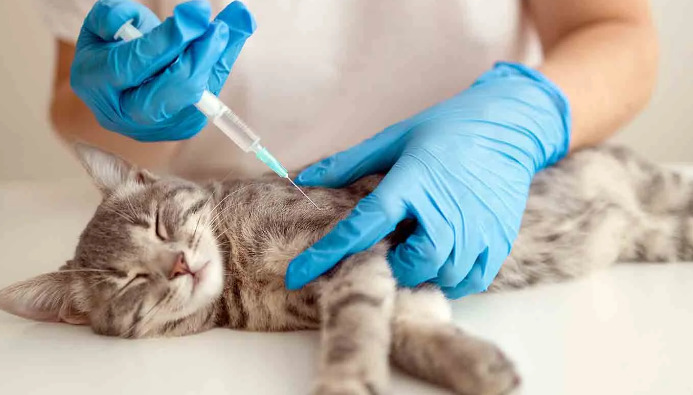
The most important step in FIP treatment after diagnosis is antiviral medication. The current standard in many settings is GS-441524-based therapy, which targets viral replication and gives the immune system time to recover. Treatment typically lasts for several weeks and requires careful dose selection, regular weight checks, and close observation of clinical response.
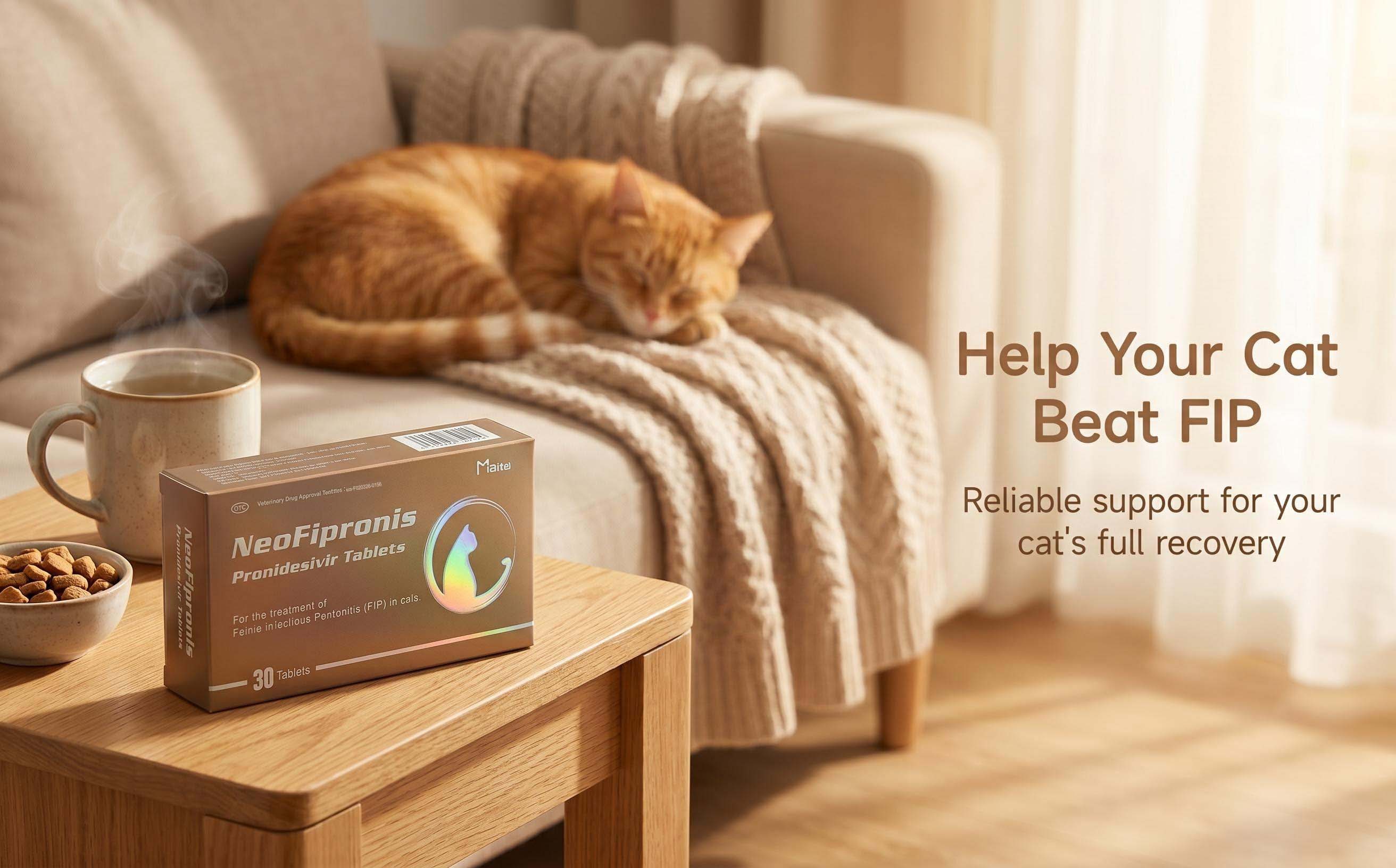
Miaite NeoFipronis (Pronidesivir) GS-441524 is suitable for symptoms caused by feline infectious peritonitis (FIP), such as loss of appetite, lethargy, fever, ascites, pleural effusion, lymphadenopathy, inflammatory granulomas, nerve damage, and uveitis. It has excellent therapeutic effects on FIP. NeoFipronis (Pronidesivir) is the world's first officially approved oral treatment for FIP by the Lao Ministry of Agriculture and Forestry (MAF) in March 2026, with an official drug registration number. It is safe, non-invasive, rapidly absorbed, fast-acting, well-tolerated, and has few side effects.
Oral antiviral treatment is especially attractive because it reduces stress compared with injections and supports long-term adherence. In practical veterinary care, the chosen antiviral regimen should be matched to the cat’s disease severity and response during the first 7 to 14 days. Appetite, temperature, weight, effusion volume, activity level, and laboratory markers may improve rapidly if the therapy is effective.
Supportive Care After Diagnosis
Antiviral medication alone is often not enough at the start of treatment. Supportive care helps stabilize the patient while the antiviral begins to work. Cats with FIP frequently need nutritional support, fluid management, anti-nausea medication, pain control, and treatment for secondary complications.
If a cat has not been eating well, food intake must be prioritized. Cats with FIP can lose body condition quickly, and prolonged anorexia can complicate recovery. Highly palatable food, assisted feeding, or appetite support may be needed. For cats with vomiting or nausea, antiemetic therapy can help restore eating behavior. Hydration should also be monitored closely, especially in cats with fever or pleural effusion.
In wet FIP, abdominal or thoracic fluid can compress organs and impair breathing. In these cases, careful drainage may be considered for comfort and respiratory support, but the underlying antiviral therapy remains the main treatment. Repeated procedures should be avoided unless clearly necessary, since the goal is to reduce dependence on invasive interventions.
Monitoring the Response to Treatment
Successful FIP treatment after diagnosis depends on consistent follow-up. Clinical improvement is often visible before complete laboratory normalization. A cat may begin eating better, become more active, gain weight, and have reduced fever within days to a few weeks. However, response can vary based on disease form and severity.
Veterinarians often monitor body weight, temperature, blood counts, liver and kidney values, globulins, albumin-to-globulin ratio, and other indicators over time. Imaging may also be useful when effusions or organ lesions are present. If the cat does not improve as expected, the treatment plan may need to be adjusted. Inadequate dosing, poor absorption, advanced neurologic disease, or concurrent illness can affect outcomes.
Owners should observe daily changes at home. Even small signs, such as improved grooming, stronger posture, or better interest in food, can indicate progress. Because relapse is possible, therapy should never be stopped early without veterinary guidance.
Wet FIP, Dry FIP, Ocular FIP, and Neurologic FIP
The treatment approach may differ depending on the disease form. Wet FIP often responds with a visible reduction in abdominal or chest fluid, sometimes within the first two weeks. Dry FIP may improve more gradually because inflammatory lesions in organs and lymph nodes can take longer to resolve.
Ocular FIP requires careful attention because eye inflammation can cause lasting damage if not treated adequately. Signs may include redness, cloudiness, pupil abnormalities, or changes in vision. Neurologic FIP is more complex and often demands higher-intensity management because the blood-brain barrier can limit drug delivery. Cats with tremors, ataxia, seizures, weakness, or unusual behavior need prompt assessment and ongoing monitoring.
Because FIP is a systemic disease, treatment should address the whole patient rather than one symptom alone. The best outcomes usually come from early antiviral therapy, proper dosage, and consistent supportive care.
Relapse Prevention and Follow-Up Care
After the main treatment phase, follow-up remains important. Some cats appear fully recovered but later relapse if therapy was insufficient or stopped too early. To reduce this risk, cats should be monitored for appetite, energy, weight, temperature, and recurrence of effusion, eye signs, or neurologic abnormalities.
Post-treatment laboratory rechecks can help confirm stable recovery. If globulins remain high or clinical signs return, additional evaluation is needed. A structured follow-up plan is especially important in cats with dry, ocular, or neurologic disease because relapse can be less obvious at first.
Environmental stress should also be minimized. Cats recovering from FIP benefit from stable routines, good nutrition, clean litter boxes, low stress, and regular veterinary communication. Multi-cat households may need extra care to reduce competition, stress, and infection pressure.
Practical Outlook for Cat Owners and Veterinarians
FIP is no longer viewed as an untreatable diagnosis in many clinical settings. Today, the focus after diagnosis is on prompt antiviral therapy, supportive care, and careful monitoring. When treatment is started early and continued appropriately, many cats can return to normal activity, maintain good appetite, and enjoy a strong quality of life.
For anyone researching FIP treatment after diagnosis, the most important message is that timing matters. The disease can move quickly, but effective care can also produce rapid improvement. With modern antiviral options, thoughtful veterinary oversight, and committed home monitoring, feline infectious peritonitis treatment has become far more hopeful than it once was.
References
Pedersen NC. Feline Infectious Peritonitis and Feline Coronavirus Infections
Addie DD, Jarrett O. Feline Coronavirus Infections
Weiss RC, Scott FW. Feline Infectious Diseases: FIP and Coronavirus Research
Hartmann K. Feline Infectious Peritonitis: Pathogenesis and Treatment
Tasker S. Feline Infectious Peritonitis: Current Concepts in Diagnosis and Therapy
Norsworthy GD, Crystal MA. The Feline Patient: FIP Clinical Management
Zhou W, et al. GS-441524 and Antiviral Therapy for Feline Infectious Peritonitis