Why Do Veterinarians Often Say FIP Is “Highly Suspected”
Feline Infectious Peritonitis (FIP) is one of the most challenging and complex diseases faced by feline veterinarians today. Often, pet owners receive heartbreaking news when their cat shows clinical signs consistent with FIP, but the diagnosis is frequently delivered with the caveat: “FIP is highly suspected.” This cautious language can be confusing and stressful. Why are veterinarians so hesitant to give a definitive diagnosis? To answer, it is crucial to understand the nature of FIP, the difficulties of accurate detection, current diagnostic methods, and why ambiguity persists in veterinary practice.
FIP and Its Relationship with Coronavirus
FIP is caused by a mutated form of feline coronavirus (FCoV). Most cats infected with FCoV show mild gastrointestinal symptoms or remain asymptomatic. However, in a small percentage of cats, the virus mutates inside the body, transforming into the more aggressive form that causes FIP. The distinction between harmless FCoV and lethal FIP-inducing coronavirus is one of the main reasons why confirming FIP can be difficult. Diagnostic tests can detect the presence of FCoV, yet they cannot reveal whether the strain is the mutated form responsible for FIP, as both versions look alike under most testing platforms.
Why FIP Is Medically Complex
FIP expresses itself in two primary forms: effusive (“wet”) and non-effusive (“dry”). The wet form is associated with accumulation of fluid in the abdomen or chest, while the dry form does not typically produce noticeable fluid but instead causes inflammatory lesions around organs like kidneys, liver, or lymph nodes. Symptoms can include lethargy, fever, weight loss, jaundice, and neurological signs. Unfortunately, these symptoms are non-specific and overlap with other feline diseases, such as lymphoma, toxoplasmosis, and even severe bacterial infections. For this reason, veterinarians often grapple with a wide range of differential diagnoses.
Challenges in Laboratory and Diagnostic Testing
Several laboratory tests exist to help distinguish FIP, including blood work, analysis of effusion fluid, PCR (Polymerase Chain Reaction), and immunohistochemistry. Routine blood tests might reveal abnormalities like elevated total protein, increased globulins, low albumin-to-globulin ratio, lymphopenia, and anemia—findings that can suggest FIP but are also seen in other diseases. Effusion analysis, especially in the wet form, may show clear yellow fluid high in protein but, again, not uniquely characteristic of FIP.
PCR tests can identify feline coronavirus in tissue or fluid samples. While a positive result indicates the presence of coronavirus, due to limited specificity, it cannot confirm the mutated FIP-causing strain. Immunohistochemistry performed on tissue biopsies can localize viral antigens within lesions, providing more specificity. However, obtaining biopsies is invasive, expensive, and not without risk. Moreover, not all cats present with accessible lesions for sampling.
Thus, no single test can reliably distinguish FIP from other illnesses. The result is a diagnosis by "weighing the evidence" rather than by definitive proof, which further complicates matters for both veterinarians and owners.
The “Highly Suspected” Approach
Due to ambiguity in scientific testing and in the presentation of symptoms, veterinarians often use the term “highly suspected” to describe cases when multiple signs and laboratory findings point toward FIP, but a definitive diagnosis cannot be reached. This language conveys transparency about diagnostic uncertainties. When blood work, physical examination, and imaging all suggest FIP, but the findings also overlap with those of other diseases, veterinarians err on the side of caution and communicate this to pet owners. Many veterinary experts believe it is more ethical to signal high suspicion rather than promise certainty where none exists, especially considering the gravity of FIP’s prognosis.
Clinical Signs and Their Diagnostic Implications
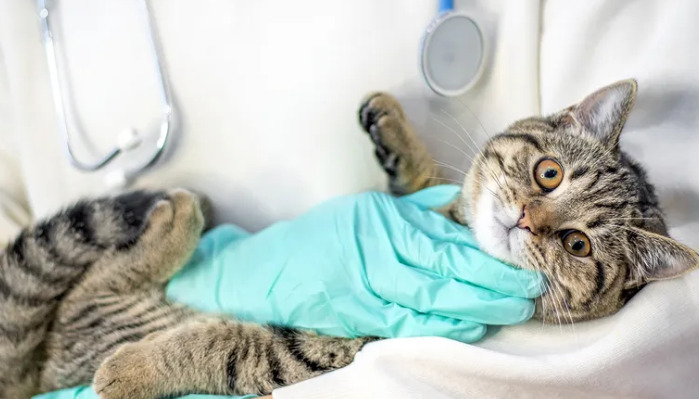
Veterinarians use a combination of history, clinical assessment, and laboratory findings to reach a “highly suspected” diagnosis. For example, young cats (under two years old), especially those from multi-cat environments such as catteries or shelters, have a higher risk for FIP. Clinical signs change as the disease progresses. Persistent fever unresponsive to antibiotics, progressive lethargy, weight loss, jaundice, or neurological signs are strong indicators, but none are unique to FIP.
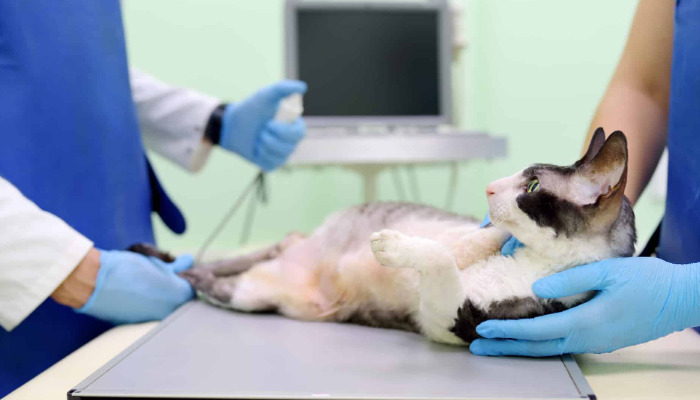
Abdominocentesis or thoracocentesis (removing fluid from the abdomen or chest) can reveal straw-colored fluid with high protein content, supporting the diagnosis. Imaging, such as ultrasound or X-ray, may show thickened organs, fluid accumulations, or masses, but none guarantee FIP is the sole culprit.
Many veterinarians also rely on advanced tests such as Rivalta’s test—a simple bedside test mixing abdominal fluid with acetic acid. A positive result suggests inflammation compatible with FIP, but false positives occur with other inflammatory diseases, reducing its specificity. PCR testing on effusion fluid or tissue samples provides supporting evidence, though not definitive proof due to the inability to distinguish pathogenic versus benign strains.
Serology and Viral Antibody Testing
Serological tests for feline coronavirus antibodies are frequently used, but they add to the confusion. Most cats with FIP have high antibody titers to FCoV, yet so do many healthy cats exposed to benign coronavirus strains. Therefore, serology can never definitively diagnose FIP; it merely adds another statistical clue. Some emerging tests are being developed to detect viral proteins or mutated strains with greater accuracy, but widespread clinical reliability has not been achieved.
Emerging Therapies and Changing the Diagnostic Landscape
Until recently, FIP was regarded as almost universally fatal. However, since 2019, anti-viral treatments such as GS-441524 and its analog remdesivir have shown significant promise in clinical studies. These therapies have raised the stakes for making a timely and accurate diagnosis—treatment is costly, time-sensitive, and has risks and side effects. As such, the value of a “highly suspected” diagnosis has shifted slightly; veterinarians may start anti-FIP therapy when suspicion is high, even without ironclad proof, in case the cat might benefit. Yet, they remain careful not to mislabel a cat unnecessarily because treatment is both expensive and carries possible risks.
Why Not Always Definitive?
With most infectious diseases, laboratory confirmation via culture or PCR identifies the causative virus beyond doubt. FIP is very different. Not only does diagnostic technology fall short, but clinical presentations vary dramatically. Disease progression may be rapid or slow, symptoms may wax and wane, and some cats languish with dry FIP for weeks before symptoms tip the balance toward a final diagnosis. Necropsy (post-mortem examination) with histopathology is the “gold standard” for FIP diagnosis, but obviously cannot benefit a living animal.
Advancements in molecular testing and genetics promise greater certainty in future diagnoses, but for now, the majority of FIP cases are labeled as “highly suspected” because of the absence of a truly definitive in vivo test.
The Role of Owner Expectations and Communication
For families facing a possible FIP diagnosis, clear communication from their veterinarian is vital. Ambiguous language can be unsettling, but reflects medical reality. It tells owners that the veterinarian is applying all current knowledge and technologies, balancing likelihood and uncertainty. Most veterinarians will follow up with recommendations for either monitoring, further testing, or treatment trials, depending on the individual circumstances.
For ethically minded professionals, the phrase “highly suspected” is a way to honor both the science and the emotional difficulty families face. It does not abdicate medical responsibility, but keeps open the possibility of alternative explanations if the cat’s condition should improve or reveal differing symptoms over time. Owners may be encouraged to seek second opinions or consultation with internal medicine specialists, especially at university-affiliated hospitals or research clinics.
Key Takeaways for Pet Owners
If your cat is under investigation for FIP, it is helpful to understand the following points:
FIP is caused by a mutation in a common virus. Most cats exposed remain healthy.
Diagnostic tests are imperfect. They support but do not confirm FIP.
“Highly suspected” means your veterinarian has gathered enough clues to believe FIP is the most likely cause but cannot be 100% certain.
Advanced treatments exist and may be offered based on clinical suspicion.
Communication and follow-up are essential. Owners should discuss all risks, uncertainties, costs, and options.
Seek veterinary teams with experience in FIP cases and emerging therapies.
Advances on the Horizon
Research is rapidly evolving. Newer molecular diagnostic tools are becoming available in referral laboratories, and ongoing clinical studies of FIP therapies mean the disease is no longer a guaranteed death sentence. Nonetheless, because FIP shares features with many other illnesses and the perfect diagnostic test does not exist, “highly suspected” will remain a common phrase until science achieves a breakthrough.
Veterinarians are committed to supporting both pets and their families during this difficult time, and the cautious language they employ is rooted in honesty and professionalism. If you or someone you know is facing a possible FIP diagnosis, understanding the reasons behind “highly suspected” can guide you to ask the right questions, pursue the right care, and advocate effectively for your cat’s health.
References
Pedersen NC. "Feline Infectious Peritonitis: An Update." The Veterinary Clinics of North America: Small Animal Practice, 2014.
Hartmann K. "Feline Infectious Peritonitis." Veterinary Clinics of North America: Small Animal Practice, 2005.
Addie DD, Jarrett O. "Feline coronavirus infections." In: Greene CE, ed. Infectious Diseases of the Dog and Cat, 4th ed., Elsevier Saunders, 2012.
Tasker S. "Diagnosis of feline infectious peritonitis: Update on evidence supporting laboratory testing for the definitive diagnosis." Journal of Feline Medicine and Surgery, 2018.
Drechsler Y, Alcaraz A, Ivanov V, et al. "Application of Factor Analysis and Machine Learning in Diagnosing FIP." Frontiers in Veterinary Science, 2020.
Felten S, Hartmann K. "Diagnosis of feline infectious peritonitis: A review of the current literature." Viruses, 2019.
Kipar A, Meli ML. "Feline Infectious Peritonitis: Still an Enigma?" Veterinary Pathology, 2014.