Is There an Effective Treatment for FIP Today
Feline infectious peritonitis (FIP) represents one of the most devastating diseases affecting cats worldwide. Caused by a mutated strain of the feline coronavirus, FIP is both difficult to diagnose and, historically, fatal. The mystery surrounding this disease and the quest to find effective treatments have preoccupied veterinarians, researchers, and cat owners alike. While advances in medical science have provided new hope, questions remain regarding the efficacy, accessibility, and future direction of FIP treatment.
What Is FIP and Why Is It So Challenging?
FIP emerges when a benign feline enteric coronavirus (FECV) mutates inside a cat’s body to become a lethal form. This new variant infects white blood cells, spreads throughout the animal, and triggers a severe immune-mediated reaction. The mutated virus is not contagious among cats but can evolve unpredictably, typically in vulnerable populations such as young kittens and cats in multi-cat households or shelters.
There are two primary forms of FIP: wet (effusive) and dry (non-effusive). The wet form causes fluid accumulation in the abdomen or chest, leading to respiratory distress and abdominal enlargement. The dry form is marked by granuloma (organ inflammation), affecting various organs and provoking neurological or ocular symptoms.
Diagnosing FIP is complex, often requiring a combination of blood tests, imaging, evaluation of symptoms, and, when possible, analysis of fluid samples. Confirmatory diagnosis prior to death remains a challenge, which has hampered effective treatment strategies in the past.
Historical Perspective: Why Was FIP Considered Incurable?
For decades, FIP was regarded as a terminal illness. Supportive care aimed to improve comfort but did little to slow the deadly progression. Treatments centered on managing symptoms: fluid therapy, corticosteroids, antibiotics for secondary infections, and nutritional support. These interventions neither addressed the underlying virus nor changed the ultimate outcome.
The struggle stemmed from the unique nature of FIP’s pathogenesis—its reliance on a mutated, immune-infecting form of coronavirus. Most antivirals and immune-modulators lacked efficacy, and clinical trials returned little promise. Cat owners, desperate for answers, often faced heartbreak and financial strain.
The Turning Point: Antiviral Breakthroughs
Remarkable change arrived with the introduction of nucleoside analogs that target viral replication. The leading agent is GS-441524, a direct-acting antiviral that disrupts the FIP virus’s ability to multiply. Originally a developmental compound for human medicine (closely related to remdesivir), GS-441524’s application in feline medicine was championed by a handful of pioneering researchers.
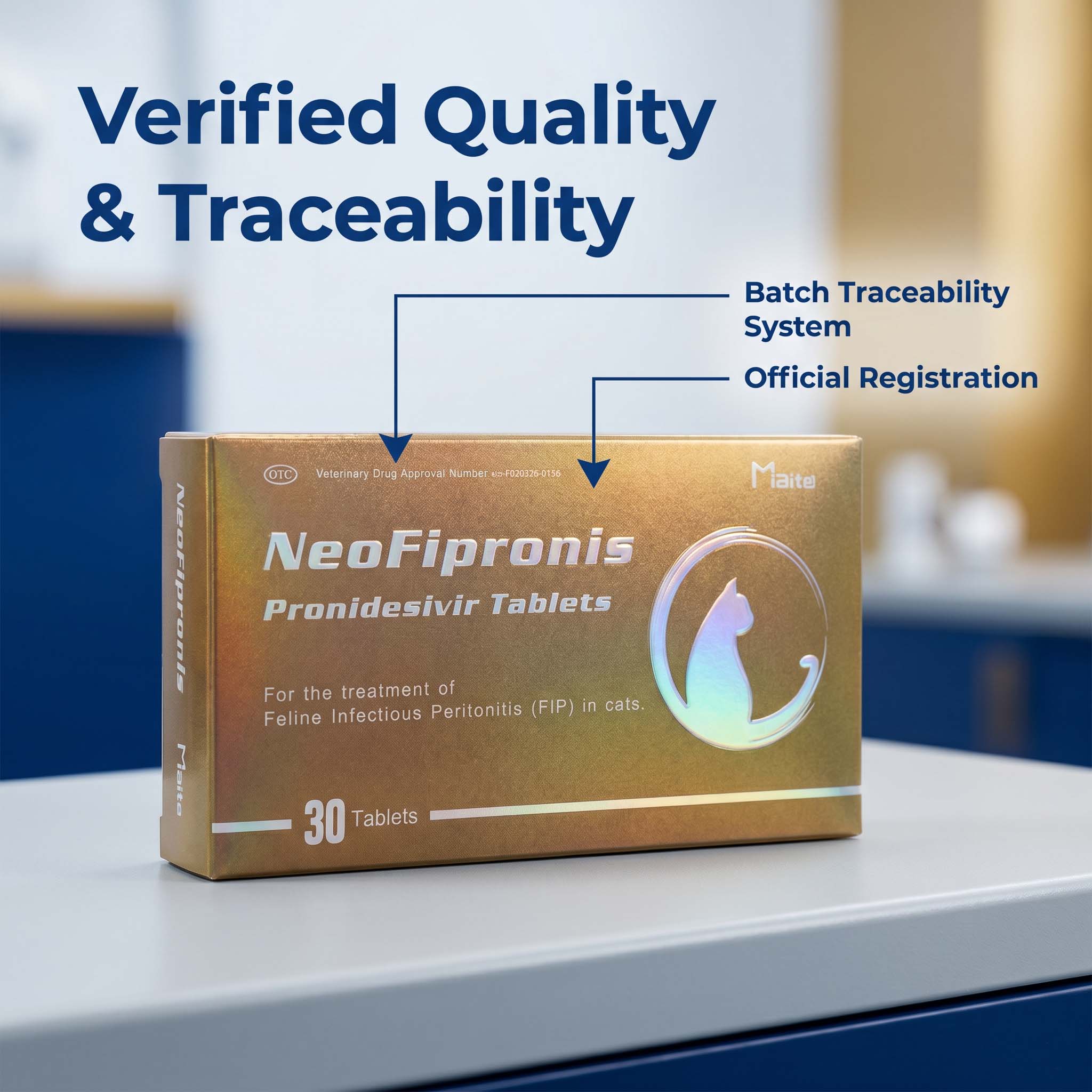
Clinical trials and field studies began reporting extraordinary outcomes: cats treated with GS-441524 showed reversal of symptoms and recovery rates previously unheard of. It transformed the prognosis for cats diagnosed with FIP. The antiviral is administered over several weeks through injections or, in some formulations, oral tablets.
Despite the promise, regulatory hurdles slowed official approval in certain regions. In the United States, GS-441524 is not yet formally approved by the FDA for veterinary use, leading to a gray market of unlicensed “black market” products. Veterinary professionals continue to advocate for wider adoption and regulation of proven, safe therapies.
Another closely related antiviral, remdesivir, has received approval for use against COVID-19 and other coronaviruses in humans. Some veterinarians have repurposed remdesivir for FIP treatment, noting similar positive outcomes, though GS-441524 remains the molecule of choice given its specific feline efficacy and lower toxicity.
Therapeutic Protocols: How Is FIP Treated Now?
Treatment protocol for FIP centers on providing the antiviral over a prescribed period, typically 12 weeks. The dosage and length depend on factors such as the FIP form (wet versus dry), the severity of illness, and response to therapy. The treatment starts with daily injections, often shifting to oral administration if the cat is stable and tolerates tablets.
Supportive care remains vital during antiviral therapy. Cats may need medications to control fever, alleviate pain, and address secondary complications like anemia or dehydration. Nutritional support and monitoring of organ function are essential aspects of comprehensive care.
Veterinary guidance is critical. Dosage errors, missed treatments, or interruptions can lead to viral relapse or development of resistance. Regular bloodwork, physical exams, and owner vigilance help ensure progress is maintained and potential side effects are managed quickly.
Recent advances have introduced additional molecules, such as GC376 (a protease inhibitor), showing efficacy in smaller studies. However, GS-441524 remains the mainstay due to its established results and wider use in feline populations globally.
Outcomes: Survival Rates and Prognosis
Before antiviral therapy, survival rates for FIP hovered near zero. GS-441524 studies demonstrate survival rates exceeding 80% when the disease is caught early and treatment is properly administered. Cats with wet FIP respond more rapidly, while those with neurological or ocular involvement often require higher doses and longer therapy.
Relapse can occur but is generally amenable to retreatment. Some cats may need additional courses, especially if severe mutations or immune complications arise. Long-term monitoring has revealed that many treated cats live normal, healthy lives post-recovery. However, the risk of recurrence exists, particularly in multi-cat households with ongoing coronavirus exposure.
Age, overall health, and disease severity strongly influence outcomes. Kittens and younger cats often respond better, while older animals or those with organ failure may face more difficult recoveries. Early diagnosis and prompt treatment substantially enhance chances of success.
Accessibility: Global and Regulatory Challenges
The regulatory landscape regarding GS-441524 is varied worldwide. In the United States, lack of FDA approval means veterinarians and owners must source antivirals from international suppliers or unregulated markets, leading to concerns over quality, safety, and consistent dosing. Advocacy for formal approval continues, driven by both clinical success and ethical concern for animal welfare.
Other nations, such as Australia and the United Kingdom, have made limited progress toward approval, often with compassionate use protocols for critically ill cats. Access to legitimate, pharmaceutical-grade antivirals remains a barrier for many pet owners, influencing outcomes and decision-making.
Nonprofit groups, owner networks, and online communities have emerged to share information, connect owners with resources, and support those navigating FIP treatment. The need for proper veterinary oversight—balancing hope with realistic expectations—remains fundamental.
Adverse Effects and Treatment Risks
GS-441524 is generally well-tolerated. Minor side effects include injection site discomfort, transient fever, and mild gastrointestinal upset. More serious complications, such as organ toxicity or allergic reactions, are rare but require immediate veterinary attention.
Unregulated products may harbor impurities or inaccurate dosing, increasing risks of overdose, treatment failure, or toxicity. Veterinary professionals emphasize sourcing authentic, tested pharmaceuticals and monitoring cats closely throughout treatment.
Resistance remains a theoretical concern, as with any antiviral therapy. Ensuring adherence to protocol and completing full treatment courses helps minimize this risk.
Future Directions: Toward a Cure and Prevention
Research in the field of feline virology has accelerated in light of GS-441524’s impact. Ongoing studies investigate combination therapies, new drug candidates, and improved diagnostic tests. Vaccination has yet to achieve reliable protection, though new strategies focus on targeting the mutation process itself.
Gene editing, monoclonal antibodies, and personalized medicine represent exciting horizons. As knowledge expands, earlier diagnosis and targeted treatment may become standard—further reducing the devastating toll of FIP.
Preventive measures remain indispensable. Reducing stress in multi-cat environments, early weaning practices, maintaining sanitation, and limiting feline coronavirus exposure are effective steps in minimizing the risk of FIP emergence.
Owner Perspectives: Navigating Hope and Challenge
The emotional and financial impact of FIP diagnosis is profound. Owners often face difficult decisions, balancing hope against practical limitations of cost, access, and emotional capacity. Support groups, educational resources, and transparent dialogue with veterinarians foster resilience and informed choices.
Success stories have proliferated online, reflecting the transformative power of effective antivirals. Nonetheless, each case is unique, and not all cats respond the same way. Realistic expectations and ongoing monitoring ensure that the gains of medical science are translated into meaningful progress for cats and their families.
Research and Clinical Trials: Expanding Options
Universities, pharmaceutical companies, and veterinary hospitals worldwide are conducting trials to optimize FIP treatment. Investigations explore variations in dosing, drug combinations, management of neurological FIP, and long-term outcomes. Collaboration between stakeholders—veterinarians, researchers, pharmaceutical innovators, and cat owners—will drive continual improvement.
Public awareness campaigns, fundraising for research, and advocacy for regulatory approval help amplify the reach and impact of effective treatments. With time, the hope is for FIP to move from feared diagnosis to manageable condition, with widespread access to lifesaving therapies.
Conclusion
The landscape of FIP treatment has irrevocably changed. While historical perspectives regarded FIP as untreatable, the introduction of nucleoside analogs like GS-441524 and remdesivir has shifted the prognosis. Today, many cats survive and thrive after diagnosis. Ongoing challenges include accessibility, regulatory approval, and the need for continued research. As science and advocacy progress, the promise of effective, safe, and readily available FIP treatment grows closer to reality.
References
1. Pedersen NC, et al. "Efficacy and Safety of the Nucleoside Analogue GS-441524 for Treatment of Cats with Naturally Occurring Feline Infectious Peritonitis." Journal of Feline Medicine and Surgery.
2. Dickinson PJ, et al. "Antiviral Treatment of Neurological FIP with Remdesivir and GS-441524." Veterinary Journal.
3. Murphy BG, et al. "The Pathogenesis and Diagnosis of Feline Infectious Peritonitis." Veterinary Clinics of North America: Small Animal Practice.
4. Ikeda A, et al. "Updates on FIP Treatment and Regulation: A Global Perspective." Feline Medicine Review.
5. Addie DD, et al. "Coronavirus Vaccination in Cats: Current Strategies and Future Directions." Advances in Veterinary Medicine.
6. Hartmann K. "Feline Infectious Peritonitis: Prevention, Diagnosis, and Treatment." Veterinary Microbiology.
7. Tasker S, et al. "Clinical Trials and Experimental Therapies for FIP: Progress and Challenges." Journal of Veterinary Internal Medicine.
8. Wills JM, et al. "A Review of FIP Experimental Models and Antiviral Agents." Laboratory Animal Science.
9. Porter E, et al. "Owner Experiences and Perspectives in Treating FIP." Cat Welfare Science.
10. Garnier C, et al. "Regulatory Barriers and Ethical Issues in FIP Antiviral Therapies." International Journal of Veterinary Law.