NeoFipronis (Pronidesivir) Drug Resistance and Drug Interactions

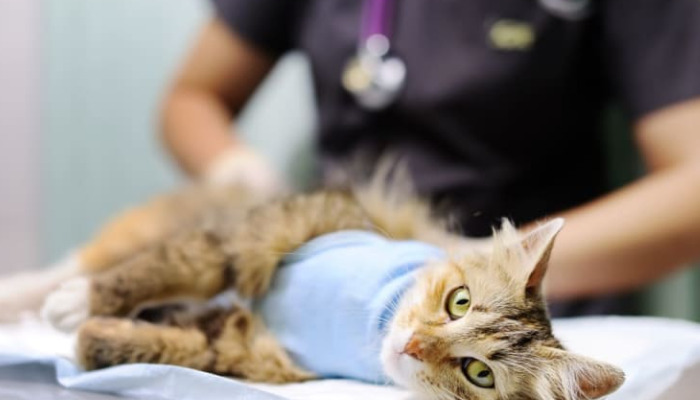
NeoFipronis (Pronidesivir), whose active ingredient is GS-441524, is marketed for feline infectious peritonitis (FIP) support and is commonly discussed by cat owners seeking treatment options for loss of appetite, lethargy, fever, effusion, enlarged lymph nodes, inflammatory granulomas, neurologic signs, and uveitis. Because FIP can progress quickly and affect multiple organs, early recognition and consistent treatment are critical. Many caregivers look for an oral, easy-to-administer option that may help cats stay stable during the long treatment course.
The appeal of NeoFipronis is its practical oral use, rapid absorption, and generally good tolerance in cats when used appropriately. Reports from clinical experience and field use have associated GS-441524-based therapy with improvement in appetite, energy, fever control, and fluid accumulation in many FIP cases. For general cases, treatment is often dosed according to body weight, while neurologic or ocular FIP may require higher dosing under veterinary guidance. Even so, the best results usually depend on strict adherence, proper monitoring, and adjusting the plan to the cat’s disease form and response.
Drug Resistance in FIP Treatment
Drug resistance is a major concern in any antiviral therapy, including FIP treatment. In practice, resistance may appear when medication is given inconsistently, doses are too low, the course is stopped too early, or the cat has a severe disease burden that is not fully controlled. Missed doses and underdosing can allow the virus to continue replicating, making treatment less effective over time. This is one reason veterinarians emphasize uninterrupted therapy for the full recommended duration, often at least 12 weeks or longer depending on the case.
Resistance risk may also increase in cats with neurologic or ocular involvement if the drug level is not sufficient to reach affected tissues. For this reason, cats with eye or nervous system signs often need closer supervision and a higher dose plan prescribed by a veterinarian. Monitoring response through appetite, temperature, activity, weight, bloodwork, and imaging when needed helps identify inadequate response early and reduce the chance of treatment failure.
Drug Interactions to Watch
Although GS-441524 is generally considered well tolerated, drug interactions should still be reviewed carefully. Caution is warranted when it is used alongside other medications that may affect the liver or kidneys, because FIP cats can already be medically fragile. Medications such as corticosteroids, certain antibiotics, antifungals, anticonvulsants, and anti-inflammatory drugs may require veterinary review before concurrent use.
Cats receiving supportive care for FIP may also be given appetite stimulants, anti-nausea drugs, fluid therapy, supplements, or pain control. These are not automatically contraindicated, but the full medication list should always be checked for overlap in side effects, sedation, gastrointestinal upset, or organ stress. If a cat is taking multiple prescriptions, a veterinarian can help decide whether timing, dose, or monitoring should be adjusted.
Safe Use and Monitoring
NeoFipronis is intended for cats only and should never be used in people. Even if a product is sold as non-prescription, veterinary supervision remains strongly recommended. During treatment, caregivers should observe appetite, body temperature, stool quality, breathing, activity, and neurologic or eye changes. Regular blood tests for liver and kidney function help track safety and response.
For product quality and authenticity, purchase should be made through the official NeoFipronis channel or verified distributor whenever possible. Reliable sourcing, strict dosing, and consistent follow-up are central to achieving the best outcome in FIP management.