What Side Effects Can Occur During FIP Treatment

Feline Infectious Peritonitis (FIP) represents one of the most serious infectious diseases affecting domestic cats. The journey from diagnosis to treatment is often overwhelming for both pet owners and veterinarians, given the historically grim prognosis. In recent years, emerging treatments—especially antiviral medications—have offered hope for affected cats and those who care for them. Amidst this optimism, it is essential to consider the possible adverse effects that may arise during FIP therapy. Thorough understanding of side effects associated with FIP treatment ensures effective risk management, improves patient outcomes, and prepares owners for what to expect during their cat’s recovery.
Overview of FIP and Available Treatments
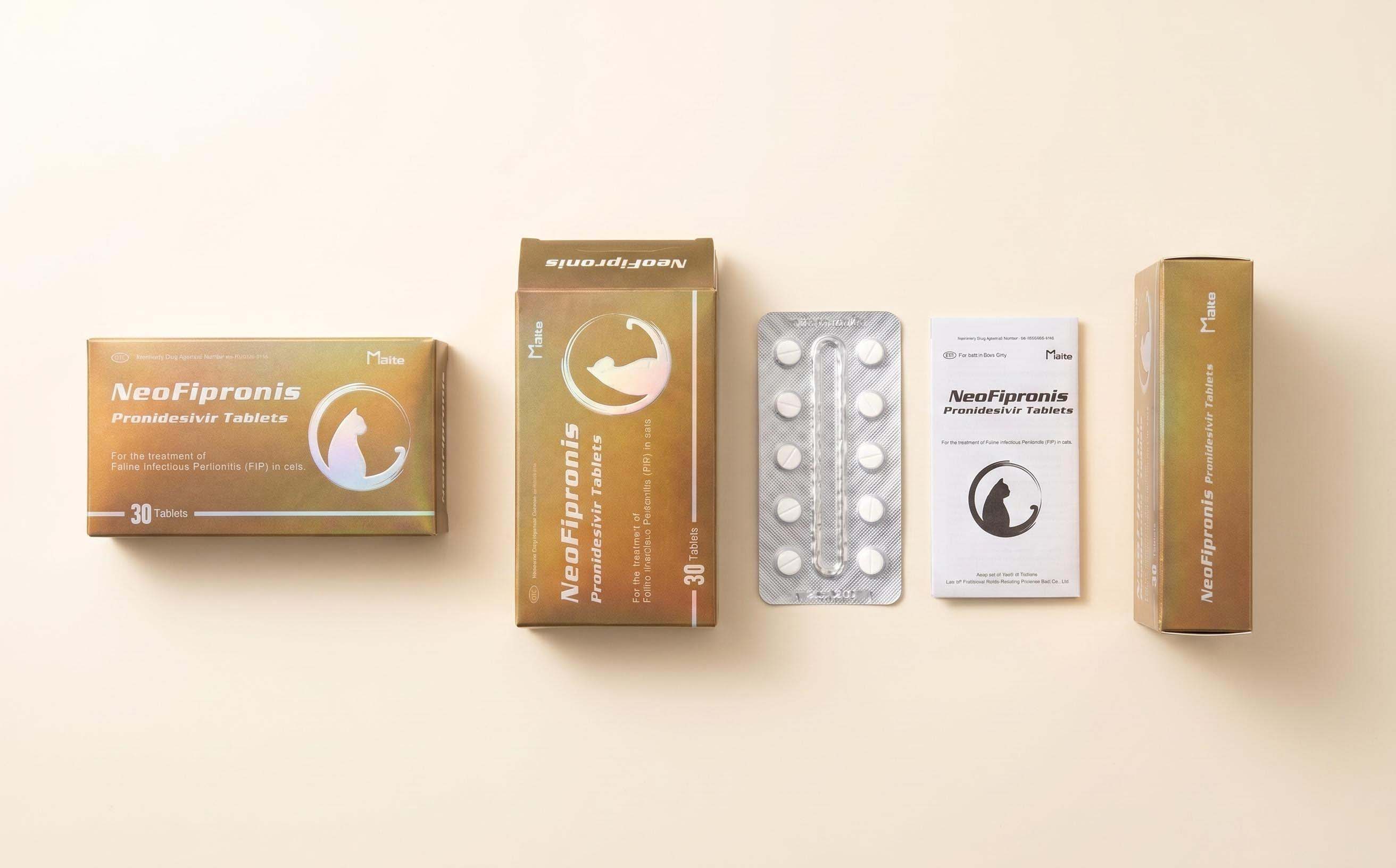
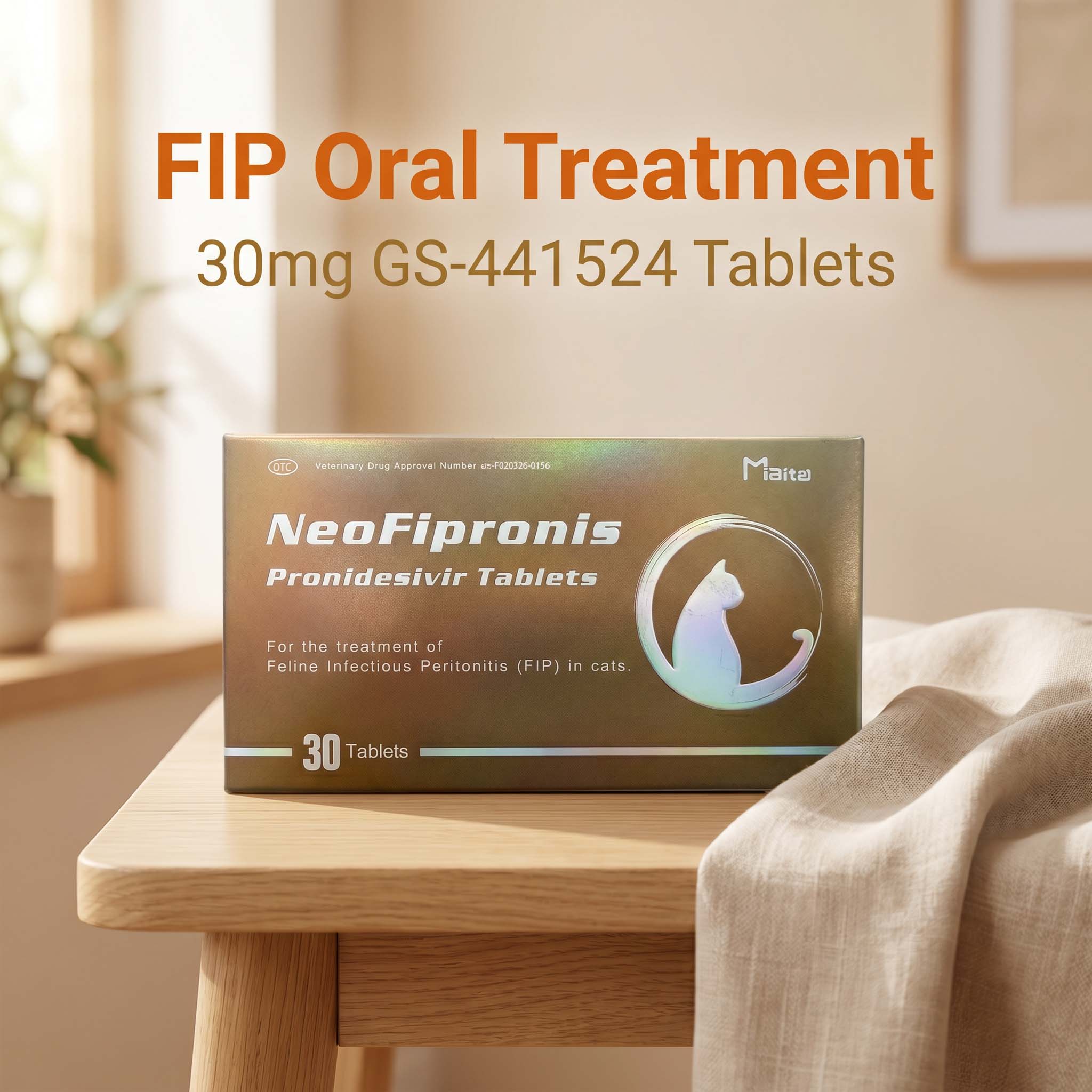
FIP is caused by a mutated form of feline coronavirus. The disease manifests in two primary forms: effusive (wet) and non-effusive (dry), both being fatal if untreated. For years, there was no reliably effective cure. The development of antiviral drugs—most famously GS-441524—has transformed FIP from an untreatable disease to a manageable one. Other therapeutics include supportive medications, anti-inflammatory agents, and immune modulators, each with their own set of potential risks.
General Risks Associated with Antiviral Therapy
Antiviral treatment, particularly GS-441524, constitutes the cornerstone of FIP therapy in the U.S. While generally well tolerated, this class of medication is not devoid of side effects. The nature, severity, and frequency of adverse effects vary depending on the route of administration (oral vs. injectable), dosage, duration of therapy, and individual feline factors.
Common Side Effects
1. Injection Site Reactions:
If GS-441524 is administered via subcutaneous injections, localized reactions may occur. These include pain during injection, swelling, redness, lumps, and in rare cases, skin ulceration. Owners may notice their cats react poorly during injections or display aversion to touch near the administration area.
2. Gastrointestinal Disturbances:
Oral medications may induce vomiting, diarrhea, lack of appetite, and occasional weight loss. While many of these effects are transient, severe symptoms may necessitate dose adjustment or temporary discontinuation.
3. Fatigue and Lethargy:
Some cats experience increased drowsiness or general fatigue while undergoing treatment. This side effect may relate to medication, the underlying disease, or both.
4. Fever:
Though FIP itself commonly causes fever, antiviral drugs may—as the immune system responds—temporarily worsen this symptom.
Less Common and Serious Side Effects
1. Renal and Hepatic Dysfunction:
Laboratory monitoring may reveal increased kidney or liver enzyme levels. True organ damage is rare, but regular testing is recommended to detect emerging organ compromise early.
2. Blood Abnormalities:
Some cats on FIP therapy may develop neutropenia (low white blood cell counts), thrombocytopenia (low platelet counts), or anemia. Blood values should be monitored at regular intervals.
3. Allergic Reactions:
A small percentage of cats may display allergic responses—facial swelling, hives, or difficulty breathing—necessitating immediate discontinuation and veterinary attention.
Side Effects of Adjunctive Therapies
Supportive care for cats with FIP frequently includes corticosteroids, antibiotics, or immune modulators.
1. Corticosteroids:
These are notorious for inducing thirst, hunger, weight gain, behavioral changes, and, over prolonged periods, immune suppression.
2. Antibiotics:
Gastrointestinal upset—such as diarrhea and vomiting—is the most common adverse effect. With broad-spectrum antibiotic overuse, drug resistance and secondary infections may arise.
3. Other Therapies:
Supplements and nutraceuticals, while generally safe, sometimes cause mild digestive upset or interact with core medications.
Long-Term Considerations and Monitoring
FIP therapy may last between several weeks to three months or longer. Sustained medication puts stress on organs, necessitating periodic blood work to assess liver and kidney function as well as complete blood counts. Clinical monitoring for behavioral changes, appetite, and weight helps ensure early detection of emerging side effects.
Managing Side Effects During FIP Treatment
1. Communication With Your Veterinarian:
Open dialogue is key. Owners should report all abnormalities, even those that seem minor. Veterinary teams may alter the treatment protocol based on side effects, using slower titration, supportive medications, or switching to alternative drugs.
2. Home Care Interventions:
For injection site pain, cold compresses, gentle massage, and rotating sites can reduce severity. If oral medications induce vomiting, offering with food or adjusting timing may help.
3. Monitoring and Regular Visits:
At least monthly veterinary check-ins with lab work are recommended. For younger, smaller, or more fragile cats, biweekly monitoring may be advisable.
Special Populations: Kittens, Seniors, and Immunocompromised Cats
1. Kittens:
Young cats metabolize drugs differently and may be more sensitive to medication effects. Diarrhea, dehydration, and weight loss can escalate quickly, so careful oversight is crucial.
2. Seniors and Immunocompromised Cats:
Older cats with preexisting conditions or weakened immune systems are at higher risk for serious side effects, particularly organ compromise. Extensive baseline testing is vital.
Prognosis and Quality of Life Considerations
In most cases, side effects from FIP therapy remain mild and controllable, especially when managed proactively. Owners should focus on overall quality of life rather than isolated laboratory abnormalities. Many treated cats recover fully, going on to live normal, active lives—making short-term management of adverse effects worthwhile in the broader picture of recovery.
Emerging Research and Future Directions
Studies are underway to refine dosing, minimize injection discomfort, and improve medication delivery methods. Alternative antivirals, combination therapies, and more targeted immune modulators continue to be investigated, with the goal of reducing side effects while maintaining high efficacy.
References
1. Pedersen NC. The History of Feline Infectious Peritonitis Research. Journal of Feline Medicine and Surgery.
2. Dempsey SM, Ewing PJ. Feline Infectious Peritonitis: Diagnosis and Treatment. Compendium: Continuing Education for Veterinarians.
3. Dickinson PJ, Levy JK, et al. 2023 Update on FIP Treatment and Monitoring in Cats. Veterinary Clinics of North America: Small Animal Practice.
4. Murphy BG, Thompson CA. Prospects for Antiviral Therapy in FIP. Veterinary Microbiology.
5. Chang HW, Egberink HF, et al. Frequency, Severity, and Management of Side Effects in Cats Treated for FIP. Veterinary Record.
6. Addie DD, Jarrett O. Feline Coronavirus Infections. In: Greene CE (ed.), Infectious Diseases of the Dog and Cat.
7. Krentz D, et al. Safety Profile of GS-441524 in the Treatment of FIP. Journal of Veterinary Internal Medicine.
8. Stout AE, et al. Supportive Care Strategies and Adjunctive Medications in FIP Management. The Feline Practitioner.