NeoFipronis (Pronidesivir) Dosage and Precautions Guide
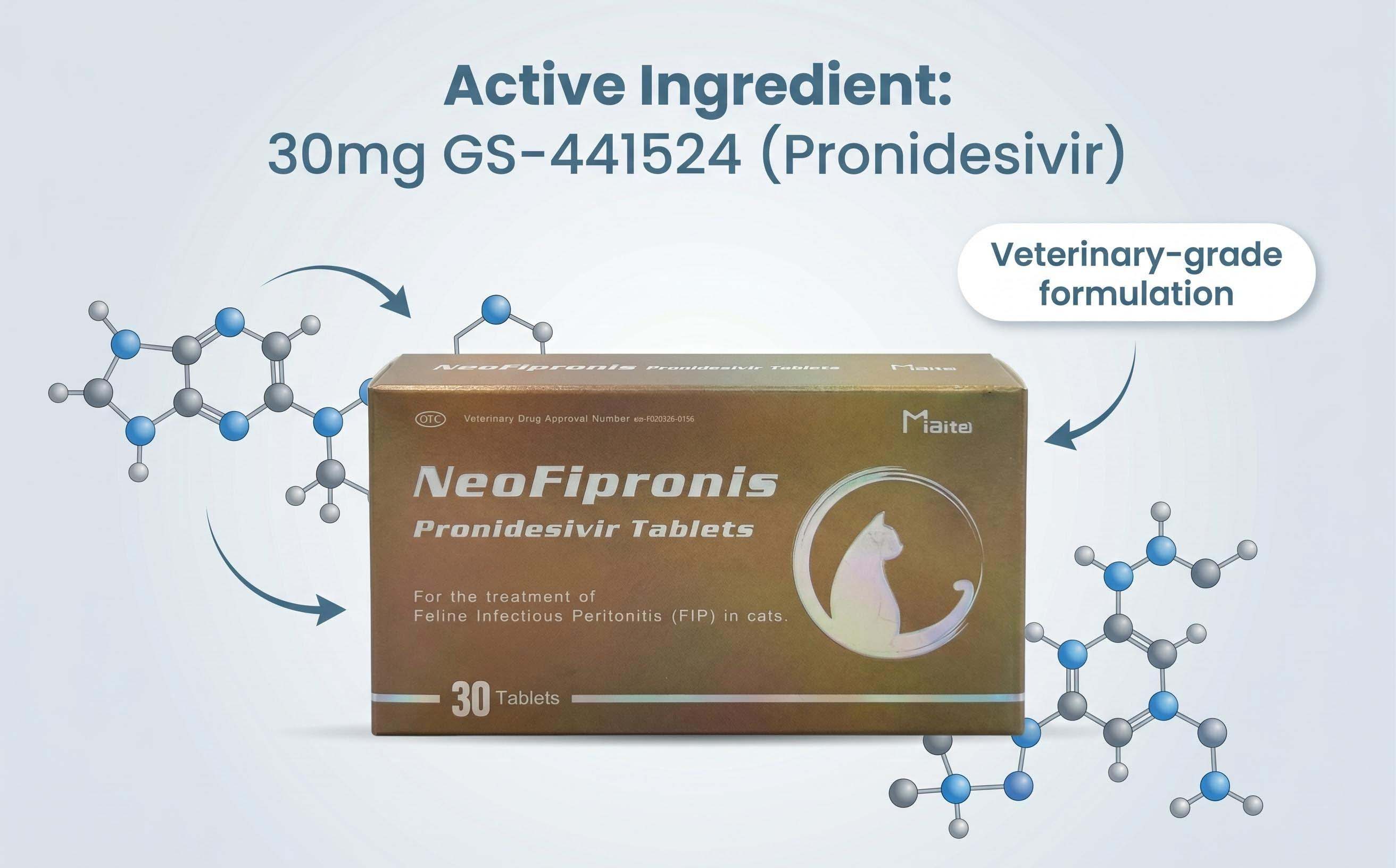
Feline Infectious Peritonitis (FIP) is one of the most serious viral diseases in cats, often linked to poor appetite, lethargy, fever, ascites, pleural effusion, swollen lymph nodes, inflammatory granulomas, neurological damage, and ocular inflammation such as uveitis. NeoFipronis (Pronidesivir), also referenced as a GS-441524-based oral FIP therapy, is presented as a fast-absorbing, non-invasive option designed to support cats affected by wet FIP, dry FIP, neurological FIP, and ocular FIP. According to product information, it is marketed for once-daily use, has good tolerability, and is intended to help cats recover with fewer side effects than more invasive approaches.
NeoFipronis (Pronidesivir) contains GS-441524 as its active ingredient, a compound widely discussed in FIP treatment research and real-world veterinary use. The brand describes the medication as a registered oral option for cats and emphasizes rapid absorption, convenient administration, and strong antiviral activity. For cat owners searching for a practical FIP medicine, the key benefit of an oral formulation is clear: it can be given at home without injections, which may reduce stress for both cats and caregivers while maintaining consistent daily treatment.
NeoFipronis (Pronidesivir) Dosage for Cats
The standard dosage is based on body weight. The general guideline is 15 mg per kilogram of body weight per day, which is equivalent to half a tablet in many product presentations. For cats with neurological FIP or ocular FIP, dosage may need to be increased to 30 mg per kilogram per day, but this should only be done under veterinary guidance. NeoFipronis should be given once daily, and the best absorption is usually achieved on an empty stomach, either one hour before a meal or two hours after eating.
Consistency is critical in FIP treatment. The medication should be given continuously for no less than 12 weeks, and missed doses should be avoided whenever possible. Skipping doses can disrupt antiviral control and may reduce treatment effectiveness. Owners should follow the exact dosing schedule recommended for their cat’s condition, especially when symptoms involve the nervous system or eyes, where higher support is often required.
How to Give NeoFipronis Safely
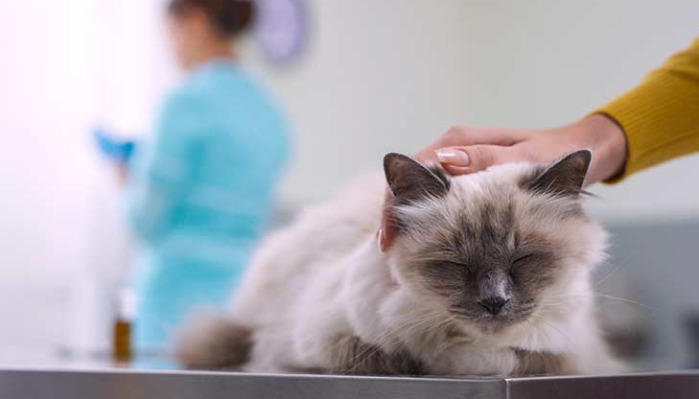
Cats should be monitored closely during treatment, especially in the early weeks. Improvement in appetite, temperature, alertness, and overall activity can be encouraging signs that the therapy is working. Because FIP can affect multiple organ systems, regular blood tests are also important to evaluate liver and kidney function, as well as general response to treatment. Veterinary follow-up helps ensure the dose remains appropriate as the cat’s condition changes.
Precautions and Important Warnings
NeoFipronis may be available as an over-the-counter product, but veterinary supervision is still strongly recommended. FIP can mimic other diseases, and a proper diagnosis is essential before treatment begins. Any cat receiving this therapy should be watched for changes in appetite, vomiting, diarrhea, weakness, jaundice, breathing difficulty, or worsening neurological signs. If these symptoms appear, a veterinarian should be contacted promptly.
This product is for cats only and must not be used in humans. Pet owners should buy NeoFipronis from the official NeoFipronis website or another verified source to reduce the risk of counterfeit or low-quality products. Reliable sourcing matters because the quality of oral FIP medication can directly affect treatment success, safety, and overall recovery.
For cats living with FIP, timely treatment, careful dosing, and regular monitoring are the most important parts of the recovery plan. NeoFipronis (Pronidesivir) is positioned as a convenient GS-441524 oral option for managing FIP symptoms and supporting cats through a structured 12-week treatment course under professional supervision.