Early Warning Signs of FIP Every Cat Owner Should Know
Understanding FIP: A Serious Threat to Cats
Feline Infectious Peritonitis (FIP) is an immune-mediated disease caused by a mutated form of feline coronavirus (FCoV). While most feline coronaviruses cause only mild intestinal signs, this mutated form of the virus can trigger a fatal disease, particularly in young cats and those living in multi-cat environments. Increased awareness and early detection of FIP are crucial due to its rapid progression and high mortality rate. Knowledge of the symptoms and associated risk factors helps cat owners seek timely veterinary care, potentially extending the quality of life and survival for affected cats.
Epidemiology and Transmission
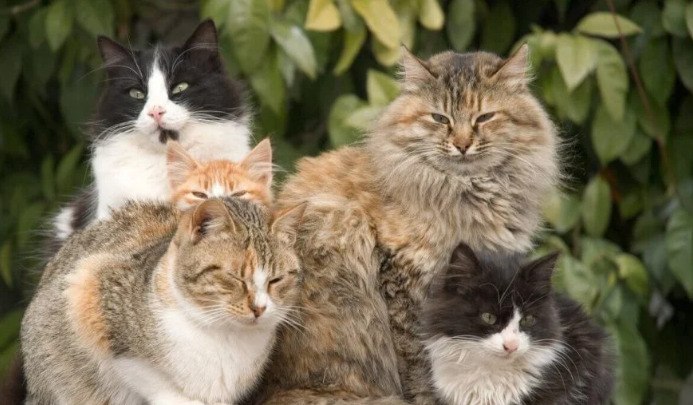
FIP primarily affects cats younger than two years or older than ten, with a higher incidence in purebred and shelter populations. The virus is shed in the feces and can be transmitted through direct contact with contaminated environments, shared litter boxes, or grooming. Most cats exposed to the virus do not develop FIP, but those with weak immune systems or those experiencing environmental or emotional stress are at greater risk.
The Two Forms of FIP: Wet and Dry
FIP presents in two main forms: the wet (effusive) and dry (non-effusive) types. Wet FIP is characterized by the accumulation of fluid in body cavities like the abdomen or chest, resulting from blood vessel inflammation. Dry FIP involves granuloma formation—small masses of inflammatory cells—without significant fluid buildup. Both forms can overlap and share similar warning signs, with the wet form progressing much faster and often more dramatically. Regardless of the form, early symptoms can be subtle and often mistaken for minor illnesses, emphasizing the importance of vigilant monitoring for even small changes.
Early Warning Signs Every Cat Owner Should Know
Persistent Fever
One of the most common early signs is an unexplained, persistent fever. Unlike typical feline fevers, the temperature associated with FIP does not respond well to antibiotics. Owners may notice their cat feels warm or seek out cool places, yet the fever continues day after day. Monitoring body temperature with a pet thermometer can help you catch this elusive sign.
Lethargy and Behavioral Changes
Cats with early FIP often become lethargic and withdrawn. They may sleep more, avoid play, or become less interactive with people and other pets. Some cats may hide or seek solitude more frequently—a significant change from their usual behavior. This subtle withdrawal is often overlooked but can be one of the earliest indications that something is wrong.
Appetite Loss and Weight Loss
Many FIP cases start with reduced appetite or complete anorexia. Even when offered favorite treats or foods, affected cats may refuse to eat. This leads to gradual or sometimes rapid weight loss. Watch for changes in muscle tone and body condition, especially around the backbone, hips, and shoulders.
Gastrointestinal Signs
Early gastrointestinal symptoms can include mild vomiting, diarrhea, or intermittent soft stools. These signs are often attributed to less severe illnesses, but in the context of FIP, they can persist and worsen over time. Chronic diarrhea, unresponsive to dietary changes or medication, should be evaluated by a veterinarian.
Changes in Coat Condition
Cats with FIP often develop a dull, rough, or unkempt coat. Fur may lose its usual gloss and appear matted, even in cats that normally groom themselves meticulously. This change can result from decreased grooming due to malaise, underlying dehydration, or metabolic changes associated with the disease.
Eye Changes
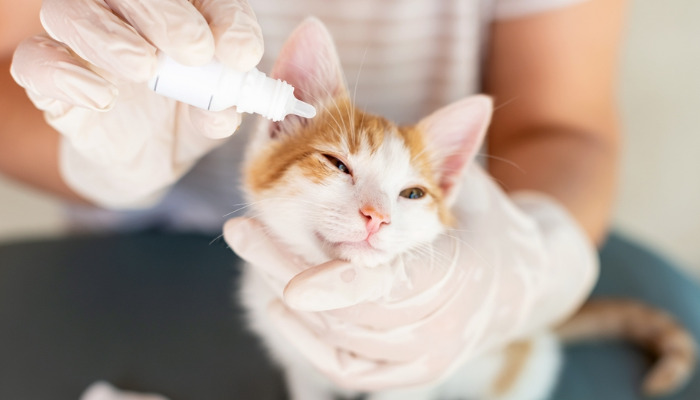
In the dry form of FIP, cats may develop inflammation inside the eye (uveitis) leading to reddened eyes, cloudiness, or visible changes in the iris. Sometimes, owners will notice excessive tearing, squinting, or sensitivity to light. These eye symptoms may precede or accompany other neurological or systemic signs and should prompt a veterinary examination.
Neurological Signs
FIP can affect the nervous system, leading to symptoms such as head tremors, unsteady gait, circling, or even seizures. In some cases, cats may vocalize abnormally or show increased sensitivity to touch. These neurological signs tend to appear later but can sometimes be observed in early stages, especially with the dry form.
Unexplained Fluid Build-Up
The hallmark of wet FIP is rapid accumulation of fluid in the abdomen or chest. Owners may notice their cat’s belly appears swollen or distended; breathing may become labored as fluid builds up around the lungs. The fluid is typically straw-colored and sticky, which is a tell-tale sign for veterinarians when they tap (remove fluid) from these cavities. If your cat suddenly develops abdominal swelling or difficulty breathing, seek emergency care.
Pale Gums and Jaundice
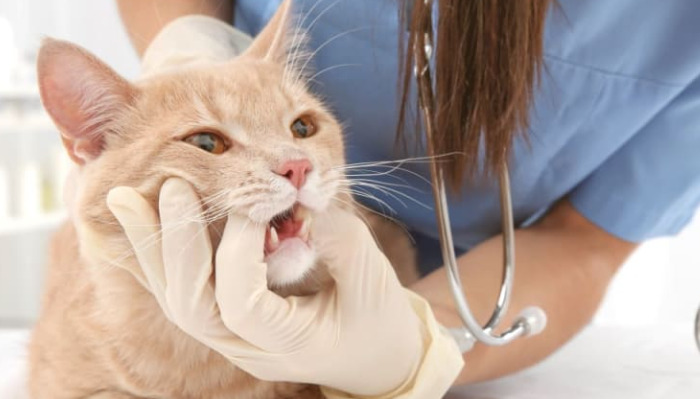
Pale or yellow-tinged gums—jaundice—can indicate anemia or liver involvement as part of FIP’s multi-organ effects. Checking your cat’s oral mucosa regularly lets you spot subtle changes early. If you notice yellowing of the eyes, skin, or mouth, consult with your veterinarian immediately.
Chronic Cough or Labored Breathing
Though less common, respiratory involvement may present as chronic cough, open-mouth breathing, or wheezing. These signs may be due to fluid accumulation, granulomatous inflammation, or secondary infections that develop as the cat’s immune system struggles.
Who’s Most at Risk: Understanding Vulnerability
Young kittens (especially those under two years old), purebred cats (e.g., Bengals, Abyssinians, Ragdolls), and cats living in high-density environments are most susceptible to FIP. Stressors such as recent adoption, surgery, or chronic illness can weaken immune defenses and make cats more likely to contract the disease. Additionally, any household with repeated cases of FIP should consider screening for FCoV, enhanced hygiene, and minimizing group stressors as part of prevention strategies.
Diagnosing FIP: What to Expect at the Veterinarian
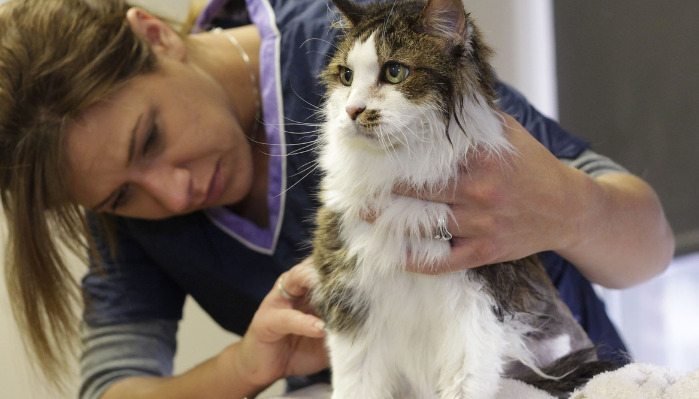
Diagnosing FIP can be challenging due to variability in presentation and lack of a single definitive test. Veterinarians use a combination of clinical signs, bloodwork (CBC, chemistry panel), imaging studies (ultrasound, X-ray), and in some cases, analysis of fluid taken from affected cavities. PCR testing, immunofluorescence, and histopathology (tissue biopsy) help confirm the diagnosis. Because early signs overlap with other diseases, full diagnostics are critical.
Preventive Measures: What Cat Owners Can Do
Since FIP formation depends partly on mutation of feline coronavirus within an individual cat, prevention focuses on reducing viral transmission and minimizing stress. Strategies include:
Maintaining a clean environment: Regularly disinfect litter boxes, food bowls, and communal areas.
Limiting population density: Fewer cats in a household or cattery means less chance for viruses to spread and mutate.
Promptly removing and isolating sick cats: Prevent transmission to others.
Reducing stress: Maintain stable routines, avoid unnecessary changes, and provide mental stimulation.
When to Seek Help: Interpreting Symptoms
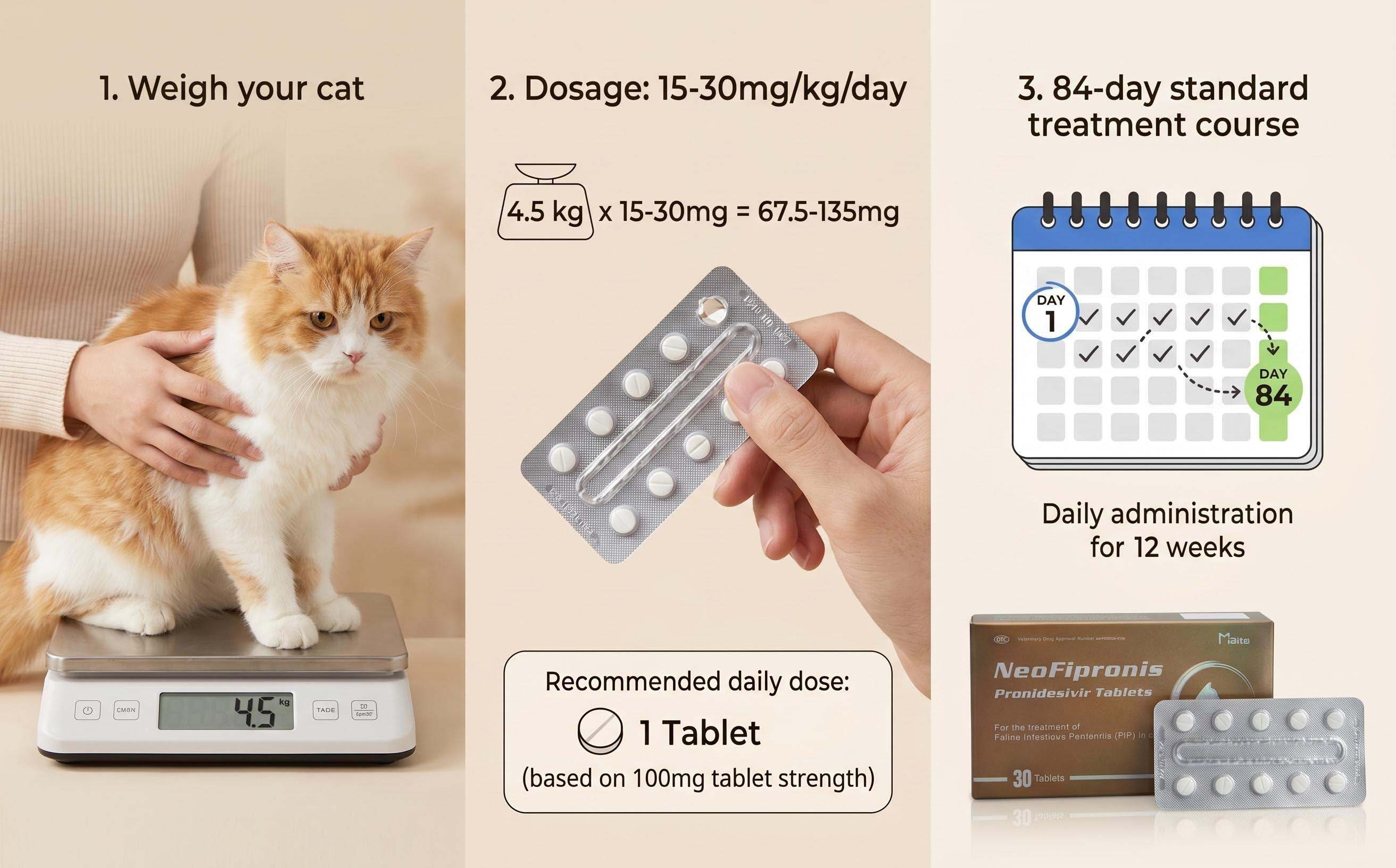
Because FIP can progress rapidly, don’t wait until signs are severe. If you notice persistent fever, appetite loss, unusual fluid build-up, eye changes, or neurological symptoms, schedule a veterinary evaluation right away. Early intervention gives the best chance for supportive care and, in some cases, access to antiviral medications that have shown promise in clinical trials. Note that these new treatments may be expensive or limited in availability, but ongoing research continues to enhance options for affected cats.
Symptom Tracker: A Helpful Tool for Cat Owners
Maintaining a daily symptom diary can help you spot patterns and provide valuable information to your veterinarian. Record details such as temperature readings, appetite level, stool consistency, gum color, and behavioral changes. Visual comparisons (photos, weight logs) can provide a timeline of disease progression and identify subtle warning signs you might otherwise miss.
Supporting Your Cat: Quality of Life During FIP
If your cat is diagnosed with FIP, focus on comfort and supportive care. High-quality nutrition, pain management, and regular hydration can improve well-being. Some owners find encouraging gentle play and social interaction maintains mental health, while others prefer quiet environments for cats who withdraw.
Latest Research and Therapeutic Advances
Recent advances have led to the development of antiviral drugs targeting the mutated FIP virus, such as GS-441524 and related compounds. While not yet universally available or FDA-approved in all regions, clinical trials have yielded promising results in extending survival and reducing symptoms. Immunomodulatory therapies, combined antivirals, and improved diagnostic tests may further improve outcomes.
Studies also suggest that early diagnosis improves response to therapy. Encouragingly, researchers continue to investigate new treatments and vaccines, with the hope that FIP will become a manageable condition in the future.
Frequently Asked Questions
Is FIP contagious between cats? Only the non-mutated coronavirus is easily transmitted; FIP arises after the virus mutates inside a single cat. However, environments with high feline coronavirus loads have increased FIP risk.
Can humans catch FIP? No. FIP is species-specific and cannot spread to people or dogs.
Is there a vaccine for FIP? No effective FIP vaccine exists today, although ongoing research aims to develop one.
What is the prognosis for FIP? FIP is almost always fatal without intervention; however, some newer antiviral drugs have significantly extended survival for select cases.
How can I best protect my cats? Maintain clean, low-stress environments and work closely with your veterinarian if you suspect FIP or have a high-risk population.
Reference Checklist for Concerned Owners
Persistent fever not responsive to antibiotics
Loss of appetite and weight
Lethargy, decreased activity
Rough or unkempt coat
Swollen abdomen, difficulty breathing
Eye changes (cloudy, red, squinting)
Neurological symptoms (tremors, unsteady gait)
Pale gums, jaundice
Chronic gastrointestinal signs
Awareness of these signs and swift veterinary care represent the best tools for tackling FIP in its early stages. By staying informed and vigilant, cat owners play a critical role in protecting their beloved pets against this devastating disease.
References
1. Pedersen, N. C. (2020). "A Review of Feline Infectious Peritonitis Virus Infection: 1963–2020." Journal of Feline Medicine and Surgery, 22(10), 913–933.
2. Kipar, A., Meli, M. L. (2014). "Feline Infectious Peritonitis: Still an Enigma?" Veterinary Pathology, 51(2), 505–526.
3. Addie, D., et al. (2022). "Feline infectious peritonitis (FIP) and coronavirus (FCoV) infection in cats: ABCD guidelines on prevention and management." Journal of Feline Medicine and Surgery, 24(5), 416–436.
4. Tasker, S. (2018). "Diagnosis of feline infectious peritonitis: Update on evidence supporting available tests." Journal of Feline Medicine and Surgery, 20(3), 228–243.
5. Ikeda, A., et al. (2020). "Epidemiology and risk factors for feline infectious peritonitis." Frontiers in Veterinary Science, 7, 205.
6. Izes, A. M., et al. (2023). "Antiviral drug treatment of feline infectious peritonitis." Veterinary Quarterly, 43(1), 45–61.
7. Hartmann, K. (2022). "Feline infectious peritonitis: Advances in diagnosis and treatment." Veterinary Clinics: Small Animal Practice, 52(1), 41–63.
8. Vennema, H., et al. (1998). "Early death syndrome in cats: A consequence of feline infectious peritonitis virus infection." Journal of Virology, 72(9), 7861–7872.