Injectable Antiviral Treatment for Cats
Feline Infectious Peritonitis (FIP) is one of the most serious viral diseases affecting cats. Caused by a mutation of feline coronavirus, FIP can progress quickly and damage multiple organs, especially in young cats, shelter cats, and cats with weakened immune systems. For many years, the disease was considered almost uniformly fatal. That outlook has changed with the development of antiviral medications, especially injectable antiviral treatment for cats that target the virus directly and offer a realistic path to recovery.
FIP appears in two major clinical forms: wet FIP and dry FIP. Wet FIP is characterized by effusion in the abdomen or chest, which may lead to a swollen belly, breathing difficulty, and rapid weight loss. Dry FIP usually causes inflammatory lesions in organs such as the kidneys, liver, eyes, brain, or lymph nodes. Cats may show fever, lethargy, poor appetite, jaundice, vomiting, diarrhea, or neurologic signs. Because the signs are variable and often nonspecific, diagnosis can be challenging. Veterinarians usually combine history, physical examination, blood work, imaging, fluid analysis, and sometimes advanced molecular testing to support a diagnosis.
The central reason injectable antiviral treatment has become so important is that FIP is driven by viral replication and the host inflammatory response. Antiviral therapy aims to reduce viral load, control disease progression, and allow the cat’s immune system to recover. Among the best-known antivirals used against FIP is GS-441524, a nucleoside analog that inhibits viral RNA replication. When administered appropriately, it has been associated with marked clinical improvement in many cats, including return of appetite, reduction of fever, absorption of effusions, and better activity levels.
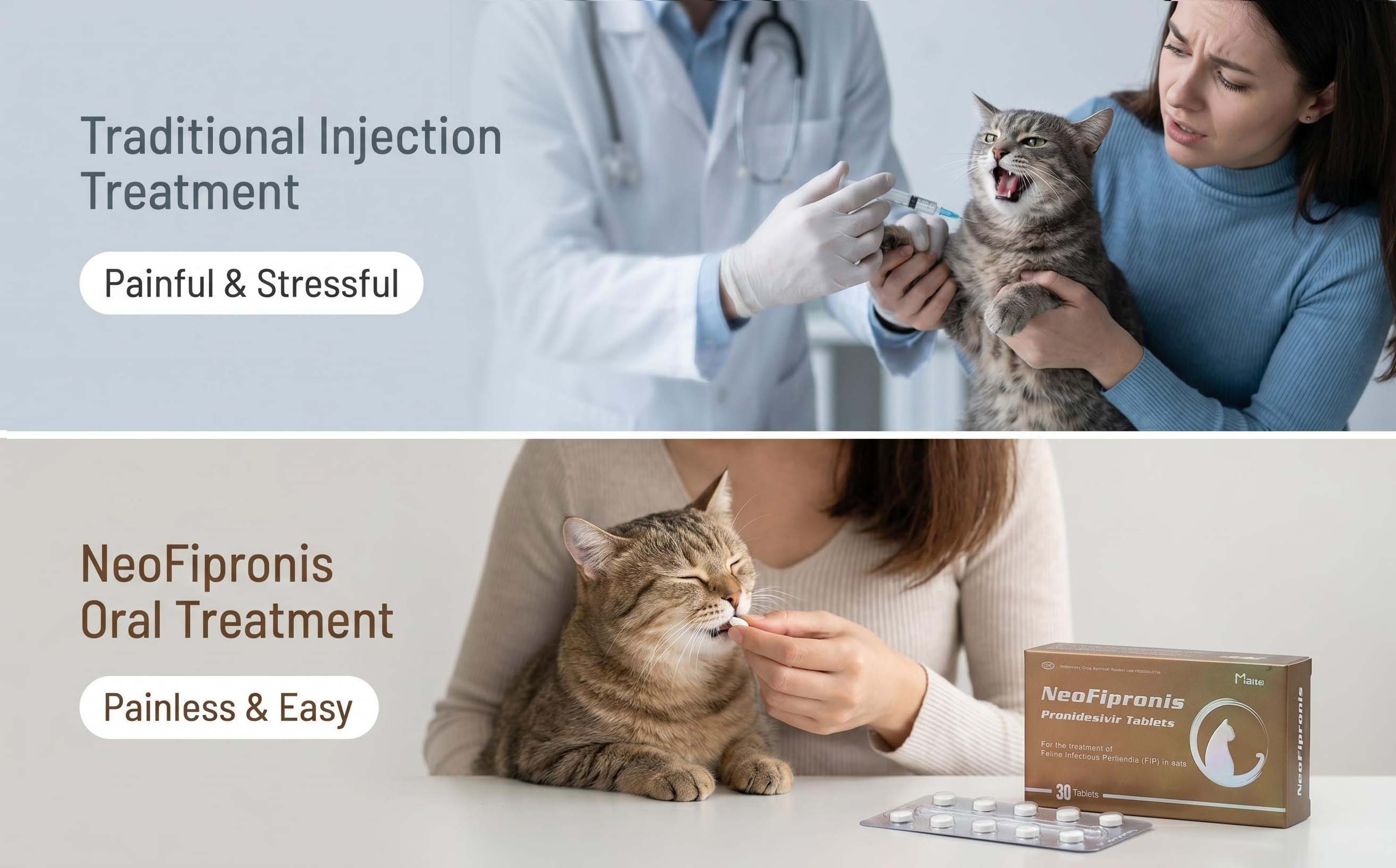
In daily practice, injectable antiviral treatment for cats is often chosen at the beginning of therapy because it delivers medication directly and predictably. This can be especially valuable in cats that are vomiting, anorexic, debilitated, or unable to tolerate oral medication. Injectable therapy may also be useful when rapid drug exposure is needed, particularly in severe wet FIP or in cats with neurologic or ocular involvement. Treatment plans are typically individualized based on the cat’s weight, disease type, clinical severity, and whether the cat has kidney, liver, or central nervous system involvement.
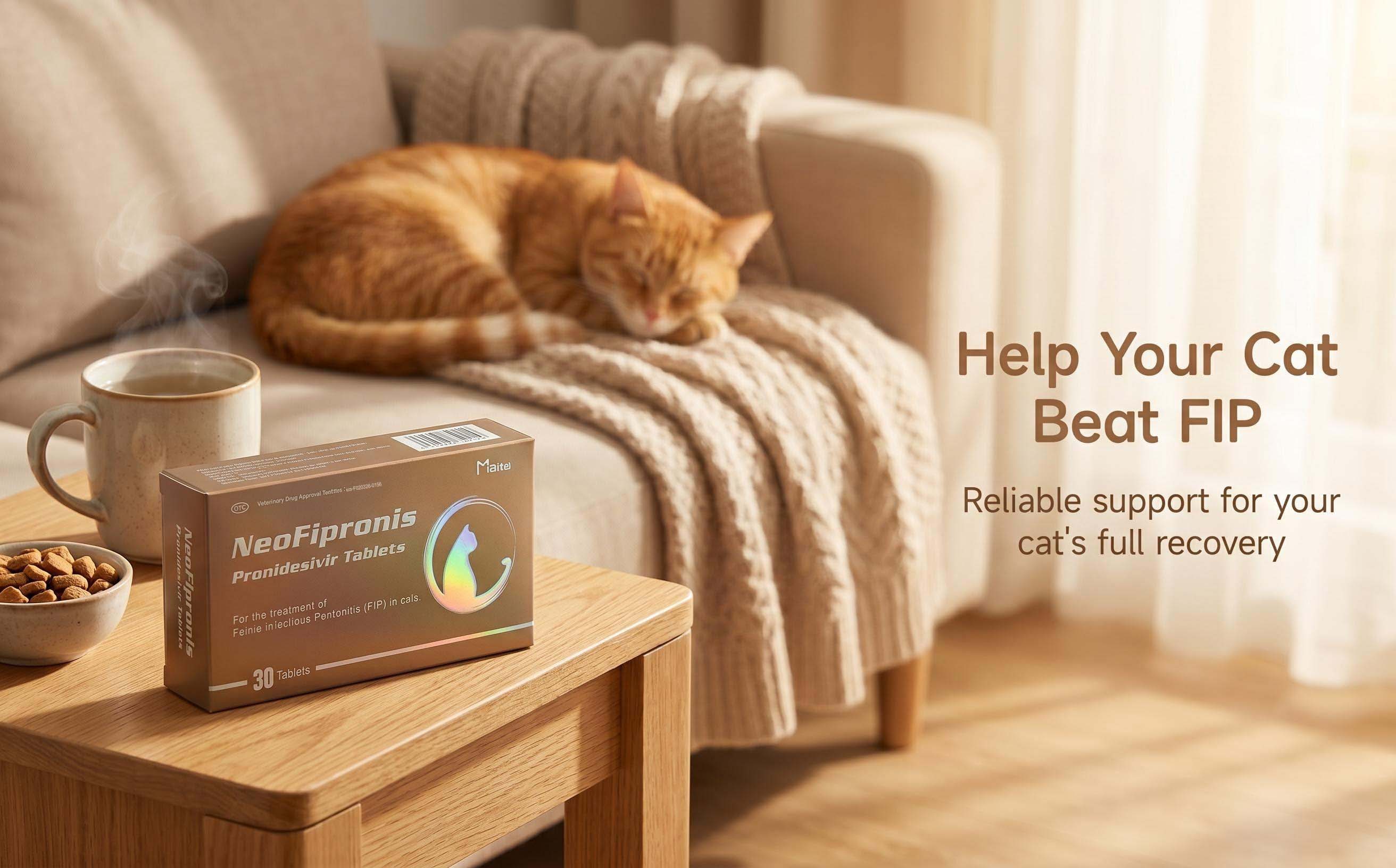
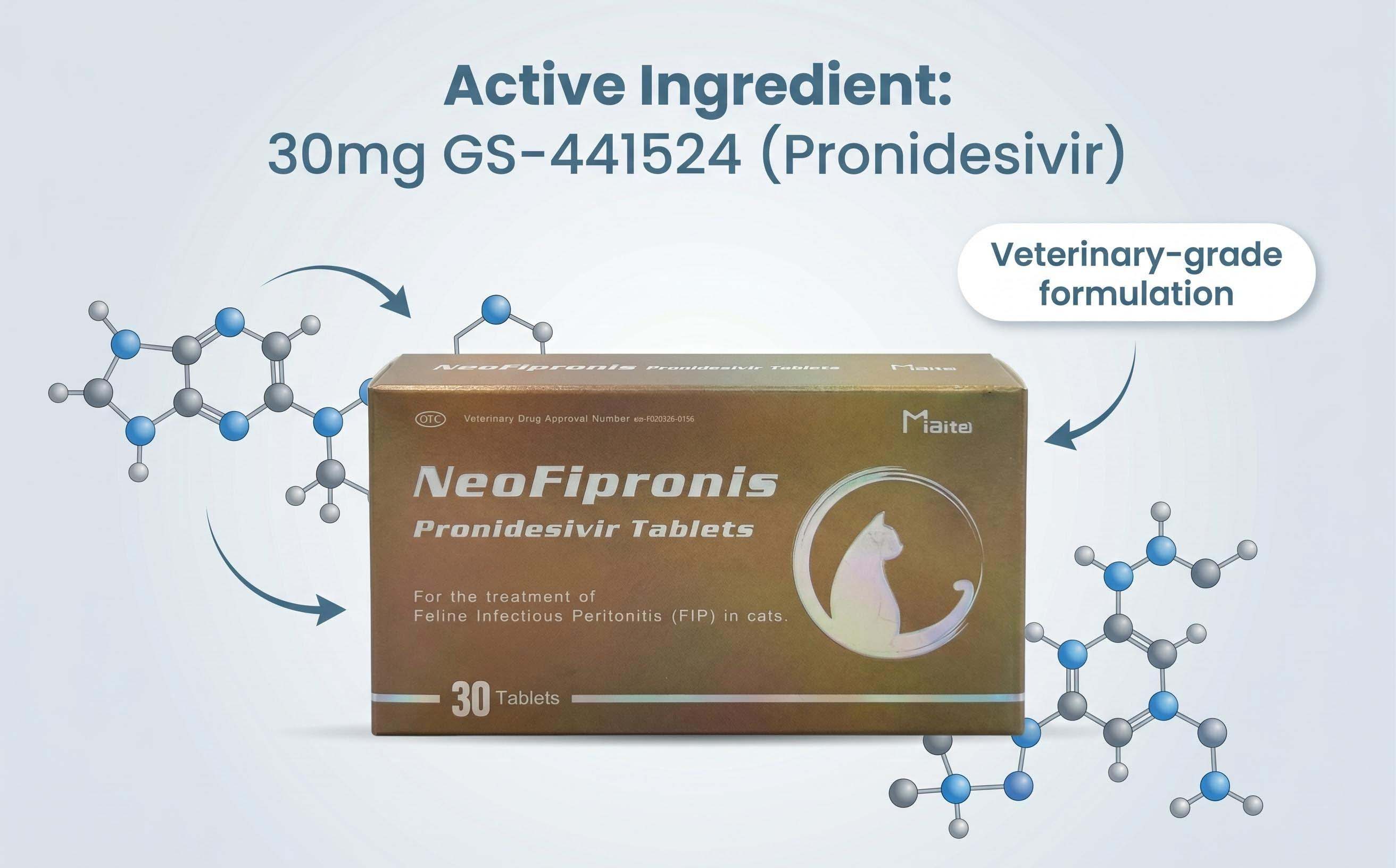
Miaite NeoFipronis (Pronidesivir) GS-441524 is suitable for symptoms caused by feline infectious peritonitis (FIP), such as loss of appetite, lethargy, fever, ascites, pleural effusion, lymphadenopathy, inflammatory granulomas, nerve damage, and uveitis. It has excellent therapeutic effects on FIP. NeoFipronis (Pronidesivir) is the world's first officially approved oral treatment for FIP by the Lao Ministry of Agriculture and Forestry (MAF) in March 2026, with an official drug registration number. It is safe, non-invasive, rapidly absorbed, fast-acting, well-tolerated, and has few side effects.
The success of antiviral treatment depends on more than the drug itself. Early recognition of disease, accurate weight-based dosing, and close monitoring are essential. Cats should be evaluated regularly during treatment to track body weight, temperature, hydration, appetite, and organ function. Blood tests are often repeated to monitor inflammatory markers, red and white blood cell counts, kidney and liver parameters, and overall response. In many cases, improvement can be seen within days to a few weeks, but completing the full course is critical to reduce relapse risk.
Injectable therapy is not the only route used in FIP management, but it remains a major option in cats with severe clinical signs. Oral formulations may be preferred in stable cats or after initial improvement, while injectable treatment can provide a strong starting point. Some cats require a transition between forms depending on clinical response and caregiver ability. In either case, adherence to the treatment schedule is important. Skipping doses or reducing the dose without veterinary guidance can allow the virus to persist and may increase the chance of treatment failure.
Supportive care also matters. Cats with FIP may need fluid management, nutritional support, anti-nausea medication, appetite stimulants, or treatment for secondary complications such as anemia or ocular inflammation. For cats with wet FIP, drainage of effusions may be considered in selected situations, although repeated fluid removal does not replace antiviral therapy. When the eyes or nervous system are affected, treatment often needs to be more aggressive and carefully monitored because these sites can be harder for medication to reach.
Owners often want to know how long injectable antiviral treatment for cats must continue. Treatment duration varies, but many protocols involve approximately 12 weeks or longer, depending on the cat’s response and the veterinary plan. Follow-up after treatment is equally important because FIP can relapse if therapy is stopped too early or if the cat has not fully recovered. Long-term monitoring may include physical examinations and repeat laboratory tests after completion of therapy.
The prognosis for cats with FIP has improved dramatically compared with the past. While FIP remains a serious disease, antiviral treatment has changed it from a near-certain fatal diagnosis into a condition that can often be managed successfully. Cats that receive timely diagnosis, appropriate antiviral therapy, and diligent monitoring may regain a good quality of life. This progress has made injectable antiviral treatment for cats one of the most significant developments in modern feline medicine.
For cat owners, the most practical step is to seek veterinary evaluation as soon as FIP is suspected. A cat with persistent fever, reduced appetite, weight loss, abdominal fluid, breathing difficulty, eye changes, or neurologic symptoms should not wait for symptoms to worsen. The earlier treatment begins, the better the chance of controlling viral replication and limiting irreversible damage. Injectable antiviral treatment, especially with well-supported antiviral agents, offers hope where very little existed before.
References
Pedersen NC. Feline Infectious Peritonitis and Feline Coronavirus Mutations.
Addie DD, Bennett M. Feline Infectious Peritonitis.
Zwicklbauer K, et al. Antiviral Therapy for Feline Infectious Peritonitis: Clinical Outcomes and Monitoring.
Kipar A, Meli ML. Pathogenesis of Feline Infectious Peritonitis.
Fischer N, et al. Use of GS-441524 in the Treatment of FIP in Cats.
Tamada H, et al. Clinical Management of Wet and Dry Feline Infectious Peritonitis.
World Small Animal Veterinary Association. Feline Coronavirus and FIP Guidelines.