What Should a Cat With FIP Eat
Feline Infectious Peritonitis (FIP) presents a complex challenge for both veterinarians and pet owners, given its variable progression and often grim prognosis. Nutrition plays a vital role in managing cats with FIP, supporting their immune system, maintaining energy levels, and alleviating discomfort. Proper dietary choices can significantly impact a cat’s quality of life during this illness. Several considerations and strategies are recommended to optimize nutritional intake for FIP-affected cats.
Prioritize High-Quality, Nutrient-Dense Diets
A cat battling FIP requires a diet rich in essential nutrients that bolster the immune response. High-quality, protein-rich foods with easily digestible ingredients are recommended. These diets should provide adequate amounts of amino acids, vitamins, and minerals to support tissue repair and overall health. Complete and balanced commercial feline diets specifically formulated for senior or immune-compromised cats often contain the necessary nutrients in optimal ratios.
Adjust for Appetite Fluctuations and Weight Management
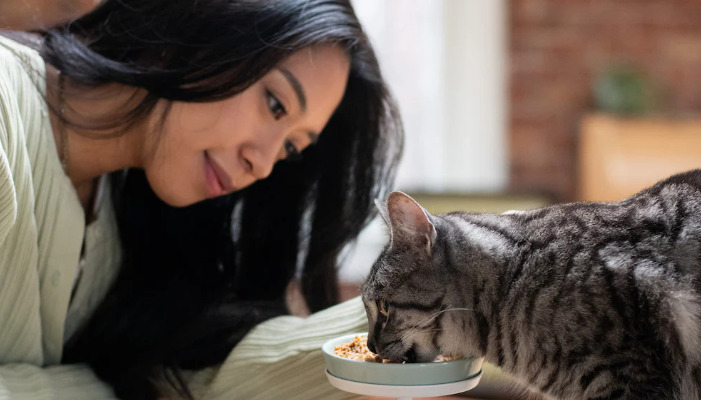
Cats with FIP may experience fluctuations in appetite, often losing interest in food during disease progression. To encourage intake, offering small, frequent meals can be more effective than large, infrequent feedings. In cases where weight loss becomes a concern, calorie-dense foods such as canned pâtés or specially formulated nutritional supplements can ensure energy needs are met without overburdening the digestive system.
Incorporate Palatable, Medicinally Enriched Foods
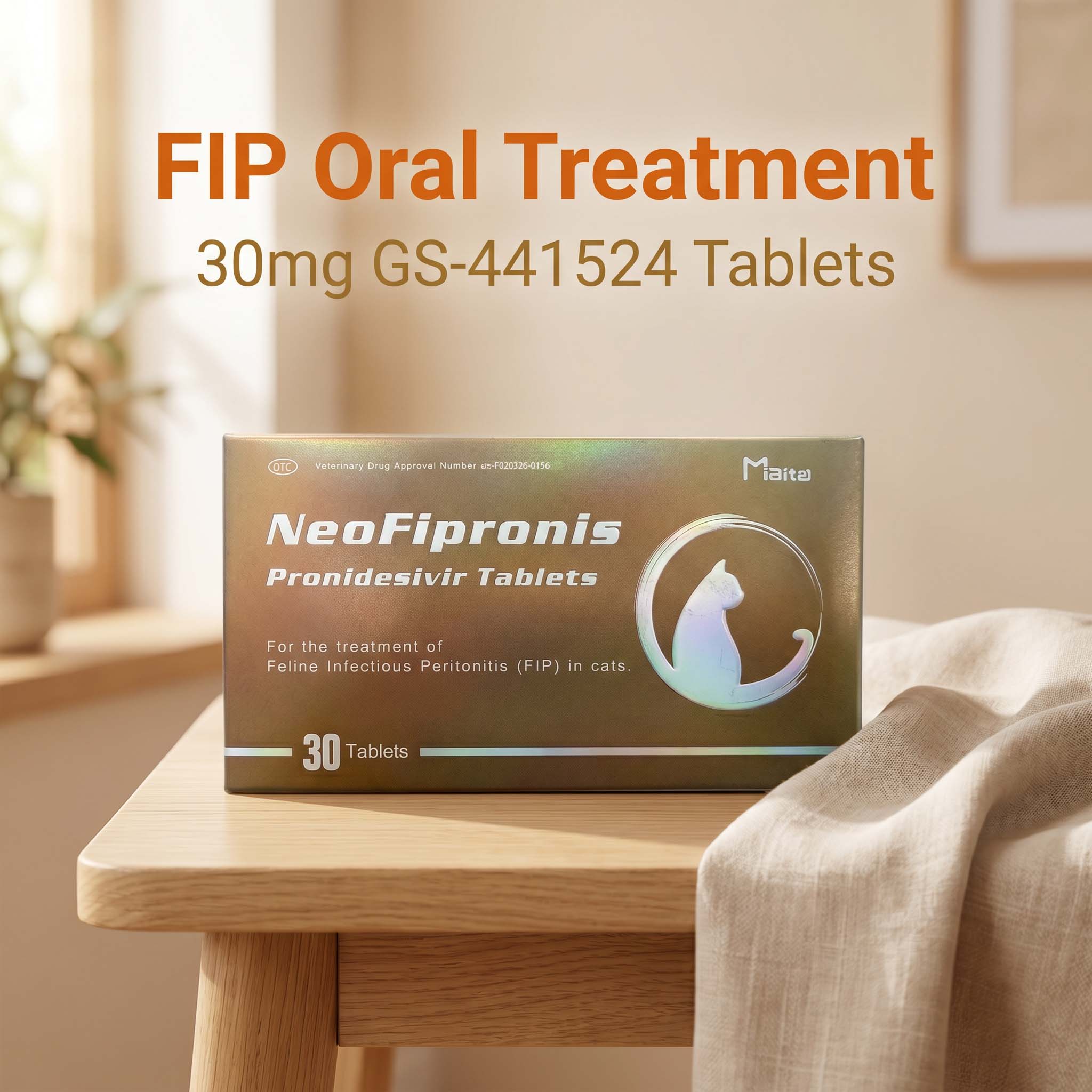
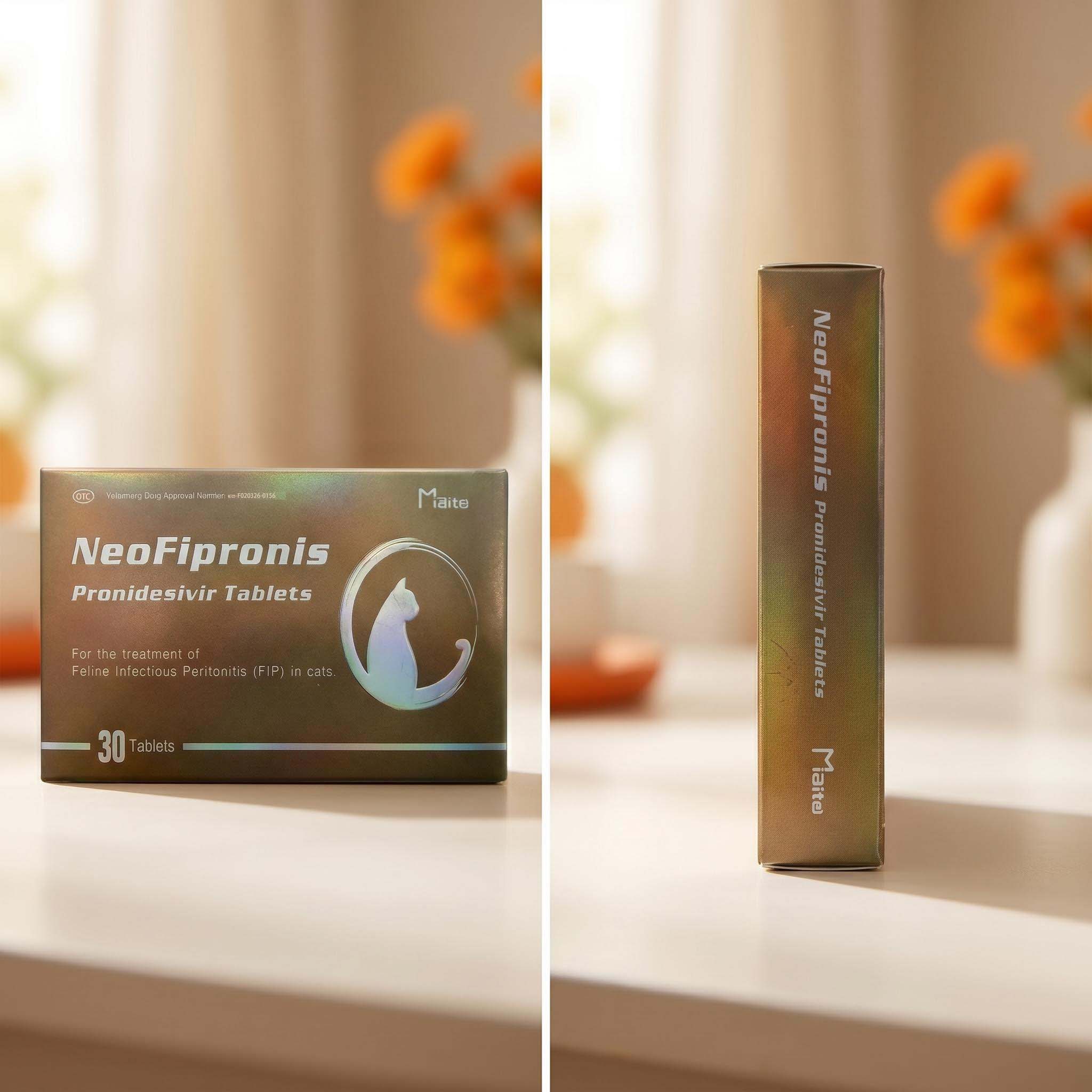
Enhancing palatability is crucial. Warming the food slightly, adding broth, or offering variety can stimulate appetite. Some veterinarians suggest incorporating flavor enhancers or prescribed nutritional supplements to ensure the cat consumes enough calories and nutrients. Tablets or powders containing immune-boosting ingredients may serve as adjuncts, but care must be taken to avoid ingredients that could aggravate gastrointestinal issues.
Address Gastrointestinal and Liver Supportive Nutrition
Gastrointestinal health can deteriorate alongside FIP, so diets that promote gut health are beneficial. Adding probiotics or prebiotics can support intestinal flora, improving nutrient absorption. Additionally, if liver involvement occurs, incorporating diets with hepatoprotective properties, such as those containing antioxidants like vitamin E or milk thistle, can be helpful. Consulting with a veterinarian about specialized diets or supplements is essential in such cases.
Ensure Hydration and Manage Fluid Balance
Dehydration is common in cats with FIP, especially if they experience fever or gastrointestinal symptoms. Providing fresh water at all times and offering wet food can help maintain hydration levels. In more severe cases, subcutaneous fluid therapy may be necessary under veterinary supervision to prevent dehydration and support renal function.
Limit or Avoid Certain Ingredients
Cats with FIP may develop gastrointestinal sensitivities or intolerance to certain ingredients. It is advisable to avoid overly processed or artificial additives, excessive carbohydrates, or ingredients that might trigger inflammation or allergic reactions. Grain-free, limited-ingredient diets are sometimes preferable, but personalization based on individual tolerance is key.
Use of Therapeutic and Supportive Nutrition
In some instances, veterinary-prescribed therapeutic diets formulated specifically for immune-compromised or hepatic conditions could be advantageous. These diets often contain antioxidants, omega-3 fatty acids, and other supportive nutrients to help modulate inflammation and improve overall health status.
Monitoring and Adjustments
Regular monitoring of weight, body condition, and overall health is fundamental. Nutritional plans should be adaptable, responding to changes in appetite, weight, or clinical signs. Close collaboration with a veterinarian ensures the diet remains aligned with the cat’s evolving needs, potentially integrating additional supplements or modifications.
Probiotics and Immune Support
Some emerging evidence supports the use of certain probiotics to bolster immune function in immunocompromised cats. While research continues, introducing probiotic-rich foods or supplements under veterinary guidance can be beneficial, especially to prevent secondary gastrointestinal infections.
Conclusion
Handling nutrition in a cat with FIP requires a nuanced approach centered on supporting immunity, maintaining body weight, and ensuring comfort. From selecting high-quality diets and encouraging appetite to addressing gastrointestinal concerns and hydration, these strategies can improve quality of life. Tailored nutritional plans, regularly monitored and adjusted, form an essential component of holistic FIP management.
References
1. Pedersen, N. C. (2014). Feline infectious peritonitis: Role of immune responses. Veterinary Immunology and Immunopathology, 159(3-4), 38-45.
2. Addie, D. D., & Jarrett, O. (2001). Feline infectious peritonitis. In Recent Advances in Feline Infectious Diseases.
3. Helmink, K., & Pippi, R. (2018). Nutritional management of cats with chronic illness. Journal of Feline Medicine and Surgery, 20(4), 318-324.
4. Button, D. (2020). Therapeutic nutrition strategies for immune-compromised cats. Vet Clin North Am Small Anim Pract, 50(2), 297-312.