Does FIP Weaken the Immune System in Cats
Feline Infectious Peritonitis (FIP) represents one of the most feared infectious diseases in domestic cats. Arising from a mutated strain of feline coronavirus, FIP can lead to devastating outcomes, particularly when the disease progresses to its effusive or "wet" form. Understanding the relationship between FIP and the feline immune system is vital for veterinarians, researchers, and cat owners alike. This article examines how FIP affects feline immunity, differentiating between healthy immune responses and those compromised by the disease. Given increasing awareness and recent advances in treatment, it is essential to revisit what recent research tells us about the complex immune dynamics associated with FIP.
Understanding FIP
Feline Infectious Peritonitis is triggered when the feline enteric coronavirus (FECV), a generally harmless virus inhabiting the gastrointestinal tract, mutates into a virulent form known as FIPV (FIP virus). Most cats exposed to FECV do not develop clinical disease and remain asymptomatic carriers. However, when FIPV forms, it gains the ability to invade immune cells such as macrophages, causing systemic infection.
Immune System Overview in Cats
The feline immune system comprises innate and adaptive defenses. Innate immunity includes physical barriers, phagocytic cells, and enzymes, while adaptive immunity relies on lymphocytes, including B and T cells. A healthy immune system identifies and neutralizes a plethora of pathogens, including viruses, bacteria, and toxins.
The Immune Response to Coronavirus
When cats encounter the feline coronavirus, their immune system typically mounts an appropriate protective response. Most recover without any sign of illness; however, some cats, particularly those with genetic susceptibilities or environmental stress, may not effectively clear the virus. This weakness allows the virus to persist, mutate, and ultimately trigger FIP.
FIP and Immune Cell Dynamics
One unique feature of FIP is its tropism for immune cells. The FIP virus preferentially infects macrophages—white blood cells critical for engulfing pathogens and orchestrating inflammatory responses. Once inside, FIPV alters cell function, promoting an exuberant inflammatory response. Instead of controlling the virus, the immune reaction spirals out of control, causing tissue damage, fluid accumulation, and chronic inflammation throughout the body.
Does FIP Directly Weaken the Immune System?
FIP does not "destroy" the immune system like some other infections. Instead, it hijacks immune cells and induces a dysregulated immune response:
Macrophage Infection: By targeting macrophages, FIPV evades immune surveillance and uses these cells as vehicles to disseminate throughout the body.
Cytokine Storm: The virus triggers the production of massive amounts of inflammatory mediators called cytokines. This "cytokine storm" damages blood vessels and surrounding tissues.
Immunopathology: The cat’s own immune reaction, intended to eliminate the virus, unintentionally contributes to disease progression and tissue injury.
Adaptive Immunity and FIP Progression
In most virus infections, antibodies neutralize threats. In FIP, however, antibodies may paradoxically accelerate disease. This phenomenon, called antibody-dependent enhancement (ADE), increases viral entry into immune cells and worsens systemic spread. This twisted immune dynamic makes it challenging for the body to effectively fight where both cellular and humoral arms of the immune system are manipulated by FIPV.
Which Cats Are Most Susceptible?
Certain cats show increased vulnerability to FIP:
Kittens: Immature immune systems combined with high exposure rates in catteries increase risk.
Cats under stress: Overcrowding, recent surgery, or concurrent illness can disrupt normal immune function.
Genetic Factors: Some breeds and familial lines appear genetically predisposed to ineffective immune responses against FIPV.
Immunosuppression Versus Immune Dysregulation
FIP is often incorrectly described as a "immunosuppressive" disease. The reality is more complex. Rather than outright suppression, FIP causes immune dysregulation:
Hyperactive Immunity: Excess inflammation and immune cell recruitment.
Unproductive Immunity: Despite the immune system's reaction, it fails to clear the virus, instead fueling ongoing disease.
FIP and Secondary Infections
A weakened or misdirected immune system can make cats more susceptible to secondary infections. Frequent complications include bacterial infections (due to fluid accumulation), worsening clinical signs, and multi-organ involvement.
Diagnostic Perspective
Diagnosing FIP involves identifying characteristic clinical signs (fluid accumulation, fever, weight loss), supportive lab findings (elevated globulins, reduced albumin), and confirming via immunohistochemistry or PCR. Beyond detection of FIPV, clinicians assess immune system health through white blood cell counts and immunoglobulin levels.
Treatment Advances: Immunomodulation
Traditional therapies largely focused on supportive care. Recently, direct-acting antivirals like GS-441524 and remdesivir have revolutionized FIP treatment, halting viral replication within immune cells. Adjunct therapies target immune regulation—reducing excessive inflammation while supporting appropriate immune recovery.
The Impact of New Treatments on Immune Outcomes
Early intervention can halt immune overreaction and improve chances of long-term recovery. Success rates have soared, but continued monitoring for immune function alterations is crucial. Cats treated for FIP may experience immune deficits, requiring vigilance for other diseases during recovery.
Preventing FIP: Supporting Immune Health
Prevention centers on robust immune system support:
Stress Reduction: Stable environments enhance immune resilience.
Nutrition: Balanced diets maximize immune response.
Selective Breeding: Reducing genetic predisposition to poor immune responses can limit FIP risk.
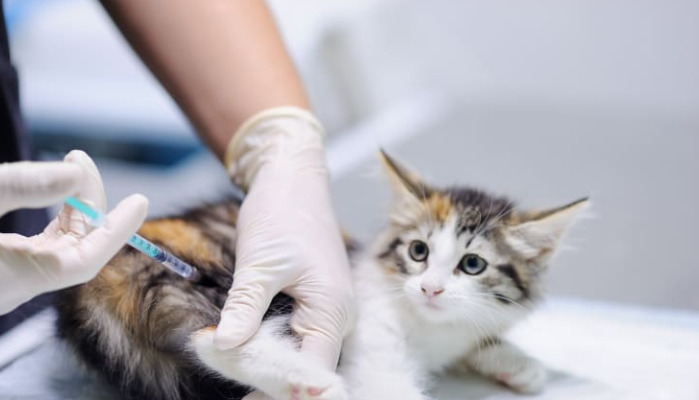
Vaccination? A vaccine exists but is not widely used due to variable efficacy. Instead, infection control and health management are prioritized.
Research on Immunology and FIP
Ongoing research focuses on interferon therapy, cytokine modulation, and genetic mapping to decipher why some cats’ immune systems fail to contain FIPV. Understanding correlations between immunity genes and disease outcomes will help develop targeted therapies and preventive strategies.
FIP and the Broader Picture of Feline Immunity
FIP highlights the complexity of feline immunity: too little response invites infection, while too much response causes disease after infection. Broaching feline immunity through the lens of FIP reveals new pathways for research into other infectious, autoimmune, and inflammatory feline illnesses.
References
1. Pedersen, N. C. (2014). An update on feline infectious peritonitis: Diagnostics and therapeutics. _The Veterinary Journal, 201_, 133–141.
2. Kipar, A., & Meli, M. L. (2014). Feline infectious peritonitis: Still an enigma? _Veterinary Pathology, 51_(2), 505–526.
3. O'Brien, M. A., & Lappin, M. R. (2020). Feline infectious peritonitis: Pathogenesis and new treatment options. _Journal of Feline Medicine and Surgery, 22_(4), 307–315.
4. Takano, T., Hohdatsu, T., & Tomoda, M. (2021). Advances in the diagnosis and treatment of feline infectious peritonitis. _Viruses, 13_, 808.
5. Vennema, H., Poland, A., Foley, J., & Pedersen, N. C. (1998). Feline infectious peritonitis viruses arising by mutation from endemic feline enteric coronaviruses in cat populations. _Virology, 243_(1), 150–157.
6. Fischer, Y., & Schwemmle, M. (2020). Feline infectious peritonitis—a review of recent developments regarding diagnostics and therapy. _Viruses, 12_, 1048.
7. Tasker, S. (2018). Diagnosis of feline infectious peritonitis: Update on evidence supporting available tests. _Journal of Feline Medicine and Surgery, 20_(3), 228–243.
8. Freiche, V., Cassart, D., & Heripret, D. (2003). Feline infectious peritonitis. _Point Veterinaire, 34_(233), 41–47.
9. Chang, H. W., Egberink, H. F., & Rottier, P. J. (2012). Feline infectious peritonitis virus—Replication and pathogenesis. _Viruses, 4_(7), 1505–1530.
10. Soma, T., & Takano, T. (2022). Antiviral therapies for feline infectious peritonitis. _Frontiers in Veterinary Science, 9_, 823272.