Does FIP Affect a Cat’s Energy and Mobility
Feline Infectious Peritonitis (FIP) is a devastating condition, widely recognized for its impact on domestic cats. Manifesting primarily from a mutation of feline enteric coronavirus (FECV), FIP produces a wide spectrum of clinical signs, many of which relate directly to a cat’s physical energy and mobility. This article evaluates the relationship between FIP pathogenesis and its consequences on the quality of life, specifically focusing on energy and locomotion. Integrating case studies, veterinary literature, and owner reports, this comprehensive review offers clarity for pet owners and veterinary professionals seeking actionable knowledge about FIP’s impact.
FIP remains a significant concern for cat owners, breeders, and veterinarians across the United States and globally. The condition’s unpredictable progression combined with its potentially fatal outcomes makes it one of the most studied feline diseases. Several hallmark signs of FIP involve a marked decline in activity and evident mobility impairments. Understanding how this disease undermines a cat’s ability to move and maintain its usual energy levels holds vital importance for early recognition, supportive care, and disease management.
FIP Pathophysiology Overview
FIP develops when the typically benign feline enteric coronavirus (FECV) undergoes an in vivo mutation. This genetic alteration enables the virus to replicate in macrophages and disseminate throughout the body. The result is a complex, multisystemic inflammatory response, frequently affecting the peritoneum, thoracic organs, central nervous system, and eyes. FIP occurs in two primary forms: effusive (wet) and non-effusive (dry). Both variants can severely diminish a cat’s energy and mobility, albeit through varied mechanisms.
How FIP Disrupts Energy Levels
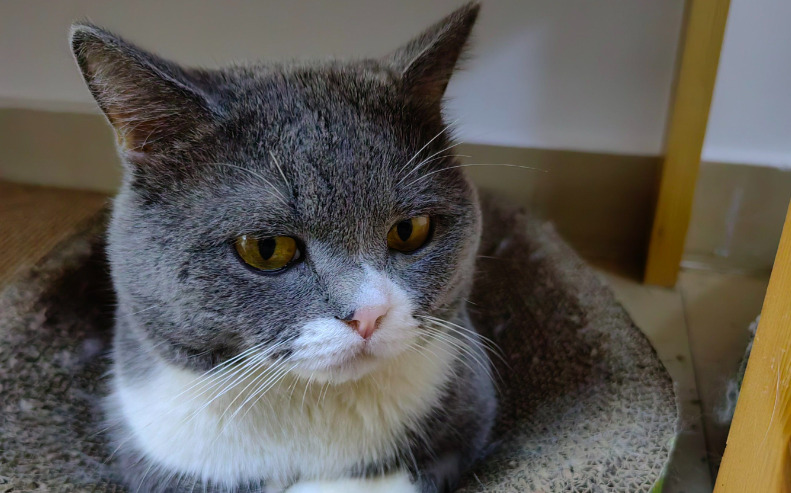
One of the most notable early signs of FIP is lethargy. Cats affected by FIP often display a pronounced decrease in activity, preferring to rest and sleep far more than usual. This lethargy is not simply a change in temperament; it emerges directly from the body’s response to systemic viral infection and inflammation.
Systemic Inflammation: The immune system tries to contain the mutated virus, leading to cytokine release and inflammation. This causes fever, malaise, and general discomfort, leaving cats feeling exhausted.
Poor Nutrient Absorption: In many cases, FIP inflames the gastrointestinal tract, interfering with appetite and nutrient uptake. The body’s inability to process food effectively leads to weakness and fatigue.
Anemia: Chronic illness with FIP often results in anemia due to decreased red blood cell production and increased destruction. A lower red blood cell count weakens the cat, reducing endurance and activity.
Impact on Mobility: Effusive vs. Non-Effusive Forms
Mobility impairment in cats with FIP varies based on the dominant disease form.
Effusive (Wet) FIP:
Characterized by fluid accumulation in the abdomen (ascites) or chest (pleural effusion), wet FIP can physically restrict a cat’s ability to move comfortably.
Abdominal Distension: When fluid accumulates in the abdomen, it creates pressure on internal organs, making movement uncomfortable. Cats may display hesitant or altered gait to avoid discomfort.
Difficulty Breathing: Pleural effusion limits lung expansion, so cats become more reluctant to move to avoid breathlessness.
Non-Effusive (Dry) FIP:
Dry FIP is less dramatic in terms of fluid build-up but can affect internal organs, joints, and even the nervous system.
Arthritis or Joint Pain: Granulomas and inflammatory lesions may develop in joints, leading to stiffness and pain. Cats may limp or show reluctance to jump or climb.
Neurological Signs: When FIP invades the brain or spinal cord, symptoms include ataxia (unsteady gait), paralysis, tremors, and loss of coordination. This drastically reduces mobility, sometimes rendering cats unable to walk.
FIP and Daily Activity Patterns
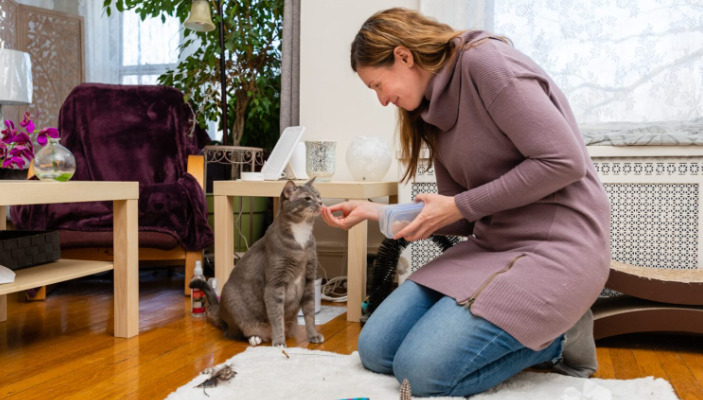
Cats with FIP often exhibit significant changes to their daily routines. Owners might observe decreased interest in play, grooming, or exploration. Energy conservation becomes central to their behavioral adaptation, with affected cats sleeping longer and interacting less. Subtle signs include taking longer to rise from rest, slow response to stimuli, and hesitancy in climbing stairs or jumping on furniture.
Case Studies and Owner Experiences
Personal accounts from cat owners whose pets have suffered from FIP consistently highlight energy decline as one of the first observed symptoms. Reports detail cats abandoning favorite toys, losing interest in interactive play, and spending prolonged periods isolated in quiet corners. Mobility challenges are often described as gradual at first: hesitant steps, difficulty navigating obstacles, and a reluctance to jump up or down.
Veterinary case histories support these observations. One example from a New York feline specialty clinic recounts a 2-year-old Maine Coon presenting with abdominal swelling and noticeable reluctance to walk. Ultrasonography revealed a distended abdomen filled with effusive fluid, severely impacting mobility. Similarly, FIP cases with neurological involvement frequently show sudden onset of wobbliness or partial paralysis.
Clinical Findings: Energy and Mobility Assessment
Veterinarians utilize a combination of owner reports and physical examination to assess energy and mobility in FIP suspects.
Physical Exam: Reduced muscle strength, poor body condition, and signs of pain during joint manipulation are commonly detected.
Gait Assessment: Cats may walk with a stiff, hunched posture, or show evidence of “knuckling” where the paw drags due to neurological involvement.
Activity Monitoring: Some clinics employ digital collars or video analysis to quantify changes in movement frequency and distance, providing objective documentation of activity decline.
Laboratory diagnostics often reveal anemia, elevated inflammatory markers, and abnormal protein levels—all correlating with diminished energy.
Why FIP Affects Energy and Mobility So Severely
The mechanisms behind FIP’s impact are complex, involving immune system dysregulation, multisystem organ damage, and direct viral effects.
Immune-Mediated Damage: The immune system’s response to mutated coronavirus drives the inflammation that disrupts normal cell and organ function, draining energy reserves.
Organ Dysfunction: Damage to the liver, kidneys, or lungs directly impairs metabolic function, robbing cats of vitality.
Pain and Discomfort: Fluid accumulation, swelling, and neurological lesions cause physical discomfort, discouraging movement and exercise.
Differential Diagnosis: Distinguishing FIP from Other Causes of Lethargy and Mobility Issues
Not all cats with low energy or mobility changes have FIP. Common alternative diagnoses include:
Arthritis or degenerative joint disease
Chronic kidney disease
Heart disease (which can also cause abdominal or thoracic fluid accumulation)
Diabetes mellitus
Hyperthyroidism (usually causes increased activity, but advanced cases may show lethargy)
Veterinarians distinguish FIP through a combination of history, clinical signs, laboratory tests (complete blood count, serum chemistry, protein levels), and advanced diagnostics such as PCR or immunohistochemistry.
Treatment Implications: Improving Energy and Mobility
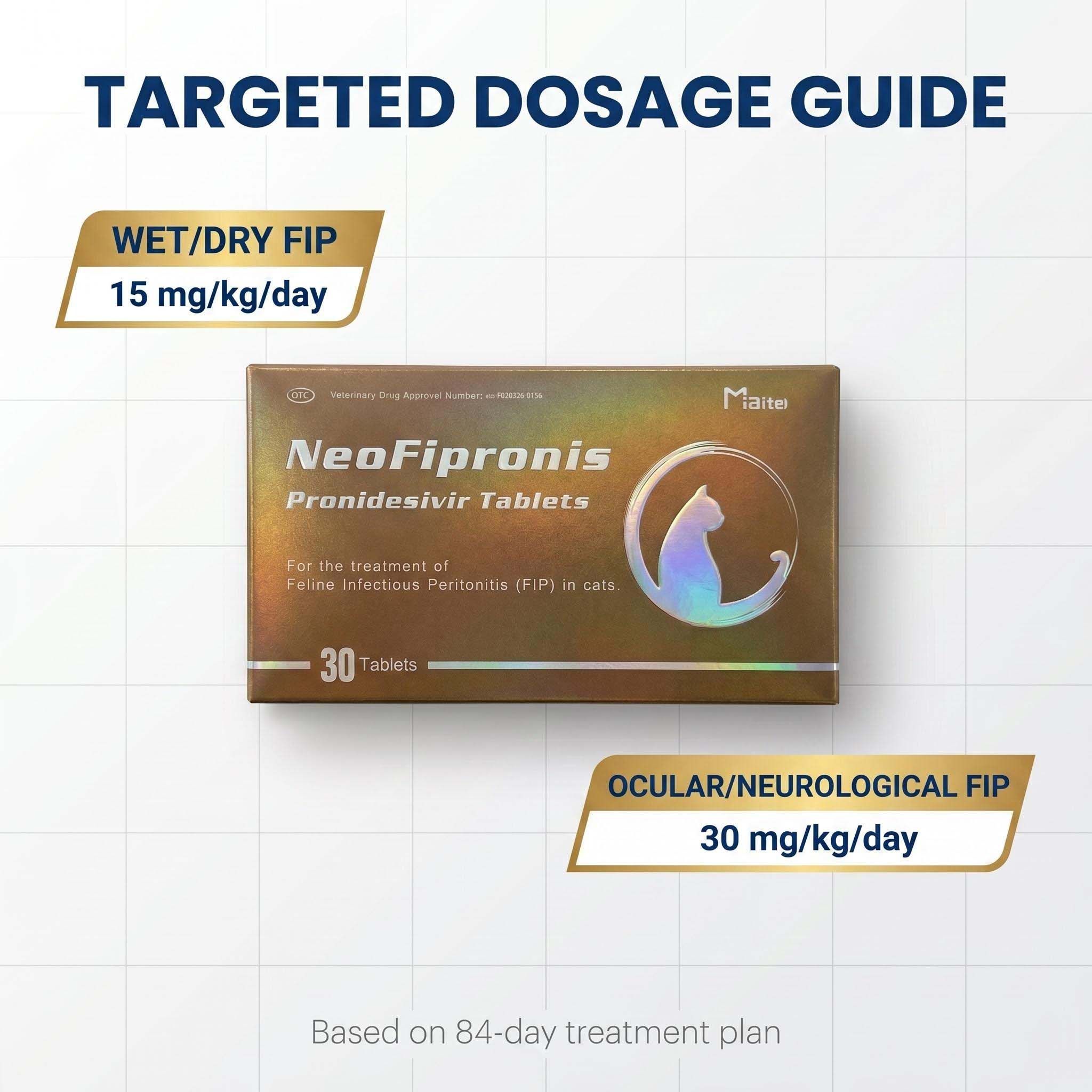
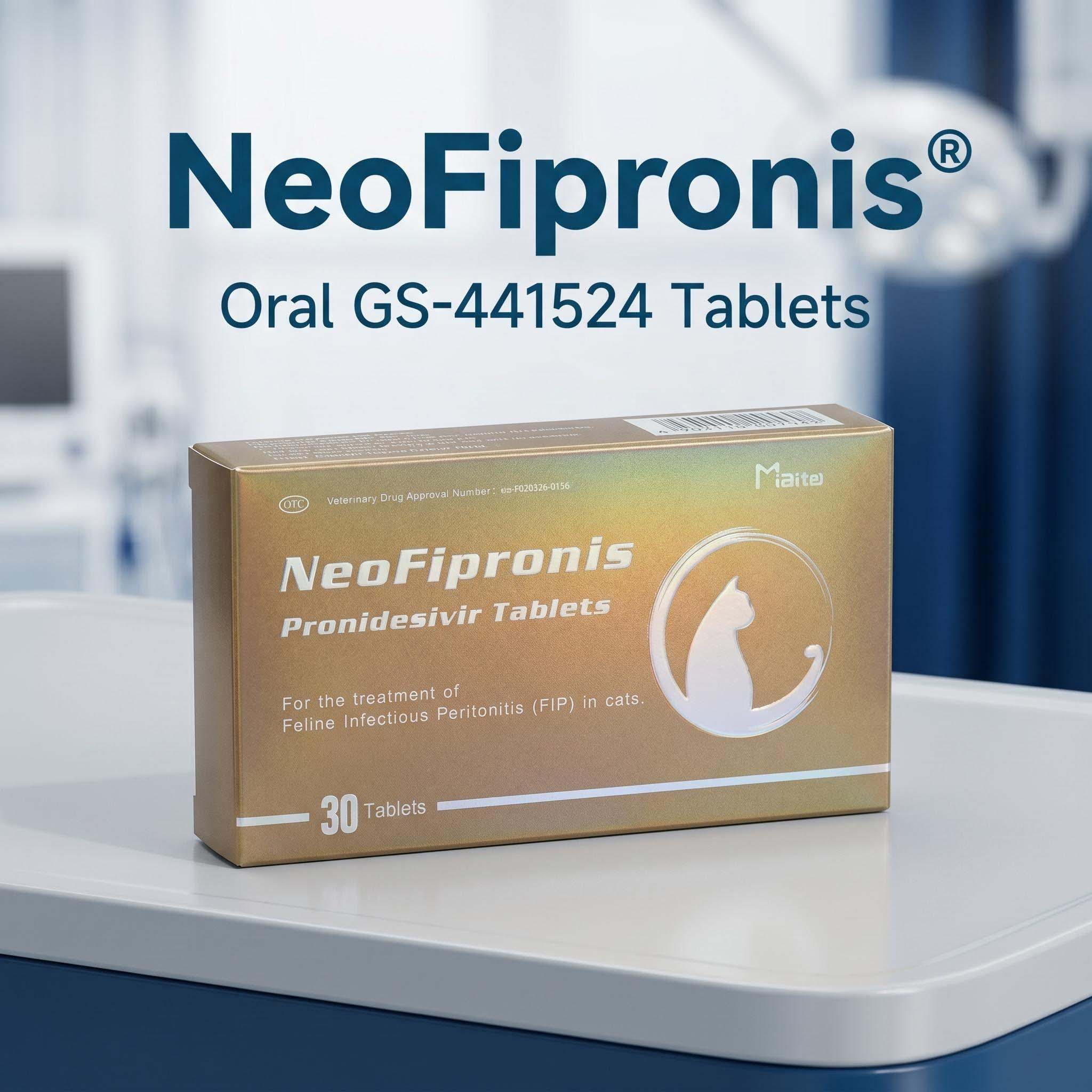
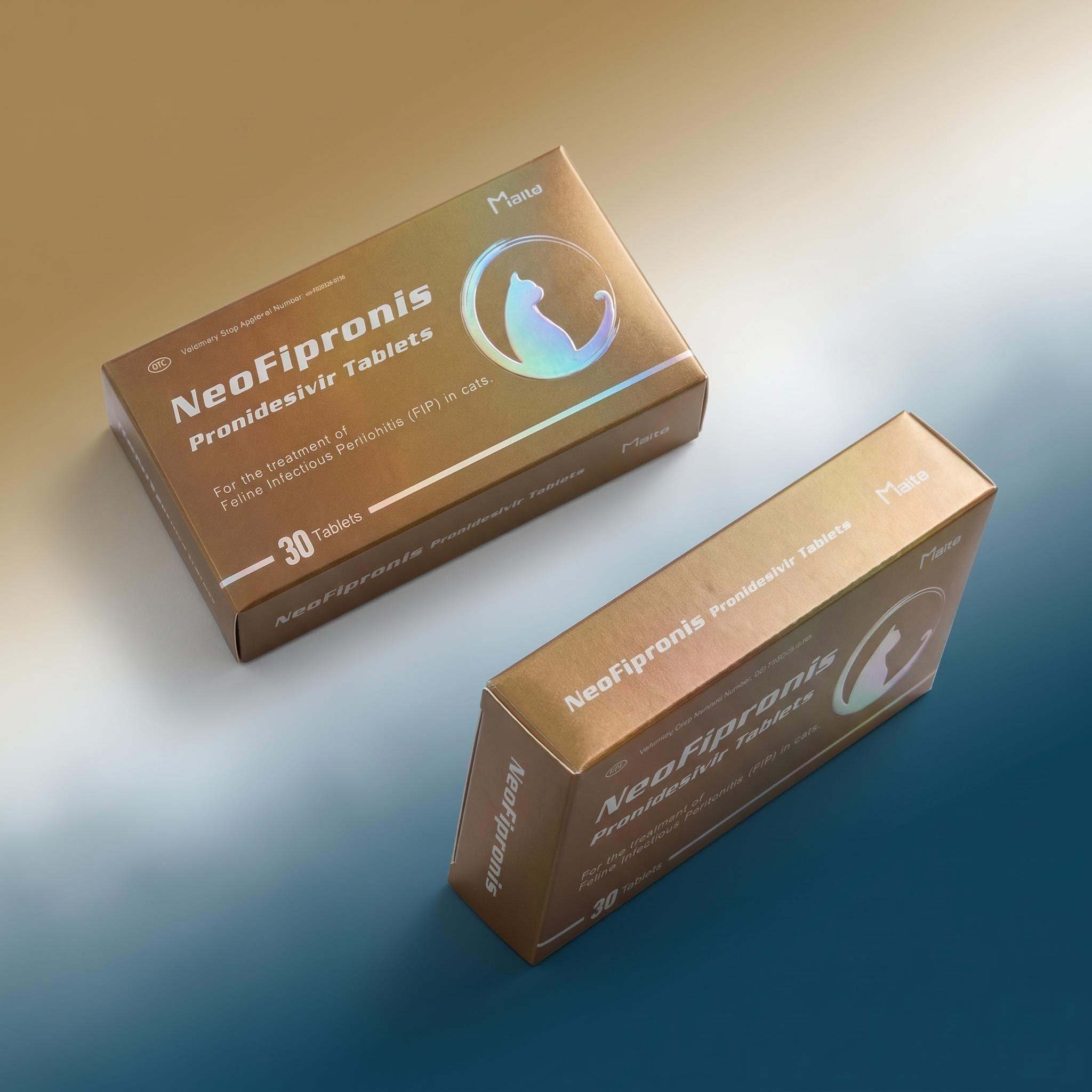
Until very recently, FIP was considered universally fatal. However, groundbreaking antiviral drugs like GS-441524 and remdesivir have yielded survival rates in some cases. Treatment often involves:
Antivirals: Emerging therapies are designed to suppress coronavirus replication, which can restore energy and mobility if started early enough.
Supportive Care: Fluids, anti-inflammatories, pain medications, and nutritional support all contribute to improving a cat’s strength and willingness to move.
Physical Therapy: In cases with residual neurological deficits, gentle physical therapy can help preserve range of motion and slow physical decline.
Owners are advised to closely monitor cats for subtle changes in energy and movement, as these markers often predict the underlying disease course.
Long-Term Outlook for Affected Cats
Recovery of energy and mobility in cats with FIP depends on several variables:
Stage at diagnosis: The earlier the intervention, the better the outcome.
Disease form: Wet FIP tends to progress rapidly, while dry FIP may allow for longer palliative management.
Access to treatment: Availability and affordability of antivirals vary considerably by region.
Some cats who survive FIP with treatment do regain near-normal energy and mobility, though others may be left with persistent weakness or occasional relapses. Quality of life can be dramatically improved with early recognition and intervention.
Preventive Strategies and Awareness
While direct prevention of FIP is not yet possible, several steps can reduce the risk:
Reduce overcrowding in multi-cat households or shelters
Promote regular veterinary check-ups for early detection
Isolate and test cats purchased from breeders, especially in regions with high FIP prevalence
Owner education is crucial. Recognizing subtle changes in energy or mobility may serve as one of the earliest warnings of serious disease, helping prompt timely veterinary assessment.
References
1. Pedersen, N.C. (2009). "A review of feline infectious peritonitis virus infection: 1963–2008". Journal of Feline Medicine and Surgery, 11(4), 225-258.
2. Kipar, A., & Meli, M.L. (2014). "Feline infectious peritonitis: still an enigma?" Veterinary Pathology, 51(2), 505-526.
3. Dickinson, P.J., et al. (2020). "Antiviral treatment of cats with naturally occurring feline infectious peritonitis". Journal of Veterinary Internal Medicine, 34(4), 1587-1593.
4. Hartmann, K. (2005). "Feline infectious peritonitis". Veterinary Clinics of North America: Small Animal Practice, 35(1), 39-79.
5. Addie, D.D., et al. (2020). "Feline Infectious Peritonitis (FIP) and Antiviral Therapy Current Status". Viruses, 12(3), 250.
6. U.S. Food and Drug Administration. (2023). "FIP Treatments: A Review of Antiviral Medications for Companion Animals". FDA Public Reports.
7. Riemer, F., et al. (2016). "Clinical and Laboratory Features of Feline Infectious Peritonitis". Journal of Feline Medicine and Surgery, 18(6), 548-558.
8. Hosie, M.J., et al. (2013). "Feline infectious peritonitis: Abbreviated guidelines and protocols". American Association of Feline Practitioners.
9. American Veterinary Medical Association (AVMA). (2022). "FIP in Cats: Diagnosis, Management, and Outlook". AVMA Guidelines.