Should Cats Receive Vaccinations During FIP Treatment
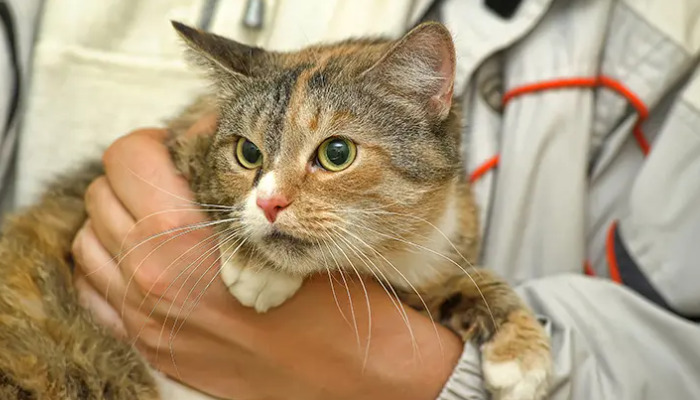
Feline Infectious Peritonitis (FIP) is a devastating disease in cats caused by certain mutated strains of the feline coronavirus (FCoV). While many cats carry harmless strains of coronavirus, FIP occurs when the virus mutates within the host, leading to severe inflammation and a typically fatal outcome. Managing a cat diagnosed with FIP presents significant challenges, and one key consideration is whether vaccinations are appropriate or beneficial during treatment.
Understanding FIP and Its Pathogenesis
FIP develops when the feline coronavirus, usually a benign enteric virus, mutates and gains the ability to invade macrophages, immune cells responsible for engulfing pathogens. This mutation triggers an uncontrollable immune response, leading to widespread inflammation within the abdomen, chest, or other organs. Symptoms often include weight loss, fever, abdominal distension, and neurological signs, with a generally poor prognosis.
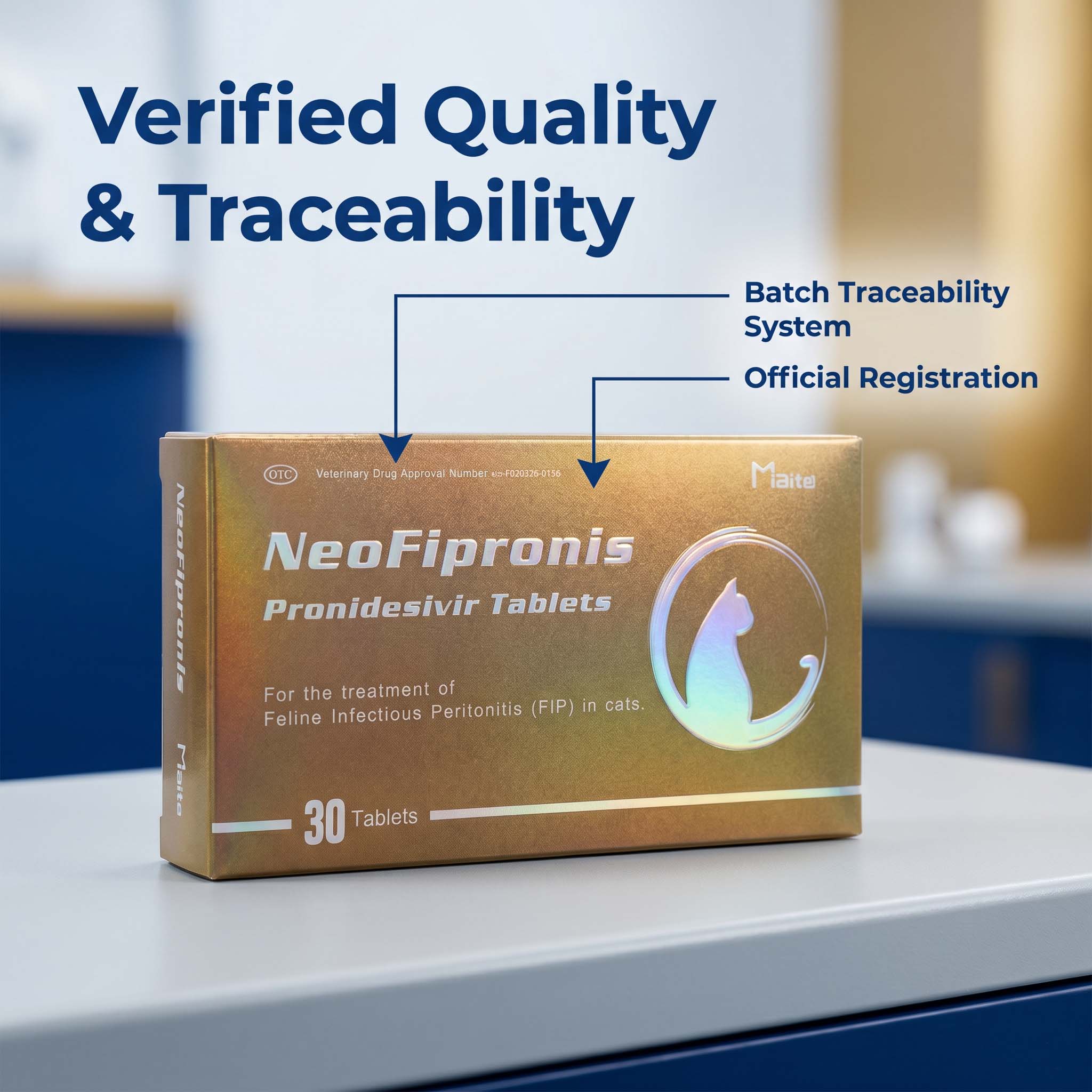
While there is no definitive cure for FIP, recent advances have introduced antiviral drugs and immunomodulators that can prolong life and improve quality of life. In these contexts, questions about vaccination arise: Should vaccination be continued or initiated during FIP treatment? What are the benefits and risks associated with vaccinating cats already diagnosed with or suspected of having FIP?
Vaccinations and FIP: Current Protocols and Concerns
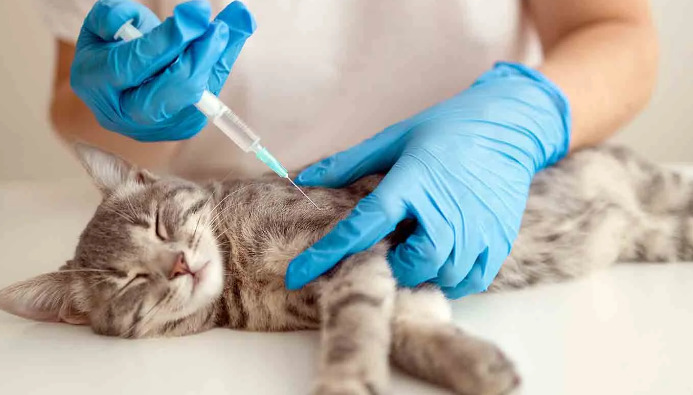
Traditionally, vaccination against feline coronavirus (FCoV) is recommended for kittens and cats living in multi-cat environments with high exposure risk. The primary vaccine available is the intranasal FCoV vaccine, designed to stimulate mucosal immunity and reduce viral shedding. However, its efficacy in preventing FIP remains controversial, and it is not universally recommended for all cats.
In cats diagnosed with FIP or undergoing treatment, the decision to vaccinate becomes complex. The primary considerations include:
Immune System Status: FIP involves an exaggerated immune response, and vaccination typically aims to enhance immune defenses. However, in cats with active FIP, their immune system is already compromised or dysregulated, raising concerns that vaccination may not have the intended protective effect and could potentially exacerbate immune-mediated pathology.
Potential for Vaccine-Related Immune Enhancement: Some vaccines carry the theoretical risk of immune enhancement, where vaccination might intensify the disease process, especially if the immune response is already dysregulated by FIP.
Current Evidence: Scientific data on vaccinating cats during FIP treatment are limited. Most guidelines advise against initiating or continuing FCoV vaccination once FIP has been diagnosed, due to the uncertain benefits and possible risks.
Balancing Risks and Benefits
Deciding whether to vaccinate a cat during FIP treatment should involve a careful evaluation of the individual case. Some key points include:
Pre-Diagnosis Vaccination History: If the cat was vaccinated against FCoV before FIP diagnosis, it is generally recommended not to revaccinate during ongoing treatment. The existing vaccine's protective effect is uncertain in already infected or affected cats.
Exposure Risk: For cats living in high-risk environments (e.g., multi-cat households or shelters), maintaining vaccination against other common feline pathogens such as calicivirus, herpesvirus, or rabies may be vital. However, FCoV vaccination specifically may be withheld due to limited evidence of benefit during active FIP.
Alternative Preventive Measures: Focus should be on minimizing stress, controlling environmental factors, and reducing exposure to new risks while managing FIP. Enhanced hygiene and stress reduction can be more effective in such cases.
Emerging Research and Future Directions
Recent research efforts aim to develop more effective vaccines and treatments for FIP. Advances include cell-based vaccines and antiviral drugs like GS-441524, which shows promising results. As our understanding improves, vaccination protocols may evolve to better suit cats with FIP or at risk of developing it.
Until then, most veterinary experts agree that routine vaccination during FIP treatment is generally not advisable. Instead, supportive care, antiviral therapy, and environmental management form the cornerstone of FIP management, with vaccination playing a limited or suspended role during active disease.
Ethical and Practical Considerations
Clinicians face ethical dilemmas when advising pet owners about vaccination in the context of FIP. It’s crucial to communicate that vaccinations are primarily preventative, and their utility during active FIP management is uncertain. Emphasizing comprehensive care and following current veterinary guidelines ensures that cats receive the most appropriate treatment plan.
Conclusion
In summary, current evidence and expert consensus suggest that cats undergoing treatment for FIP should not receive additional FCoV vaccinations. The focus should remain on supportive therapies and antiviral medications, as vaccination during active disease may not provide benefits and could carry risks. As ongoing research continues to shed light on FIP prevention and treatment, future protocols may adapt accordingly.
References
1. Pedersen, N. C. (2014). An update on feline infectious peritonitis: Towards a vaccine. Advances in Veterinary Medicine, 66, 195-209.
2. Felten, S., et al. (2017). Feline coronavirus: Pathogenesis and vaccine development. Veterinary Microbiology, 217, 122-130.
3. Day, M. J. (2012). Feline infectious peritonitis: European Advisory Board on Cat Diseases guidelines. Journal of Feline Medicine and Surgery, 14(4), 242-245.
4. Bexfield, N., & Ward, C. (2018). An update on feline coronavirus and feline infectious peritonitis virus: Diagnostics and vaccine development. Veterinary Journal, 240, 14-22.
5. Pedersen, N. C., et al. (2020). Antiviral therapy of feline infectious peritonitis, a review. Viruses, 12(1), 89.