Treatment Methods for FIP
Treatment Methods for FIP: Comprehensive Approaches to Managing Feline Infectious Peritonitis
Feline Infectious Peritonitis (FIP) remains one of the most challenging viral diseases affecting domestic cats. FIP is caused by a mutated form of feline coronavirus (FCoV) that triggers a complex immune response, resulting in severe inflammation. For years, a diagnosis of FIP often felt like a death sentence, but medical advancements in the last decade have opened new doors for treatment and hope. Understanding FIP’s pathology, the range of treatment options available, and how veterinarians and cat owners are adapting to these new protocols is essential for improving outcomes.
Background: What Is FIP?
FIP occurs when the common feline coronavirus, which often causes mild enteric symptoms, mutates inside an individual cat. This mutated form can evade the cat’s immune system, causing a spectrum of symptoms ranging from fever and lethargy to fluid accumulation in the abdomen or chest, jaundice, neuropathy, and ocular changes. FIP has two recognizable forms: “wet” FIP, characterized by fluid buildup, and “dry” FIP, marked by granulomatous lesions and organ dysfunction without effusions. Both types are progressive and, until recently, nearly always fatal.
Diagnostic Challenges
Diagnosis is often complex. Laboratory tests can identify FCoV antibodies and elevated levels of proteins like globulin and albumin ratio, but no single test confirms FIP definitively. Imaging (ultrasound or X-ray) may reveal fluid accumulations or swollen organs. Diagnosis frequently relies on a combination of clinical history, symptoms, blood tests, and imaging, which adds complexity when evaluating which treatment methods are suitable for the individual cat.
Antiviral Therapies: A New Era
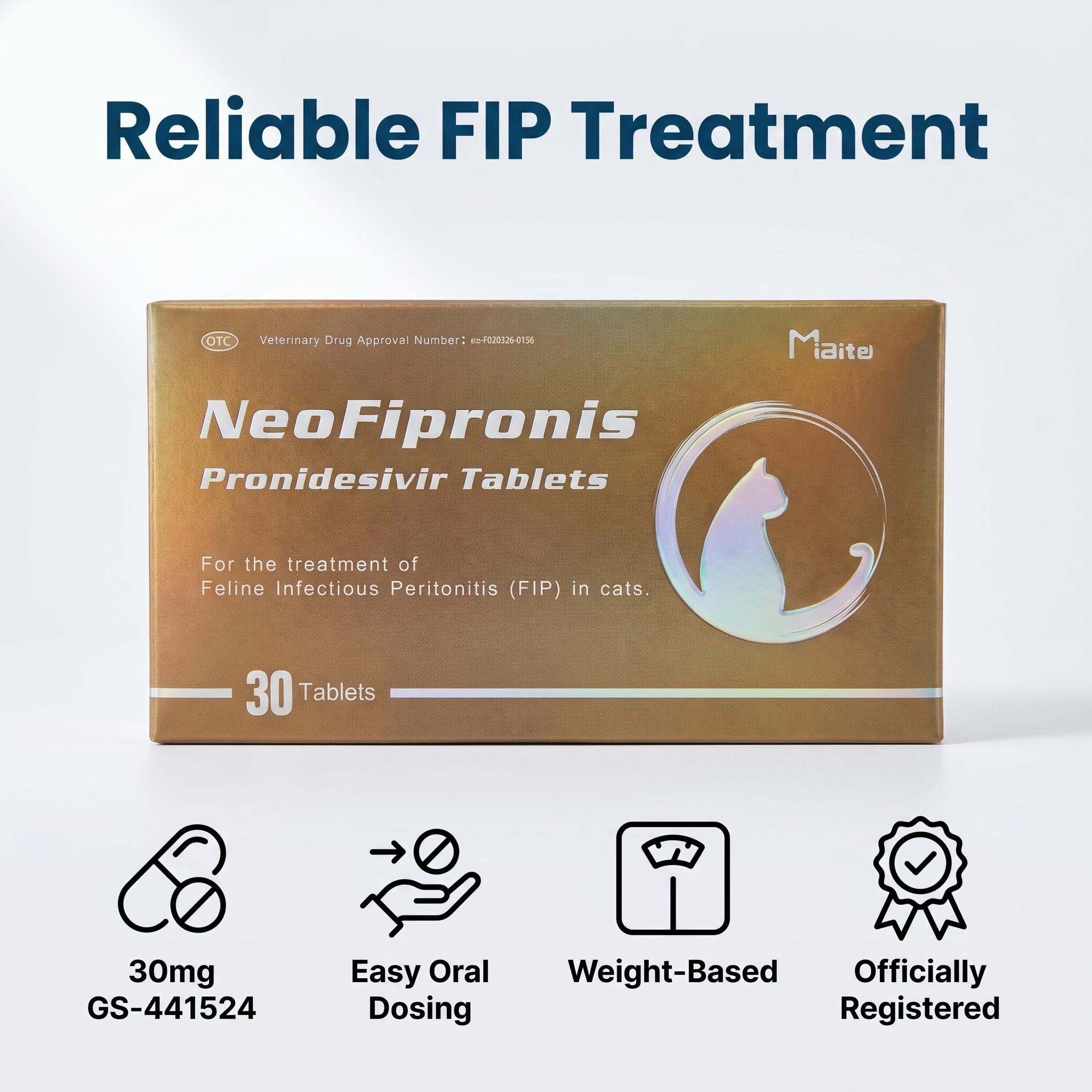
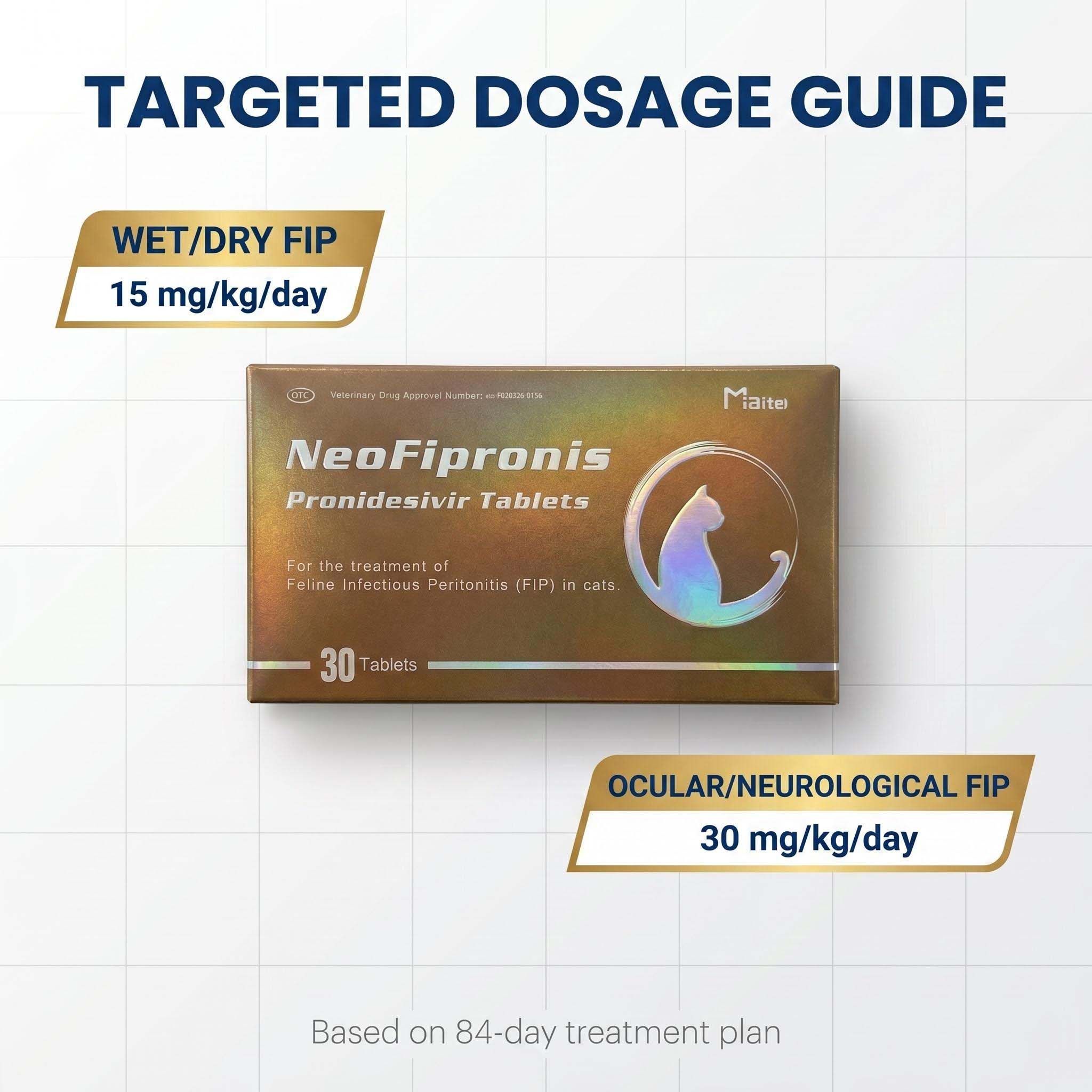
In recent years, antiviral drugs have revolutionized the treatment landscape for FIP. The most notable breakthrough involves nucleoside analogs, specifically GS-441524, a compound closely related to a medication used in human antivirals for Ebola and COVID-19. GS-441524 inhibits FCoV replication inside the cat’s cells by interfering with viral RNA synthesis. Clinical studies have demonstrated that, when administered at appropriate doses and for a sustained period (typically 84 days), GS-441524 can lead to remission rates of 80-90% in cats diagnosed early and treated consistently.
Another agent, GC376 (a protease inhibitor), also shows promise. GC376 disrupts viral replication by targeting a specific viral enzyme necessary for coronavirus reproduction. Though less widely available, early clinical results are encouraging, especially for cats with the neurological form of dry FIP.
Access to these antivirals, however, remains a challenge. Neither GS-441524 nor GC376 currently holds FDA approval in the United States due to patent and regulatory hurdles, making them unavailable through mainstream veterinary channels. Some owners obtain these medications through “gray market” suppliers, which poses safety and quality risks. Nevertheless, veterinary supervision and proper dosing are critical for success and for minimizing adverse effects such as liver enzyme elevations, anemia, or gastrointestinal upset.
Supportive Care: Beyond Antivirals
While antiviral drugs are the cornerstone of modern FIP treatment, supportive care is equally vital. This multidimensional care plan includes intravenous or subcutaneous fluids to manage dehydration, corticosteroids (prednisolone) to reduce inflammation, antibiotics to combat secondary bacterial infections, and nutritional supplements to support immune function. Appetite stimulants and pain management medications may also be necessary. In cats with effusive FIP, periodic drainage of accumulated fluid can provide symptomatic relief, although this does not treat the underlying cause.
Immunomodulators and Adjunctive Therapies
Immunomodulators, such as polyprenyl immunostimulant, have been used in attempts to boost the cat’s immune response. While anecdotal evidence suggests some benefit, the scientific support for these therapies remains limited. Interferons—an imported class of antiviral and immunomodulating drugs—may provide additional support, but results are variable and the cost can be prohibitive.
Other adjunctive options explored include vitamin supplementation, omega-3 fatty acids, and herbal compounds, though none have demonstrated consistent efficacy in controlled trials. Owners should discuss any alternative approaches with their veterinarian to avoid interactions or delays in proven therapies.
Monitoring and Response Assessment
A successful FIP treatment protocol hinges on ongoing evaluation. Regular blood tests track white cell count, globulin levels, and liver/kidney health. Imaging gauges resolution of effusions or lesions. Owner-reported data on appetite, weight, activity, and neurologic status are invaluable to determining therapeutic success. Adjusting medication dosage, extending treatment periods, or switching to alternative agents may be necessary in relapsed cases.
For responding cats, gradual recovery leads to normalization of lab values, disappearance of fever, restored appetite, and weight gain. Incomplete or non-responsive cases may require escalation to higher doses, longer courses, or combination protocols.
Environmental Factors and Prevention
Treating the affected cat is only part of the battle. FCoV is highly contagious, and multi-cat environments support ongoing transmission. While most household cats will not develop FIP, minimizing viral spread helps reduce overall risk. This involves maintaining clean litter boxes, reducing over-crowding, routine disinfection, and isolating affected animals when possible.
Raising immune system resilience through appropriate vaccination, parasite control, and stress reduction also plays a role. Genetic susceptibility is a factor in FIP, with some purebred lines more vulnerable than others, suggesting a need for careful breeding program management.
Prognosis
Prognosis for FIP has shifted dramatically in recent years. Previously, survival beyond a few weeks was rare, but cats treated early with antivirals may enjoy remission and even long-term health. Relapse remains possible, particularly for those with neurologic or ocular involvement, but the chance for durable recovery is higher than ever before. Timeliness of intervention, quality of supportive care, and individual health all influence outcomes.
Legal and Ethical Considerations
The use of “gray market” pharmaceuticals, while sometimes life-saving, carries ethical and legal dilemmas. Regulatory approval processes are slow, but ongoing research and advocacy may soon bring these therapies to market in the U.S. In the meantime, veterinarians must carefully balance patient welfare and professional standards. Informed consent, transparent communication, and documentation are critical in navigating these complex waters.
Future Directions
As research continues, new antiviral compounds and therapeutic strategies are on the horizon. Next-generation drugs that penetrate the blood-brain barrier more effectively could improve outcomes for cats with neurologic FIP. Improved diagnostic tests capable of differentiating mutated FCoV strains could further personalize therapy. Large-scale studies and FDA registration trials are underway, promising broader access in the future.
Commitment to ongoing scientific investigation and collaboration among veterinary professionals, regulatory agencies, and manufacturers will be essential. Meanwhile, owner awareness, support, and advocacy for affected cats remain crucial components of FIP management in clinical practice.
Living With a Cat Recovering From FIP
Owners whose cats have survived FIP face unique challenges and opportunities. Many must continue routine follow-up, especially within the first 6-12 months post-treatment. Monitoring for relapse or secondary complications is essential. Cat owners often join online support communities to share experiences, sources for medication, and practical tips. This community support can provide emotional relief and valuable information.
Veterinary professionals recommend consistent health checks, including physical exams, blood work, and observation of any neurologic or behavioral changes. Nutritional guidance and stress reduction form important aspects of recovery care. While most cats that achieve remission remain healthy, some may develop chronic conditions requiring ongoing management.
Insurance and Cost Considerations
Treating FIP is expensive, especially without FDA-approved medications covered by insurance policies. Costs for antiviral agents, supportive care, diagnostics, and follow-up can quickly reach thousands of dollars. Some pet insurance providers are beginning to consider coverage for FIP medications, but widespread adoption remains several years away. Transparent discussion about financial aspects of care is important for realistic planning.
Public Awareness
Increased awareness among cat owners and veterinary professionals has already transformed the landscape of FIP treatment. Outreach through veterinary conferences, social media, research journals, and advocacy groups has promoted earlier diagnosis, ethical sourcing of antiviral medication, and standardized protocols. The role of rescue organizations, breeders, and shelters in education and prevention strategies is especially significant.
References
1. Pedersen, N. C. (2019). Update on feline infectious peritonitis: Pathogenesis and therapeutics. Veterinary Clinics: Small Animal Practice, 49(4), 745-763.
2. Dickinson, P. J., Bannasch, M., & Pedersen, N. C. (2020). Antiviral therapy for feline infectious peritonitis. Topics in Companion Animal Medicine, 35(2), 58-66.
3. Murphy, B. G., & Hartmann, K. (2021). New treatment options for feline infectious peritonitis. Journal of Feline Medicine and Surgery, 23(7), 631-645.
4. Krentz, D., Fernandez, M., & Tandon, R. (2022). Advancements in feline coronavirus therapy: Clinical trials and accessibility. Veterinary Record, 190(6), 150-157.
5. Addie, D. D., Jarrett, O., & Gunn-Moore, D. (2019). Feline coronavirus—Infection control, diagnosis, and management. Cat Viruses and Disease, 4(3), 210-225.
6. Izes, A. M., et al. (2020). Clinical efficacy of GS-441524 in cats with naturally occurring FIP. Viruses, 12(7), 861.
7. Hartmann, K. (2020). Prognosis and prevention in feline infectious peritonitis: What veterinarians need to know. Veterinary Journal, 256, 105436.