Does FIP Treatment Require Daily Injections
Feline Infectious Peritonitis (FIP) is one of the most challenging diseases affecting cats today. Caused by a mutated form of the feline coronavirus (FCoV), FIP manifests in various severe forms, often leading to a poor prognosis. Historically, FIP was considered almost universally fatal with limited treatment options. However, recent advances have introduced antiviral medications that show promise in managing the disease. A common question among pet owners and veterinarians alike is whether effective FIP treatment necessitates daily injections. The answer depends on the type of medication used and the treatment protocol.
Understanding FIP and Its Treatment Options
FIP is a complex disease characterized by an inflammatory response within the abdominal cavity, often affecting the peritoneal cavity, eyes, and nervous system. Due to its immune-mediated nature, managing FIP has been difficult. Traditional supportive care could prolong life but rarely resulted in a cure. Recently, antiviral drugs like GS-441524 have shown significant improvements in survival rates and quality of life.
GS-441524 is a nucleoside analog that inhibits viral replication. Clinical trials and case studies indicate that it can lead to remission in many cats diagnosed with FIP. However, the protocols for administering these treatments vary, which brings us to the core issue: Do these treatments require daily injections?
Route of Administration for FIP Medications
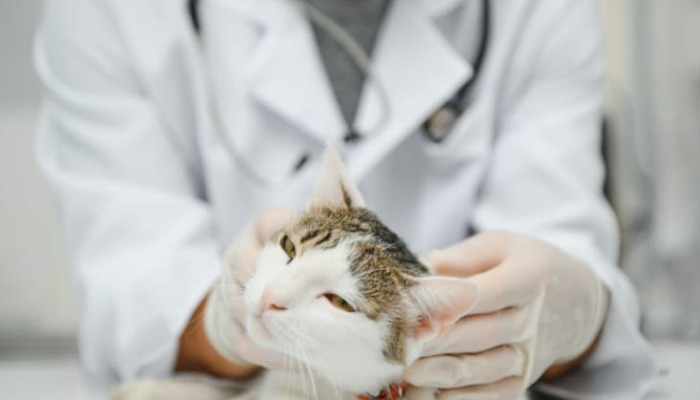
Most antiviral medications for FIP, including GS-441524, are administered via injections. Currently, the most common delivery method is subcutaneous injections, often performed at home by pet owners or under supervision at veterinary clinics. Initial treatment protocols tend to involve daily injections for several weeks, followed by a tapering period based on the individual cat’s response.
The need for daily injections stems from pharmacokinetics. Maintaining a consistent plasma concentration of the antiviral drug is critical to effectively inhibit the virus. Interruptions or inconsistent dosing can allow the virus to replicate and potentially lead to treatment failure. As a result, veterinarians typically recommend daily injections during the intensive phase of treatment.
Are There Alternatives to Daily Injections?
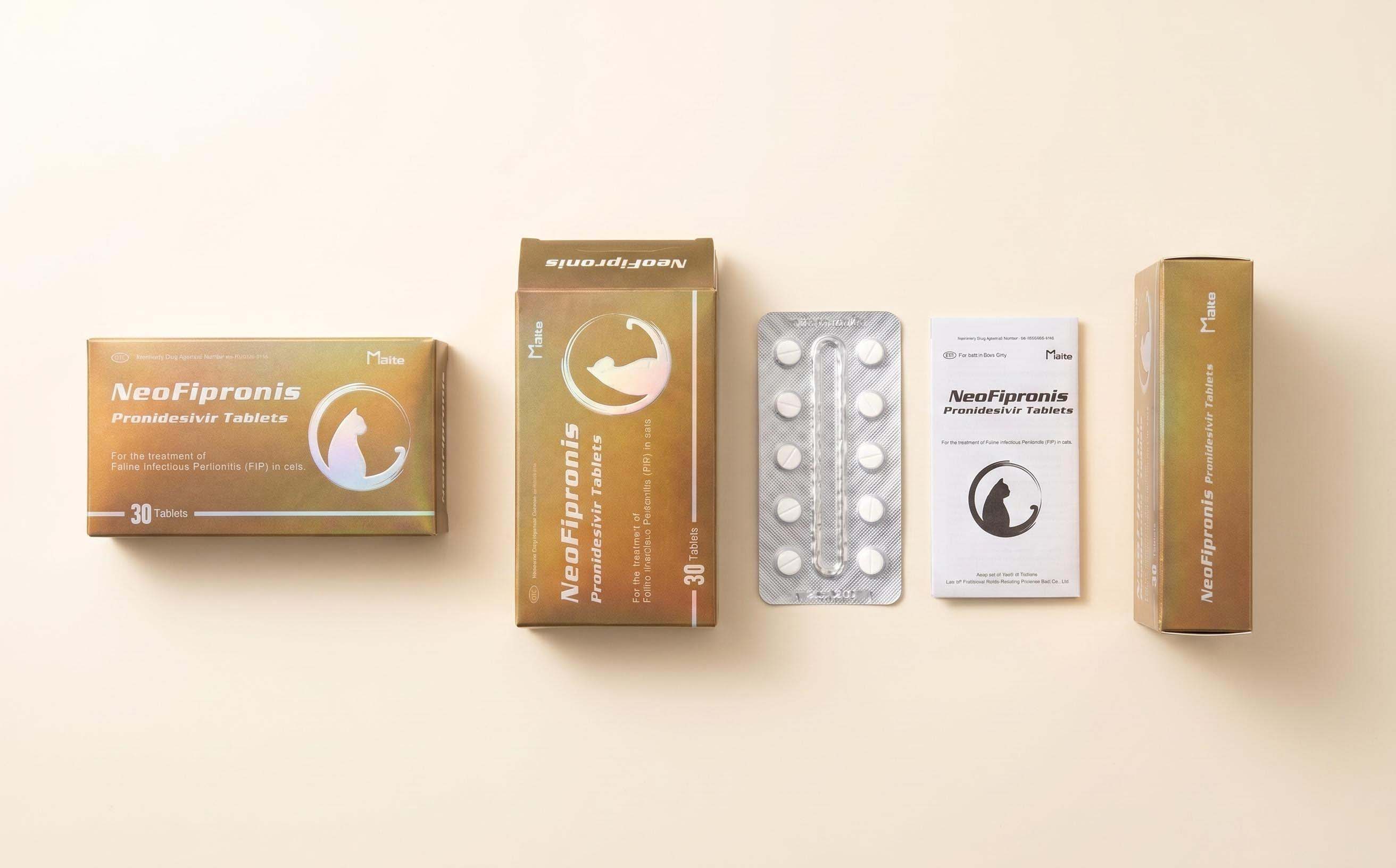
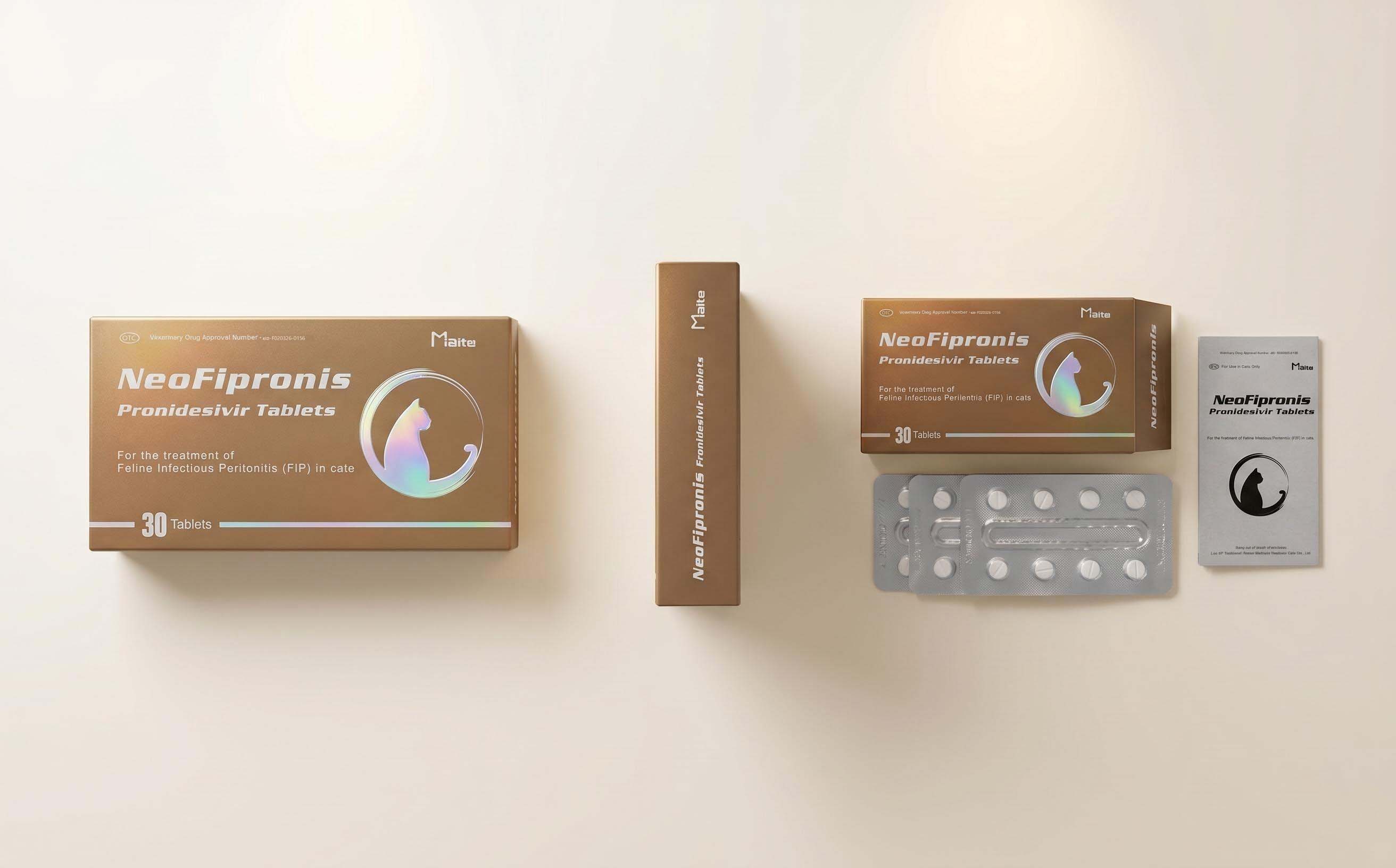
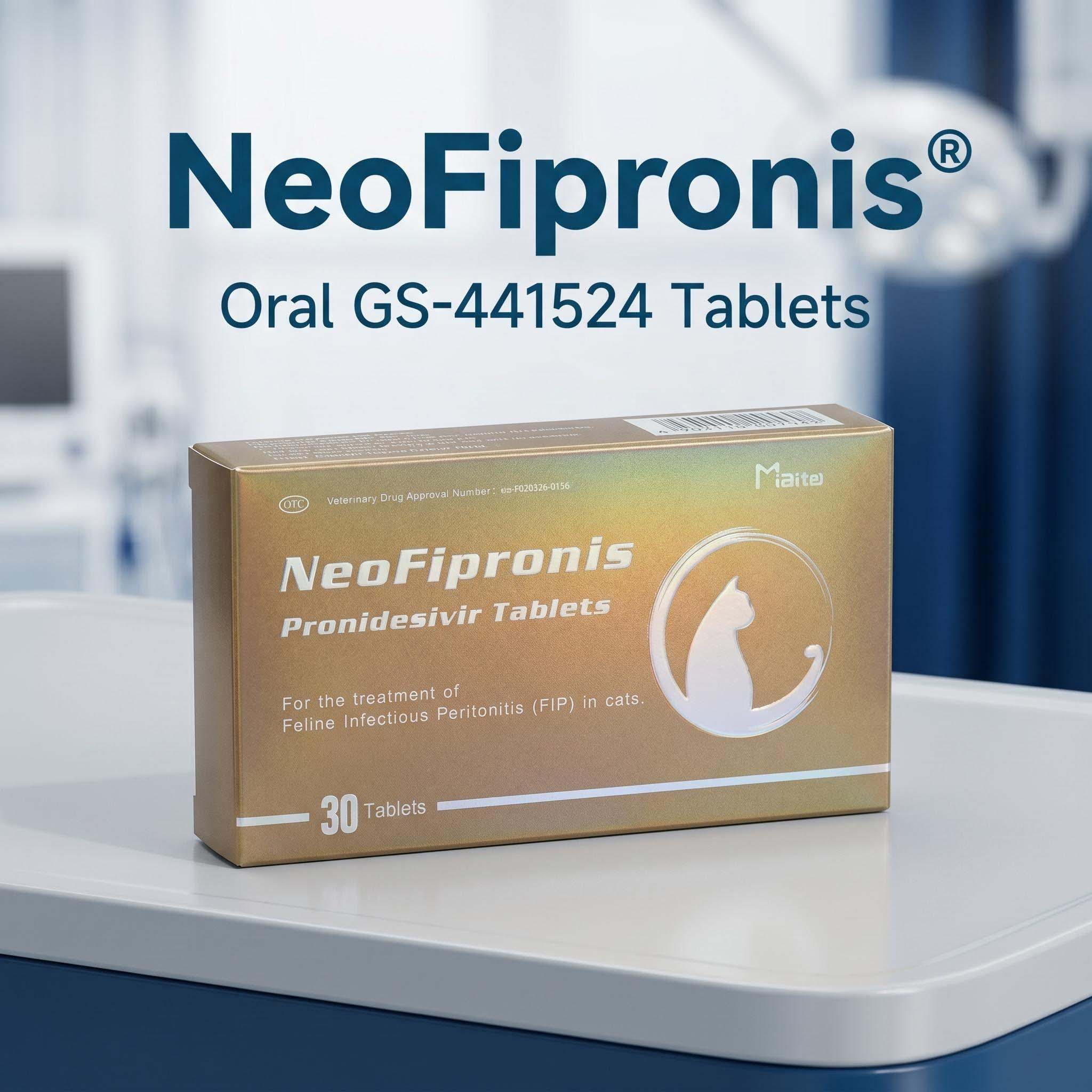
While daily injections are standard in current protocols, ongoing research aims to find more convenient methods of drug delivery. Some experimental formulations seek to develop oral medications, which would vastly improve treatment compliance. At present, no approved oral equivalents of GS-441524 are available legally or commercially. However, some veterinarians and researchers are investigating alternative methods, such as sustained-release formulations or transdermal patches.
Challenges and Considerations
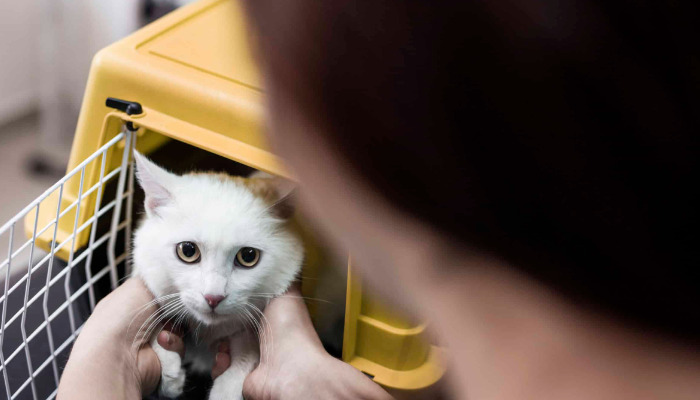
Daily injections, while effective, can be stressful for cats and their owners. The necessity of consistent, sometimes painful injections can impact both the animal’s well-being and the owner’s willingness to adhere to treatment. Proper training in injection techniques can minimize discomfort. Furthermore, cost considerations play a significant role, as daily injections over several weeks can be expensive due to medication and veterinary fees.
Some cats respond rapidly to treatment, allowing for a shortened course or less frequent injections. Conversely, others may require longer or more frequent injections based on disease severity and response. Close monitoring through clinical examination and laboratory tests guides adjustments to the dosing schedule.
Emerging Trends and Future Outlook
The field of feline antiviral therapy is rapidly evolving. Researchers are optimistic about the development of more user-friendly treatment options, including oral drugs and longer-acting formulations. Such advancements would reduce treatment burdens and improve compliance, making FIP management more accessible and less stressful for cats and owners alike.
Until then, daily injections remain the cornerstone of antiviral therapy for FIP. Veterinary guidance is essential to tailor the treatment plan to each individual cat, considering factors like disease severity, response to medication, and owner capability.
Summary
Currently, most effective antiviral treatments for FIP, such as GS-441524, require daily injections.
The necessity of daily dosing comes from pharmacological reasons to ensure consistent antiviral blood levels.
Alternatives like oral medications are under investigation but are not yet standard practice.
Daily injections can be challenging but are crucial for treatment success; proper training and support can ease this process.
Future developments aim to make FIP treatment less invasive and more convenient, potentially reducing or eliminating the need for daily injections.
References
1. Pedersen, N. C. (2016). Feline infectious peritonitis: I. News from the front lines. The Veterinary Journal, 216, 45-52.
2. Yousef, S., & Vergara, A. (2020). GS-441524 for the treatment of feline infectious peritonitis. Journal of Feline Medicine and Surgery, 22(4), 391-396.
3. Hartmann, K., et al. (2019). Feline infectious peritonitis. Journal of Feline Medicine and Surgery, 21(1), 36-45.
4. Johnson, C. M. (2020). Advances in antiviral therapy for FIP: prospects and challenges. Veterinary Medicine, 11(4), 123-130.
5. Efficacy and safety of GS-441524 in cats with FIP: A review. (2021). Veterinary Research Communications, 45(2), 78-85.