Three things to avoid with FIP
1. Ignoring Early Symptoms
Feline Infectious Peritonitis (FIP) can be elusive, often mimicking other illnesses in its initial stages. Pet owners and breeders must remain vigilant for subtle signs such as mild fever, lethargy, or reduced appetite. Overlooking these early indicators can lead to delayed diagnosis, reducing the window for effective intervention. Since FIP stems from a mutated form of feline coronavirus, early detection is critical, even when symptoms appear mild. Regular veterinary checkups, especially for cats in multi-cat environments or shelters, can facilitate prompt identification before the disease progresses to a more severe state. Failing to recognize these signs promptly can diminish treatment options and worsens the prognosis.
2. Using Inappropriate Treatments
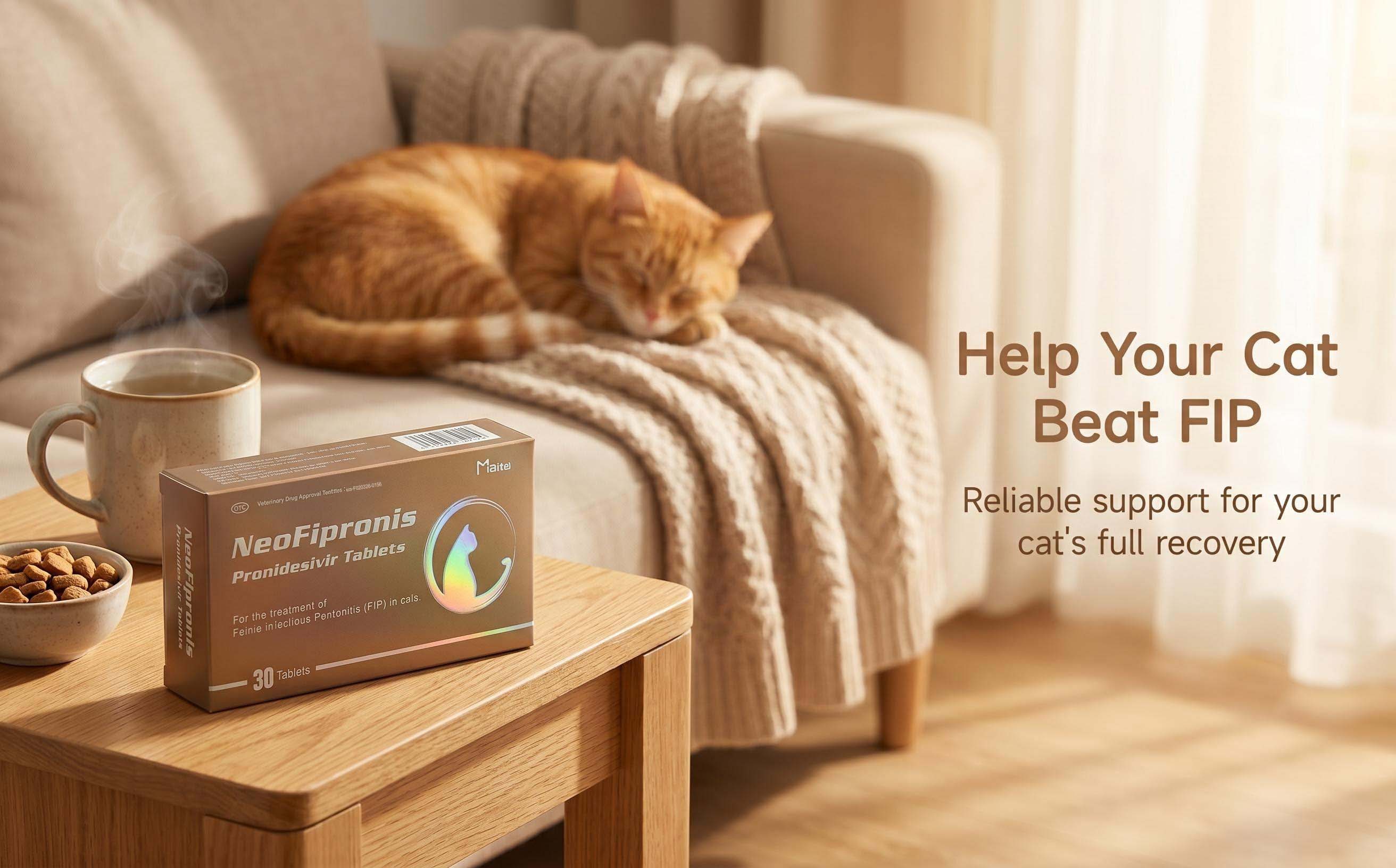
Attempting to treat FIP with over-the-counter remedies, antibiotics, or unproven medications is a major pitfall. While antibiotics can combat secondary bacterial infections, they do not target the root cause of FIP, which is a viral mutation. Furthermore, certain experimental drugs or herbal remedies marketed online lack sufficient scientific backing and may invoke adverse effects. Relying solely on unverified treatments can give misleading hope and delay access to veterinary-approved therapies. A comprehensive approach, guided by a qualified veterinarian, is essential for managing FIP, particularly as some novel antiviral drugs have shown promise in recent years. Ignoring this principle can lead to unnecessary suffering or even accelerate the disease's progression.
3. Neglecting to Isolate Infected Cats
FIP is caused by a mutated coronavirus that is highly contagious among cats, especially in densely populated settings. Not isolating infected animals poses significant risks of transmission to otherwise healthy cats. Many pet owners underestimate how easily the virus spreads through shared litter boxes, bedding, or even direct contact. Failure to implement strict quarantine measures can result in outbreaks, complicating already challenging circumstances. Proper hygiene practices, separate living spaces, and minimizing stress are vital. Ignoring the importance of isolation not only jeopardizes other cats’ health but also increases the spread of the virus within multi-cat environments, making outbreaks harder to control and treat.
4. Overlooking Supportive Care
FIP often entails a complicated progression, which can be mitigated through supportive treatments. Dismissing the importance of maintaining hydration, providing nutritional support, or managing pain can exacerbate the condition. While no universal cure exists, supportive measures can improve comfort and quality of life. For example, fluid therapy can help battle dehydration, and appetite stimulants can promote better intake. Additionally, addressing secondary infections or complications helps prolong survival time. Neglecting these supportive aspects might accelerate decline, leaving the animal vulnerable to other health issues. A holistic approach tailored to each cat’s needs is indispensable in managing FIP effectively.
5. Underestimating the Power of Veterinary Collaboration
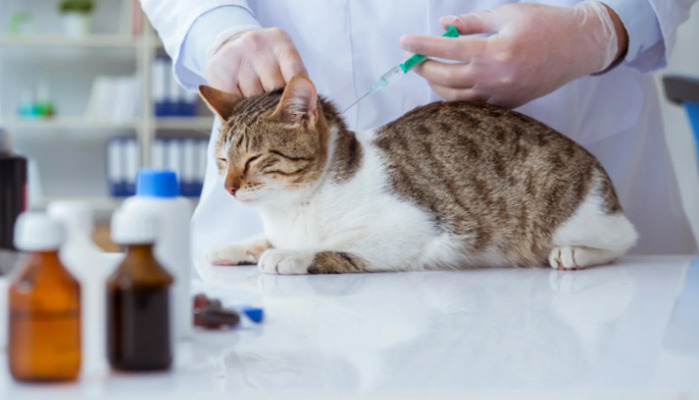
Many owners try to handle FIP independently, assuming it is solely a viral infection with no effective management strategies. However, collaboration with veterinary professionals ensures access to the most current research and treatment options. An experienced vet can recommend diagnostic tests such as antibody titers, PCR, or fluid analysis to confirm FIP, and may suggest experimental antiviral therapies or supportive medications. Working closely with a vet also facilitates palliative care planning, enabling owners to make informed decisions aligned with their pet’s quality of life. Underestimating this partnership limits access to critical insights and innovations, potentially reducing the animal’s lifespan or comfort.
6. Delaying or Avoiding Palliative and Euthanasia Decisions
FIP often carries a poor prognosis, especially in its wet form, which leads to fluid accumulation in body cavities. Ignoring the emotional and ethical dimensions of treatment choices can result in prolonging suffering for the animal and distress for owners. Recognizing when the disease has become unmanageable and making timely decisions about euthanasia is sometimes necessary. Avoidance of these difficult choices can lead to a decline in the animal’s quality of life, incur unnecessary costs, and cause prolonged emotional trauma. Open communication with veterinary professionals about the pet’s comfort levels, pain management, and prognosis ensures humane and compassionate care.
By steering clear of these common pitfalls, cat owners and caregivers can improve their ability to respond appropriately to FIP, prioritizing both the health and dignity of their feline friends.