Is Preventing FIP More Important Than Treating It

An In-Depth Analysis of Feline Infectious Peritonitis
Introduction
Feline infectious peritonitis (FIP) remains one of the most devastating diseases in cat populations globally. Caused by a mutation in the feline coronavirus, FIP manifests in various forms, often leading to rapid deterioration and high mortality rates among affected cats. While recent years have seen breakthroughs in treatment options, especially with the emergence of promising antiviral drugs, pet owners, veterinarians, and researchers are still divided over whether prioritizing prevention outweighs the importance of improving treatments. This article explores FIP from multiple perspectives, weighing both prevention strategies and treatment advances, to provide a comprehensive understanding of which approach benefits felines most and why this question echoes throughout veterinary medicine.
Understanding FIP: The Basics
FIP originates from feline coronavirus (FCoV), a common virus among domestic and wild cats. Most infected cats remain asymptomatic or only suffer mild gastrointestinal upsets. However, in a minority of cases—especially in young, stressed, or immunocompromised cats—the virus mutates within the host, leading to FIP. The mutated virus elicits an overwhelming immune response, resulting in either the “wet” (effusive) form, which leads to accumulation of fluid within the abdomen or chest, or the “dry” (non-effusive) form, characterized by granulomatous lesions in organs.
FIP still carries a near-universal mortality rate if left untreated, with many cats succumbing within weeks of onset. Historically, diagnosis was challenging, and therapeutic interventions were largely ineffective, relegating affected animals to supportive care.
Prevention Strategies: Breaking the Chain of Infection
The most fundamental preventive strategy against FIP involves minimizing feline coronavirus transmission. In multi-cat environments, such as shelters, catteries, and breeding facilities, this means strict hygiene, reduced crowding, regular litter box cleaning, and separating kittens from adult cats who may be chronic virus shedders.
Early weaning and rearing kittens away from adults with known coronavirus positivity can reduce exposure risk. In addition, ensuring that cats are not subject to crowded or stressful environments lowers both FCoV transmission and likelihood of immune compromise leading to FIP.
Vaccination is an area of ongoing research. While a nasal vaccine exists, its efficacy remains controversial, particularly in the US. Most veterinary associations do not universally recommend it due to limited protection, especially against the mutated FIP-causing strains. Thus, current preventive efforts focus more on environmental and management-based interventions.
Genetic selection also offers hope. Breeders are increasingly aware that certain lines or breeds may exhibit higher susceptibility, prompting initiatives to select for FIP resistance, although this approach remains in its infancy.
Treating FIP: Recent Breakthroughs
For decades, FIP was tantamount to a death sentence. This changed with the introduction of nucleoside analogs (notably GS-441524), a class of antiviral drugs capable of inhibiting coronavirus replication. First proven effective in research settings, these compounds have seen widespread use—often through less conventional procurement methods—among cat owners desperate to save their pets.
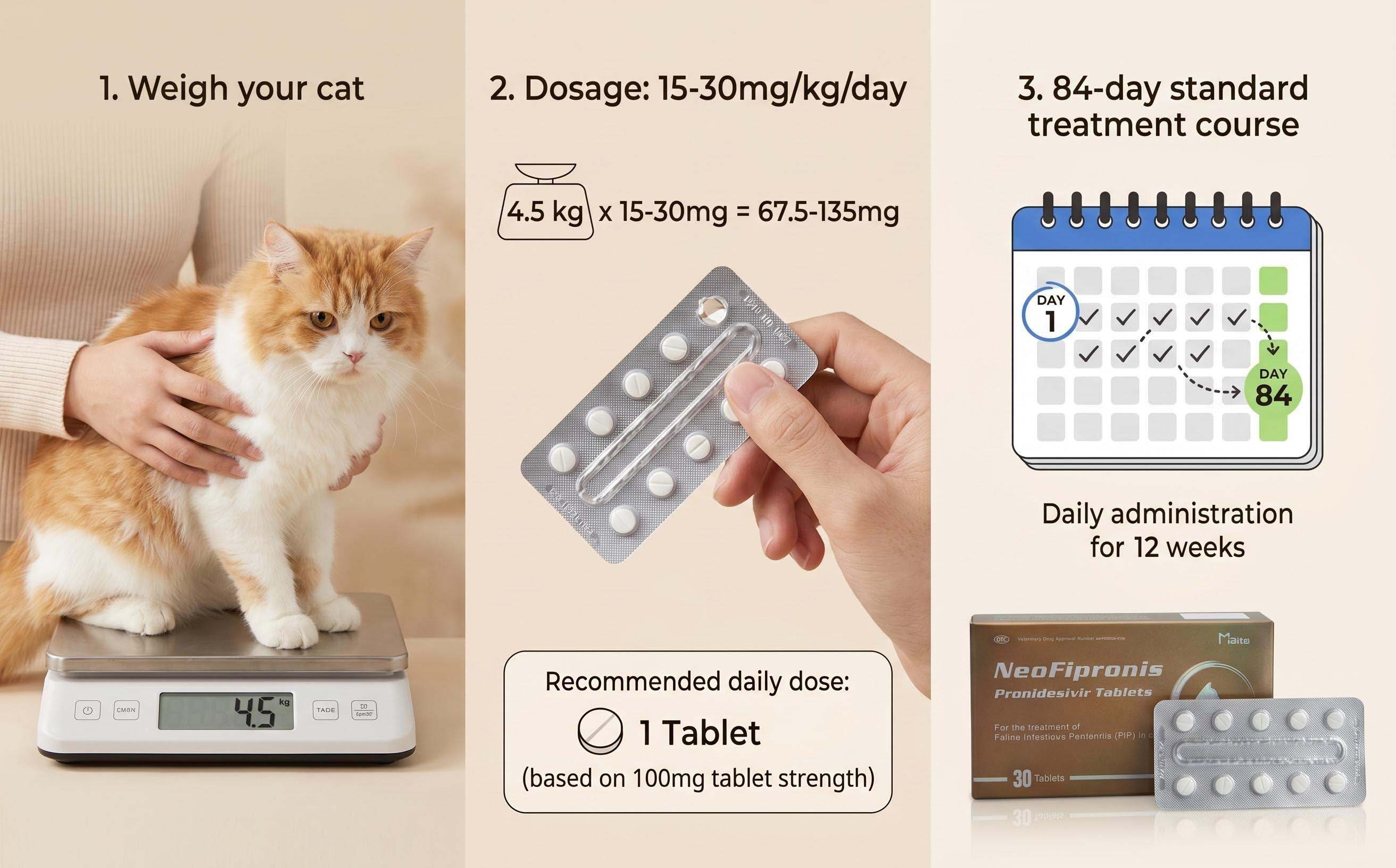
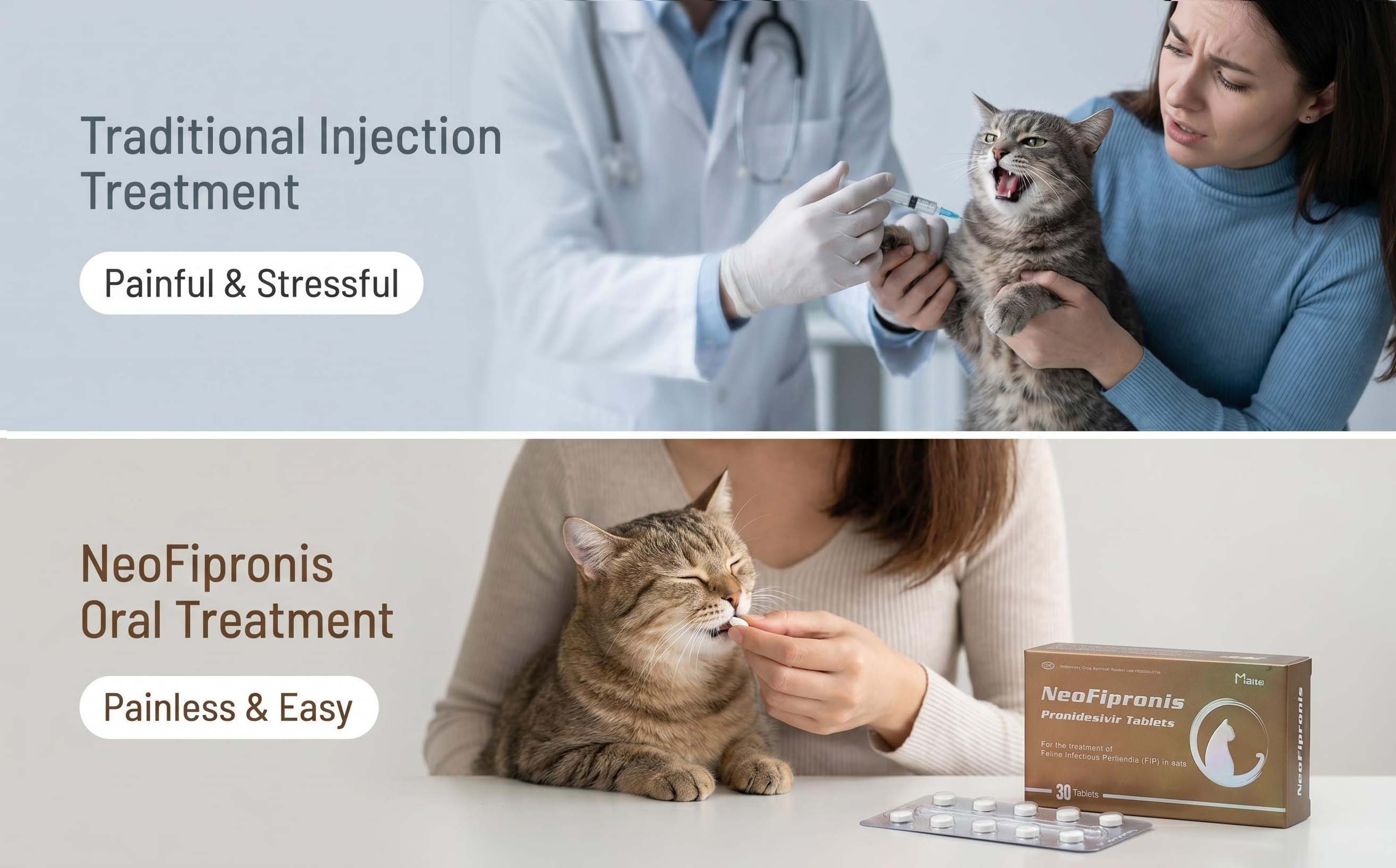
Treatment is arduous and expensive: it often requires daily injections or oral medication for extended periods (typically 12 weeks), close veterinary supervision, and thorough monitoring for recurrence or side effects. Nevertheless, survival rates have climbed dramatically, with some studies reporting recovery in more than 80% of otherwise fatal cases.
Adjunctive therapies such as immune modulators, supportive care (fluids, nutrition, wound management), and symptomatic treatments further enhance outcome, though the antiviral remains the linchpin.
Choice and Debate: Prevention Versus Cure
Given these advances, the FIP landscape has shifted. The key question—should resources and attention focus on preventing the disease or on further refining its treatment—depends on context.
Prevention undeniably offers the greatest benefit in population-level settings. In shelters and breeding facilities, a single infected animal can precipitate large outbreaks, creating reservoirs for mutated viruses. By contrast, treatment is individualized, inherently reactionary, and limited by cost and logistical hurdles.
However, in domestic settings, especially among beloved companion animals, treatment represents hope where prevention has failed or is impossible (e.g., in stray or adopted cats). The emotional value of therapy for pet owners cannot be understated.
Ethical Considerations and Policy
Overemphasis on treatment risks creating complacency about transmission risks—a phenomenon seen in human medicine with diseases like HIV. If treatment is perceived as a guaranteed safety net, owners may overlook the importance of minimizing exposure or reporting cases.
In contrast, directing all efforts toward prevention may inadvertently deny life-saving intervention to those cats unlucky enough to contract FIP. Ethics, therefore, demand a balanced approach that maximizes prevention while not neglecting those who still fall ill.
Economic and Accessibility Issues
The cost of FIP treatment remains a formidable barrier. While access to antiviral drugs has improved, prices can still run into thousands of dollars per course, putting life-saving care out of reach for many families. Preventive strategies, generally low cost, are more easily scalable and accessible.
Conversely, if treatment could be made widely available and affordable, the calculus shifts: owner attitudes, adoption rates for “at risk” cats, and euthanasia statistics would likely change. Thus, public and private investment in reduced-cost therapies (including licensing for veterinary use in the US) forms an essential part of this debate.
The Role of Veterinary Education
Veterinarians must strike a careful balance in messaging. Owners must understand both how to prevent disease (through hygiene, separation, and stress reduction) and how to recognize early signs for timely intervention.
Continuing education ensures clinicians remain abreast of evolving treatment protocols, research on drug resistance, and best practices in prevention—all vital in improving cat health outcomes both individually and at scale.
Community and Shelter Implications
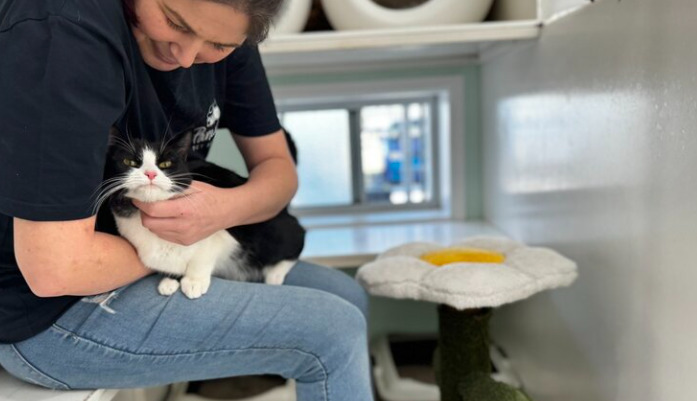
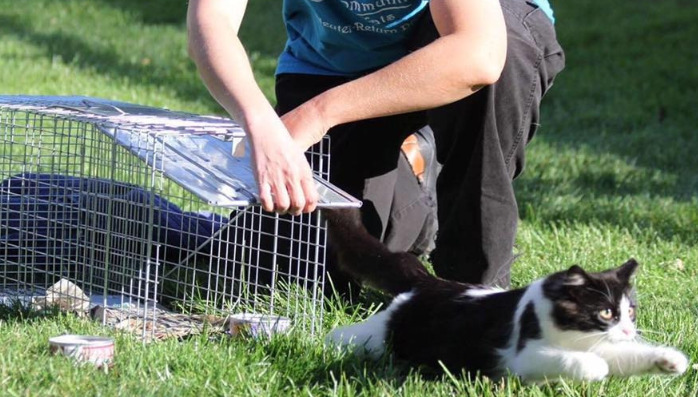
FIP’s toll is felt most acutely in group settings. Shelters, responsible for hundreds or thousands of animals annually, face impossible choices without robust prevention strategies. Breakouts can necessitate mass euthanasia, closure, or quarantining, disrupting adoptions and straining resources.
Implementing proven prevention measures has demonstrated success in reducing FIP incidence. Still, when cases arise, having access to affordable, effective treatment allows organizations to maintain animal welfare and public trust.
Research Frontiers: Vaccines, Genetics, and Policy
Global research efforts continue on three fronts. First, improved vaccines could one day provide comprehensive strain coverage, eliminating FIP at the source. Second, genetic studies may reveal susceptibility markers, allowing breeders to selectively reduce risk in future generations.
Third, policy and regulation must evolve. As new antivirals reach the market, frameworks for cost control, safety monitoring, and ethical prescribing are essential. Coordination between veterinary associations, academia, and the pharmaceutical industry will streamline progress.
Public Awareness and Owner Responsibility
Ultimately, preventing FIP and treating it are not mutually exclusive. Public campaigns drawing attention to both effective prevention and available treatments enable owners to make informed choices, reduce stigma, and improve welfare.
Education around coronavirus transmission, signs of impending FIP, and the availability of new therapies empowers owners. Pet insurance options, crowdfunding for treatment, and community support reduce barriers for those confronting a diagnosis.
Integrating FIP Management: Synergy Over Competition
Instead of treating prevention and treatment as competing priorities, integrating both leads to optimal outcomes. Multi-cat households combine strict hygiene, vaccination where appropriate, and vigilance for early symptoms. Breeding and shelter environments pair management reforms with contingency plans for rapid intervention.
Veterinary clinics serve as hubs for both preventive education and therapeutic access, ensuring the full spectrum of care is available.
Looking to the Future
With the increasing accessibility of effective treatments and ongoing improvements in prevention, the question of which is "more important" becomes less binary. The future of FIP management likely lies in harmonizing the two: preventing as many cases as possible while ensuring world-class treatment for those cats who do become ill.
Advocacy for research funding, legislative action to improve drug access, and expanded public education will underpin next-generation strategies. FIP may never be eradicated, but a collaborative, multi-pronged effort can transform outcomes for millions of cats worldwide.
References
1. Pedersen, N. C. (2020). An Update on Feline Infectious Peritonitis: Diagnostics and Therapeutics. Veterinary Journal, 263, 100650.
2. Kipar, A., & Meli, M. L. (2014). Feline Infectious Peritonitis: Still an Enigma? Veterinary Pathology, 51(2), 505–526.
3. Addie, D. D., et al. (2020). Feline Coronavirus and Feline Infectious Peritonitis: An Update. Viruses, 12(9), 1069.
4. Hartmann, K. (2005). Feline Infectious Peritonitis. Veterinary Clinics of North America: Small Animal Practice, 35(1), 39–79.
5. Felten, S., & Hartmann, K. (2019). Treatment Options for Feline Infectious Peritonitis. Veterinary Journal, 244, 18–26.
6. Barker, E. N., et al. (2017). Feline coronavirus and FIP: Epidemiology, pathogenesis, diagnostics, and treatment. The Veterinary Nurse, 8(4), 178–183.
7. American Association of Feline Practitioners (AAFP) FIP Guidelines.
8. Murphy, B. G., et al. (2018). Efficacy of Treatment With a 3C-like Protease Inhibitor in Cats With FIP. Journal of Feline Medicine and Surgery, 20(4), 378–383.
9. World Small Animal Veterinary Association (WSAVA): Guidelines for the Control and Management of Feline Infectious Peritonitis.
10. Chang, H. W., et al. (2012). Genetic analysis and pathogenesis of feline infectious peritonitis virus. Veterinary Microbiology, 161(3-4), 225–234.