What Does Abdominal Swelling Feel Like in Cats With FIP
Feline Infectious Peritonitis (FIP) is a serious and often fatal disease caused by a mutated form of the feline coronavirus. One of the hallmark signs of FIP, particularly the wet or effusive form, is abdominal swelling. Understanding what this swelling feels like can help cat owners and veterinarians identify symptoms early, which is crucial for managing the disease.
Understanding FIP and Its Types
FIP exists mainly in two forms: wet (effusive) and dry (non-effusive). The wet form is characterized by the accumulation of fluid within the abdominal cavity due to inflammation of the blood vessels and organs. This fluid build-up leads to noticeable abdominal distension. The dry form involves granuloma formation and less fluid accumulation, often resulting in more subtle symptoms affecting different organs.
What Is Abdominal Swelling in Cats With FIP?
In cats affected by effusive FIP, abdominal swelling is primarily caused by excess fluid accumulation, known as ascites. The swelling develops gradually and can become quite pronounced. As the abdomen enlarges, it may feel tense and firm to the touch. Unlike muscular or fat deposits, this swelling is often fluid-filled and may shift slightly if pressed or moved.
How Does It Feel to the Owner?
Owners might notice that their cat's abdomen appears visibly distended. When gently palpated, the area may feel soft, doughy, or even slightly resilient, depending on the amount of fluid present. The swelling is usually symmetrical and can be pinpointed as a distinct enlargement compared to other parts of the body.
Physical Symptoms Accompanying Swelling
Along with the palpable swelling, cats often show signs of discomfort, such as restlessness or reluctance to be touched. They may also exhibit decreased appetite, weight loss, lethargy, or increased respiratory effort if the fluid interferes with breathing. The swelling itself does not typically cause pain, but the underlying inflammation can make the cat more sensitive.
Differences Between Abdominal Swelling in FIP and Other Causes
It’s important to distinguish FIP-related swelling from other causes of abdominal enlargement in cats, such as obesity, tumors, or other infections. Obesity tends to produce a more diffuse and soft mass, whereas FIP-associated fluid accumulation feels more fluid-like and may shift with pressure. Additionally, the rapid progression of swelling and other systemic signs often point toward an inflammatory or infectious process like FIP.
Veterinary Examination and Diagnosis
Veterinarians rely on physical examination, ultrasound imaging, and fluid analysis to confirm FIP-related ascites. During palpation, vets may detect a fluid wave, indicating the presence of free fluid in the abdomen. Samples of the fluid can be analyzed for characteristic cellular patterns, protein levels, and viral presence, although definitive diagnosis can be challenging.
Managing Abdominal Swelling in Cats With FIP
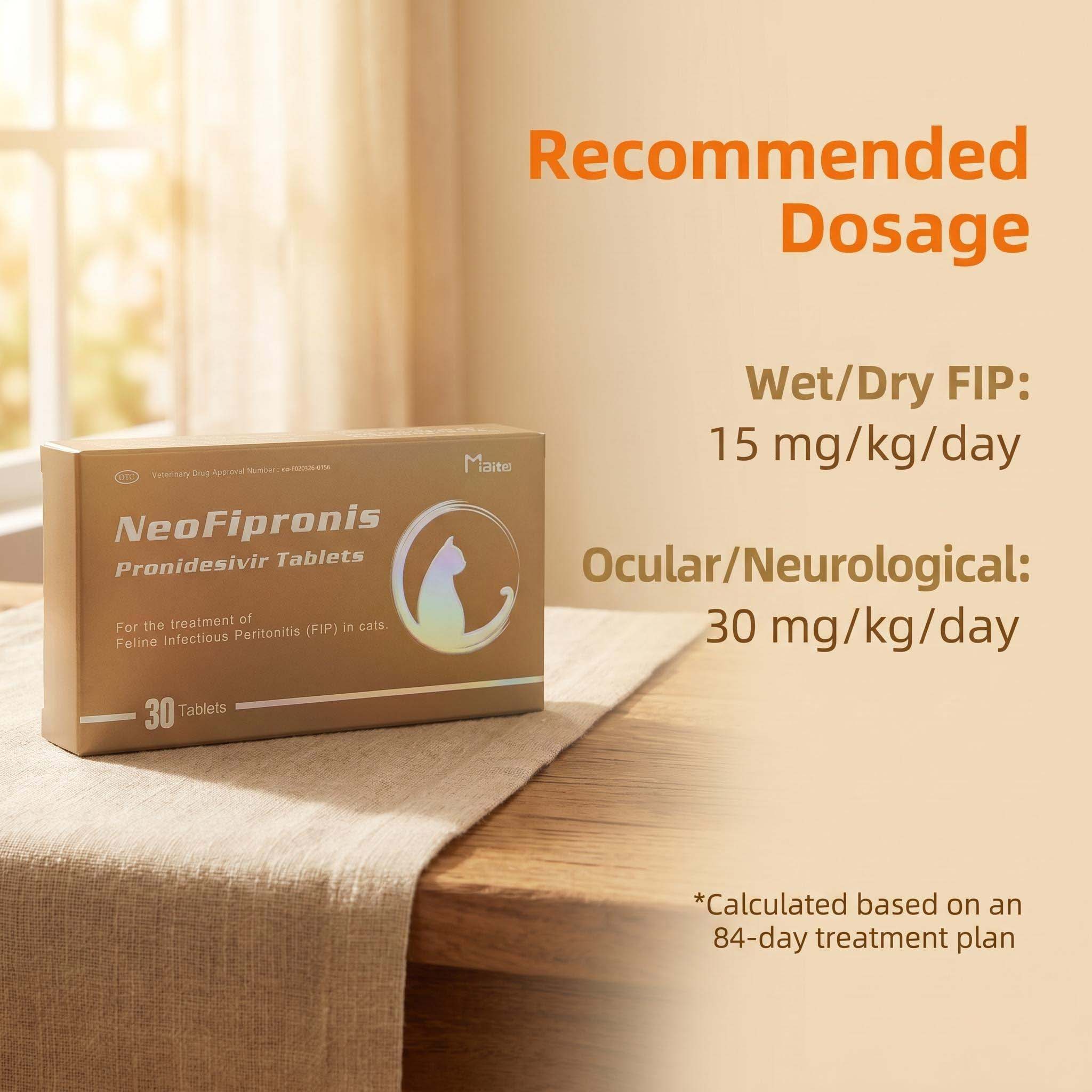
While FIP remains difficult to treat successfully, supportive care can alleviate some discomfort caused by abdominal swelling. Procedures such as abdominal fluid drainage may relieve pressure temporarily, improving the cat’s quality of life. Medications that modulate immune responses, along with experimental antiviral therapies, are under investigation, but prognosis remains guarded.
Prognostic Implications
The presence of significant abdominal swelling often indicates advanced disease with a poor prognosis. Early detection and supportive management can sometimes improve comfort, but FIP is generally considered fatal once clinical signs manifest prominently.
Conclusion
Abdominal swelling in cats with FIP predominantly results from fluid accumulation within the abdomen. It is felt as a tense, soft, and sometimes shifting mass that causes noticeable distension. Recognizing these signs early and consulting a veterinarian promptly are crucial steps in managing the disease. While therapeutic options are limited, understanding the physical sensations associated with FIP-related swelling can aid owners in seeking timely medical intervention.
References
1. Pedersen, N. C., et al. (2018). Feline coronavirus and Feline Infectious Peritonitis: An update. Veterinary Microbiology, 209, 105–112.
2. Addie, D. D., et al. (2009). Feline infectious peritonitis (FIP): Cause, diagnosis, and management. Journal of Feline Medicine and Surgery, 11(4), 316–329.
3. Kipar, A., & Meli, M. L. (2014). Feline infectious peritonitis: still an enigma. Veterinary Pathology, 51(2), 505–526.
4. Hartmann, K. (2014). Feline infectious peritonitis. The Veterinary Clinics of North America: Small Animal Practice, 44(1), 77–114.
5. Addie, D. D., et al. (2012). Feline coronavirus and FIP: Lessons from laboratory studies. Veterinary Microbiology, 159(3-4), 172–177.