Is Long-Term Soft Stool a Symptom of FIP
Introduction
Feline Infectious Peritonitis (FIP) is an often devastating and complex disease affecting cats, caused by certain mutations of feline coronavirus (FCoV). As veterinarians, pet owners, and researchers continue to study FIP, its diverse symptoms have presented ongoing challenges for diagnosis and understanding. Among these symptoms, long-term soft stool, or chronic diarrhea, is sometimes reported, leading many cat owners and clinicians to wonder: Is persistent soft stool a hallmark symptom of FIP, or is it more likely associated with other feline health issues? This article explores the connection between FIP and chronic soft stool, providing in-depth information suitable for veterinary professionals and knowledgeable pet owners.
Understanding FIP: The Basics
FIP is not caused by exposure to just any feline coronavirus, but rather by specific mutants that change the virus’s cell preference. While most feline coronaviruses live harmlessly in the intestines and manifest as mild gastrointestinal disease, a small percentage may mutate into a form that invades immune cells called macrophages. This mutated virus travels throughout the body, triggering a damaging immune response and leading to FIP.
FIP can manifest in two main forms: effusive (wet), involving the accumulation of fluid in the abdomen or chest, and noneffusive (dry), marked by granulomatous inflammation without fluid buildup. Symptoms are usually systemic and severe, such as persistent fever unresponsive to antibiotics, weight loss, lethargy, and poor appetite.
Gastrointestinal Symptoms in FIP: What’s Typical?
The primary signs of FIP are rarely restricted to the digestive tract. Instead, FIP is a multisystemic disease involving various organs—liver, kidneys, brain, eyes—as well as the abdominal or thoracic cavities. Gastrointestinal symptoms, including vomiting, diarrhea, and abdominal discomfort, are less common but do occur, particularly in the dry form of FIP, when granulomas develop in the gut or its associated lymph nodes.
Research shows that mild and transient changes in stool consistency can appear early in a coronavirus infection before FIP develops. However, once FIP mutations occur and systemic disease takes hold, soft stool is usually overshadowed by severe symptoms. Persistent diarrhea and soft stool are more commonly connected to pre-FIP coronavirus infection and not the full-blown disease.
Chronic Soft Stool in Cats: Differential Diagnosis
Long-term soft stool in cats is a classic symptom of myriad gastrointestinal diseases and disorders beyond FIP. Common causes include:
Chronic enteritis from other viruses, bacteria, or parasites
Food intolerance or dietary sensitivity
Inflammatory bowel disease (IBD)
Exocrine pancreatic insufficiency
Antibiotic-associated gut dysbiosis
Stress or environmental changes
Low-grade coronavirus infection (feline enteric coronavirus, FeCV)
These conditions often present with mild to moderate diarrhea, sometimes running for weeks or months. Unlike FIP, they do not include persistent, drug-resistant fevers, dramatic weight loss, and organ-specific complications. Therefore, chronic soft stool alone is strongly suggestive of common intestinal disease, not FIP.
What Does Soft Stool Look Like in FIP Cases?
In documented cases of FIP, stool changes often appear sporadic and are rarely the only symptom. Reports of soft stool or intermittent diarrhea are more frequent in the dry form, when the disease involves the mesenteric lymph nodes or segments of the bowel. However, soft stool typically occurs alongside other symptoms:
Chronic fever unresponsive to antibiotics
Weight loss or wasting
Progressive lethargy
Abdominal enlargement (from fluid, in wet FIP)
Ocular or neurologic changes (in dry FIP)
Cats showing only long-term soft stool without other systemic signs almost never test positive for FIP. Most FIP-positive cats first show dramatic systemic illness, with or without transient digestive upset.
Diagnostic Approach: FIP vs. Other Causes of Chronic Diarrhea
No single symptom can definitively diagnose FIP, which requires a mosaic of clinical, laboratory, and imaging findings. When faced with long-term soft stool, veterinarians typically pursue this stepwise diagnostic strategy:
1. History and Physical Exam
Assess changes in stool consistency, duration, and any associated signs such as fever, weight loss, or lethargy.
Examine for abdominal masses, fluid buildup, lymph node enlargement, or jaundice.
2. Laboratory Testing
General blood panels to check total protein, globulins, and anemia.
FCoV serology and PCR, which measure virus exposure, but not definitive FIP diagnosis.
FIP-specific markers like albumin:globulin ratio, elevated alpha-1 glycoprotein, and positive immunohistochemistry of lesions.
Fecal panels for parasites, bacteria, and other viral infections.
3. Imaging
Abdominal ultrasound to survey organs, identify granulomas, masses, or fluid accumulation.
4. Biopsy/Fluid Analysis
Abdominal fluid analysis (if present): Gold standard for effusive FIP.
Biopsies of affected organs may reveal characteristic granulomatous inflammation.
If all findings point towards FIP—in the context of persistent soft stool with major systemic signs—a diagnosis is warranted. If soft stool persists without further symptoms, the search must turn to more likely digestive diseases.
Feline Enteric Coronavirus: Confusion with FIP
Feline enteric coronavirus (FeCV), which causes mild or subclinical intestinal infection, is extremely common in multicat environments. Its main symptom is intermittent, self-limiting diarrhea, which can last several weeks. In these cats, long-term soft stool is normal, and FIP symptoms do not appear. Only a tiny fraction (<10%) of FeCV-infected cats develop FIP after virus mutation, typically months or years after the initial infection. Thus, chronic soft stool in cats with FeCV is typical, but in FIP it is unusual and accompanied by many other severe symptoms.
Case Studies: Long-Term Soft Stool and Progression to FIP
Case 1:
A two-year-old shelter cat developed persistent soft stool after adoption. Fecal exams revealed FeCV, negative for parasites. The diarrhea lasted three months but resolved with dietary management; no further symptoms developed. Two years later, the cat remained healthy—no FIP diagnosis. This suggests chronic soft stool from FeCV, not FIP.
Case 2:
A four-year-old cat presented with chronic diarrhea, weight loss, and mild abdominal distension. Bloodwork showed elevated globulins and anemia. Ultrasound revealed mesenteric lymph node enlargement and abdominal fluid. Immunohistochemistry confirmed FIP. Here, chronic soft stool accompanied classic FIP signs—persistent progressive systemic illness.
Treatment and Prognosis: FIP vs. Chronic Diarrhea
Chronic Soft Stool (Non-FIP Causes):
Most cats respond to dietary changes (high-quality protein, fiber, probiotics), antiparasitic drugs, or single antibiotic cycles. Recovery is likely unless severe inflammatory disease exists.
FIP-Associated Diarrhea:
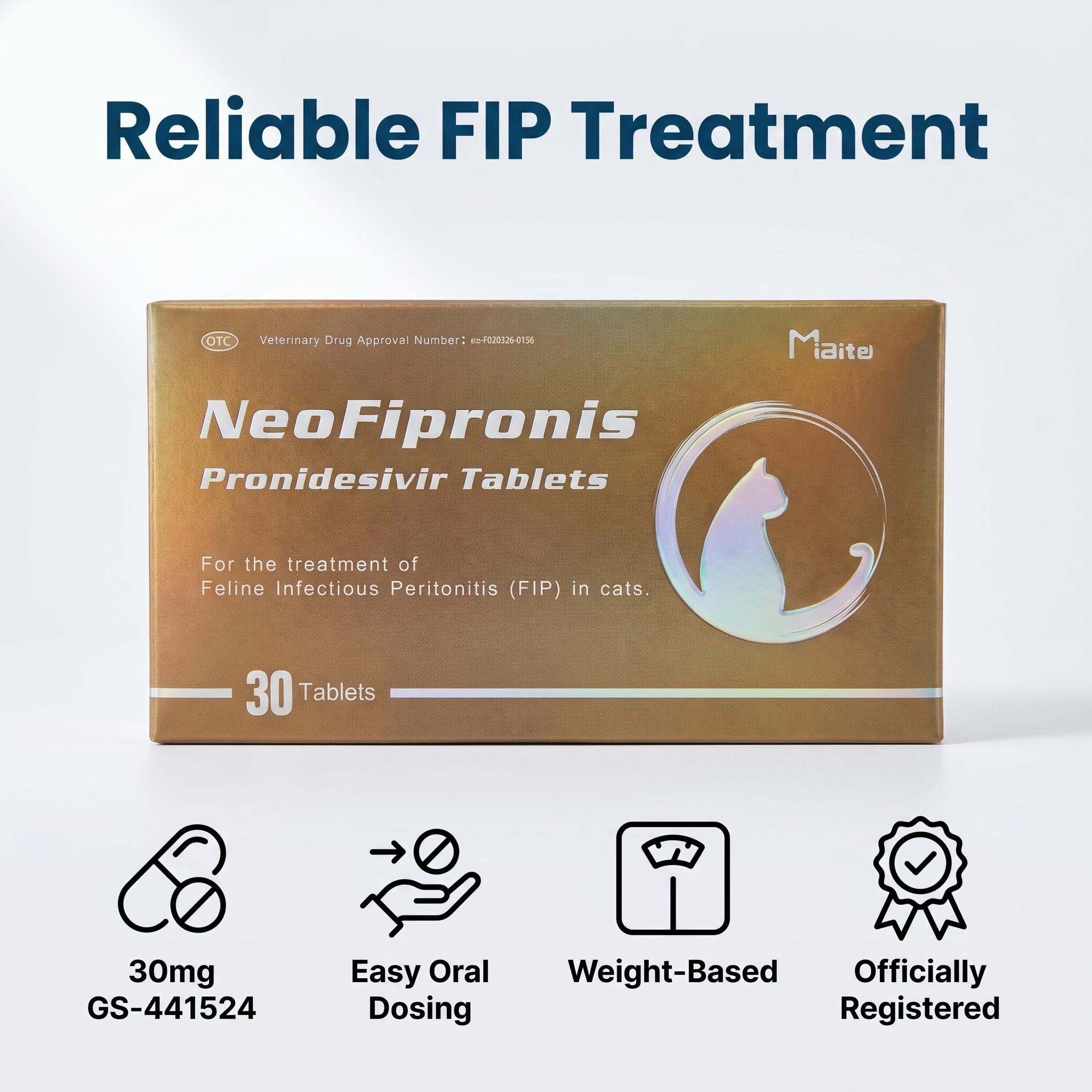
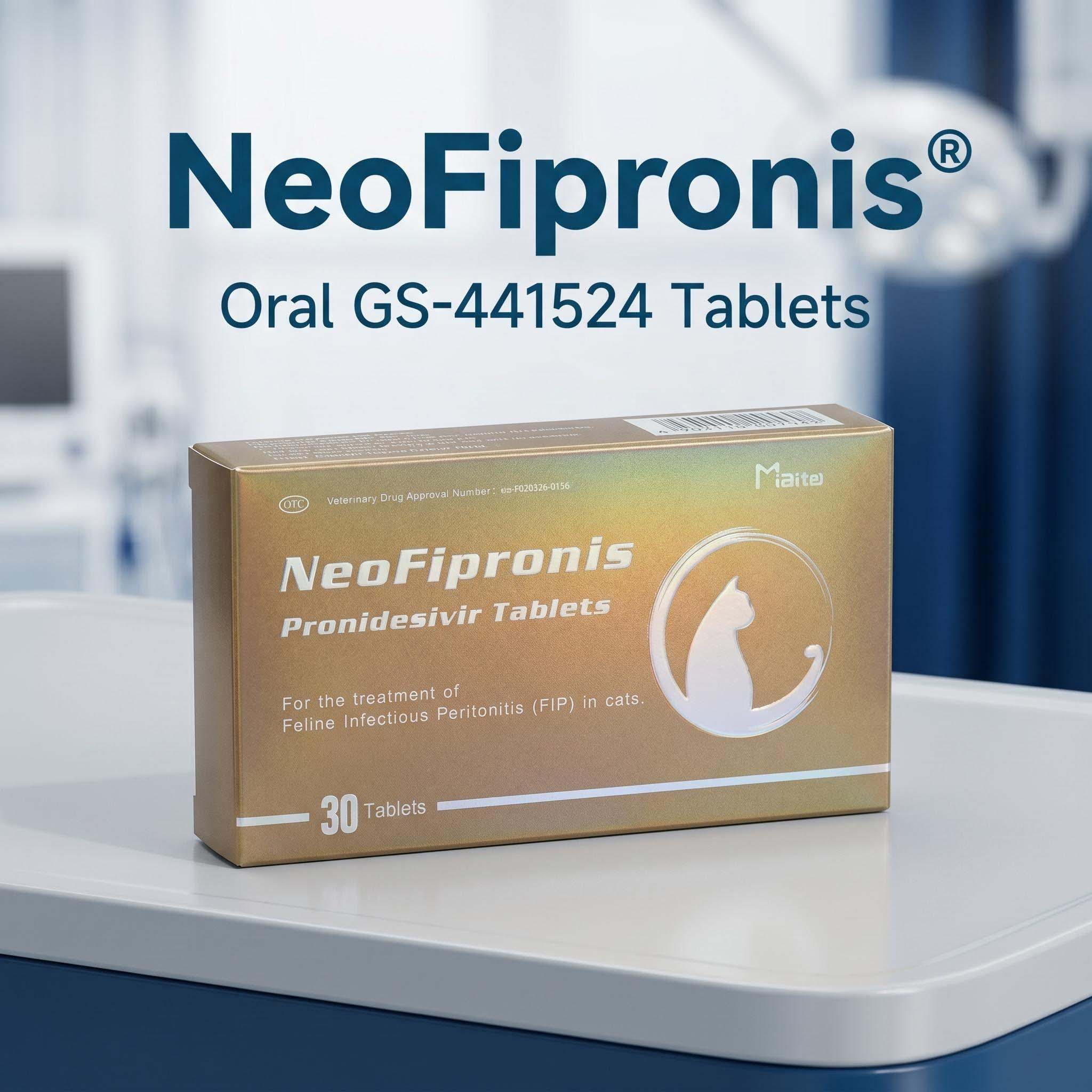
Historically, FIP was nearly always fatal, but nucleoside analog drugs (GS-441524 and related agents) have dramatically improved survival when treated early. FIP cases with soft stool require therapy targeted to systemic illness, not just GI disease. Supportive care may include fluid therapy and management of secondary complications.
Preventive Strategies: Reducing FIP and FCoV Transmission
Maintain strict hygiene in multicat environments (litter box sanitation, food dish cleaning)
Limit overcrowding and reduce stress
Test high-risk cats regularly for FeCV and maintain separation between carriers and negative cats
Use quality nutrition to support gut barrier health
Prevention focuses on the common source—intestinal coronavirus—and its spread. Reducing FeCV transmission minimizes the risk of mutation and subsequent FIP development, but it does not eliminate digestive symptoms entirely.
Key Points for Cat Owners and Veterinarians
Long-term soft stool is a rare, secondary symptom in FIP and not a standalone indicator of the disease.
Chronic diarrhea is overwhelmingly caused by other, more common feline intestinal disorders.
FIP diagnosis should be based on a cluster of severe, progressive, systemic symptoms, not isolated digestive upset.
Owners observing long-term soft stool in their cats should seek veterinary care for full gastrointestinal evaluation before suspecting FIP.
References
1. Pedersen NC. A review of feline infectious peritonitis virus infection: 1963–2008. J Feline Med Surg. 2009;11(4):225-258.
2. Porter E, Tasker S, Day MJ, et al. Feline infectious peritonitis (FIP): review of the pathogenesis and diagnostics. Vet J. 2018;237:8-16.
3. Addie DD, Toth S, Jarrett O, et al. Feline coronavirus (FCoV) infection patterns in multicat households. Vet Microbiol. 2003;97(1-2):1-12.
4. Kipar A, Meli ML. Feline infectious peritonitis: still enigmatic after 50 years. Vet Pathol. 2014;51(2):505-526.
5. Pedersen NC, Black JW, Boyle JF, et al. Pathogenesis studies of feline coronavirus infections. Am J Vet Res. 1984;45(2):267-274.
6. Hartmann K. Feline infectious peritonitis. Vet Clin North Am Small Anim Pract. 2005;35(2):367-383.
7. O’Brien ML, Kipar A. Feline coronavirus: pathogenesis and molecular basis of heterogeneity. Vet Immunol Immunopathol. 2008;128(1-3):1-9.
8. Elia G, Decaro N, Martella V, et al. Feline coronavirus infections in cats: serological and molecular analysis. Vet Microbiol. 2002;85(4):329-339.
9. Takano T, Hohdatsu T. Recent advances in feline infectious peritonitis. J Vet Med Sci. 2021;83(3):363-373.
10. Dewerchin HL, Cornelissen E, Nauwynck HJ. Feline infectious peritonitis: pathogenesis and immune response. Vet Immunol Immunopathol. 2008;123(1-2):182-193.