What Should Be Considered When Preventing FIP in Young Kittens
Feline Infectious Peritonitis (FIP) presents a significant threat to young kittens, posing challenges not only to their health but also to feline caregivers and veterinarians. With emerging research and advancements in understanding the disease, preventing FIP—particularly in kittens—requires a thorough, multi-faceted approach. This article explores crucial considerations, addressing the disease's pathogenesis, effective management of risk factors, and emerging strategies for prevention.
FIP Pathogenesis and Young Kittens: Why Are They at Risk?
FIP develops from mutations of feline coronavirus (FCoV), typically encountered in multi-cat environments. Young kittens, especially those living in catteries, shelters, or foster homes, are highly susceptible to FCoV exposure due to close quarters, underdeveloped immune systems, and increased stress from maternal separation or environmental changes. Understanding FIP’s pathogenesis is essential: only a small fraction of FCoV-infected cats ultimately develop FIP, triggered by viral mutation and the host's immune response. Scientists recognize that the wet (effusive) and dry (non-effusive) forms indicate variations in immune response, further complicating the predictive landscape.
Recognizing and Minimizing Exposure
Preventing exposure to FCoV is the first—and arguably most vital—step. This means enforcing strict hygiene protocols in catteries and shelters. Litter boxes should be cleaned at least twice daily since FCoV spreads fecally; kittens often share boxes, increasing transmission risk. Using low-dust, unscented litter may reduce viral transmission via aerosolized particles.
Reducing herd density also limits exposure. Overcrowding stresses kittens, lowering resistance and amplifying the spread of FCoV. Caregivers should follow guidelines for optimal litter sizes and spacing, ensuring each cat or kitten has enough room for rest and play. In high-risk environments, electronic surveillance or microchipping aids in tracking and segregating sick animals quickly.
Managing Maternal Immunity and Early Kitten Care
Kittens depend on maternal antibodies—from colostrum during their first 24 to 48 hours—for immune support. However, maternal immunity wanes after four to eight weeks, leaving kittens vulnerable. Ideally, kittens should stay with mothers until at least eight weeks of age. Early separation can weaken their immune system, facilitating infection by mutated FCoV.
Foster programs and breeders might consider monitoring maternal health, ensuring queens are FCoV-negative prior to breeding, and regularly screening for FCoV. New mothers can pass viral coatings through grooming or nursing, so cleanliness and regular health checks are crucial.
Nutrition and Immune System Support
Good nutrition is crucial for bolstering a young kitten’s defense against pathogens. Caregivers should provide age-appropriate food, rich in protein, taurine, amino acids, and essential fatty acids. Kittens with compromised gut health are at higher risk for immune dysfunction and, therefore, FIP.
Supplements such as omega-3 fatty acids, vitamins E and C, and probiotics support digestive and systemic immunity. Recent findings suggest that stress exacerbates FCoV replication, so environmental enrichment—interactive toys, hideaways, gentle handling—can help modulate stress hormones and support immune function.
Vaccination: Considerations and Controversies
The only available vaccine for FIP in the US (Primucell FIP) is intranasal and targets FCoV. However, its efficacy is debated, and most veterinarians do not recommend vaccination as a reliable protective strategy, especially for kittens under sixteen weeks due to poor immunological response and short maternal immunity window. Instead, focus remains on environmental management and early detection.
For kittens in high-risk settings, dialogue with a veterinarian about vaccine pros and cons is prudent. Regular updates on vaccine development may influence future recommendations, as research into more efficacious options continues.
Early Detection and Screening
Identifying FIP early improves the likelihood of successful intervention. Routine health checks—including tracking weight, temperature, stool quality, and behavior—are vital. Screening for FCoV using serological or PCR tests is especially important in catteries and breeding operations. While most kittens exposed to FCoV remain healthy carriers, regular monitoring ensures that potential cases are spotted before they develop into full-blown FIP.
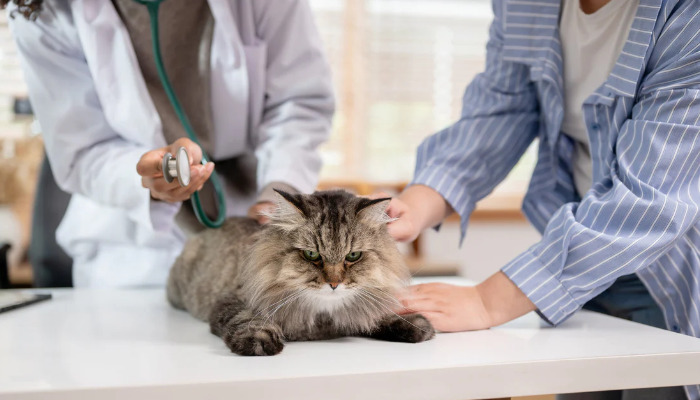
When symptoms such as fever, lethargy, fluid accumulation, neurological signs, or appetite loss emerge, prompt veterinary assessment is essential to rule out other common kitten illnesses and respond accordingly. Isolation of suspected cases helps prevent horizontal transmission within groups.
Genetic Factors and Breeding Strategies
Evidence indicates that certain purebreds, such as Bengals and British Shorthairs, may be more susceptible to FIP due to genetic factors governing the immune response. Breeders must consider these risks in their breeding programs, focusing on health, immune profile, and ancestry records over appearance traits.
Outcrossing with genetically diverse lines, routine screening, and transparent recordkeeping can diminish the likelihood of passing on high-risk alleles. Genomic research may, in the future, help identify markers for FIP susceptibility, enabling more strategic breeding decisions.
Environmental Stressors and Social Dynamics
High-stress environments—with frequent moves, changes in group composition, or loud noises—impair immune function in kittens. Social stress, lack of secure nesting areas, and inconsistent routines are linked to immune suppression, making FIP more likely.
Caregivers should minimize abrupt changes during the first eighteen weeks of life. Introducing kittens gradually to new people, pets, and surroundings allows adaptation, supporting healthy immune function and reducing the odds of FIP development.
Quarantine Protocols for New Arrivals
Kittens entering new homes, shelters, or catteries should undergo quarantine of at least two weeks, allowing for observation of health status and limiting exposure to resident populations. Individual housing, dedicated litter pans, bowls, bedding, and toys reduce FCoV transmission across groups.
Caregivers should use personal protective equipment when handling quarantined kittens if known FCoV exposure exists. Daily logs of food intake, behavior, and health markers support early identification of problems.
Cleaning and Sanitation Best Practices
FCoV is relatively fragile outside the host—most ordinary disinfectants destroy the virus easily. Clean all surfaces, bedding, and toys diligently, especially between different litters or after suspected FCoV cases. Bleach solutions (1:32 dilution), quaternary ammonium compounds, or phenolics work well for viral elimination. Avoid sharing supplies between unrelated kittens.
Deep cleaning should occur between new litters or after an outbreak. Air filtration systems, UV sterilizers, and proper hand hygiene further protect kittens from environmental FCoV.
Education for Caregivers and Breeders
Ongoing education regarding FIP risk factors, clinical signs, and preventive measures aids early intervention. Seminars, online courses, and written guidelines empower breeders, shelter managers, and foster caregivers to implement best practices consistently.
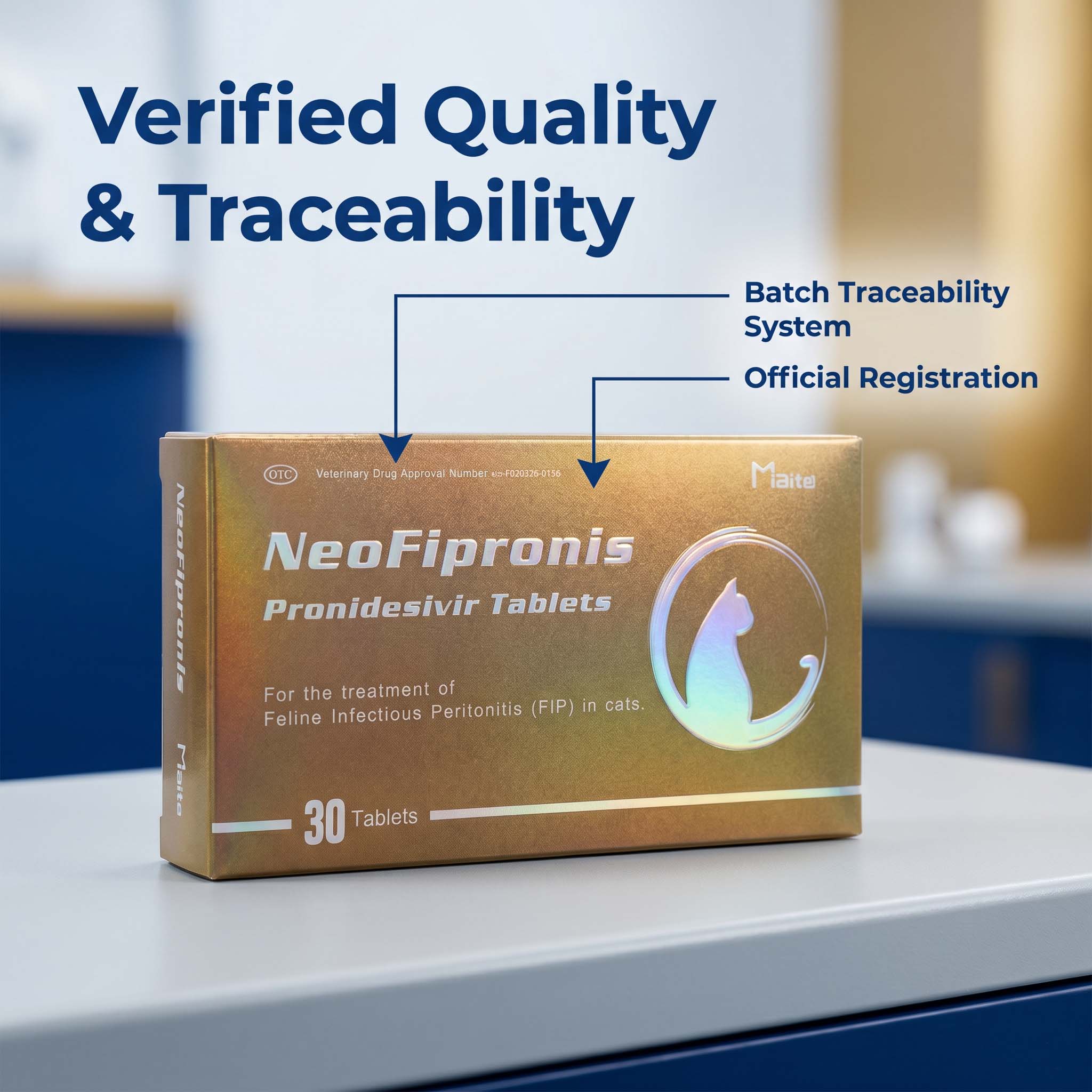
Stakeholders must stay informed about developments in FIP treatment—GS-441524 and related antivirals show promise in remission—while focusing on prevention for young kittens who are less likely to tolerate aggressive therapies.
Emerging Research: FIP Treatment and Preventive Horizons
Recent advances in antiviral medications, specifically nucleoside analogs (e.g., GS-441524), offer hope for treatment, though commercial availability and legal status remain limited in many regions. Crucially, these advances emphasize the importance of robust early prevention to reduce reliance on costly, intensive care.
Immunological research points toward the role of cytokine response, T-cell dysfunction, and microbiome imbalance in FIP progression. Interventions aimed at modulating immune pathways, supporting gut health, and stress reduction may shift future recommendations from mere exposure prevention to personalized healthcare for kittens.
Genome editing, monoclonal antibodies, and targeted vaccines remain future frontiers. Until then, holistic, evidence-based protocols—blending scrupulous hygiene, stress reduction, nutrition, and rapid response—formulate the best defense for young kittens.
References
1. Pedersen, N.C. (2020). "An update on feline infectious peritonitis: Diagnostics and therapeutics." Veterinary Journal, 263, 105583.
2. Kipar, A., & Meli, M.L. (2014). "Feline infectious peritonitis: still an enigma?" Veterinary Pathology, 51(2), 505-526.
3. Hartmann, K. (2005). "Feline infectious peritonitis." Veterinary Clinics of North America: Small Animal Practice, 35(1), 39-79.
4. Addie, D.D., et al. (2021). "Dynamic transmission of feline coronavirus in a closed population: A longitudinal study," Viruses, 13(8), 1639.
5. Tizard, I.R. (2023). "Feline infectious peritonitis and coronavirus infection." Felis: Feline Medicine and Surgery, 19(4), 247-256.
6. Norris, J.M., et al. (2018). "Prevalence of feline coronavirus, feline immunodeficiency virus, and feline leukaemia virus infection in Australian cats." Australian Veterinary Journal, 96(4), 126-133.
7. Lutz, H., et al. (2022). "FIP diagnosis: New approaches and continuous dilemmas." Pathogens, 11(5), 523.
8. Chang, H.W., et al. (2023). "Genetic susceptibility to feline infectious peritonitis in purebred cats." Frontiers in Veterinary Science, 10, 1144773.