Is It Normal if There Is No Improvement in the First Few Days of FIP Medication
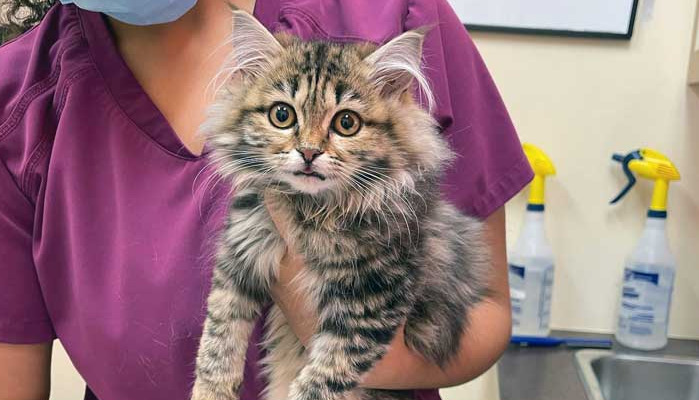
Feline Infectious Peritonitis (FIP) is one of the most devastating diseases affecting domestic cats. Once considered almost universally fatal, recent advances in antiviral medications have significantly improved the prognosis for many FIP-positive cats. However, when treatment begins, caregivers often feel anxiety, watching for signs of improvement. One common concern is the lack of noticeable progress in the first few days after initiating therapy. Understanding the typical response to FIP medication—especially why visible improvement may not occur immediately—is essential for anyone caring for an affected cat.
What Is FIP?
FIP is caused by a mutation of the feline coronavirus (FCoV). Most cats infected with FCoV only experience mild gastrointestinal symptoms, but if the virus mutates inside the individual cat, it can trigger an intense, often fatal inflammatory response. This can present in "wet" (effusive) and "dry" (non-effusive) forms, affecting various organs and leading to symptoms such as fever, fluid accumulation, neurological signs, and general lethargy.
Recent Advances in FIP Treatment
Historically, FIP was regarded as untreatable, with euthanasia often recommended due to poor prognosis. However, the emergence of antiviral drugs—particularly nucleoside analogs such as GS-441524—has revolutionized therapy, offering genuine hope for recovery. Several clinical studies and anecdotal reports have documented successful outcomes, especially when treatment is started before the disease reaches an advanced stage.
Typical Timeline for FIP Medication Response
It is natural for pet owners to hope for immediate results once their cat begins medication. The reality, however, is more complex. Unlike painkillers or antibiotics, antiviral medications like GS-441524 work at the molecular level, gradually inhibiting viral replication. This process takes time, and the body’s inflammatory response requires further days or weeks to subside.
Why Improvement Might Be Delayed
Several biological and clinical factors explain why noticeable improvement may not occur within the first few days:
Disease Severity: Cats already in advanced stages of FIP often have extensive organ involvement, systemic inflammation, and may require more time to show clinical improvement.
Virus Load: The amount of active coronavirus in a cat’s system can vary widely. It may take several days for the medication to reduce viral replication enough for symptoms to abate.
Immune System Recovery: Even after viral activity is suppressed, the cat’s immune system must heal damaged tissues and resolve lingering inflammation. This process is inherently gradual.
Medication Dosage and Administration: Optimal dosing is paramount. Inadequate dosing, missed injections, or improper administration can delay recovery.
Secondary Complications: FIP often causes secondary problems—such as fluid buildup or neurological disorders—which themselves take time to resolve, even as the virus is controlled.
This means that, although some cats begin to perk up within days, others may require much longer before visible changes are noted. In some documented cases, the first signs of improvement didn’t appear until the second week of therapy.
Understanding Clinical Signs and Owner Expectations
During the first days of FIP therapy, monitoring clinical signs is important but must be balanced with patience. The most common early indicators of improvement are reductions in fever and increased appetite, but these might still fluctuate daily. Lethargy, difficulty breathing, jaundice, and swollen abdomens might take longer to resolve. Owners are encouraged to keep careful notes on their cat’s temperature, hydration, appetite, and bathroom habits.
Veterinary teams often measure improvements by more than appearances. Bloodwork (CBC, biochemistry profile), fluid analysis (if effusive FIP), and imaging studies help gauge internal changes beyond what can be seen with the naked eye.
The Importance of Not Giving Up Too Soon
Just as with human antiviral therapies, patience is essential. Many viral illnesses have a “lag phase” before the medication’s effects are fully manifest. Especially with FIP, the disease’s complexity means that even as the medication works inside the body, outward improvement may be slow to show.
Understand that lack of immediate improvement does not typically indicate therapy failure. Cats can even appear temporarily worse as their immune systems adjust, only to begin recovering days later. The key is to work closely with a veterinarian or feline medicine specialist to assess progress, adjust dosages if needed, and provide supportive care.
Supporting the Cat During Early FIP Therapy
Supportive care involves much more than just giving medication. Cats with FIP can benefit from:
Nutrition and Hydration: Sick cats often stop eating or drinking. Tempting foods, syringe feeding, or even feeding tubes might be required.
Fluid Management: Wet (effusive) FIP leads to dangerous fluid accumulation. Your veterinarian may recommend safe drainage procedures.
Pain Management: FIP can cause discomfort, and appropriate pain medicines make a significant difference.
Monitoring for Complications: Secondary infections or complications (e.g., sepsis, anemia) may need additional therapies.
These supportive measures don’t accelerate antiviral action directly but help the cat cope during the slow, steady process of recovery.
Variations in FIP Medication Response
Individual cats respond at different rates—sometimes dramatically so. Factors that affect response time include:
Age and Overall Health: Kittens and elderly cats often have weaker immune systems or multiple health issues.
Disease Form: Wet FIP might respond more quickly than dry or neurological forms due to easier resolution of symptoms.
Concurrent Medications: Cats taking steroids, antibiotics, or other drugs may see altered recovery timelines.
Genetic and Environmental Factors: Each cat’s unique biology plays a role in healing pace; some breeds may have more robust immune responses.
This variation underscores the importance of avoiding “one size fits all” expectations after starting FIP therapy.
Ongoing Monitoring and Communication With the Veterinary Team
Frequent communication is crucial during the first weeks of FIP medication. Timely reporting of new symptoms, updates on activity levels, and discussions of side effects allow veterinarians to fine-tune the treatment plan. Many feline medicine specialists recommend check-ins at least weekly in the initial phase. Lab tests (CBC, serum chemistry, effusion analysis) can reveal improvements not obvious on the surface, offer reassurance, and guide adjustments.
In certain cases, veterinarians may recommend prolonging medication or switching drugs if expected improvements aren’t seen within 2–3 weeks, but rarely is a lack of early change a reason to abandon therapy.
Reassurance for Cat Owners
It’s critically important for cat owners not to lose hope. The first few days of FIP medication can feel fraught—every hour is scrutinized for positive change. But evidence from clinical trials and thousands of case reports shows that, for most cats, improvement is usually gradual. The viral load must decrease, inflammation must resolve, and organ systems must heal—all complex processes with their own timelines.
FIP therapy is a journey, not an overnight fix. By maintaining realistic expectations, supporting your cat, and partnering with a veterinary professional, you maximize the chances of eventual recovery—even if the initial phase brings no clear signs of progress.
Expert Opinions and Research Insights
Veterinary researchers emphasize that time is a vital factor in all antiviral therapies. Dr. Niels Pedersen, one of the pioneers of GS-441524-based FIP therapy, notes that “owners should not expect miraculous changes in 24 or even 48 hours. Improvement may be gradual—and may take one to two weeks, sometimes longer, especially in severe cases.”
The American Association of Feline Practitioners (AAFP) also advises that patience and ongoing supportive care are just as important as the medication itself: “Antiviral therapy has dramatically improved outcomes in cats with FIP, but recovery often unfolds over weeks, not days.”
Randomized clinical trials, published in leading veterinary journals, document wide variations in response times among cats treated with GS-441524, with significant improvement most often noted between 7–14 days of therapy.
What If No Improvement Occurs After Several Weeks?
If there appears to be absolutely no improvement after two to three weeks, it’s essential to re-evaluate. Troubleshooting may include:
Confirming dosage and proper medication administration
Testing for concurrent infections or alternative diagnoses
Adjusting treatment protocol as recommended by a specialist
Providing additional supportive care (fluids, nutritional support, pain management)
Statistically, a majority of cats will have some clinical improvement if FIP is correctly diagnosed and antiviral therapy is properly administered. Proper evaluation, persistent care, and understanding can make a crucial difference.
FIP Research: What Lies Ahead
Ongoing investigation into feline coronavirus, antiviral resistance, and new drug protocols continues to improve clinical outcomes year after year. The FDA’s evolving stance on FIP therapies and increased advocacy from professional veterinary groups are shaping the future, ensuring more accessible, regulated, and effective treatments. As knowledge grows, so too does our ability to guide cat owners through the challenging initial phases of therapy.
References
Pedersen, N. C. "The History of Feline Infectious Peritonitis: 1963–2008." Journal of Feline Medicine and Surgery.
American Association of Feline Practitioners (AAFP). "FIP Diagnosis and Treatment Guidelines."
Dickinson, P. J. et al. "Clinical Use of GS-441524 in Cats with Naturally Occurring FIP." The Veterinary Journal.
Addie, D. et al. "Feline Coronavirus Infections and FIP: Pathogenesis and Treatment." Journal of Small Animal Practice.
Murphy, B. G. "Current Therapeutic Approaches to FIP." Veterinary Clinics of North America: Small Animal Practice.
Krautz, R. "Supportive care for cats with FIP." Feline Medicine Review.
Chang, H.-W., et al. "Genetic and Pathological Features of FIPV." Veterinary Pathology.