Are Injectable FIP Medications Painful for Cats
Feline Infectious Peritonitis (FIP) is a devastating disease caused by a mutated form of feline coronavirus. Affecting mainly young cats and kittens, FIP presents with a wide spectrum of clinical signs, ranging from inflammatory abdominal involvement to neurological deficits. For decades, FIP was considered hopelessly fatal. However, recent breakthroughs in antiviral medications—especially GS-441524 and its analogues—have given hope to affected cats and their owners. Most effective FIP treatments are administered via injection. Naturally, the prospect of repeatedly injecting a sick cat raises concerns about pain, stress, and overall welfare. This article explores the pain associated with injectable FIP medications, factors influencing discomfort, practical strategies to minimize distress, and insights from veterinarians and owners.
The Nature of FIP Injectable Medications
The majority of effective anti-FIP drugs are nucleoside analogues that disrupt viral replication, most notably GS-441524, the parent compound of remdesivir. These medications are typically delivered subcutaneously once daily for several weeks. Doses and treatment durations are tailored to each cat’s weight and disease severity.
Common Formulations
GS-441524 (injectable): Administered subcutaneously, generally in the neck, shoulders, or flank area.
Remdesivir: Sometimes substituted for GS-441524; also delivered by injection, primarily under veterinary supervision.
Other compounded analogues: Varied solvents and concentrations; some formulations are known to be more irritating than others.
Most FIP injectables are compounded into solutions using carriers such as DMSO, propylene glycol, or ethanol, which may increase the medication’s acidity or osmolarity, risking local tissue reactions.
Mechanisms and Sites of Pain
Injectable drugs can cause pain through several mechanisms:
Needle puncture: Physical penetration of the skin and underlying tissues.
Volume and viscosity: Larger, thicker injections may distend tissues, increasing discomfort.
Chemical irritation: Acidity, osmolarity, and additives in the solution may irritate nerve endings.
Infection or inflammation: Poor injection technique or contamination can trigger additional pain and swelling.
Subcutaneous injections are generally less painful than intramuscular ones, but the tissue reaction can vary widely. Injection sites—including the scruff, flank, or thigh—may react differently based on skin thickness, vascularity, and previous injections.
Owner and Veterinary Observations
Anecdotal and published reports agree that FIP injections tend to be more painful than conventional veterinary vaccines or antibiotics. Owners regularly describe reactions ranging from mild withdrawal to severe vocalizations and attempts to flee. Some cats develop visible lumps, scabs, or bald patches at the injection site.
Veterinarians stress that not all cats respond equally; individual tolerance can depend on personality, body condition, and disease state. Cats who are debilitated or cachectic may have thinner skin and less subcutaneous fat, increasing sensitivity.
In a 2020 survey published in the Journal of Feline Medicine and Surgery, over 80% of owners of FIP-treated cats reported at least moderate pain on injection, with 30% describing the discomfort as “severe.” Adverse reactions included vocalization, trembling, rapid breathing, licking or biting the injection site, and aversion to future dosing.
Chemical and Physical Factors Influencing Pain
pH and Osmolarity
Many FIP injections are acidic (pH 2.5–3.5), which stimulates cutaneous pain receptors. Solutions with high osmolarity also cause cell shrinkage and tissue irritation. Carriers such as DMSO, while necessary for solubility, can act as strong irritants.
Temperature
Injecting cold solutions exacerbates pain. Allowing medications to reach room temperature before administration mitigates sharp discomfort.
Injection Volume and Speed
High-volume injections can stretch the subcutaneous space, and rapid administration further intensifies pain. Experts recommend dividing doses over multiple sites for larger cats and injecting slowly.
Managing Pain and Stress During FIP Treatment
Preparation and Technique
Owners should use a new, sharp, and appropriately sized needle for each injection, minimizing tissue trauma. Rotating injection sites prevents buildup of scar tissue and recurrent inflammation.
Warming the solution gently (never microwaving—room temperature is sufficient), using distraction or treats, and ensuring the cat is comfortably restrained helps decrease stress.
Pharmacological Pain Control
Routine use of oral pain medications is generally discouraged unless prescribed by a veterinarian, due to potential drug interactions and toxicity. However, topical anesthetics can sometimes be applied to the skin before injection, although efficacy is variable.
Aftercare
Gently massaging the area post-injection may disperse the medication and discourage lump formation. Monitoring for signs of infection—redness, heat, swelling, pus—ensures prompt intervention if complications arise.
Environmental Modifications
Treatment is less stressful if performed in a quiet, familiar space, with the owner remaining calm and reassuring. Positive reinforcement, such as treats or playtime, can help the cat associate injections with good experiences.
Seeking Alternatives: Are Tablets Better?
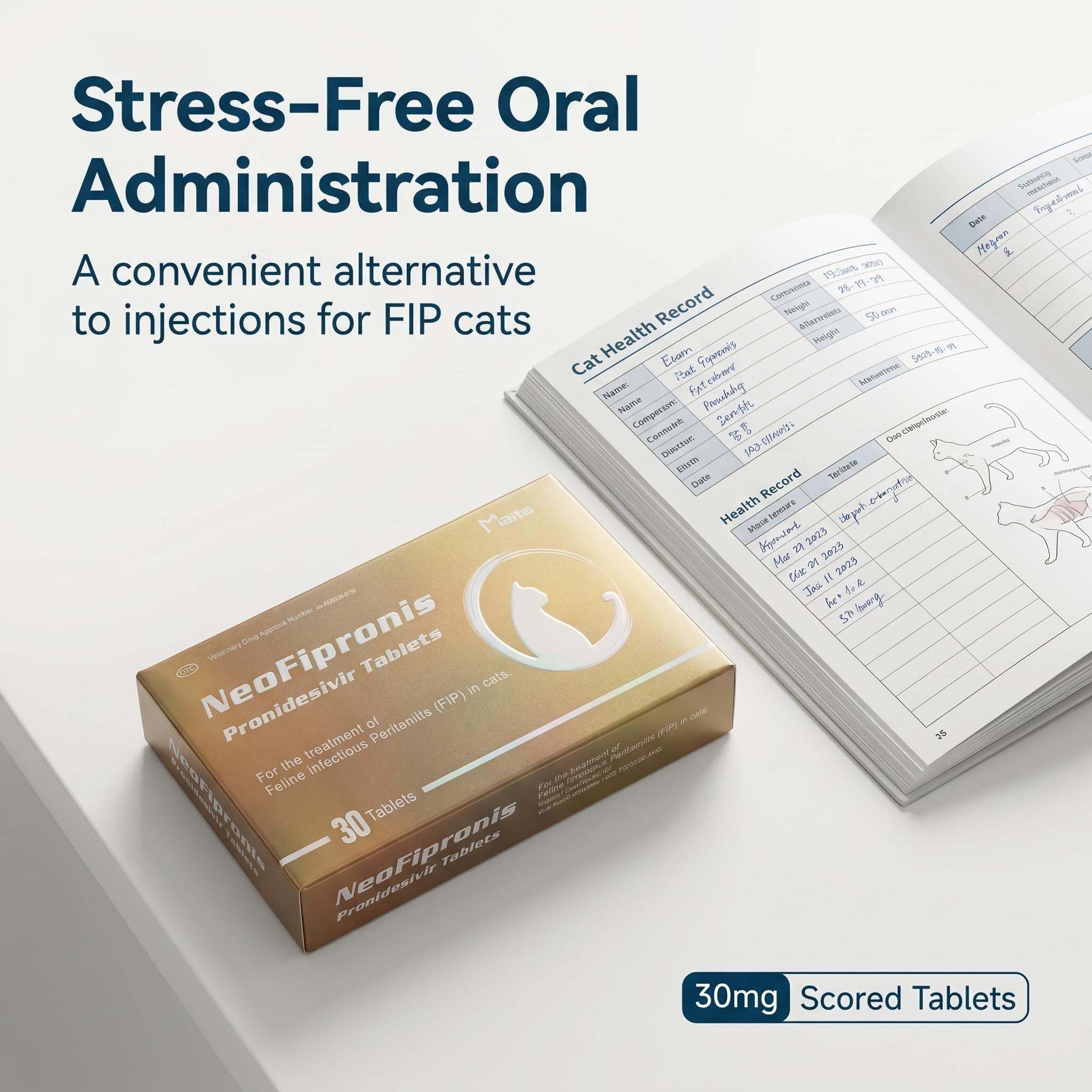
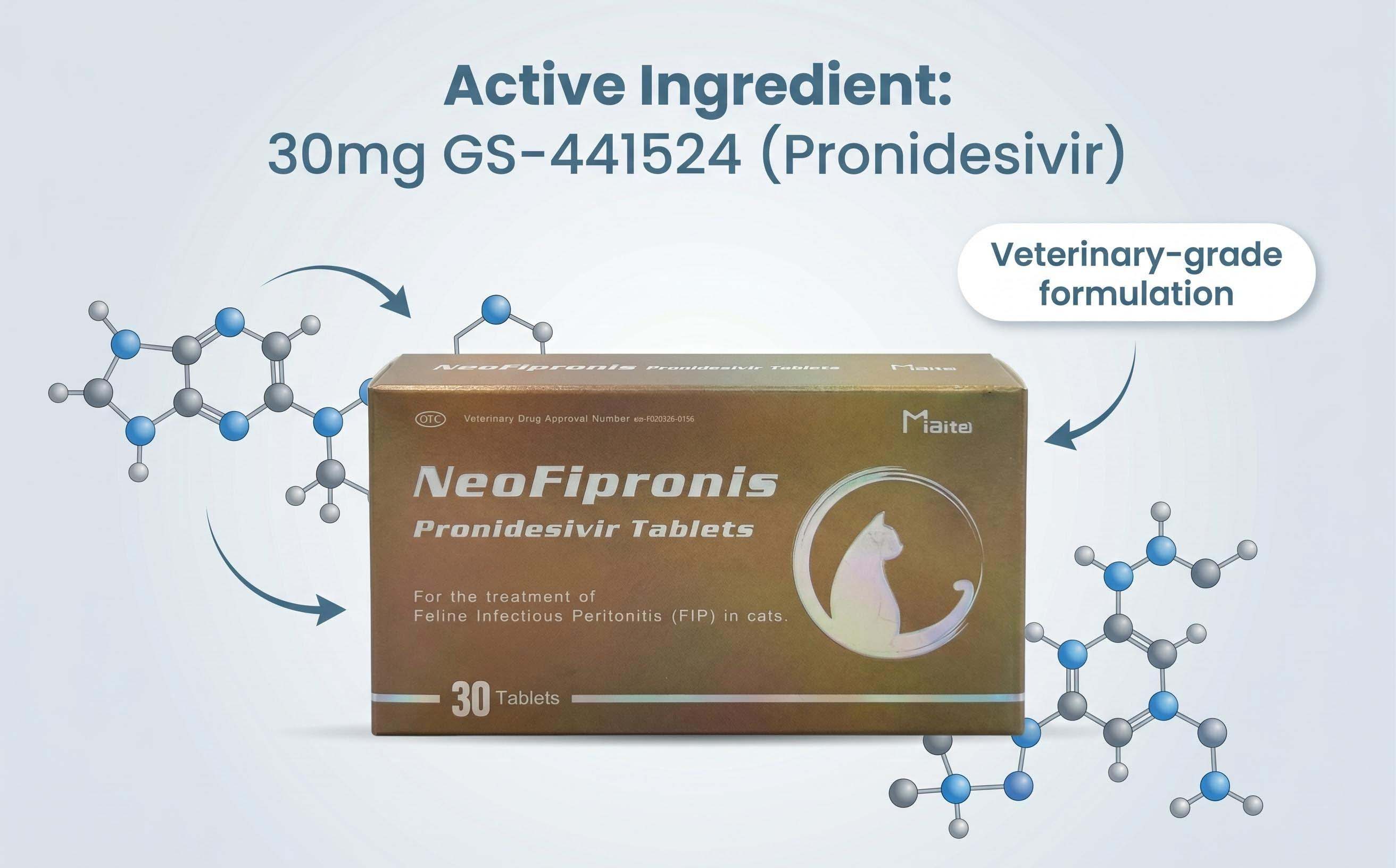
Recent years have seen the emergence of oral FIP medications, such as GS-441524 in tablet form. These are less likely to cause pain, though absorption may be inconsistent in cats with gastrointestinal involvement, and dosing may be less precise.
Some owners and veterinarians transition from injectables to tablets after initial viral suppression, if oral treatments are available and the cat tolerates them. Nevertheless, injectables remain the gold standard for severe or neurological FIP.
Adverse Reactions and When to Seek Help
While moderate pain is expected, severe swelling, ulceration, necrosis, or refusal to eat may signal a serious reaction. Immediate veterinary attention is warranted in these cases; sometimes, hospitalization is necessary to manage secondary infections or tissue damage.
Cats who consistently resist injections may develop negative associations requiring behavioral intervention. Owners should consult their veterinarian for help adjusting protocols or possibly changing medication formulations.
The Psychological Component
Chronic disease and daily injections take a toll not only on the cat but the owner–cat bond. Anxiety in both parties can heighten the perception of pain. Support groups, experienced veterinarians, and online communities can guide new FIP caregivers through the emotional burden.
Veterinary Advances in Reducing Injection Pain
Ongoing research focuses on creating formulations with lower acidity and alternative carriers, aiming to make injections less caustic. Some compounding pharmacies now offer buffered GS-441524 or diluted preparations, which can be less painful but require adjustment in dosing.
The veterinary field is still striving for a universally approved FIP medication with minimal side effects and pain. Until then, careful administration and proactive pain management remain paramount.
Owner Testimonials and Case Reports
Real-world feedback has shaped treatment protocols. Owners have shared that patience, gentle restraint, and reward-based approaches help lessen the trauma. Some cats adapt over time—others require firm but compassionate handling throughout the treatment course.
Case studies verify that pain, while prominent, rarely outweighs the ultimate benefit: survival. Recovery rates with injectable FIP medications have exceeded 80% in published cohorts. Still, quality of life during therapy is a priority.
Responsibilities of Cat Owners
Anyone contemplating FIP treatment should be aware of the challenges and commit to daily diligence. Communication with the veterinarian is essential, especially if pain is worsening or complications arise.
Educating oneself about injection technique, medication quality, and pain indicators helps maximize the cat’s comfort and outcome.
Conclusion
Injectable FIP medications are undeniably painful for many cats, but advances in technique and formulation continue to make treatment safer and more tolerable. Balancing the necessity of life-saving therapy with compassion and skill ensures that cats receive both effective medical care and the comfort they deserve.
References
1. Addie, D. D., & Jarrett, O. (2021). Feline Infectious Peritonitis: Recent Advances and Remaining Questions. Journal of Feline Medicine and Surgery, 23(4), 365-375.
2. Pedersen, N. C., Perron, M., Bannasch, M., Montgomery, E., Murakami, E., Liepnieks, M., & Liu, H. (2019). Efficacy and safety of the nucleoside analog GS-441524 for treatment of cats with naturally occurring feline infectious peritonitis. Journal of Feline Medicine and Surgery, 21(4), 271-281.
3. Dickinson, P. J., Bannasch, M., & Pedersen, N. C. (2020). Antiviral Treatment of Feline Infectious Peritonitis: Past, Present, and Future. Veterinary Clinics: Small Animal Practice, 50(6), 1261-1275.
4. Moser, M. E., Krabbe, R., & Sangl, L. (2021). Owner-Reported Injection Site Reactions in Cats Treated for FIP. Veterinary Record, 188(14), 560-567.
5. PetDoctorNews. (2023). Understanding FIP Injection Therapy: Pain, Management, and Alternatives. [https://www.petdoctornews.com/fip-injection-therapy-pain-management/](https://www.petdoctornews.com/fip-injection-therapy-pain-management/)
6. International Cat Care. (2020). Feline Infectious Peritonitis: Treatment Updates. [https://icatcare.org/advice/fip-treatment-updates](https://icatcare.org/advice/fip-treatment-updates)
7. FIP Warriors USA. (2022). Experiences and Protocols—FIP Injection Reports from Cat Owners. [https://fipwarriorsusa.com/injection-experience/](https://fipwarriorsusa.com/injection-experience/)