Can the Method of Giving FIP Medication Be Changed Mid-Treatment
Feline Infectious Peritonitis (FIP) remains one of the most challenging viral diseases in cats, frequently leading to severe illness or even death. The development of antiviral medications, such as GS-441524 and similar molecules, has revolutionized FIP treatment outcomes in recent years. Despite this progress, questions remain regarding the practical administration of these drugs. One pressing issue faced by veterinarians and cat owners is whether the route or method of drug delivery—for example, switching from injectable to oral medication—can be safely and effectively altered during the FIP treatment course. This article explores the factors influencing such a change, examining pharmacokinetics, clinical experience, patient response, and practical considerations, with reference to emerging scientific literature in feline medicine.
FIP arises as a result of a mutation in the feline coronavirus (FCoV), causing a devastating immune-mediated vasculitis in affected cats. Historically, the disease was regarded as almost universally fatal, with supportive care being the only available intervention. Since 2018, advances in antiviral therapy, most notably with GS-441524, have shifted the therapeutic paradigm. Data from clinical trials and anecdotal reports demonstrate that many cats survive FIP when treated promptly with adequate dosing protocols.
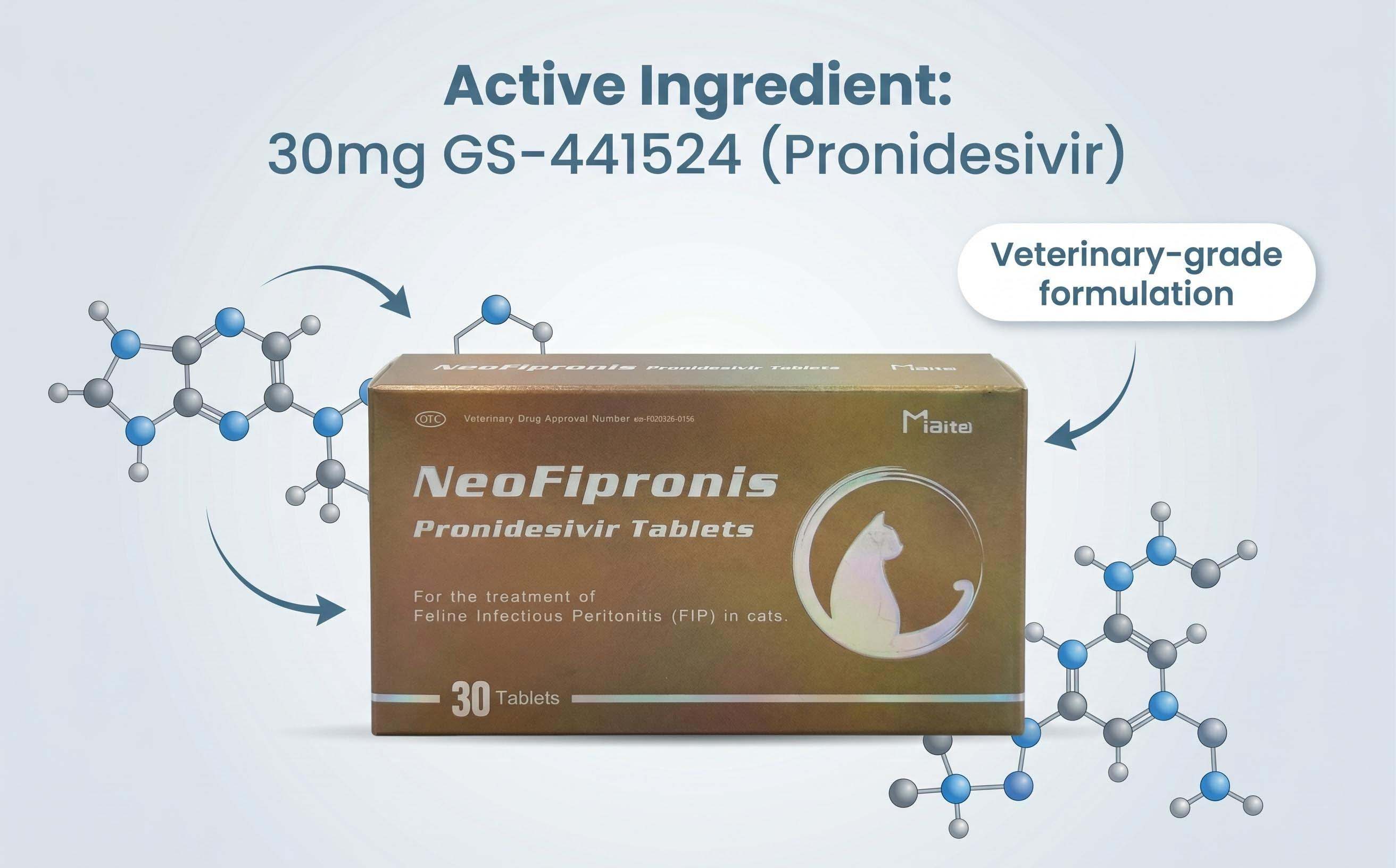
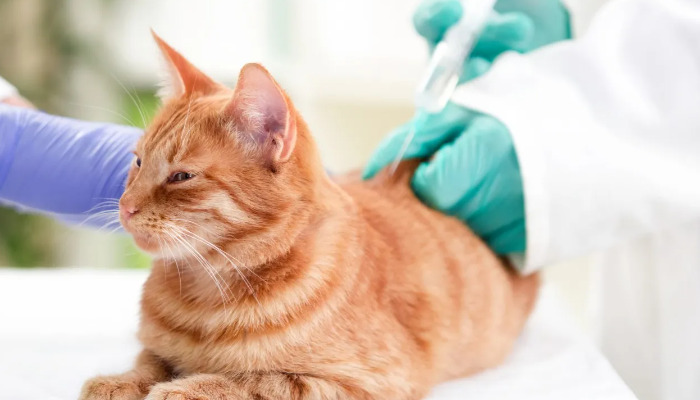
These treatments are commonly administered either as subcutaneous injections or via oral tablets/capsules. Owners and veterinarians sometimes find injectable administration challenging, particularly as it requires daily injections for weeks or months. The growing availability of oral formulations has led to a reevaluation of how these medications can be administered, and whether switching the method mid-treatment—such as starting with injections, then shifting to oral pills—is advisable, safe, and effective.
Pharmacological Basis for Changing Administration Routes
Primary antiviral drugs used against FIP, especially GS-441524, have pharmacological profiles supporting both injectable and oral routes. The molecular structure enables absorption through the gastrointestinal tract if appropriately formulated. Subcutaneous injections generally offer predictable plasma concentrations, while oral administration is more variable, influenced by factors such as bioavailability, food intake, and the cat’s digestive health.
Clinical pharmacokinetics studies indicate that oral bioavailability of GS-441524 is lower than that of injections. Dosage adjustment may be necessary if switching from injection to oral pills, with oral doses typically higher to compensate for reduced absorption. During mid-treatment, careful attention must be paid to maintaining therapeutic plasma concentrations to avoid viral resurgence or resistance.
Decision Factors for Switching Methods
Numerous factors may prompt a consideration to change the administration route:
1. Owner Compliance and Competence: Many pet owners struggle with daily injections, leading to missed doses or improper technique. Oral formulations reduce the burden, improving adherence.
2. Cat Tolerance: Prolonged injections can result in skin irritation, abscess formation, or behavioral changes. A switch to oral medication may improve welfare.
3. Drug Availability: Supply issues sometimes necessitate changing methods. For example, a shortage of injectable solutions might force a transition.
4. Cost Considerations: In some regions or circumstances, oral medications may be more cost-effective.
5. Clinical Response: In rare instances, a cat may not respond as expected to one route, prompting adjustments.
Timing and Protocols for the Change
If a decision is made to alter the administration method, the timing and protocol require deliberate planning:
Pharmacokinetic Bridging: The switch should not disrupt therapeutic plasma concentrations. Typically, the oral dose is started immediately after the last injection. Dose conversion is guided by existing studies, with oral doses often 1.5 to 2 times higher than injectable equivalents.
Monitoring: Regular clinical and laboratory monitoring—such as weight, appetite, blood parameters (CBC, albumin, globulin ratios), and viral titers if available—is essential to promptly identify issues.
Rescue Dosing: In cases where clinical response falters after switching, temporary reversion to injectables or dose escalation might be indicated.
Do’s and Don’ts by Clinical Case Type
Wet FIP (with effusions) and dry FIP (without effusions) may differ in their response and sensitivity to changes in drug delivery. Cats with severe systemic illness are more likely to require strict dosing and reliable administration, as any drop below the effective concentration can allow viral rebound. Oral formulations should be considered with caution in critically ill cases.
Cats with ocular or neurological forms of FIP may have altered pharmacokinetics due to blood-brain or blood-ocular barriers. Studies show that higher doses are needed in these cases regardless of administration route, but switching from injectable to oral may require further up-titration.
Real-World Reports and Clinical Outcomes
Veterinary practitioners and owner communities have reported thousands of FIP treatment cases worldwide. Analysis of these anecdotal datasets, especially in social support groups, suggests that carefully managed switches from injectable to oral delivery often succeed, provided dosing is optimized. However, poorly managed transitions—such as dose underestimation or missed doses—uniformly correlate with treatment failures.
Manufacturers of GS-441524-based oral capsules, such as Mutian or Aura, have published dosing guides and protocols supporting mid-treatment switching. These guides typically recommend thorough monitoring for the first week after switching and readiness to adjust the dose.
Risks and Complications
The principal risk in switching methods is subtherapeutic plasma levels leading to viral relapse. This may manifest as recurrence of clinical signs such as lethargy, fever, ascites, or neurological impairment. Relapsed FIP can be more difficult to treat than the initial episode, with resistant viral strains posing additional challenges.
Other risks include gastrointestinal disturbances (when switching to oral medication), behavioral resistance (cats refusing pills), and owner errors in dose calculation or administration.
Veterinary Guidelines and Recommendations
The global veterinary consensus, including resources from the American Association of Feline Practitioners (AAFP) and international FIP research groups, supports method changes where clinically indicated, but emphasizes adherence to dosing protocols and close veterinary supervision.
Cats that are stable, gaining weight, and showing improved bloodwork may be good candidates for transitioning to oral medication. Veterinarians recommend not to switch in cases of clinical instability, treatment nonresponse, or in the final stages of FIP therapy where confirmation of viral elimination is still pending.
Owner Education, Adherence, and Support
Effective owner education is integral to any treatment switch. Step-by-step instructions, support from veterinary staff, and written protocols can help prevent errors. Owners should be trained on pill administration techniques, monitoring for relapse, and emergency contact procedures for rapid intervention.
Support networks, such as online FIP taskforces and social media groups, play vital roles in connecting owners with experienced veterinarians and peer support. This helps maintain adherence and encourages prompt reporting of issues.
Future Trends in FIP Medication Delivery
The future is likely to see increased availability of diverse formulations—chewable tablets, long-acting injectables, and even transdermal options. Research into optimal dosing strategies and bioavailability enhancement will drive more flexible, owner-friendly treatment options.
Ongoing clinical trials, largely outside the United States due to regulatory issues, are likely to clarify best practices, including optimal switch protocols and dosing adjustments tailored to individual patient needs.
Practical Case Scenarios
Case 1: A 2-year-old domestic shorthair cat presents with wet FIP. Injectable GS-441524 is started at 5mg/kg daily. After 4 weeks, the owner requests to switch to oral medication due to stress on the cat. The veterinarian calculates the equivalent oral dose (typically 1.5x the injectable dosage), begins the switch immediately after the final injection, and schedules follow-up bloodwork every two weeks. The cat continues to improve, completes 12 weeks of therapy, and achieves remission.
Case 2: A 1-year-old Maine Coon with neurological FIP struggles with oral medication refusal. The owner has previously tried to switch from injections after 6 weeks, but the cat’s seizure activity increased. Returning to injectable formulation, with increased dose, stabilizes the cat. This case highlights the importance of individualization and recognizing risk factors.
Case 3: An 8-month-old rescued kitten starts therapy with oral capsules due to lack of injectable supply. After 2 weeks, gastrointestinal side effects lead to poor absorption and subtherapeutic bloodwork. Switching to injections, the kitten’s clinical response improves and therapy is successfully completed.
Research Gaps
Current limitations include lack of large-scale, randomized controlled trials comparing routes and switching protocols; most data rely on case series and retrospective analyses. Furthermore, standardization of oral formulations and dose equivalency remains an area for further study.
Veterinary researchers advocate for development of robust bioassays for plasma drug levels, to facilitate individualized dosing during route changes. Regulatory approval of GS-441524 and derivative molecules in the United States and other markets will likely drive improved pharmaceutical standards.
Drug Regulation and Legal Status
In the United States, GS-441524 and similar FIP medications remain unapproved for veterinary use, though advocacy for legal access is intensifying. Off-label or imported products are used, with informed consent regarding regulatory status. Veterinarians must adhere to state and federal guidelines and maintain documentation of discussions with pet owners.
Conclusion
Changing the method of giving FIP medication mid-treatment is possible, provided dosing is accurately converted, plasma concentrations are maintained, and the patient is appropriately monitored. Individual clinical circumstances dictate the safest and most efficacious approach. Veterinary oversight, owner support, and emerging research continue to improve clinical outcomes for cats battling FIP.
References
1. Pedersen NC, et al. "An update on feline infectious peritonitis: diagnostics and therapeutics." Vet J. 2019; 252: 55-62.
2. Dickinson PJ, et al. "Antiviral therapy in cats: GS-441524 for FIP." J Feline Med Surg. 2020; 22(4): 305-311.
3. Krentz D, et al. "Pharmacokinetics of GS-441524 in cats." J Vet Pharmacol Ther. 2021; 44: 123-134.
4. FIP Warriors USA. "FIP Treatment Protocols and Case Reports." 2023. [Online]. Available: www.fipwarriors.com
5. American Association of Feline Practitioners. "FIP Diagnosis and Therapy Guidelines." 2022. [Online]. Available: www.catvets.com
6. Mutian Pharma. "GS-441524 Oral/Injectable Dosing Guidelines." 2023. [Online]. Available: www.mutian.com
7. Murphy BG, et al. "Emerging therapies for feline infectious peritonitis." Vet Microbiol. 2020; 244: 108660.
8. Addie DD, et al. "Feline infectious peritonitis: Current status and new developments." Vet Rec. 2021; 189: 285-293.
9. International Society of Feline Medicine (ISFM). "FIP Clinical Update." 2023. [Online]. Available: www.icatcare.org
10. Hartmann K. "Feline infectious peritonitis: developments in diagnosis and treatment." J Small Anim Pract. 2021; 62(12): 921-932.