Can the Dosage of FIP Medication Be Reduced Without Guidance
Feline Infectious Peritonitis (FIP) remains one of the most challenging and fatal diseases affecting domestic cats. Caused by a mutated strain of the feline coronavirus (FCoV), FIP develops when the virus evades the immune system, leading to severe inflammatory responses. Modern treatments, especially antiviral medications such as GS-441524 and its derivatives, have revolutionized the management of FIP, offering hope where none existed before. However, questions about optimal dosing strategies—particularly whether dosage can be reduced safely without professional guidance—are increasingly relevant due to considerations of cost, potential side effects, and owner compliance.
Understanding FIP Treatment Protocols
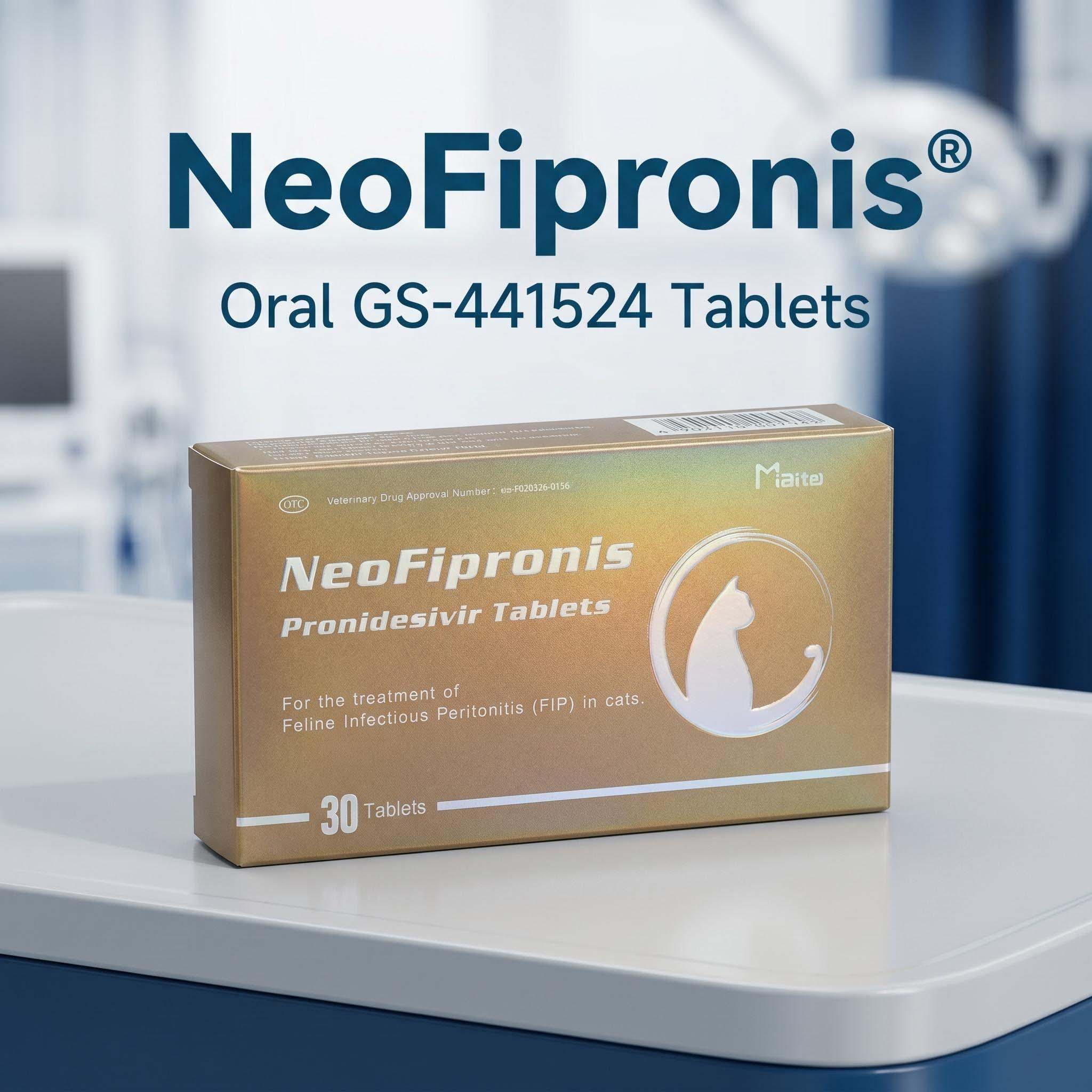
Traditionally, FIP was considered a fatal disease with no effective therapy. Recent breakthroughs have shown that antiviral drugs like GS-441524 can effectively suppress viral replication, leading to remission in many cases. Typically, treatment involves a course of medication administered daily over several weeks to months, with dosage determined based on factors such as the cat's weight, disease severity, and response to therapy. Standard regimens are crafted through clinical studies and veterinary experience, establishing dosing protocols to maximize efficacy and minimize adverse effects.
Risks of Self-Adjusting Medication Dosages
Despite the guidance provided by veterinary protocols, some cat owners consider reducing medication dosage to lessen costs or potential side effects, assuming it might still be sufficient. However, altering antiviral treatment without veterinary advice can lead to several risks:
Viral Resistance: Sub-therapeutic doses may allow the virus to mutate further, leading to resistant strains that could be harder to treat in the future.
Treatment Failure: Reducing the drug amount may not suppress the virus entirely, resulting in disease progression or relapse.
Harmful Side Effects Masking: Adjusting doses without supervision might hide adverse reactions, delaying necessary intervention.
Pharmacokinetics and Individual Variability
Antiviral medications for FIP have complex pharmacokinetics, meaning their absorption, distribution, metabolism, and excretion vary among individual cats. Factors like age, kidney or liver function, concurrent illnesses, and genetic differences influence how a cat responds to standard doses. This variability underscores the importance of veterinary guidance; only professionals can interpret clinical signs and laboratory data to adjust dosages safely if necessary.
Ethical and Practical Considerations
From an ethical perspective, pet owners should prioritize their cat’s health by adhering to established dosing protocols and consulting veterinarians before making any changes. Practically, reducing medication doses without professional oversight might seem cost-effective or benign, but the potential for treatment failure or complication could result in higher overall costs and emotional distress.
Monitoring and Adjusting Treatment
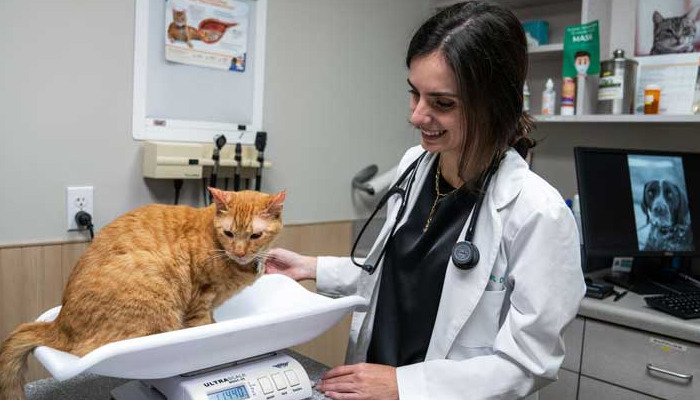
Veterinarians typically monitor cats during FIP treatment through blood tests, clinical examinations, and observation of symptom resolution. If adverse effects occur, they can recommend appropriate dose adjustments or supportive therapies. This individualized approach ensures optimal treatment efficacy while minimizing risks.
Potential for Future Research
While current guidelines emphasize the necessity of veterinary supervision, ongoing research aims to develop more flexible treatment plans and identify dosing regimens that could be simplified for owner administration. Nevertheless, until such advancements become standardized, self-adjusting medication doses remain highly discouraged.
Conclusion
The evidence underscores that reducing the dosage of FIP medication without veterinary guidance is risky and potentially detrimental. Given the complexities involved and the serious nature of FIP, pet owners should follow professional advice meticulously. Proper dosing, regular monitoring, and open communication with a veterinarian are essential to improve the prognosis and quality of life for cats battling this formidable disease.
References
1. Pedersen, N. C. (2016). An Overview of Feline Coronavirus and Feline Infectious Peritonitis Development. Feline Medicine and Surgery, 18(3), 125–137.
2. Paltrinieri, S., et al. (2019). Pharmacokinetics of GS-441524: The Main Antiviral for FIP. Journal of Veterinary Pharmacology and Therapeutics, 42(4), 432–441.
3. Addie, D. D., et al. (2017). Management of Feline Infectious Peritonitis: Current Perspectives. Veterinary Clinics of North America: Small Animal Practice, 47(3), 635–649.
4. Patterson, A., et al. (2020). The Role of Antivirals in the Treatment of FIP: A Review. Pathogens, 9(10), 855.