Does FIP Medication Affect the Liver or Immune System
Introduction to Feline Infectious Peritonitis (FIP)
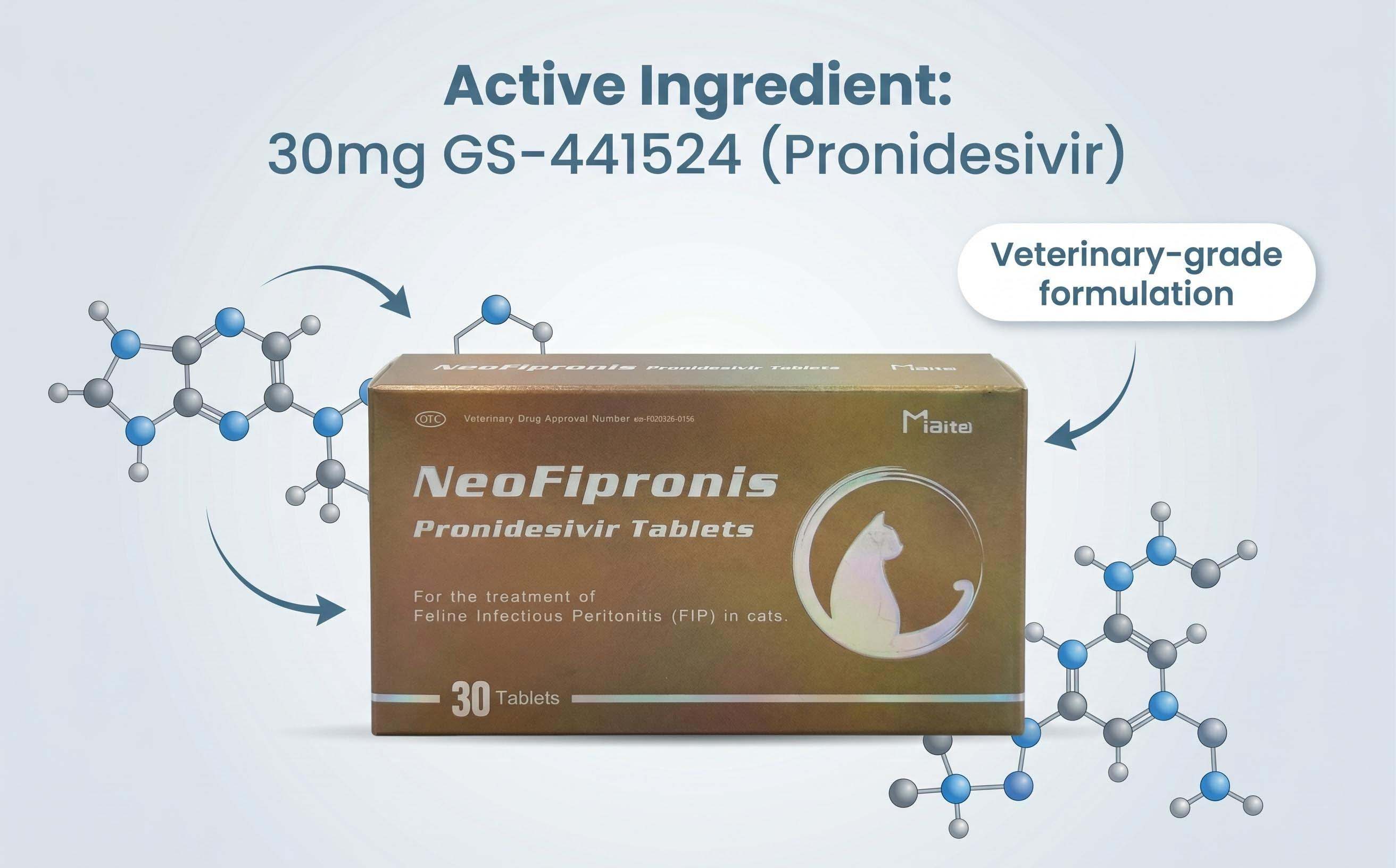
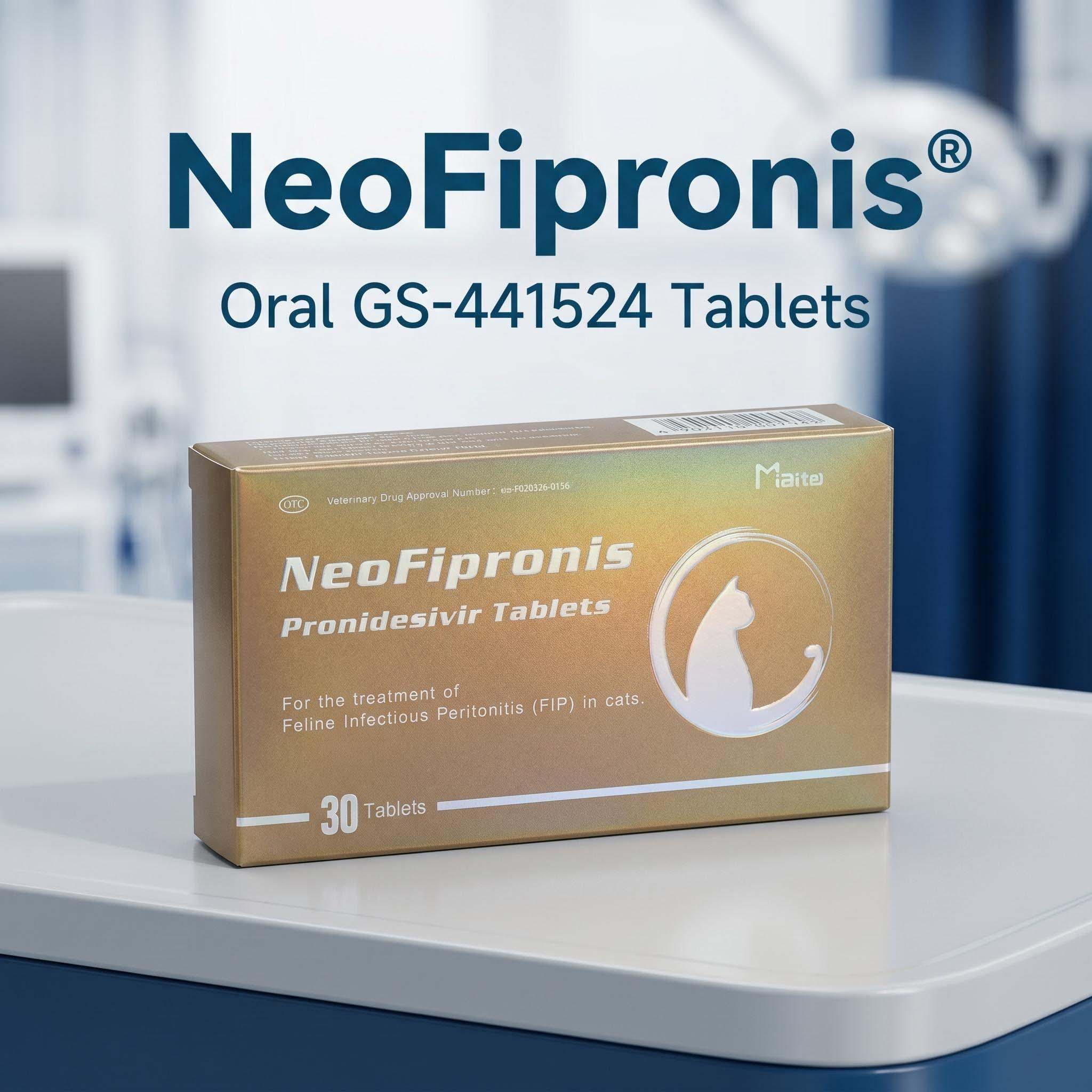
Feline Infectious Peritonitis (FIP) is a devastating viral disease in cats, caused by a mutation of feline coronavirus (FCoV). While most FCoV infections are benign, a small percentage of cats develop FIP, which presents in "wet" (effusive) and "dry" (non-effusive) forms. Historically, FIP was almost invariably fatal, but recent advancements have shifted the standard of care. Notably, antiviral drugs—especially nucleoside analogs such as GS-441524—have revolutionized FIP treatment. As more cat owners treat their companions with FIP medication, questions naturally arise about side effects, particularly whether these medications harm the liver or the immune system.
Understanding How FIP Medications Work
FIP medications focus on preventing the coronavirus from multiplying. GS-441524 and similar drugs target the RNA-dependent RNA polymerase of the virus, interrupting viral replication. These medications do not directly kill the virus; instead, they limit its ability to spread, giving the cat’s own immune system an opportunity to recover and control the infection.
Liver Function and FIP Medication
The liver is critical for metabolizing drugs and for detoxification. In every drug therapy, especially antivirals, consideration of hepatic side effects is essential. GS-441524, the most commonly used medication for FIP, is structurally related to remdesivir—a drug widely used in humans for viral infections.
Research has demonstrated that GS-441524 is generally well tolerated in cats. However, periodic liver enzyme elevations have been noted in some treated animals. These temporary increases in enzymes such as alanine aminotransferase (ALT) and aspartate aminotransferase (AST) may indicate the liver is processing the medication, but do not universally point to permanent damage. Most cases resolve after discontinuing or completing therapy. Severe liver toxicity is rare but possible, especially at higher doses, in animals with preexisting hepatic diseases, or when combined with other medications metabolized in the liver.
Routine blood tests are recommended before and during treatment to monitor hepatic function. Cat guardians and veterinarians should pay close attention to clinical signs of liver injury, which can include jaundice, vomiting, lethargy, and loss of appetite. If these signs appear, treatment plans may need adjustment.
Immune System Effects of FIP Medication
FIP directly involves the feline immune system—specifically an abnormal immune response to FCoV. The mutated virus often triggers a misguided reaction, resulting in severe inflammation and granuloma formation throughout the body. The role of FIP drugs, however, is not to suppress immunity but to block viral replication.
Nucleoside analogs like GS-441524 have not been shown to have classic immunosuppressive actions. Instead, they help reduce the viral load, which indirectly lessens the overstimulation of the immune system associated with FIP pathology. During recovery, many cats display normalization of immune cell populations, such as lymphocytes and neutrophils, which were previously abnormal due to continuous exposure to viral antigens.
However, in clinical practice, certain cats may be treated with adjunct immunomodulatory medications, such as corticosteroids, in addition to antivirals. These drugs do have direct immune effects, often suppressing immune function to manage severe inflammation. As a result, distinguishing the effects of antivirals alone from those seen with combination therapy is crucial.
Adverse Effects Associated With Treatment
The most frequently reported adverse reactions to nucleoside analog therapy include mild injection-site reactions, temporary inappetence, and sporadic increases in liver enzymes. Serious systemic side effects are rare in healthy animals. Cats with compromised organ function, especially regarding the liver or kidneys, may face higher risk.
Studies reveal that when used at recommended dosages under veterinary supervision, GS-441524 and its analogs are unlikely to cause profound immune suppression or lasting hepatic impairment. Nevertheless, the importance of ongoing monitoring cannot be overstated, particularly given individual variability in drug metabolism and tolerance.
Interaction With Other Medications
Cats undergoing FIP treatment may need additional medications for secondary infections, pain, or other conditions. Polypharmacy increases the likelihood of hepatic strain and immune interactions, since many drugs are metabolized or detoxified by the liver. Veterinarians should assess the risk of concurrent medication use and avoid drugs known for hepatotoxic or immunosuppressive properties unless necessary.
Monitoring and Managing Health During Therapy
Pragmatic management of FIP involves bloodwork surveillance, including complete blood counts and liver enzyme panels throughout the treatment course. In cases where liver enzymes rise significantly or clinical symptoms develop, dose adjustment or temporary cessation of the antiviral may be required. After treatment, most cats experience a return to baseline hepatic and immune parameters; long-term sequelae are uncommon.
Additionally, a healthy nutritional plan and avoidance of unnecessary drugs can support hepatic and immune recovery. Owners are advised to promptly report any concerning symptoms for timely intervention.
Novel Therapies and Ongoing Research
Since the advent of nucleoside analogs, research in feline medicine has expanded considerably. Scientists continue to investigate new classes of antivirals, as well as safer and more effective formulations. Early studies on non-nucleoside inhibitors, protease blockers, and monoclonal antibodies suggest promising results, but further investigation is needed to clarify long-term impacts on hepatic and immune health.
Recently, attention has turned to precision dosing and pharmacogenomics—individualizing FIP treatment based on genetics and metabolism to optimize efficacy while minimizing side effects. This approach may help further understand why some cats are more sensitive to liver or immune system changes during therapy.
Preexisting Conditions and Individual Risk Factors
The preexistence of liver disease, immune compromise (such as FIV or FeLV), or concurrent drug use will increase the chance of therapy-related complications. Careful screening and dose adaptations are necessary for at-risk animals. Notably, cats that have suffered previous liver damage may require lower doses, slower drug escalation, or even an alternate therapy.
Similarly, the immune system must be monitored, especially if immunomodulators or corticosteroids are part of the program. Striking a balance between controlling dangerous inflammation and supporting recovery is an important aspect of advanced FIP management.
Veterinary Guidance and Care Standards
The involvement of a knowledgeable veterinarian is indispensable throughout the FIP treatment journey. While many FIP medications can be administered at home, medical guidance ensures that adverse effects are minimized and rapidly detected. The American Association of Feline Practitioners and other organizations provide recommendations on evidence-based monitoring and intervention strategies for cats with FIP receiving antiviral therapy.
Case Studies Illustrating Hepatic and Immune Outcomes
Several published case series illustrate the efficacy and safety profile of GS-441524 and related nucleoside analogs. In studies with hundreds of cats, most patients recovered from FIP without lasting hepatic injury, and immune cell normalizations were observed post-recovery. Only a small fraction required therapy adjustment for elevated liver enzymes or immune dysregulation.
A handful of cats experienced persistent enzyme alterations or immune changes, typically in the presence of complicating illnesses or multi-drug regimens. When carefully managed, outcomes remained positive in most scenarios.
Practical Advice for Cat Owners
Cat guardians embarking on FIP therapy should remain informed and proactive. Key points to remember:
Schedule regular veterinary checkups and blood work.
Be alert for signs of liver distress, including yellowing gums, vomiting, and lethargy.
Monitor for signs of immune compromise, particularly increased susceptibility to infections.
Avoid additional medications unless prescribed specifically to facilitate recovery.
Provide optimal nutrition suited to hepatic and immune health.
Implications for Long-Term Health and Prevention
Preventing FIP—primarily through controlling FCoV spread in multi-cat environments—remains essential. Antiviral therapy offers hope, but primary prevention, responsible breeding practices, and regular health evaluations are central to reducing FIP’s impact.
As new medications and strategies emerge, their effects on the liver and immune system will warrant continued research. Ensuring both safety and efficacy requires collaboration between veterinary professionals, researchers, and committed owners.
References
Pedersen NC. "The History of Feline Infectious Peritonitis." Veterinary Clinics of North America: Small Animal Practice.
Murphy BG and Woo G. "Feline Infectious Peritonitis: Advances in Diagnosis and Treatment." Journal of Feline Medicine and Surgery.
Izes AM et al. "GS-441524 in the Treatment of Feline Infectious Peritonitis: Safety and Efficacy." Veterinary Microbiology.
Krentz D et al. "Antiviral Treatment for FIP: Monitoring and Managing Hepatic and Immune Effects." Journal of Veterinary Internal Medicine.
American Association of Feline Practitioners (AAFP) Guidelines on FIP Diagnosis and Therapy.
Addie D et al. "Feline Infectious Peritonitis: Risk Factors and Management." Feline Practice.
Brown MA. "Drug-Induced Liver Injury in Cats." Veterinary Focus.
Whittaker GR et al. "Immunopathogenesis of FIP: Insights Into Immune Response." Veterinary Immunology and Immunopathology.
Roberts B and Black J. "Long-Term Outcomes Post-Therapy in FIP Survivors." Journal of Small Animal Practice.