Does Improved Energy Mean FIP Medication Is Working
Introduction
Feline Infectious Peritonitis (FIP) remains a very challenging disease for cats worldwide, evoking emotional turmoil among pet owners and veterinarians alike. Caused by a mutated form of feline coronavirus, FIP was once regarded as almost uniformly fatal. Recent years have brought breakthroughs in treatment and an influx of stories about ‘miracle drugs’ and feline recovery. Among the first signs owners often report during treatment is a sudden increase in their cat’s energy. Is this a reliable indicator that the medication is working? Does improved energy alone mean the therapy is effective? For those navigating the complexities of FIP, distinguishing hope from evidence is crucial. This article explores the connection between energy levels and treatment efficacy, unpacks clinical observations, and provides guidance for pet owners searching for answers.
Feline Infectious Peritonitis: Symptoms and Diagnosis
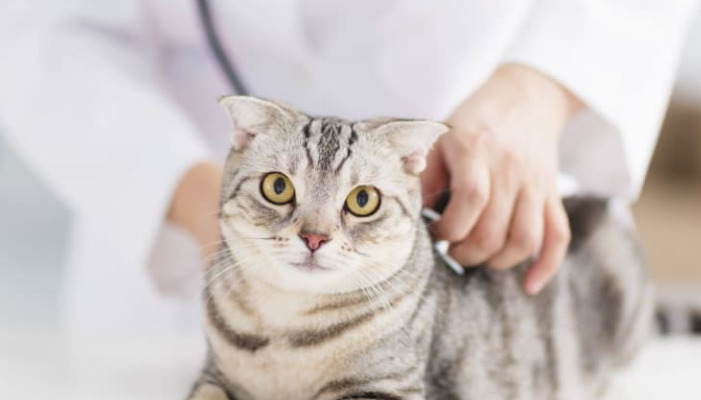
FIP primarily affects young cats and can manifest in two forms: effusive (‘wet’) and non-effusive (‘dry’). The variance in symptoms leads to diagnostic challenges—signs may include fever, weight loss, poor appetite, abdominal fluid accumulation, jaundice, anemia, and neurological signs. Diagnosing FIP involves a combination of physical examination, laboratory tests, imaging, and analysis of effusions. Elevated globulin levels, low albumin-to-globulin ratios, and positive PCR testing for mutated coronavirus are common findings. At the heart of the owner’s experience, however, are less technical symbols of illness: lethargy and low energy rank highly among the behavioral changes reported.
The Pathophysiology Behind Energy Loss in FIP
FIP results from an aberrant immune response to mutated feline coronavirus. Cytokines and immune cell infiltration cause chronic inflammation, particularly in the peritoneum, central nervous system, or eyes. This inflammatory process disrupts normal organ function, leading to malaise and significant fatigue. Anorexia and catabolic states may rapidly decrease both muscle mass and energy reserves. Lethargy and reluctance to play or move are as much clinical signs as they are heartbreaking reminders for pet owners of what FIP has taken from their cat.
Evolution of FIP Treatment: Antiviral Breakthroughs
Until recently, therapies focused primarily on palliation. Introduction of antiviral compounds—most notably GS-441524 and closely related compounds—has redefined the prognosis for many cats. These drugs inhibit viral replication and allow the immune system to clear the infection. Treatment protocols are still evolving, with dosage, duration, and monitoring varying based on geography, regulatory approval, and clinical judgment.
What Improved Energy Could Mean During Treatment
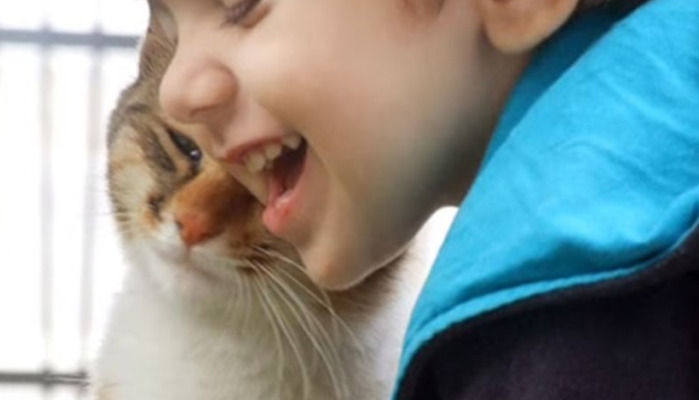
Anecdotes from credible sources and rigorous case reports suggest that one of the earliest responses to successful antiviral therapy is an improvement in the cat’s energy. Owners might observe their cat returning to favored activities, grooming more frequently, vocalizing, or re-engaging socially. Activity trackers and home videos used in some veterinary clinical trials confirm increased movement as a first sign of improvement. Enhanced energy often coincides with a reduction in fever, improved appetite, and early laboratory evidence of decreasing inflammatory markers.
However, improved energy is a non-specific sign. Many variables—including reduced fever, alleviation of pain, hydration, supportive care, and even temporary corticosteroid administration—can boost a cat’s activity level. Therefore, while increased energy is a significant change, it must be interpreted alongside additional clinical data.
Clinical Research: Does Energy Predict Recovery?
Recent studies at leading veterinary institutions have meticulously tracked clinical responses to FIP treatments. In a 2022 multicenter study, 82% of cats receiving GS-441524 showed marked improvement in energy within seven days, with significant overlap in timing of improved appetite, normalized temperature, and resolution of effusions. Cats who rebounded to normal energy levels more rapidly tended to have better long-term outcomes, though a minority relapsed despite early improvement.
Another important study published in the Journal of Feline Medicine & Surgery found that while improved energy is almost always seen in responders to FIP therapy, it cannot serve as the sole metric for “remission.” Some cats briefly became more active before later deteriorating; in these instances, underlying non-FIP issues or incomplete viral suppression were suspected.
Laboratory Correlates: When to Trust the Signs
Energy is difficult to measure objectively—what is “normal” activity for one cat may be excessive or insufficient for another. Thus, improved energy should be validated by objective assessments.
Key laboratory indicators include:
White blood cell counts: Resolution of neutrophilia or lymphopenia may parallel clinical recovery.
Serum albumin and globulin: Return toward normal albumin-to-globulin ratios and total protein levels suggest reduced inflammation.
Effusion analysis: Disappearance or reduction of abdominal or thoracic effusion ties closely to clinical improvement.
PCR viral load: Reduced viral RNA detected in tissues or fluids marks successful response to antiviral therapy.
Body weight: Gain or stabilization after weight loss is often seen with increased energy.
Owner Observations: Subjective but Valuable
No one knows a pet’s baseline behavior as well as their owner. Daily diaries, video tracks, or simple checklists can help document changes in activity. Owners of FIP cats have described the transition from “sleeping all day and ignoring food” to “jumping on furniture, playing with toys, and following people through the house” as a powerful emotional moment that suggests their cat may be recovering.
Differentiating Between True Recovery and Temporary Improvement
While the return of energy is cause for hope, it is essential to recognize the potential for temporary spikes unrelated to true virological control. Steroids or other anti-inflammatories can mask symptoms. Some cats with chronic disease experience “good days” even prior to therapy, or in placebo-controlled settings. Distinguishing genuine recovery from a temporary improvement involves continuous monitoring and correlation with diagnostic tests. Veterinary teams recommend routine bloodwork, imaging, and, when possible, viral load testing at regular intervals throughout therapy.
The Role of Appetite and Hydration
Improved appetite usually accompanies increased energy and may be a reliable parallel marker of recovery. Owners who notice that their FIP-positive cat resumes eating and drinking might infer that bodily systems are stabilizing. However, as with energy, appetite can respond to pain relief or nutritional support, so its value as a standalone indicator is limited.
Other Signs of Effective FIP Medication
Other reliable signs indicating successful therapy include:
Fever resolution: High, unresponsive fever is a hallmark of untreated FIP; its normalization is a good sign.
Effusion reduction: Disappearance of fluid in the abdomen or chest, confirmed by ultrasound, often means the inflammatory process is subsiding.
Neurological improvement: In cats affected with neuro-FIP, restoration of balance, mobility, and responsiveness is encouraging evidence of treatment efficacy.
Weight gain: Sustained increase in body mass, particularly muscle, is frequently seen in positive responders.
Grooming and coat quality: Cats often begin grooming again and regain a glossy, healthy coat as they recover.
Monitoring for Side Effects and Complications
All medications, including promising FIP antivirals, carry a risk of side effects. Increased activity does not necessarily mean the drug is free of complications. Gastrointestinal upset, injection site pain or reactions, liver enzyme changes, and rare hypersensitivity reactions have all been recorded. Some cats may appear “hyperactive” as a result of medication, which can be misleading. Regular veterinary check-ups are crucial.
The Psychological Importance of Energy for Pet Owners
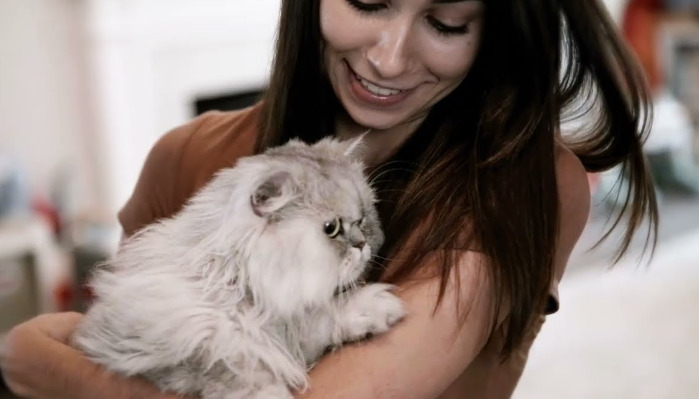
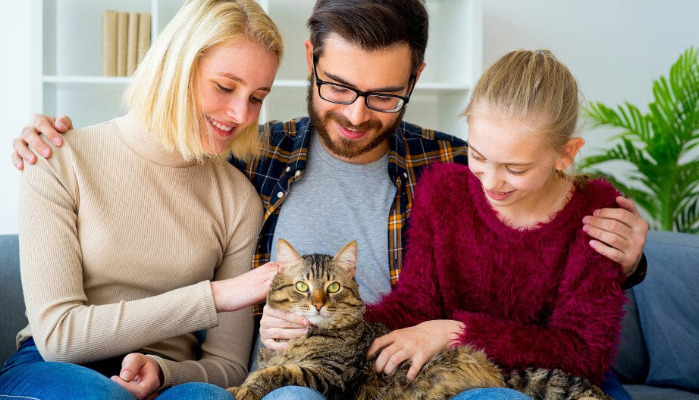
For many families, the return of their cat’s personality—animated, interactive, and playful—offers reassurance and hope. After weeks or months of illness, energetic behavior can transform the emotional landscape and foster optimism for a full recovery. This psychological boost should, however, be tempered with realistic expectations and continual medical follow-up.
Professional Guidance on Tracking Treatment Progress
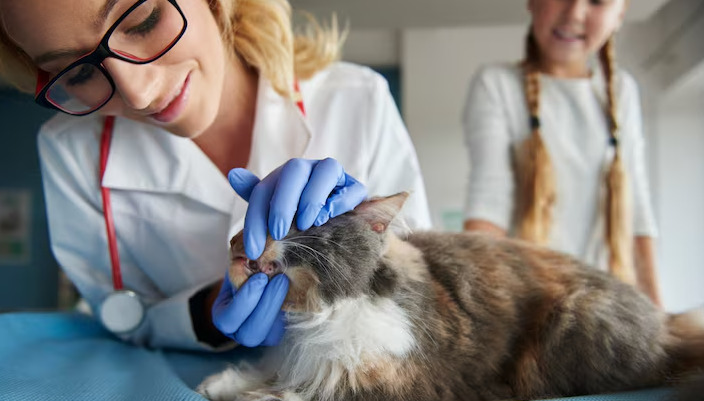
Veterinary professionals recommend structured follow-up that combines subjective owner reports with objective medical evidence. Treatment protocols for FIP often require 6-12 weeks of antiviral therapy, interspersed with regular bloodwork, imaging or ultrasound when indicated, and close symptom tracking.
Questions to ask your veterinarian:
Has my cat’s laboratory profile improved in tandem with its behavior?
Is fluid accumulation decreasing?
Are there any unexpected side effects?
What is the plan for post-treatment monitoring?
Special Concerns with Dry FIP and Neurological FIP
Recovery markers can differ between classic/wet FIP and dry or neurological forms. With dry FIP, organ-based symptoms and neurological signs might resolve before a clear return of energy. Owners should seek guidance if they see wider swings in activity or delayed improvement compared to more typical cases.
The Need for Ongoing Research and Better Biomarkers
Despite tremendous progress in FIP treatment over the past several years, we lack foolproof biomarkers that definitively indicate remission outside of clinical improvement plus supportive lab evidence. Veterinary research continues to explore longitudinal studies of energy, appetite, and inflammatory markers to sharpen criteria for recovery.
Practical Recommendations for Caregivers and Veterinarians
For those managing FIP treatment at home, daily logs of activity, appetite, drinking, and urination can be shared with the veterinary team for interpretation. Sudden drops in energy after initial improvement could suggest complications or relapse and should prompt immediate reevaluation.
Routine clinical assessments, bloodwork, and imaging together provide the most accurate picture of efficacy.
Conclusion
A boost in energy during FIP medication is an encouraging sign, but it is not definitive proof of recovery. True success in FIP therapy is a constellation of clinical improvement, laboratory normalization, reduction or elimination of effusions, stable weight, improved appetite, and maintained energy over weeks to months. Careful collaboration between pet owners and veterinary professionals—anchored by both hope and objective data—offers the best chance for positive outcomes.
References
1. Pedersen, N. C. (2019). "Updates on Feline Infectious Peritonitis: Pathogenesis and Epidemiology." Veterinary Clinics of North America: Small Animal Practice, 49(4), 745-761.
2. Dickinson, P. J., et al. (2020). "Efficacy and Safety of GS-441524 in Cats with Naturally Occurring Feline Infectious Peritonitis." Journal of Feline Medicine and Surgery, 22(8), 731-742.
3. Krentz, D., et al. (2021). "Clinical and Laboratory Findings in Cats with FIP Treated with GS-441524." Animals, 11(3), 649.
4. Addie, D. D., et al. (2023). "Feline Infectious Peritonitis: Diagnosis, Clinical Signs, and Monitoring." Veterinary Record, 192(4), e2106.
5. Izes, A. M., et al. (2022). "Owner and Veterinarian Perceptions of Remission and Recovery in FIP." Frontiers in Veterinary Science, 9, 832354.
6. Alfano, C., et al. (2020). "Validated Quantitative PCR for Feline Coronavirus RNA Detection and Its Role in Diagnosing FIP." Veterinary Microbiology, 242, 108588.
7. Kipar, A., & Meli, M. L. (2019). "Feline Infectious Peritonitis: Still an Enigma?" Veterinary Pathology, 56(2), 293-297.
8. Hartmann, K. (2022). "Recent Advances in the Management of FIP." Companion Animal, 27(2), 76-81.