Efficacy Studies of FIP Vaccines
Introduction to FIP Vaccines
Feline Infectious Peritonitis (FIP) remains one of the most perplexing and devastating diseases affecting domestic cats worldwide. The causative agent, feline coronavirus (FCoV), can mutate within the host, leading to the biphasic manifestation of FIP. Despite the catastrophic impact of this disease, vaccine development remains challenging. Several vaccine candidates have been evaluated over the years, each with varying degrees of success, reinforcement, and limitations. Understanding their efficacy involves examining multiple study results, trial designs, and real-world applications to derive meaningful insights.
Types of FIP Vaccines
Inactivated Vaccines
Historically, the first attempts at preventing FIP relied on killed virus formulations. These vaccines aim to stimulate humoral immunity without risking infection. However, their efficacy has been questioned due to inconsistent protective effects and concerns over antibody-dependent enhancement (ADE). Several studies indicate that, while inactivated vaccines may induce some initial immune response, they often do not prevent natural infection or progression, especially in high-risk environments.
Live-Attenuated Vaccines
Another approach involves attenuated strains that can replicate without causing disease. These vaccines tend to elicit a broader immune response, including cell-mediated immunity, which is more effective against viral infections. Nevertheless, the safety profile and potential reversion to virulence remain challenges. Some efficacy studies demonstrate partial protection, but the risk-benefit ratio remains under scrutiny.
Recombinant and Subunit Vaccines
Recent advancements have led to the development of vaccines based on recombinant viral proteins, aiming at targeted immune activation without introducing live virus. These formulations show promising immunogenicity in preliminary trials, with some evidence of reducing disease severity. Still, large-scale field studies are necessary to validate their protective efficacy fully.
Key Findings from Efficacy Trials
Protective Success Rates
Numerous controlled studies report varied success rates. In some trials, vaccinated cats exhibited significantly lower incidences of FIP compared to unvaccinated controls. Nevertheless, these results often depend on the exposure setting, age at vaccination, and immune status.
Age and Timing of Vaccination
Most efficacy studies indicate that early vaccination—typically at 8–16 weeks—yields the best outcomes. Despite this, some research suggests that maternal antibodies can interfere with vaccine-induced immunity, highlighting a narrow window for optimal immunization.
Limited Cross-Protection
Due to genetic variability among circulating FCoV strains, vaccine efficacy is often strain-dependent. Field trials reveal that certain vaccines may not confer broad-spectrum protection, necessitating ongoing surveillance to inform vaccine updates.
Assessment of Immune Response
Serological assays and cellular immunity tests are used extensively to evaluate vaccine-induced responses. Correlations have been observed between strong cell-mediated responses and resistance to FIP development, emphasizing the importance of this aspect in vaccine efficacy.
Field Trial Outcomes
Field studies, especially in multi-cat environments like shelters or catteries, provide real-world data. Some trials report decreased FIP incidence among vaccinated populations, while others show negligible differences—possibly attributable to environmental factors, exposure dose, or genetic predispositions.
Challenges in Efficacy Evaluation
Difficulty in Predicting Natural Infection
FIP's unpredictable progression complicates efforts to measure vaccine effectiveness. Laboratory trials may not fully replicate natural exposure scenarios, leading to discrepancies between controlled studies and field outcomes.
Ethical and Practical Constraints
Testing vaccines involves ethical considerations, especially when FIP is invariably fatal. Researchers often need to balance experimental rigor with animal welfare, which can influence study design and interpretation.
Variability in Study Designs
Heterogeneous protocols, including differing sample sizes, endpoints, and follow-up durations, pose obstacles in synthesizing data across studies. This variability impacts the robustness of conclusions regarding vaccine efficacy.
Emerging Technologies and Future Directions
Recent research introduces novel approaches such as nanoparticle delivery systems, viral vector vaccines, and DNA-based formulations. These are showing promise in preclinical models, with some demonstrating enhanced immune responses and potential for broader protection. Combining vaccination with improved hygiene practices and genetic selection for resistance may bolster overall efficacy. Additionally, identifying reliable biomarkers of immunity could revolutionize how vaccine success is measured, leading to more targeted and effective preventive strategies.
Real-world Considerations
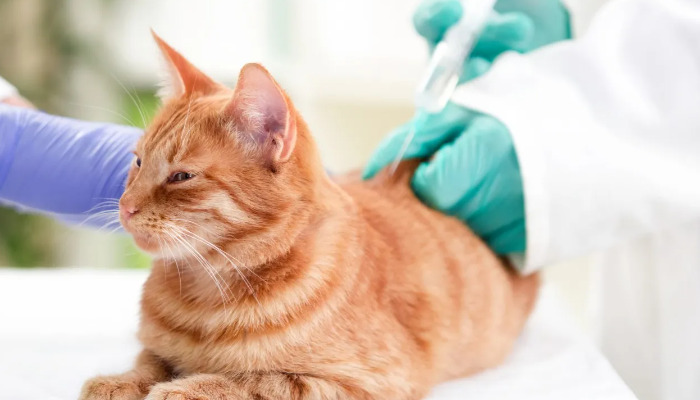
Field data underscore that vaccine efficacy is maximized when combined with comprehensive management practices. Vaccinating cats before exposure, especially in high-density living environments, appears to be most beneficial. Nevertheless, the heterogeneous nature of current vaccines necessitates individualized veterinary advice and ongoing research efforts to optimize protective strategies.
In light of the current landscape, the quest for an effective, universally protective FIP vaccine continues to be fraught with scientific and practical challenges. Advancements in immunology, molecular biology, and veterinary medicine are crucial to transforming promising experimental results into reliable tools for feline health management. As the understanding of FCoV genetics and host immune responses deepens, hope persists that next-generation vaccines will eventually overcome existing limitations, offering durable protection against this formidable disease.