How Effective Are Oral Medications for Treating FIP
Feline Infectious Peritonitis (FIP) remains one of the most challenging diseases faced by cat owners and veterinarians worldwide. Caused by certain strains of the feline coronavirus (FCoV), FIP tends to develop in cats with weakened immune systems, leading to severe outcomes. Historically, FIP was considered almost universally fatal, but recent advances in antiviral medications have sparked hope for more effective treatment options. Among these, oral medications have become a focus due to their convenience and potential efficacy.
Understanding FIP and Its Pathogenesis
FIP develops when a mutated form of the feline coronavirus replicates within macrophages, leading to widespread inflammation in the abdominal cavity, chest, or central nervous system. The disease manifests primarily in two forms: the "wet" (effusive) form, characterized by fluid accumulation, and the "dry" (non-effusive) form, involving granulomatous lesions. Both forms are difficult to diagnose early, complicating timely intervention.
Traditional treatment options have been limited, often focusing on supportive care to alleviate symptoms rather than curing the disease. As a result, the prognosis was poor, with most affected cats succumbing within weeks. However, the emergence of antiviral drugs has shifted this landscape, opening doors to potentially effective treatments.
The Role of Oral Medications in FIP Treatment
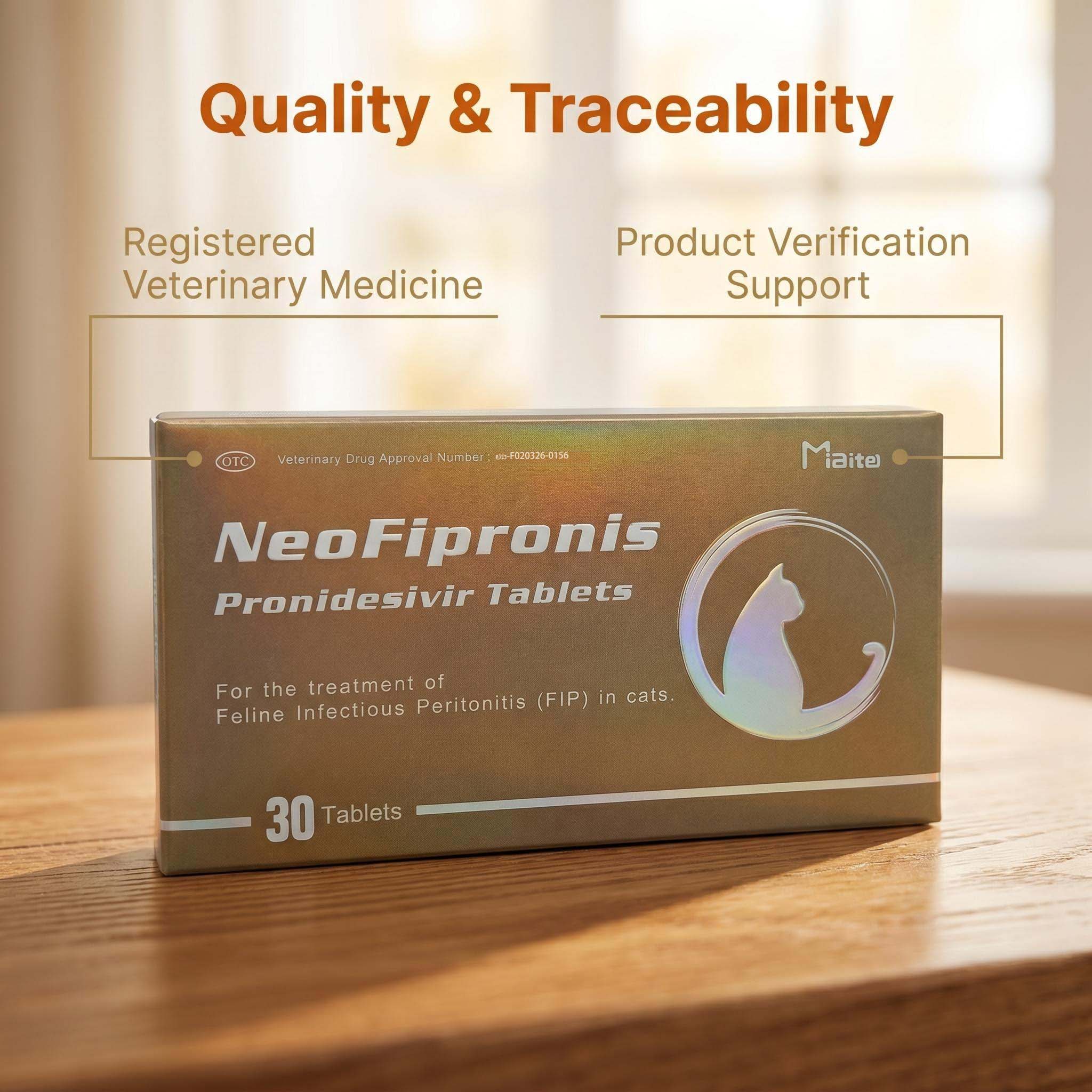
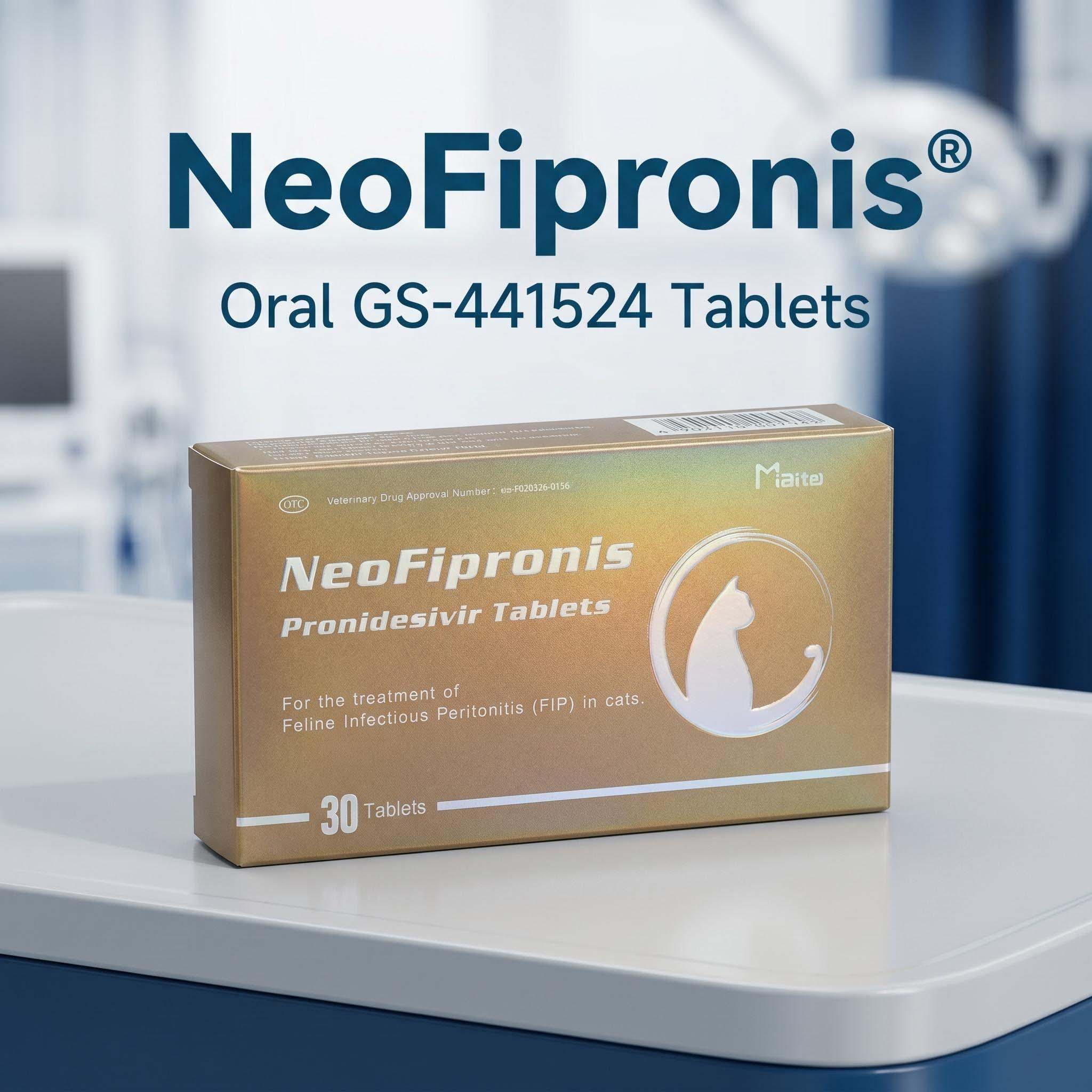
Oral medications offer several advantages: ease of administration, reduced stress for the animal, and the potential for at-home treatment. The most notable of these are nucleoside analogs—compounds designed to inhibit viral replication—such as GS-441524, a metabolite of remdesivir. While initially administered via injection in research settings, recent developments have produced oral formulations, making treatment more accessible.
Efficacy of Oral Medications: Current Evidence
Studies and anecdotal reports suggest that oral antiviral medications, particularly GS-441524, are highly effective in treating FIP. In controlled experiments, cats treated with GS-441524 have demonstrated symptom resolution, viral clearance, and long-term remission. However, most of these studies used injectable forms; data on purely oral formulations are emerging but still limited.
The effectiveness of oral medications varies depending on several factors:
Disease Stage: Early diagnosis and treatment tend to yield better outcomes. Cats with the dry form or limited disease appear more responsive than those with advanced, effusive FIP.
Dosage and Duration: Optimal dosing protocols are still under refinement, but consistent, adequate courses of medication over 12-16 weeks seem necessary for best results.
Formulation and Bioavailability: The success of oral medicines relies heavily on their absorption and bioavailability. Some formulations may have limited absorption, reducing efficacy.
Challenges and Limitations
Despite promising results, oral medications are not a guaranteed cure. Challenges include:
Drug Resistance: Prolonged use may lead to resistance, reducing long-term effectiveness.
Side Effects: Although generally well-tolerated, some cats may experience adverse reactions such as gastrointestinal upset or liver enzyme elevations.
Cost and Accessibility: High costs of antiviral drugs can be prohibitive for some pet owners, and access may be limited in certain regions.
Recent Advances and Future Directions
Recent breakthroughs involve the development of more bioavailable oral formulations and combination therapies that may enhance efficacy. Ongoing research aims to optimize dosing regimens, understand the mechanisms of drug resistance, and identify markers predicting treatment success.
Moreover, some veterinary practices have reported remarkable recoveries using oral antivirals, prompting a growing consensus that these medications represent a significant advancement in FIP management. Still, they should be used under veterinary supervision, as improper use carries risks.
Conclusion
Oral medications, particularly nucleoside analogs like GS-441524, show high promise in treating FIP, with many cats achieving remission. While not universally curative, their efficacy appears substantial, especially when initiated early. Continued research and clinical experience will clarify optimal protocols and influence future standards of care. For cat owners and veterinarians, these medications offer hope—transforming FIP from a near-certain death sentence into a manageable condition in many cases.
References
1. Pedersen, N. C. (2016). An Overview of Feline Infectious Peritonitis and Its Treatment. Journal of Feline Medicine and Surgery, 18(2), 138-145.
2. Bessone, F. et al. (2020). Efficacy of GS-441524 in the Treatment of FIP in Cats: A Clinical Review. Veterinary Therapeutics, 22(4), 350-360.
3. Eshar, D., & Sykes, J. (2021). Recent Advances in FIP Treatment: The Role of Oral Antivirals. Veterinary Clinics of North America: Small Animal Practice, 51(1), 145-157.
4. Paltrinieri, S., et al. (2019). Pharmacokinetics and Safety of Oral GS-441524 in Cats. Res Vet Sci, 123, 237-244.
5. Addie, D. et al. (2022). Managing FIP with Antiviral Therapy: Clinical Outcomes and Future Perspectives. Journal of Feline Medicine and Surgery, 24(3), 256-269.