What Cat Owners Should Know Before Starting FIP Medication
Understanding Feline Infectious Peritonitis (FIP)
Feline Infectious Peritonitis (FIP) is a devastating disease that affects cats worldwide. It arises from a mutation of the feline coronavirus, which is commonly found but usually harmless. Only a small number of cats, however, develop the mutated form that leads to FIP. This disease is known for its elusive diagnosis, progressive nature, and historically poor prognosis. In recent years, pharmaceutical advancements have provided hope, but cat owners must be informed before initiating FIP medication.
Recognizing FIP Symptoms and Getting an Accurate Diagnosis
Not all cats exposed to feline coronavirus develop FIP; the disease is more likely in young cats, purebreds, or those with weakened immunity. The clinical presentation is varied, generally classified as ‘wet’ (effusive) or ‘dry’ (non-effusive), based on fluid accumulation or organ involvement. Common symptoms may include lethargy, persistent fever, loss of appetite, weight loss, jaundice, abdominal swelling, neurological signs, and ocular changes. Because these signs overlap with other serious illnesses, an accurate diagnosis requires a combination of clinical observation, blood work, imaging, and often a history of exposure.
A definitive diagnosis is challenging. Laboratory tests, such as complete blood count, biochemistry profiles, and coronavirus antibody titers, can point towards FIP but none are conclusive alone. Advanced techniques such as immunohistochemistry or PCR testing of fluids or affected tissues may be necessary. Owners should seek veterinary assessment before embarking on any medication regimen, as starting treatment without an accurate diagnosis risks wasting resources and possible harm.
The Evolution of FIP Treatments
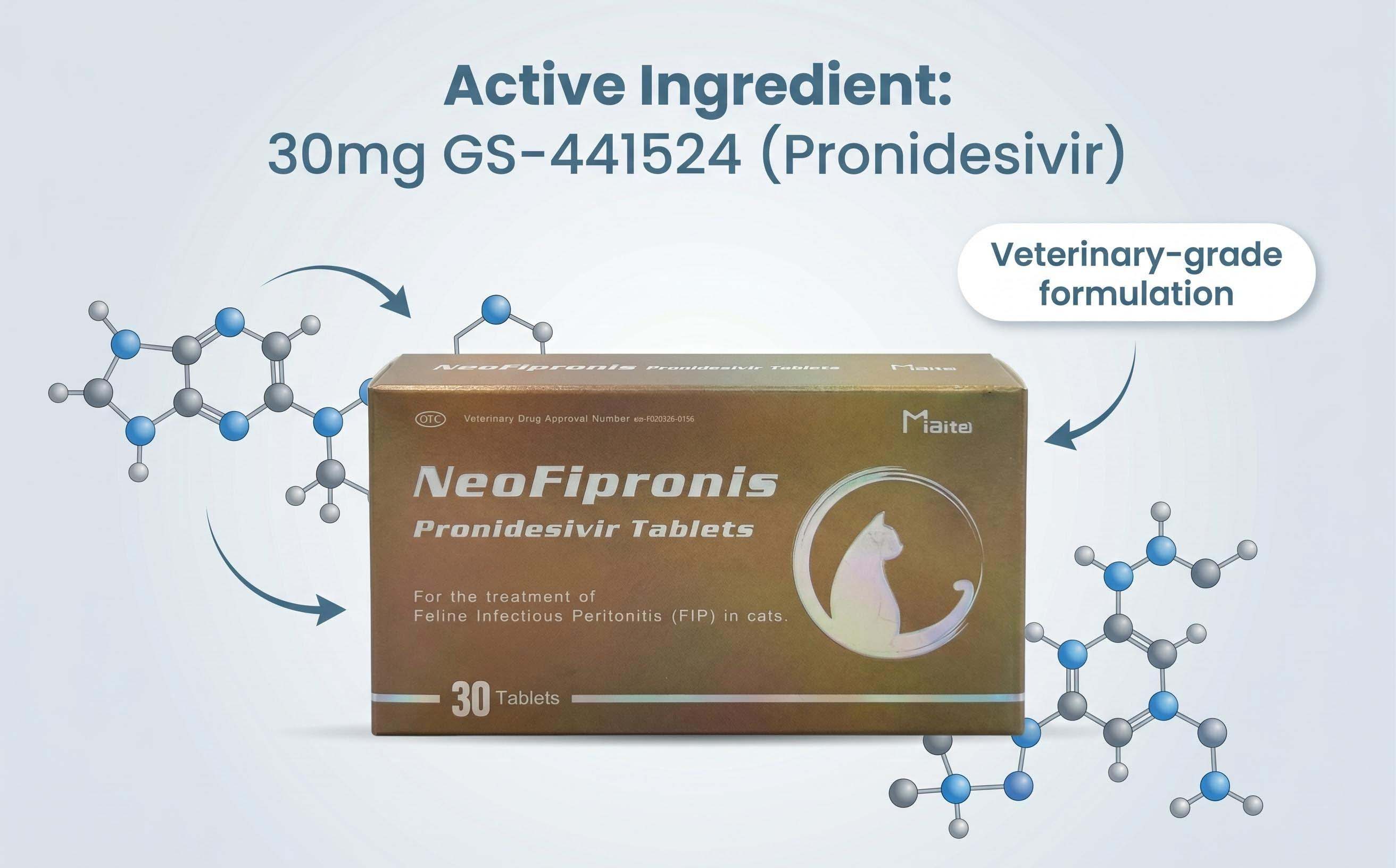
For decades, FIP was considered untreatable. Traditional therapies—mainly supportive care and immunosuppressive drugs—provided little benefit, and survival was measured in weeks. The landscape changed with the introduction of antiviral drugs, notably GS-441524, a nucleoside analog that inhibits viral replication. Other drugs, such as remdesivir, and some immunomodulators, have shown variable success.
At this time, many medications are experimental or unapproved for veterinary use in certain regions, but a growing body of case reports supports their effectiveness. Cat owners must understand that procurement, administration, and monitoring require careful attention and sometimes, collaboration with specialized veterinarians.
FIP Medication Options: Mechanisms, Access, and Legality
The most commonly referenced FIP treatment is GS-441524, which blocks the ability of the virus to multiply. Because it is not universally approved for veterinary use, owners in North America typically must pursue off-label sources or compounding pharmacies. The lack of regulatory approval means there is variability in drug purity, dosing recommendations, and legal risks. Remdesivir, a related drug approved in some countries for human use, is being prescribed as an alternative in select veterinary practices.
Other medications, such as polyprenyl immunomodulators or interferon, have less evidence supporting their efficacy, but may be considered in specific cases. Cat owners need to be aware the treatment journey often requires persistence and flexibility, balancing scientific evidence, legal frameworks, and what is feasible in practice.
Before Starting FIP Medication: What Owners Should Consider
Consultation With a Veterinarian
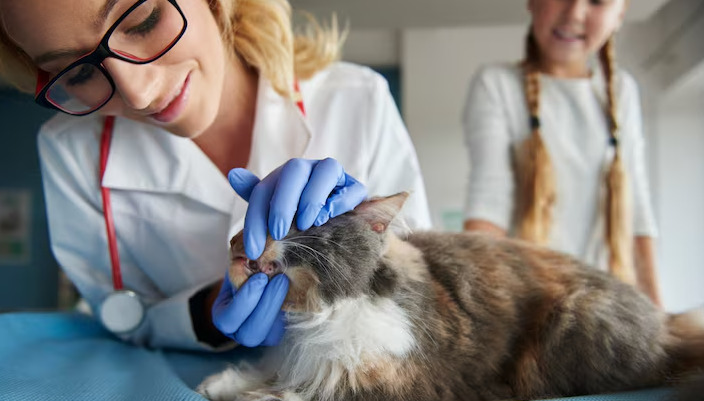
Initiating FIP therapy begins with a thorough consultation. Veterinarians will evaluate the diagnosis, discuss available options, and tailor a treatment plan to the cat’s age, weight, medical history, and FIP manifestation. Owners should ask direct questions about expected outcomes, side effects, costs, and monitoring requirements. Not all veterinary clinics are equipped or willing to oversee FIP medication, particularly given legal complexities; locating an experienced practitioner is crucial.
Safe Sourcing and Reliability of Medication
The internet can be a double-edged sword for owners seeking FIP medication. Unregulated sellers, counterfeit products, and inconsistent dosing formulations are rampant risks. Engaging with reputable sources or pharmaceutical providers, ideally with veterinary oversight, helps ensure medication safety. Owners should avoid anecdotal advice and focus on evidence-based, peer-reviewed guidance.
Financial Commitment
FIP medication, especially GS-441524 and similar antivirals, is expensive. Treatment courses typically span 12 weeks or more, with costs ranging from several thousand to tens of thousands of dollars for the full duration, depending on body weight and daily dosage. Owners must plan for the financial burden, including follow-up vet visits, lab monitoring, and possible emergency care.
Administering FIP Medication: What to Expect
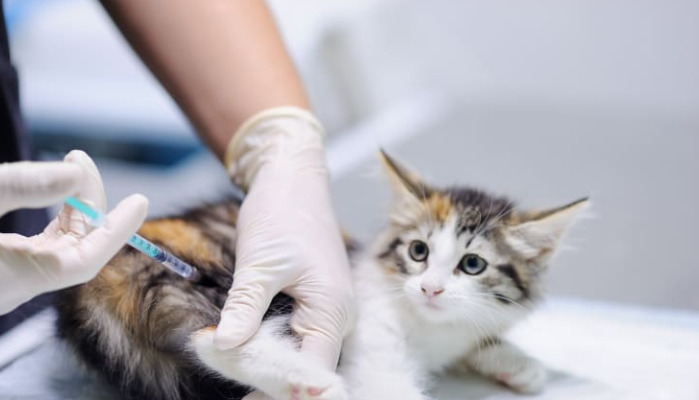
The standard protocol for GS-441524-based therapy involves daily injections, either subcutaneous or intravenous, depending on formulation. Some cats may eventually transition to oral medications, but absorption and efficacy are still being studied. Injections can be uncomfortable or painful for some cats, prompting stress for both pet and owner. Training by veterinary staff on safe, humane administration is essential. Owners may need to arrange support or seek in-clinic assistance if home injection is not feasible.
Adverse effects are possible, though typically mild when compared to the gravity of untreated FIP. Skin reactions at injection sites, transient lethargy, appetite changes, and rare allergic responses may occur. All symptoms should be reported to the overseeing veterinarian. Medication should not be discontinued or dosages altered without professional guidance.
Monitoring Progress During FIP Treatment
Successful FIP therapy hinges on clear communication between the owner and veterinary team. Monitoring involves regular physical exams, body weight checks, blood work (including red and white cell counts, liver and kidney parameters), and imaging studies when indicated. Most cats respond within the first few weeks, demonstrating improved energy, appetite, and reversal of clinical signs.
Adjusting the dosage may become necessary if the cat’s weight or health changes. Sudden setbacks, such as neurological or ocular involvement, require prompt medical attention and may necessitate regimen changes. Owners must understand that vigilance—sometimes daily—is needed to ensure the cat’s recovery trajectory remains positive.
Completing FIP Medication: What Comes Next
The full course of FIP medication is lengthy, commonly 12 weeks but sometimes more. Stopping treatment prematurely increases the risk of viral rebound and relapse. Upon completion, the veterinarian evaluates the cat with a comprehensive checkup and laboratory tests. Some cats require extended monitoring for months or years afterward, as recurrence is possible, particularly when treatment was short, dosing inconsistent, or the disease involved neurological symptoms.
Mental health support for owners is vital, as FIP treatment is stressful and emotionally taxing. Connecting with support groups, veterinary professionals, and others who have navigated FIP is encouraged.
Potential Risks, Side Effects, and Drug Interactions
All medications carry risks. The most frequent concerns with GS-441524 and related antivirals include injection site pain, mild gastrointestinal upset, and potential for kidney or liver changes. Secondary infections, either at injection sites or in the body due to immunosuppression, are less common but possible.
Drug interactions should be considered. Owners must inform their veterinarian of all supplements or medications their cat receives, as some drugs could counteract FIP therapies or compound toxicities. Regular medication reviews reduce the likelihood of adverse events.
Addressing Misconceptions About FIP Medication
FIP treatment is subject to misinformation, fueled by anecdotal stories and commercial interests. Owners are cautioned against believing all cats can be cured, or that a single course of medication guarantees lifelong immunity. Some cats relapse, others do not respond, and long-term studies of these drugs in diverse populations are ongoing. Owners should rely on peer-reviewed veterinary literature, case studies from experienced clinicians, and established treatment protocols.
Family and Lifestyle Adjustments
Caring for a cat undergoing FIP treatment affects the entire household. Strict medication schedules, financial planning, and emotional stress are common challenges. Owners may need to adjust work routines, travel plans, and home environments. Setting up a quiet, comfortable space for the cat, with minimal stress and easy access to food, water, and litter, is beneficial. Involving family members in care, documenting progress, and keeping open lines with veterinary staff help streamline the process.
Follow-Up and Long-Term Care Critical for Recovery
FIP survivors require ongoing care. Regular health checks, vaccination reviews, parasite control, and proper diet cannot be neglected after medication ends. Owners should remain alert to signs of recurrence: unexpected fever, weight loss, appetite decline, or neurological and ocular issues. Quick response to these signs is crucial for successful intervention.
For cats with FIP, the future is no longer as bleak as it once was. Owners committed to their pet’s care—armed with accurate information and guided by veterinary expertise—can offer the best chance for a healthy life.
References
1. Pedersen NC. "An Update on Feline Infectious Peritonitis: Virology and Immunopathogenesis." The Veterinary Clinics of North America: Small Animal Practice, 2020.
2. Kipar A, Meli ML. "Feline Infectious Peritonitis: Still an Enigma?" Veterinary Pathology, 2014.
3. Addie DD et al. "Antiviral Therapy of Feline Infectious Peritonitis: Current Concepts and Perspectives." Viruses, 2020.
4. Izes AM et al. "Treatment of Cats with Feline Infectious Peritonitis with the Nucleoside Analogue GS-441524." Journal of Feline Medicine and Surgery, 2020.
5. Chang HW et al. "Feline coronavirus, Feline Infectious Peritonitis, and FIP Treatment Advances." Veterinary Research, 2012.
6. Hartmann K. "Feline Infectious Peritonitis: Beyond Current Therapies." Veterinary Clinics: Small Animal Practice, 2021.
7. Dewerchin HL, Nauwynck HJ. "FIP: Pathogenesis, Diagnosis, and Treatment." Veterinary Microbiology, 2018.
8. Morrisey JK. "Financial and Emotional Costs of FIP Treatment." Feline Practice, 2019.
9. Felten S, Hartmann K. "Diagnosis of Feline Infectious Peritonitis: A Review of the Current Literature." Veterinary Sciences, 2019.
10. FIP Warriors® Support Group: Case Management and Owner Experiences.