Are Medication Protocols the Same for Wet and Dry FIP
Feline Infectious Peritonitis (FIP) has long posed a challenge in feline medicine, affecting cats worldwide. The disease is notorious for its complex pathogenesis and distressing prognosis. Split into two primary types—wet (effusive) and dry (non-effusive)—FIP presents with distinct clinical features, thereby sparking critical questions regarding therapeutic approaches. This exploration analyzes whether medication protocols diverge between wet and dry FIP, considering current pharmaceutical options, their mechanisms, and their clinical application in the United States.
Understanding FIP: Wet vs. Dry Forms
FIP results from the mutation of feline enteric coronavirus (FECV) into a virulent form. Wet FIP is characterized by fluid accumulation in body cavities, typically the abdomen or thorax, and rapid disease progression. Clinical signs often include abdominal distension, respiratory distress, fever, and lethargy. Dry FIP, on the other hand, shows granulomatous lesions in organs like the liver, kidneys, or central nervous system, frequently leading to neurological signs, ocular involvement, and chronic weight loss.
While the etiological virus remains the same, the immune response and resultant pathology differ across these forms. This distinction fosters debate among veterinarians and researchers regarding the necessity for variant medication protocols.
Medication Protocols: Key Drugs Used
GS-441524 and Remdesivir
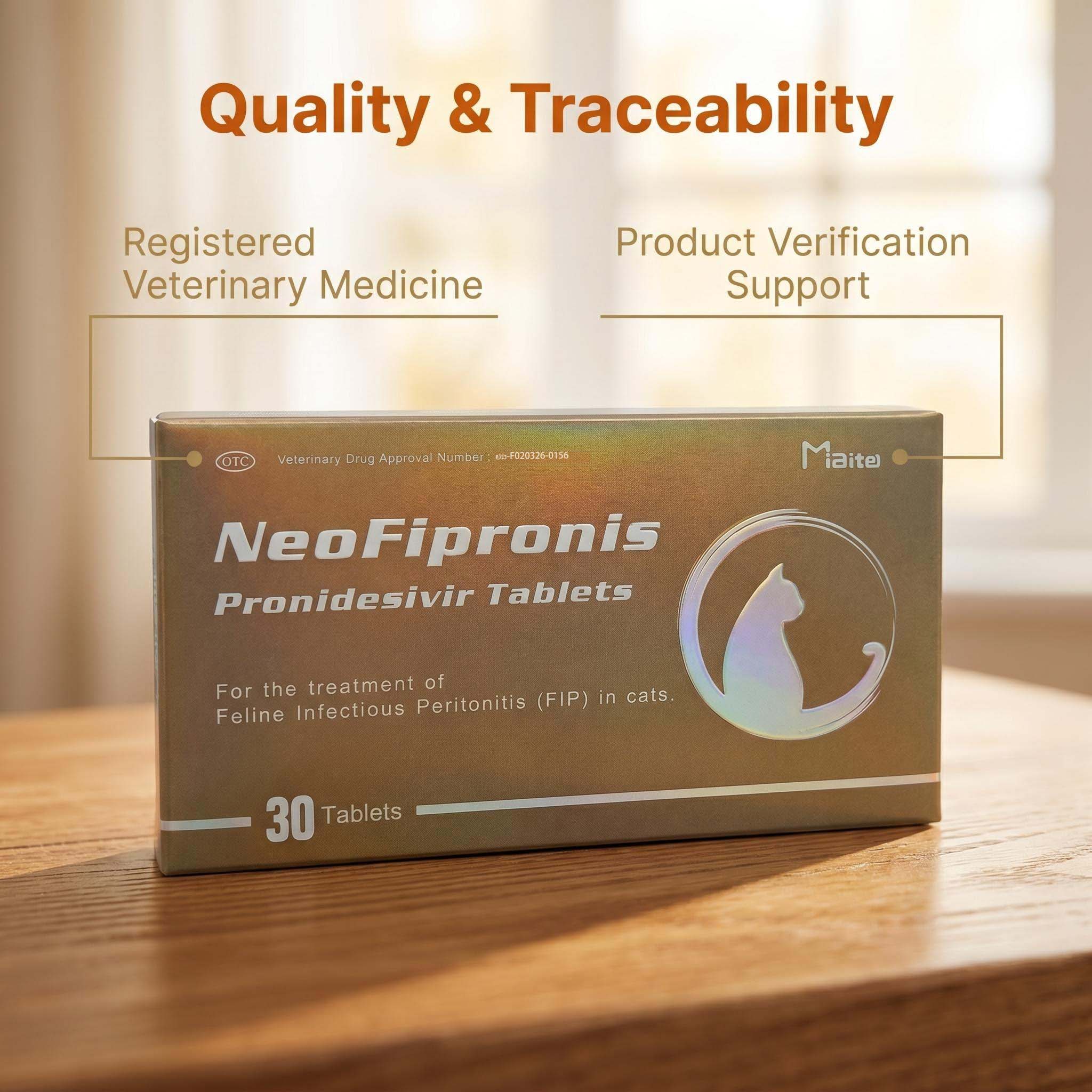
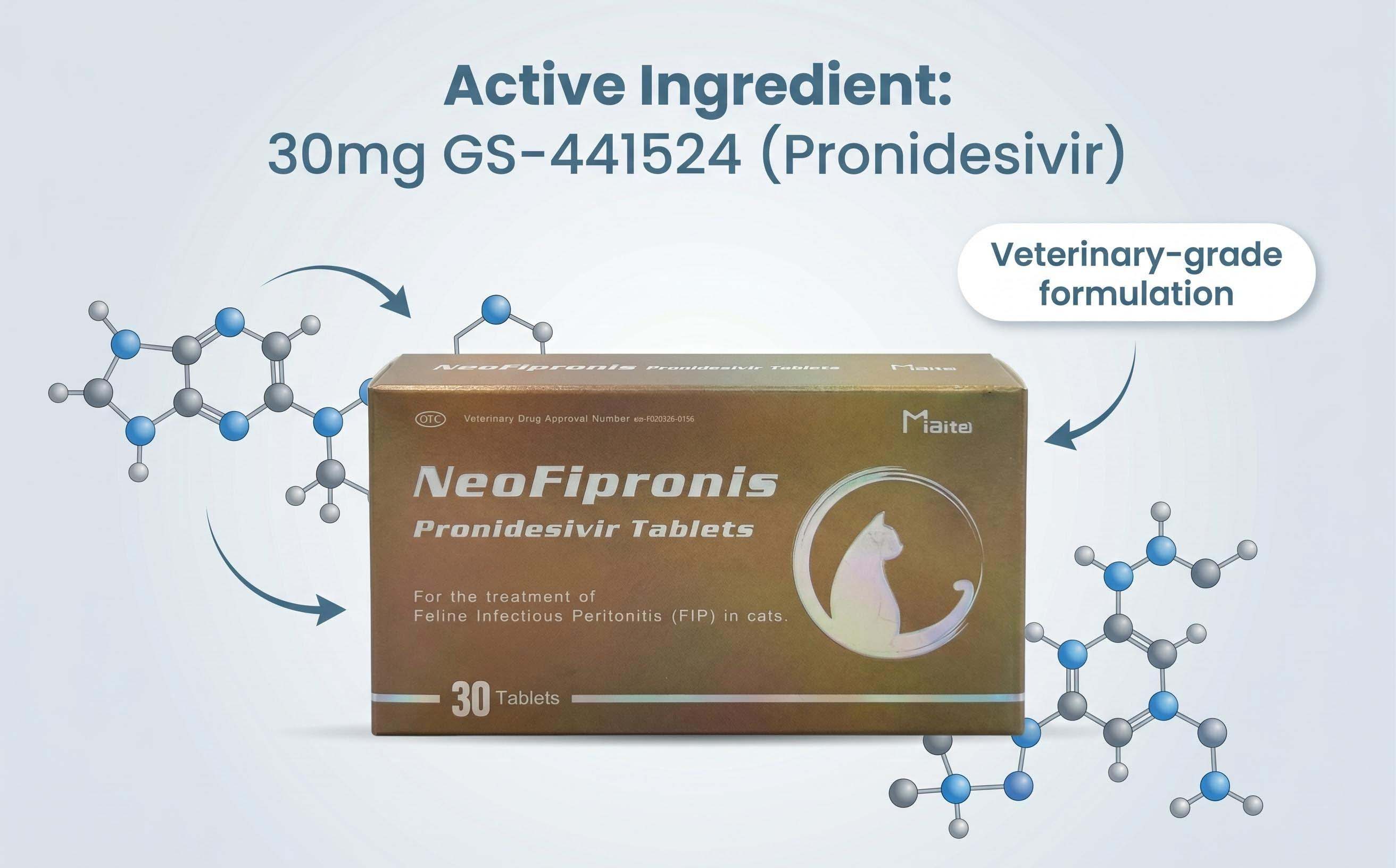
GS-441524, a nucleoside analog, is the most prominent antiviral used in treating FIP. Remdesivir, a prodrug of GS-441524, also sees usage, especially in settings where GS-441524 is unavailable. These antivirals interfere with viral RNA synthesis, curbing viral replication.
Protocols involving GS-441524 commonly use subcutaneous or oral administration, with dosage decisions influenced by the type and severity of FIP. Wet FIP, due to its aggressive course, often requires swift intervention and sometimes higher dosages initially. Dry FIP patients, especially those with neurologic or ocular involvement, may need extended or escalated treatment and closer monitoring.
Adjunct Medications
Supportive medications include corticosteroids (like prednisolone), antibiotics, immune modulators (interferons), and nutritional support. While corticosteroid use has declined with the advent of effective antivirals, they occasionally supplement therapy in severe inflammatory or neurologic cases.
Are Medication Protocols Identical?
At first glance, GS-441524-based protocols for wet and dry FIP share core similarities, reflecting the drug’s universal efficacy against the virus. Standard starting dosages range from 2 mg/kg to 5 mg/kg daily, administered subcutaneously over 12 weeks for most cases. Yet, raw protocol similarity masks crucial distinctions.
Wet FIP Approach
The hallmark of wet FIP therapy is rapid, aggressive antiviral administration. Fast onset of symptoms necessitates early intervention, and treatment success rates are highest when therapy begins before irreversible organ damage sets in. The fluid accumulation usually resolves within weeks, marking a positive therapy response. Monitoring focuses on clinical signs, fluid presence (via ultrasound), and blood parameters.
Dry FIP Approach
Dry FIP often requires tailored therapy. CNS involvement calls for either higher doses of GS-441524 (up to 10 mg/kg/day in some protocols) or longer treatment cycles, due to the blood-brain barrier’s limiting effect on drug penetration. Eye involvement similarly mandates dose increase for drug delivery to ocular tissues. Because dry FIP progresses slower and is sometimes missed initially, treatment is frequently prolonged or modified based on symptom stability and organ function.
Protocols for dry FIP thus rely on specific symptomatology. For example, a cat with non-effusive FIP affecting only the kidneys may require standard GS-441524 dosing; however, a cat with pronounced neurologic deficits requires not only a higher dose but also intensive monitoring and possible adjunct supportive care.
Supportive Care: Fluid Management and Complications
Wet FIP patients contend with fluid accumulation that impairs breathing and organ function. Thoracocentesis or abdominocentesis can alleviate discomfort and stabilize the patient while antivirals take effect. These procedures are less relevant in dry FIP, where organ-based lesions predominate.
In dry FIP, supportive care centers around managing organ-specific complications. Ophthalmologic drugs, anticonvulsants for neurologic manifestations, and renal supportive treatments might be added to the foundational GS-441524 protocol.
Duration and Monitoring of Therapy
The duration of therapy depends largely on FIP type, severity, and response. While most wet FIP cats show clinical improvement within two weeks, dry FIP may respond more slowly, requiring up to 12–14 weeks of therapy. Relapses, although more frequent in dry FIP cats with CNS or ocular involvement, prompt renewed therapy and potential dosage escalation.
Monitoring parameters encompass CBC, serum proteins, and, in dry FIP, neurologic status or ophthalmic examination. Owners and veterinarians must coordinate closely to adjust therapy according to patient progress.
Clinical Challenges and Considerations
Diagnosis
Accurate differentiation between wet and dry FIP informs treatment but can be challenging. Some cats present with overlapping features; for example, mixed FIP displays both effusive and organ-based lesions. Thorough diagnostics, including fluid analysis, PCR, and imaging, clarify the clinical picture and guide protocol selection.
Accessibility of Medications
GS-441524 is not FDA-approved in the United States. Compounded versions or black-market sources have filled the gap, but regulatory barriers persist. Remdesivir’s use, albeit less common, sometimes substitutes when GS-441524 access falters.
Cost and Owner Compliance
Long-term therapy with antivirals is expensive, and owner adherence is crucial for success. Education about proper medication administration, monitoring for side effects, and recognizing signs of relapse must accompany therapy.
Emerging Therapies and Research
Research continues into immune system modulation, anti-inflammatory drugs, and novel antivirals with higher CNS penetration. Some ongoing studies in the U.S. examine monoclonal antibodies and combinatory regimens tailored to FIP form, potentially yielding divergent protocols in the future.
Gene editing and vaccine strategies, while in their infancy, may eventually decrease FIP risk or supplement medical therapy, further separating wet and dry protocol paradigms.
Conclusion
Medication protocols for wet and dry FIP share a foundation yet differ in detail, dosage, duration, and supportive care. Wet FIP demands rapid intervention with standard or elevated doses, while dry FIP—especially with CNS or ocular involvement—requires tailored treatment and vigilant monitoring. Ultimately, the clinical presentation, symptom severity, and organ involvement guide the precise therapeutic approach.
References
Pedersen NC. "An update on feline infectious peritonitis: diagnostics and therapeutics." Veterinary Journal. 2020.
Fischer Y and Matiasek K. "Treatment of FIP—Is GS-441524 a game changer?" J Feline Med Surg. 2023.
Dickinson PJ et al. "Efficacy of anti-viral therapy in cats with non-effusive FIP with CNS involvement." J Vet Intern Med. 2022.
Kipar A, Meli ML. "Feline infectious peritonitis: Still an enigma?" Vet Pathol. 2021.
Addie DD, et al. "Recent advances in understanding and managing feline infectious peritonitis." Viruses. 2022.
Hartmann K. "Feline infectious peritonitis: Current status of diagnosis and therapy." Vet J. 2021.
Murphy BG, et al. "The influence of GS-441524 dosage on clinical progression in cats with FIP." Front Vet Sci. 2023.