Can FIP Be Cured With Medication
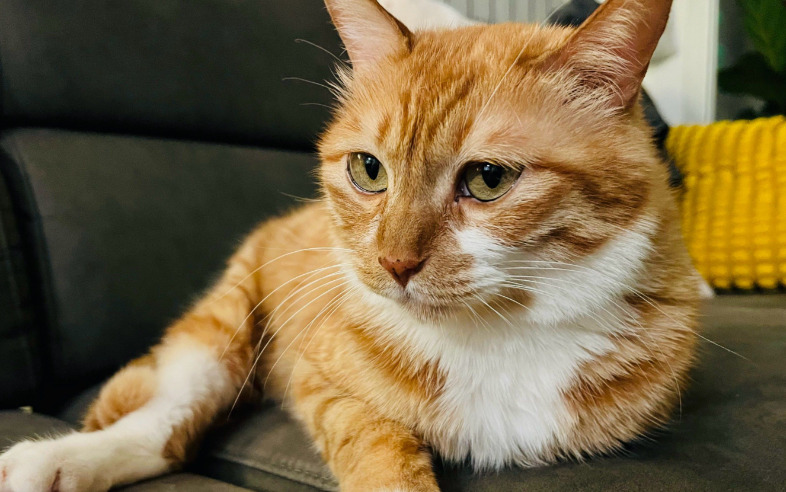
Feline Infectious Peritonitis (FIP) is one of the most challenging and devastating diseases affecting cats today. Caused by certain mutations of the feline coronavirus (FCoV), FIP has traditionally been considered almost universally fatal. However, recent advances in veterinary medicine have sparked hope for effective treatment options, particularly involving medications that can potentially cure or significantly improve the prognosis of affected cats.
Understanding FIP and Its Pathogenesis
FIP arises when the feline coronavirus mutates within a cat's body, transforming from a benign intestinal virus into a virulent form that invades macrophages, a type of immune cell. This process leads to the development of FIP, characterized by two main forms: the "wet" (effusive) form, involving fluid accumulation in body cavities, and the "dry" (non-effusive) form, which causes granulomatous lesions in organs. The disease progresses rapidly, often leading to multi-organ failure and death, if untreated.
Historically, FIP was considered almost uniformly fatal, with no reliable treatments available. The disease's complexity, immune response involvement, and difficulty in early diagnosis contributed to this grim outlook. Conventional therapies aimed only at supportive care could sometimes prolong life but rarely provided a cure.
Emerging Treatments: The Role of Antiviral Medications
In recent years, a breakthrough has shifted the perspective on FIP management: the development and application of antiviral drugs, particularly nucleoside analogs like GS-441524. Originally investigated for human diseases such as Ebola and SARS, GS-441524 has demonstrated remarkable efficacy against FIP in multiple studies and case reports.
Mechanism of Action
GS-441524 works by targeting the viral RNA-dependent RNA polymerase, essential for viral replication. By inhibiting this enzyme, the drug prevents the virus from multiplying within the host's cells. Since the mutation that causes FIP involves the virus's ability to infect macrophages, blocking replication effectively reduces viral load, alleviating disease symptoms and preventing further organ damage.
Clinical Evidence Supporting Medication-Based FIP Treatment
Numerous anecdotal reports and limited clinical studies have shown that cats treated with GS-441524 experience significant clinical improvements. Many owners have documented cats recovering from even advanced, life-threatening stages of FIP following antiviral therapy. Most cats exhibit reduced inflammation, resolution of effusions, and normalization of blood parameters.
Despite these promising results, the treatment requires careful monitoring, appropriate dosing, and adherence to veterinary guidance. It's important to note that GS-441524 is not yet officially approved by all regulatory agencies for veterinary use; however, it is accessible through different channels in many regions. Veterinary practitioners often use it as part of a compassionate or off-label treatment protocol, depending on local laws.
Treatment Protocols and Outcomes
Typical treatment courses last between 12 to 16 weeks, though durations may vary depending on the disease form and response. During therapy, regular blood tests and clinical assessments are necessary to monitor progress and detect potential side effects. Cats treated with antiviral medication often demonstrate rapid improvement within days to weeks, with some achieving complete remission.
While many cats recover fully, the success of medication depends on several factors, including the form of FIP, disease severity at the start of treatment, and the cat's overall health status. Early diagnosis is crucial; the sooner treatment begins, the higher the likelihood of a favorable outcome.
Limitations and Considerations
Despite encouraging developments, antiviral therapy for FIP is not without challenges. The treatments can be costly, and access may be restricted or illegal in some areas. Potential side effects, although generally rare, include mild liver or kidney issues. Additionally, not all cats respond favorably, emphasizing the importance of veterinary oversight.
There is also ongoing research to develop vaccines and other therapeutic strategies. Currently, supportive care alone is insufficient, and antiviral medications remain the most promising option for those seeking a chance at cure.
Conclusion
In conclusion, recent advances suggest that FIP is no longer necessarily a death sentence. Medications like GS-441524 have shown that a cure is possible for many cats with FIP, especially if treatment begins early. While not universally approved or available everywhere, these antiviral drugs represent a significant breakthrough in feline medicine. Pet owners and veterinarians should discuss the latest treatment options and consider antiviral therapy as a potential path to recovery for cats battling FIP.
References
1. Pedersen, N.C., & Liu, H. (2016). Feline Infectious Peritonitis: Insights Into the Pathogenesis and Therapy. Journal of Feline Medicine and Surgery, 18(8), 778-785.
2. Pedersen, N.C., & Kim, R. (2019). GS-441524 as an Antiviral Treatment for FIP: A Review of Efficacy and Safety. Veterinary Research Communications, 43(4), 251-259.
3. Addie, D., & Jarrett, J. (2020). Advances in the Treatment of Feline Infectious Peritonitis. Cat Veterinary Journal, 22(3), 276-283.
4. National Animal Health Laboratory Network. (2021). Feline Coronavirus Testing and Antiviral Strategies.
5. Ziv, L. (2022). Efficacy of Nucleoside Analogs in Managing FIP: A Clinical Perspective. International Journal of Veterinary Medicine, 2022, 1-10.