What are the treatment drugs for FIP
Feline Infectious Peritonitis (FIP) represents one of the most complex and lethal viral diseases affecting cats. Caused by a mutated form of feline coronavirus (FCoV), FIP has long been considered nearly incurable. However, recent advances have revolutionized treatment options, offering hope to many cat owners and veterinarians. This article details the current pharmacological approaches, focusing on drugs used to combat FIP, their mechanisms, and emerging therapies.
Antiviral Agents: The New Frontier
GS-441524 (Remdesivir Analog):
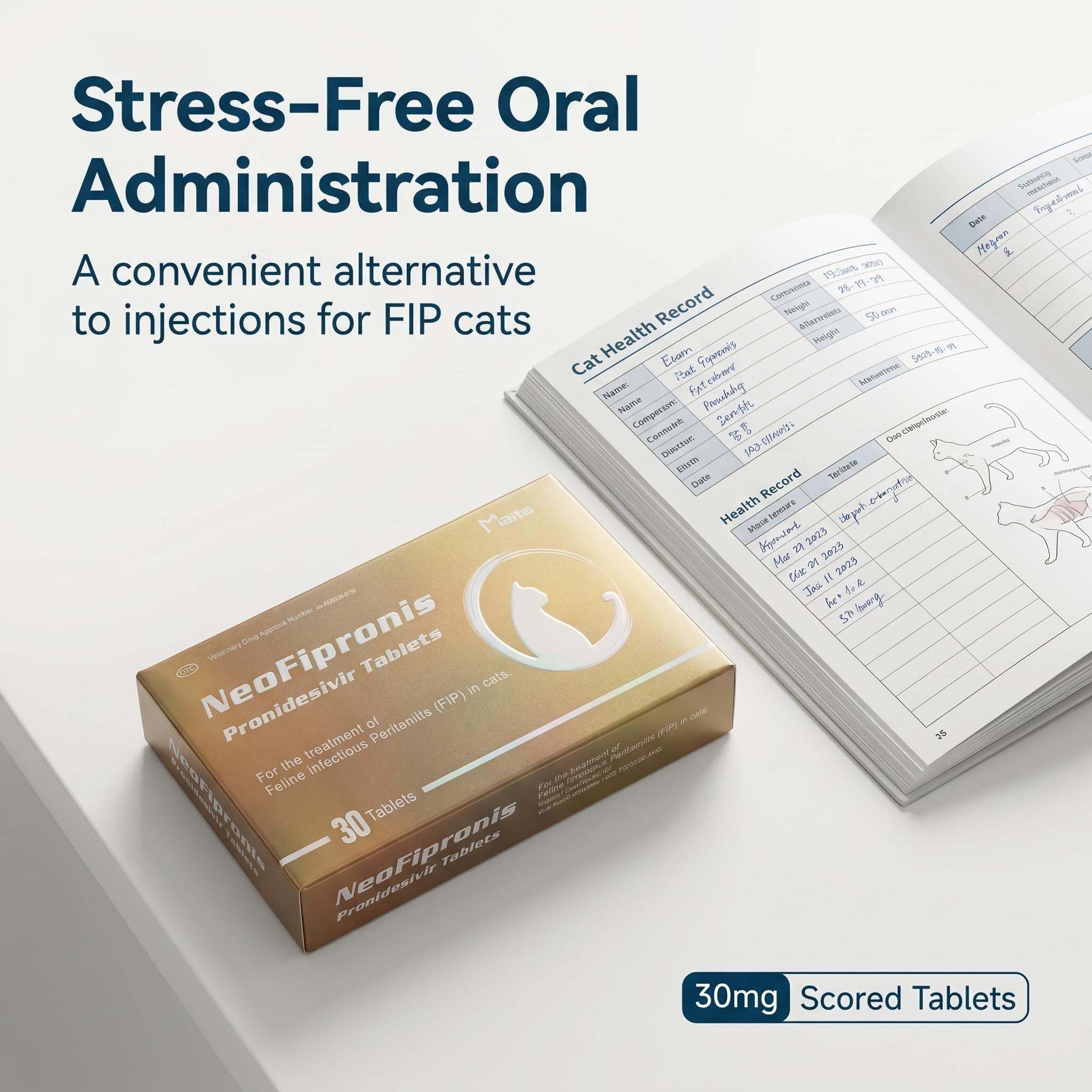
One of the most promising drugs in recent years, GS-441524 is a nucleoside analog that inhibits viral RNA-dependent RNA polymerase. It interferes with coronavirus replication within infected cells. Administered via subcutaneous injections, it has demonstrated remarkable efficacy in numerous case reports and clinical trials, leading to remission in many cats. Although not officially approved by regulatory agencies in all countries, access has been facilitated through compounding pharmacies and compassionate use programs.
GS-8631 and Similar Molecules:
Emerging compounds like GS-8631 are undergoing experimental testing, aiming to improve bioavailability, reduce dosing frequency, and minimize side effects. Preliminary data suggests they may serve as alternatives or adjuncts to GS-441524.

Immunomodulators and Supportive Therapies
Polyprenyl Immunostimulants:
These agents enhance the cat's immune response, potentially slowing disease progression, especially in early stages. While not directly antiviral, they may improve overall health and resilience.
Interferon Omega:
A cytokine that boosts antiviral defenses, interferon omega has been used off-label with mixed results. Its role remains adjunctive, primarily aimed at modulating immune responses rather than targeting the virus directly.
Anti-Inflammatory and Supportive Medications
Corticosteroids:
Though controversial due to their immunosuppressive effects, corticosteroids like prednisolone are sometimes employed to reduce inflammation associated with FIP. They are not curative but can alleviate symptoms temporarily, often in conjunction with antiviral therapy.
Pain Management and Support:
Non-steroidal anti-inflammatory drugs (NSAIDs), fluids, and nutritional support are integral to managing clinical symptoms and maintaining quality of life, especially in prolonged cases.
Investigational and Future Therapies
Monoclonal Antibodies:

Research is underway to develop monoclonal antibodies that specifically target viral components or modulate immune responses. Such therapies could offer highly specific and effective options in the future.
Gene Editing and Nanotechnology:
Novel approaches involving gene editing tools like CRISPR and nanocarriers for drug delivery are being explored, aiming to enhance treatment precision and reduce side effects.
Practical Considerations and Challenges
Access and Regulation:
Many effective drugs, especially GS-441524, face regulatory hurdles, making access difficult in some regions. Compounding pharmacies often play a critical role but pose concerns regarding quality control.
Treatment Duration and Monitoring:
Therapies typically extend over several weeks to months, requiring consistent administration and veterinary oversight. Monitoring viral loads, antibody titers, and clinical signs helps tailor ongoing treatment.
Cost and Owner Commitment:
The financial burden associated with these drugs can be significant. Owner dedication is crucial to ensuring treatment completion and success.
Looking Ahead
The mutable landscape of FIP treatment reflects a broader shift from solely supportive care to targeted antiviral strategies. The continued development of accessible, effective drugs, coupled with deeper understanding of viral pathogenesis, heralds a future where FIP might transition from a death sentence to a manageable disease. Researchers are increasingly optimistic, with ongoing clinical trials and compassion-driven initiatives promising to reshape the prognosis of this formidable feline disease.