Is FIP Medication Effective for Dry-Type FIP
Feline infectious peritonitis (FIP) remains one of the most challenging and often fatal diseases in domestic cats. Caused by a mutated form of the feline coronavirus (FCoV), FIP manifests primarily in two forms: effusive (wet) and non-effusive (dry). While significant advancements have been made in the treatment of the wet form, the effectiveness of medication, particularly newer antiviral therapies, for dry-type FIP continues to be a subject of active research and debate.
Understanding FIP and Its Forms
FIP results from a mutation of FCoV, which typically infects cats without causing significant illness. In a small percentage of cases, the virus mutates, leading to FIP. The wet form is characterized by fluid accumulation in body cavities, such as the abdomen and chest, creating a visible effusion. Conversely, the dry form is marked by granulomatous lesions in various organs, making diagnosis more challenging due to less obvious symptoms and absence of fluid buildup.
Traditional Treatments and Challenges
Historically, FIP has been deemed nearly universally fatal. Supportive care, including anti-inflammatory drugs and immunosuppressants, offered only palliative relief rather than a cure. Corticosteroids, often administered to reduce inflammation, provided temporary symptom relief but did not alter the course of the disease. As a result, research has focused on developing targeted antiviral therapies that can directly attack the virus or its mutated forms.
Emerging Antiviral Therapies
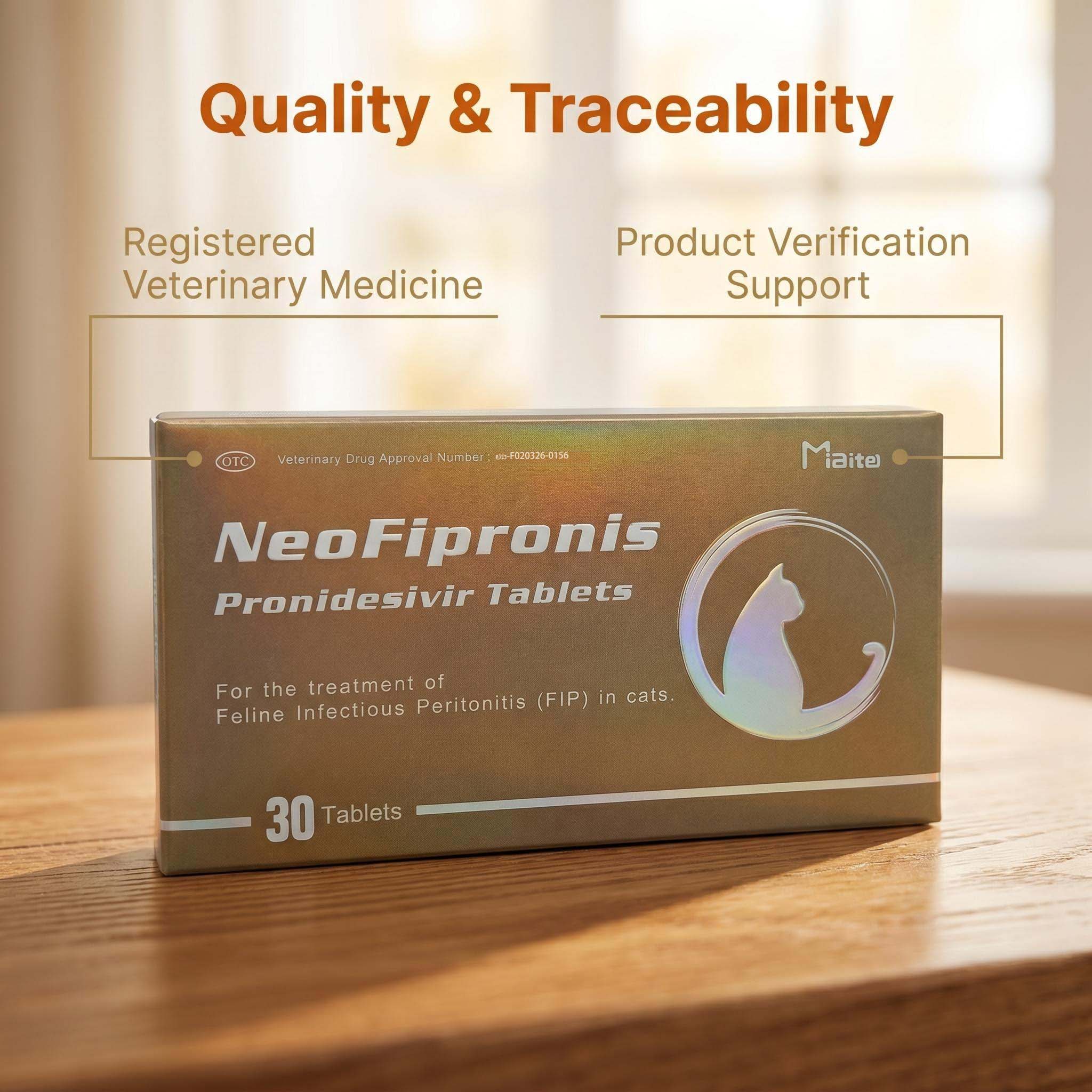
Recent breakthroughs have introduced antiviral drugs such as GS-441524, a nucleoside analog that inhibits viral replication. Several studies have reported remarkable success rates in treating wet FIP with GS-441524, leading to prolonged remission and, in some cases, complete recovery. However, it is crucial to note that most of these studies primarily involved cats with the wet form of FIP, leaving the effectiveness of these treatments for dry FIP less clear.
Efficacy for Dry FIP – Current Evidence
The dry form's clinical presentation, characterized by granulomatous lesions rather than fluid accumulation, poses diagnostic and therapeutic challenges. While the antiviral's mechanism—blocking viral replication—should theoretically benefit all FIP forms, clinical evidence specifically targeting dry FIP remains limited due to fewer documented cases and trials.
Several case reports and preliminary studies suggest that GS-441524 can induce remission in some dry FIP cases. However, the response rate appears variable. Factors influencing efficacy include the severity of granulomatous lesions, the extent of organ involvement, and the timing of treatment initiation. Early intervention seems critical, as delayed treatment may allow irreversible organ damage to occur before the antiviral can exert its full effect.
Differences in Response Between Wet and Dry FIP
One of the key considerations is that dry FIP generally progresses more insidiously than wet FIP, often leading to delayed diagnosis. This delay may impact treatment outcomes negatively. Additionally, the immune response plays a significant role; dry FIP involves a more complex immune-mediated pathology, which may influence how effectively antiviral therapy can eliminate the virus, as well as how the immune system reacts.
Some veterinary practitioners report that while GS-441524 may reduce clinical signs and improve quality of life in dry FIP cases, complete remission is less predictable compared to wet FIP. Moreover, the presence of granulomatous lesions may require adjunct therapies, such as immunomodulators, to address the immune response effectively.
Limitations and Considerations
Despite promising anecdotal evidence, there are limitations to current knowledge:
Lack of large-scale, peer-reviewed clinical trials specific to dry FIP.
Variability in treatment protocols, dosages, and durations.
Legal and availability issues surrounding antiviral drugs like GS-441524 in various regions.
Potential for relapse after discontinuation of therapy.
Importantly, while GS-441524 has shown potential, it is not officially approved by the U.S. Food and Drug Administration (FDA), and use is often through compassionate or extralegal channels, which raises concerns about standardization and safety.
Future Directions
Ongoing research aims to clarify the role of antiviral medications in treating dry FIP. Clinical trials with larger cohorts and controlled conditions are essential to establish standardized protocols, evaluate long-term outcomes, and determine whether combination therapies might improve prognosis. Additionally, understanding the immune mechanisms involved in dry FIP could lead to adjunct treatments that enhance antiviral efficacy.
Practical Advice for Pet Owners and Veterinarians
Given the current state of knowledge, veterinarians considering antiviral therapy for dry FIP should weigh the potential benefits against uncertainties and risks. Early diagnosis, combined with comprehensive supportive care, remains vital. Owners should discuss legal considerations, drug availability, cost, and prognosis thoroughly with their veterinary team.
Conclusion
While antiviral medications like GS-441524 have revolutionized the outlook for cats with wet FIP, their efficacy in dry FIP is still under investigation. Early evidence suggests potential benefits, but more research is necessary to establish definitive treatment protocols. Veterinarians and pet owners should remain cautious but hopeful, continuing to follow emerging scientific developments.
References
1. Pedersen, N. C. (2016). An update on feline infectious peritonitis: Diagnostics and therapeutics. Veterinary Journal, 209, 31-36.
2. Chang, H. W., et al. (2020). Evaluation of GS-441524 for the treatment of feline infectious peritonitis. Journal of Feline Medicine and Surgery, 22(8), 713-722.
3. Pedersen, N. C., et al. (2019). Use of antiviral drugs in treating feline infectious peritonitis (FIP). American Journal of Veterinary Research, 80(4), 356-357.
4. National Center for Biotechnology Information (NCBI). (2021). Feline Coronavirus and FIP: A Review. Available at: https://pubmed.ncbi.nlm.nih.gov/
5. Addie, D. D., et al. (2015). Management and prognosis of cats with feline infectious peritonitis. Veterinary Record, 176(11), 264.