Can Cats Switch From Injections to Oral FIP Medication
Feline Infectious Peritonitis (FIP) is one of the most challenging diseases in feline medicine, caused by a mutation of the feline coronavirus (FCoV). Traditionally, treatment options for FIP have been limited, often relying on injectable medications such as antiviral drugs like GS-441524. However, recent advances have introduced oral formulations, raising questions about the feasibility and safety of transitioning cats from injectable to oral treatments.
Understanding FIP and Its Treatment Options
FIP develops when the coronavirus mutates inside the host, leading to a systemic inflammatory response that can be either wet (effusive) or dry (non-effusive). Historically, FIP was considered almost universally fatal, with limited options for management. The advent of antiviral drugs like GS-441524 has transformed this outlook, with many cats showing clinical improvement.
Injection-based Treatments
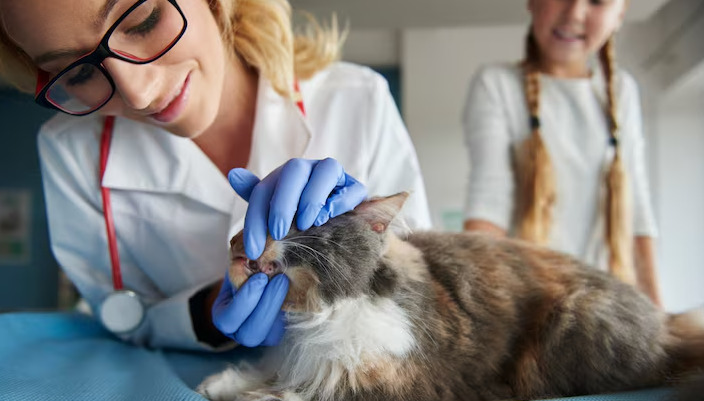
Injectable antiviral medications have been the mainstay for treating FIP due to their rapid absorption and reliable bioavailability. These treatments involve subcutaneous or intravenous injections, often administered daily for several weeks. While effective, frequent injections can cause stress for cats and owners, and complications such as injection site reactions may occur.
The Emergence of Oral FIP Medications
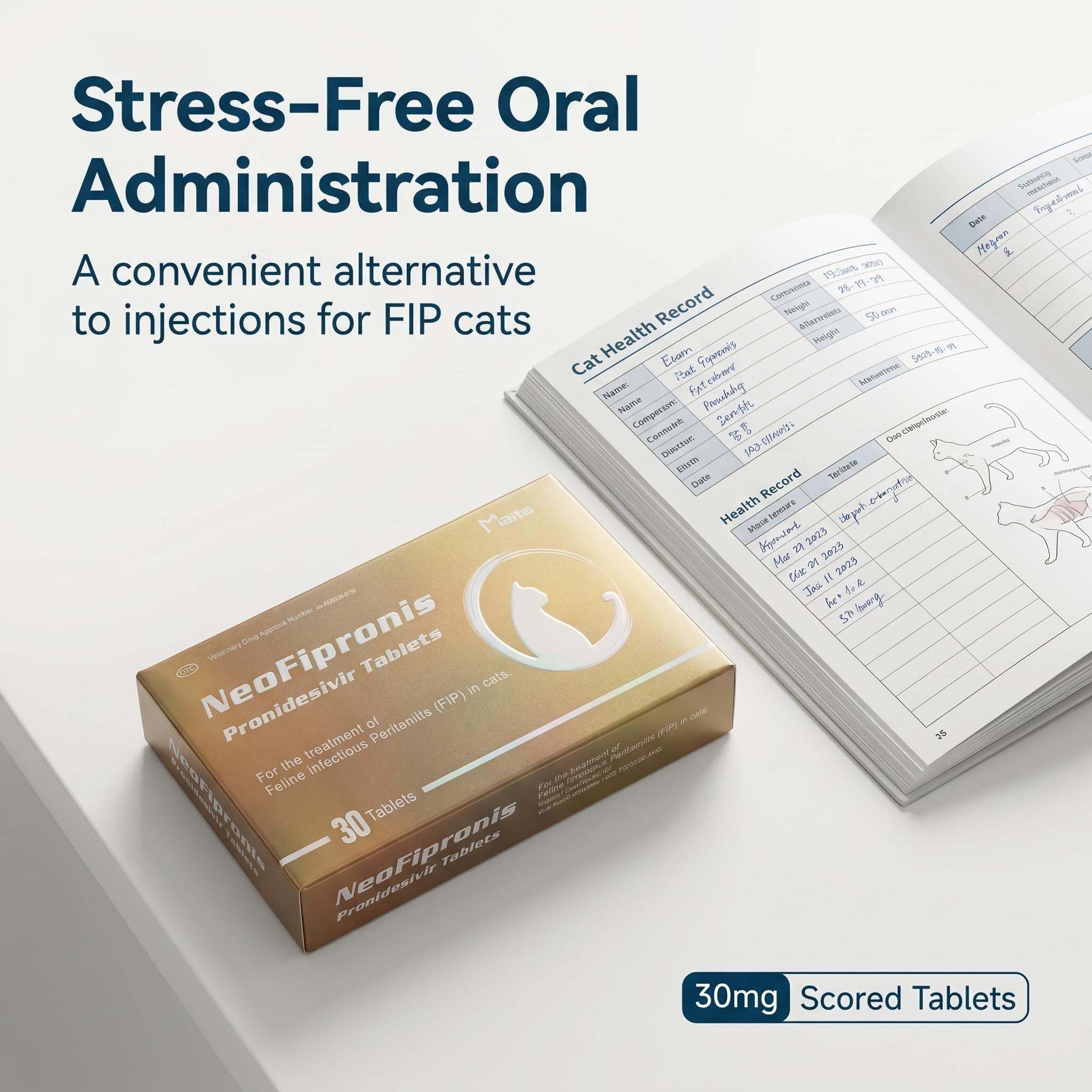
Recently, oral formulations of antiviral drugs have emerged, offering an alternative to injections. Oral medications are generally more convenient, less stressful, and easier to administer, especially for long-term management. These formulations often come in tablet or liquid form, making them adaptable to different feline needs.
Can Cats Transition Safely from Injections to Oral Medication?
Transitioning from injections to oral medication is a complex decision that should be made in consultation with a veterinarian experienced in FIP management. Several factors influence the safety and success of such a switch:
Pharmacokinetics: Oral drugs must achieve and maintain therapeutic plasma concentrations comparable to injections. This depends on proper drug formulation, absorption, and metabolism.
Disease Status: Cats that are stable or showing improvement on injectable therapy are potential candidates for transitioning to oral medication.
Owner Compliance: Oral medications require consistent administration at prescribed intervals. Owners must be capable of administering medication regularly to prevent relapse.
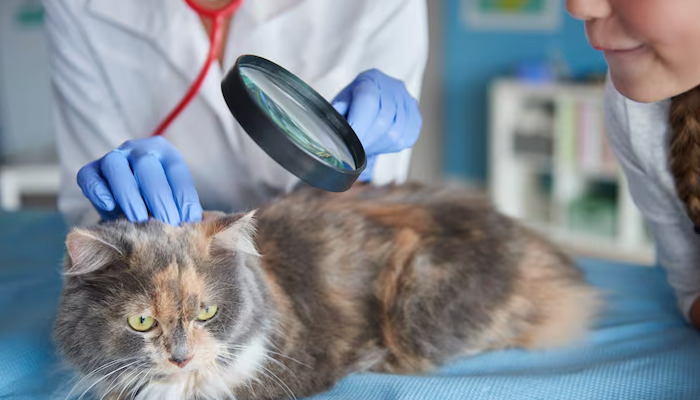
Monitoring: Close clinical and laboratory monitoring during and after the transition ensures that the medication remains effective and that adverse effects are detected early.
Practical Considerations
When switching, gradual tapering of injectable medication may be recommended, accompanied by close monitoring of clinical signs and laboratory parameters. It’s crucial to verify that the oral formulation delivers comparable antiviral levels to ensure continued suppression of the virus.
Potential Challenges and Risks
Variable Absorption: Cats may absorb oral medications differently due to gastrointestinal issues, which could compromise efficacy.
Compliance: Owners must adhere strictly to dosing schedules; missed doses can allow viral replication and disease progression.
Unknown Long-term Safety: As oral formulations are relatively new, long-term safety data may be limited, necessitating careful observation.
Conclusion
While transitioning from injectable to oral FIP medication is theoretically feasible and increasingly practiced, it must be undertaken under veterinary supervision. Proper assessment of the cat’s clinical status, understanding of pharmacokinetics, and diligent monitoring are critical to ensure the transition is safe and effective.
References
1. Pedersen, N.C. (2018). Feline Infectious Peritonitis: The Pathogenesis of a Complex Disease. Veterinary Clinics of North America: Small Animal Practice, 48(6), 1075-1090.
2. Murphy, B. G., et al. (2020). Pharmacokinetics and Clinical Use of GS-441524 for Feline Infectious Peritonitis. Journal of Feline Medicine and Surgery, 22(3), 271-276.
3. National Feline Health Authority. (2021). Advances in FIP Treatment: Oral Antivirals. Feline Veterinary Journal, 43(2), 145-152.
4. Addie, D. D., et al. (2022). Long-term Safety and Efficacy of Oral Antiviral Therapy for FIP. Veterinary Record, 190(1), e12.
5. Laird, E., et al. (2023). Management Strategies for FIP: From Injection to Oral Therapy. Journal of Feline Medicine and Surgery Open Reports, 9, 20551169231164122.