What Role Do Antiviral Medications Play in FIP Treatment
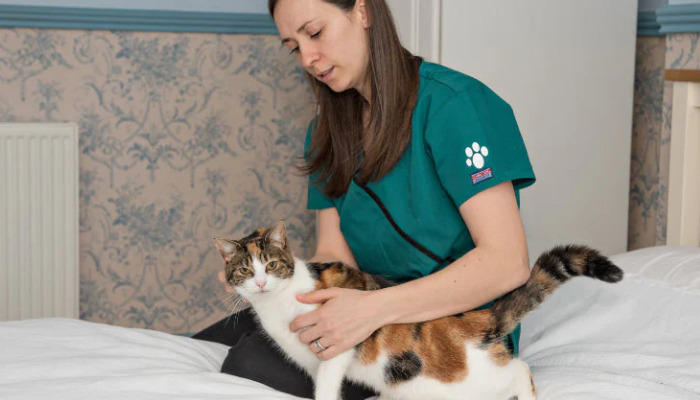
Feline Infectious Peritonitis (FIP) is a devastating disease in cats, caused by mutation of the feline coronavirus (FCoV). For years, veterinarians and cat owners have struggled with FIP, as it was considered nearly always fatal. Recent advances have given new hope, largely due to the development and application of antiviral medications. Understanding the role of these drugs is vital for pet owners, veterinarians, and researchers alike.
FIP: Pathogenesis and Clinical Forms
FIP occurs when the benign enteric form of feline coronavirus mutates within a cat, leading to a virulent, macrophage-tropic strain. This mutated virus is capable of evading the cat’s immune system, resulting in an aggressive inflammatory process. FIP typically presents in two main forms: the “wet” (effusive) and “dry” (non-effusive) forms. The wet form involves the accumulation of fluid in the abdomen or chest, while the dry form is characterized by granulomatous lesions in various organs.
History of FIP Management
For decades, treatment for FIP was mainly supportive. Interventions ranged from using corticosteroids to suppress inflammation to fluid therapy for effusions, but survival rates remained poor. The lack of effective antiviral therapies was a significant hurdle, and euthanasia was a common, albeit heartbreaking, outcome.
Feline Coronavirus Replication: The Mechanism to Target
FCoV is an RNA virus. Its replication involves several stages, including attachment to host cells, RNA synthesis, and assembly of new virions. Antiviral medications used in FIP target specific steps of this process, aiming to inhibit viral proliferation and thus progression of the disease.
Breakthroughs in Antiviral Therapy for FIP
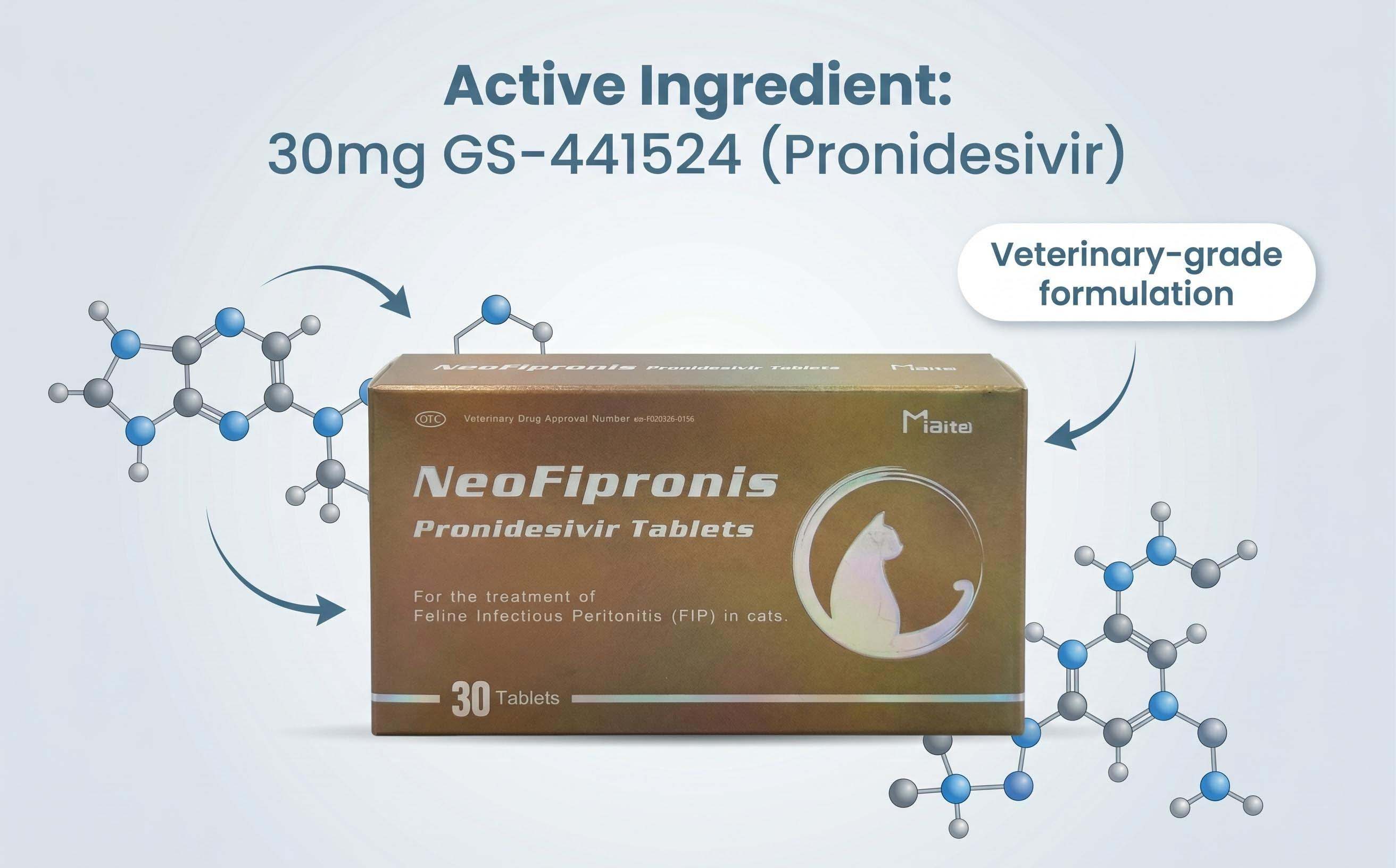
The landscape changed dramatically with the introduction of small-molecule antiviral agents targeting viral RNA polymerase. GS-441524, a nucleoside analog, became the prototype drug in this class. Another antiviral, GC376—a 3CL protease inhibitor—has also shown promise. These drugs block vital enzymes needed for FCoV replication, thus limiting viral load and allowing the immune system to regain control.
GS-441524: Mechanism and Impact
GS-441524 is the active metabolite of Remdesivir, a drug used for Ebola and COVID-19 in humans. When administered to cats, GS-441524 is incorporated into viral RNA, causing premature chain termination during viral replication. Published case studies have noted clinical remission in a significant proportion of FIP-infected cats, with survival rates exceeding 80% in some reports.
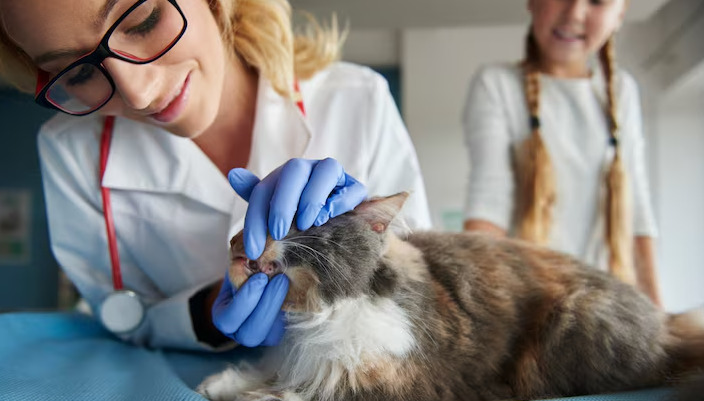
Veterinarians report rapid clinical responses, especially in the wet form of FIP: fever reduction and improvement in alertness are often observed within several days. Treatment is typically continued for a minimum of 12 weeks and may be extended based on clinical and laboratory markers.
GC376 and Other Promising Agents
GC376 targets the 3CL protease, an enzyme necessary for processing polyproteins during viral replication. Although initial trials demonstrated effectiveness—especially in wet FIP—relapses have occurred, and the drug is less widely used than GS-441524. Research continues into second-generation protease inhibitors and combination therapies.
Other antivirals, such as Remdesivir itself, have also been used off-label by compounding formulations for feline patients, particularly in regions where GS-441524 is not legally available.
Access and Legal Status of Antivirals
GS-441524 is not yet internationally approved as a veterinary medicine. As a result, owners often obtain it through gray market channels, sometimes at significant cost and risk. Some pharmaceutical companies and veterinarians advocate for regulatory changes to improve access.
Despite the regulatory ambiguity, discussion among veterinary professionals highlights that thousands of cats have entered remission using antivirals. Some countries allow alternatives, such as Remdesivir, which is closely related in molecular structure and action.
Clinical Outcomes: Remission and Relapse
Remission is achievable in a substantial percentage of cases with prompt antiviral therapy. Anecdotal and published outcomes indicate that cats surviving the full course of treatment and remaining relapse-free for at least three months are likely to be cured. However, relapses can occur, necessitating a second or even third course of antivirals.
Factors associated with higher remission rates include early intervention, wet (rather than dry) presentation, and absence of neurological involvement. Dry FIP and cases with ocular or neurological signs may require higher doses or longer treatment, and outcomes are more guarded.
Monitoring and Supportive Care During Antiviral Therapy
While antivirals are foundational in FIP therapy, comprehensive patient management is needed. Cats are typically monitored for weight gain, temperature normalization, appetite recovery, and laboratory parameters such as hematocrit, total proteins, liver values, and bilirubin. Supportive care may include antibiotics (for secondary infections), antiemetics, appetite stimulants, B12 injections, and fluid therapy as needed.
Adverse effects of antivirals are generally mild but may include injection site pain, gastrointestinal upset, and, less commonly, laboratory abnormalities. Owner education and close veterinary follow-up are essential for successful outcomes.
Antiviral Medications Compared to Other Treatments
Past therapies—immunosuppressive drugs, interferons, and various immune modulators—showed inconsistent and mostly disappointing results. Antivirals represent a paradigm shift; by halting viral replication, they attack the root cause of FIP. The difference in survival and quality of life is substantial.
Current Research and Future Directions
As demand for effective FIP therapy grows, researchers explore new antiviral compounds, improved formulations, and combination therapies that might reduce relapse rates and treat all forms of FIP. Research also investigates drug resistance, optimization of dosing regimens, and the role of adjunctive treatments such as monoclonal antibodies.
The hope is for wider legal access to effective medications, cost reduction, and universal protocols for safe and successful FIP therapy. Clinical trials are ongoing, with promising preliminary results.
FIP and Public Awareness
The emotional and financial burden of FIP on cat owners is immense. Social media and advocacy groups have played a critical role in spreading awareness of new treatments, offering peer support, and pressuring regulatory authorities for policy change. Improved education about the risks, signs, and new treatment options is also helping reduce FIP’s toll.
Conclusion: The Central Role of Antivirals
Antiviral medications have transformed FIP from a death sentence to a potentially manageable, even curable disease. Timely diagnosis and treatment with drugs like GS-441524 give many cats a genuine chance at recovery. The collaboration between researchers, clinicians, and pet owners continues to drive progress toward more accessible and effective therapies.
References
Pedersen NC, "An update on feline infectious peritonitis: virology and immunopathogenesis," The Veterinary Journal, 2014.
Murphy BG et al., "The Nucleoside Analog GS-441524 Strongly Inhibits Feline Infectious Peritonitis (FIP) Virus In Vitro and In Vivo," Veterinary Microbiology, 2018.
Dickinson PJ et al., "Antiviral treatment using the protease inhibitor GC376 in cats with naturally occurring FIP: A double-blind, placebo-controlled trial," Veterinary Microbiology, 2020.
Addie DD, Jarrett O, "A Study of Naturally Occurring Feline Coronavirus Infections in Cats," Archives of Virology, 1992.
Pedersen NC et al., "Efficacy and safety of the nucleoside analog GS-441524 for treatment of cats with naturally occurring feline infectious peritonitis," Journal of Feline Medicine and Surgery, 2019.
Tasker S, "Diagnosis and management of feline infectious peritonitis," Practitioner, 2018.
Izes AM et al., "Treatment of feline infectious peritonitis with GS-441524 and GS-5734 (remdesivir) in Australia," Animals, 2020.
Hartmann K, "Feline infectious peritonitis," Veterinary Clinics of North America: Small Animal Practice, 2005.
Kipar A, Meli ML, "Feline infectious peritonitis: still an enigma?" Veterinary Pathology, 2014.