Are Side Effects Common During FIP Medication Treatment
Introduction: Understanding Feline Infectious Peritonitis
Feline infectious peritonitis (FIP) is a fatal disease primarily affecting cats, especially kittens and young cats. It is caused by a mutation of the feline coronavirus (FCoV), a virus common in multi-cat environments. While most FCoV-infected cats do not develop FIP, a small percentage mutate the virus, resulting in severe systemic inflammation. For decades, a diagnosis of FIP was considered a death sentence. However, recent medical breakthroughs have introduced effective antiviral therapies, notably drugs like GS-441524 and its related compounds. This has transformed the landscape for FIP treatment. A frequently asked question among pet owners and veterinarians is whether side effects from these novel treatments are common or cause for concern.
How New FIP Medications Work
The most widely used anti-FIP drugs, such as GS-441524, act as nucleoside analogues. They disrupt the virus’s ability to reproduce its RNA, thereby inhibiting further infection and reducing clinical symptoms. These medications are often administered either via subcutaneous injection or oral tablets. The duration of treatment typically stretches for 12 weeks (84 days), although protocols might adjust based on clinical progress.
Commonly Reported Side Effects
When evaluating side effects associated with anti-FIP drugs, most available information comes from anecdotal veterinary reports, owner experiences, and a growing body of clinical research. The most common side effects include:
1. Local Injection Site Reactions
The majority of side effects are localized. Cats often experience pain, swelling, or mild bleeding at the injection site. Some develop scabs or temporary hair loss. These reactions are most often reported during the injectable phase of treatment and are rarely severe enough to discontinue therapy.
2. Mild Systemic Symptoms
A subset of cats may exhibit lethargy, decreased appetite, or mild gastrointestinal upset (nausea, vomiting, diarrhea) in the early stages of medication. These symptoms are generally transient and resolve without intervention.
3. Laboratory Abnormalities
Bloodwork may sometimes reveal elevated liver enzymes, mild decreases in white blood cell counts, or other minor changes. These abnormalities are usually reversible after medication is stopped, but regular monitoring during therapy is essential.
4. Allergic or Severe Reactions
True allergic reactions (such as anaphylaxis, facial swelling, or severe skin rashes) have been documented but are exceedingly rare. Most cases are easily managed if detected early.
Factors Influencing Side Effect Frequency
1. Medication Formulation
Injectable drugs tend to cause more local irritation than oral tablets. When oral forms are available and suitable for the cat, owners may notice fewer side effects.
2. Dosage and Duration
Higher doses or extended durations of therapy can increase the likelihood of side effects. Veterinarians often tailor the dose to minimize risks while ensuring therapeutic efficacy.
3. Individual Variation
Young kittens, cats with underlying health issues, and certain breeds may be more prone to developing side effects. Detailed veterinary screening before starting therapy is critical to minimize risks.
Managing and Minimizing Side Effects
1. Injection Technique and Rotation
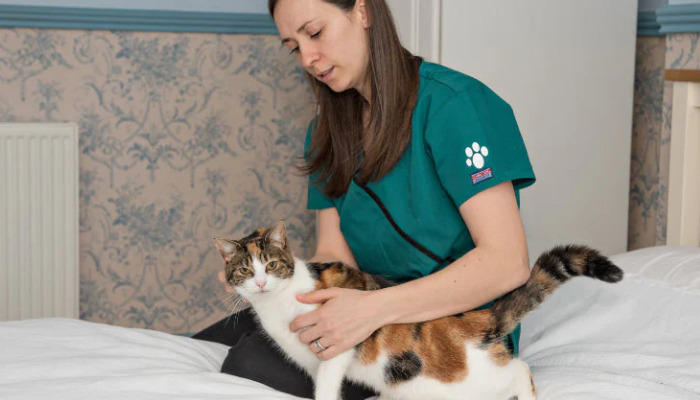
Proper injection technique, including rotating injection sites and using small gauge needles, can reduce local complications. Massaging the area and keeping it clean post-injection also helps.
2. Supportive Care
Cats with gastrointestinal upset may benefit from anti-nausea medications or appetite stimulants. Hydration and a nutritious diet support the body’s healing during therapy.
3. Ongoing Monitoring
Regular veterinary checks, including blood tests, allow for early identification of complications. This also provides opportunities to adjust medication if abnormal values arise.
4. Owner Education
Educating caregivers about possible side effects ensures that emerging problems are noticed early, allowing prompt veterinary intervention.
Incidence of Side Effects Relative to Other Treatments
FIP previously had no reliable treatment, so the comparison is often between newer antivirals and supportive care alone. With GS-441524 and related therapies, reported side effects are generally less serious than those caused by traditional chemotherapeutic or immunosuppressive drugs, which have been tried in the past with limited success. Most cats tolerate FIP antivirals well, and adverse effects rarely necessitate discontinuation.
Potential Long-Term Effects
Current research suggests that long-term side effects are uncommon. Most cats who survive FIP and complete therapy do not display chronic health issues related to medication use. However, because widespread use of these drugs began recently, continued monitoring and studies are needed to rule out rare or delayed complications.
Special Considerations for Young and Sick Cats
Kittens and severely ill cats may be slightly more sensitive to medication side effects due to immature organ systems or concurrent disease. In these cases, dosing regimens may need adjustment. While side effects can be more frequent, the overall risk-to-benefit ratio generally favors treatment, as FIP remains almost universally fatal without intervention.
Importance of Veterinary Supervision
Anti-FIP drugs are not approved in all countries and remain unregistered in some markets. The quality and concentration of drugs sourced online can vary, posing risks of overdose or contamination. Veterinary guidance ensures correct dosing, monitoring, and rapid response to emergencies. Unsupervised treatment increases the risk of preventable complications.
Anecdotal Data from FIP Support Groups
Many online FIP support groups compile robust databases of owner-reported side effects. While not a substitute for clinical research, these anecdotal data align with published findings: most side effects are manageable and rarely life-threatening.
Research Gaps and Future Directions
Comprehensive, large-scale studies are still needed to further define the frequency and severity of side effects in treated cats. Better formulations, safer oral options, and refinements in dosing are actively being investigated by veterinary pharmacologists. Information on drug resistance, relapses, and effects in special populations (senior cats, pregnant queens) is gradually emerging.
Guidelines for Cat Owners
For cat owners embarking on FIP treatment, the following principles help minimize side effect risk:
Discuss all available medication options, routes, and formulations with your veterinarian.
Adhere strictly to dosing guidelines—never alter the protocol without veterinary oversight.
Observe your cat daily for changes in eating, energy level, urination, defecation, or local reactions at medication sites.
Keep follow-up appointments for bloodwork and check-ups.
Report any abnormal signs to your veterinarian immediately, even if they seem minor.
Use only veterinarian-verified drug sources.
Alternative and Complementary Therapies
While antiviral therapy is the current standard, supportive and adjunct therapies (immunomodulators, anti-inflammatories, nutritional supplements) may be recommended to alleviate symptoms or support recovery. None are substitutes for antivirals, but they rarely cause significant side effects when properly coordinated.
Conclusion: Weighing Risks and Benefits
For most cats, the risk of significant side effects during FIP antiviral therapy is low relative to the severity of the disease. Proactive management, veterinary supervision, and ongoing research continue to improve both safety and outcomes for cats diagnosed with this once invariably fatal condition.
References
1. Pedersen, N.C., Black, J.W., Boyle, J.F., et al. "GS-441524 Treatment of Feline Infectious Peritonitis." Journal of Feline Medicine and Surgery.
2. Murphy, B.G., Perron, M., et al. "The Nucleoside Analog GS-441524 Strongly Inhibits Feline Infectious Peritonitis (FIP) Virus in Tissue Culture and Experimental Cat Infection Studies." Veterinary Microbiology.
3. Krentz, D., Zwicklbauer, K., et al. "Clinical Efficacy and Adverse Effects of GS-441524 in Cats with Naturally Occurring Feline Infectious Peritonitis." Veterinary Sciences.
4. Addie, D.D., et al. "Feline Coronavirus: Insights Into Pathogenesis and Management of FIP." Journal of Small Animal Practice.
5. Dickinson, P.J., Bannasch, M., et al. "The Emergence of Antiviral Therapy for FIP in Cats." Veterinary Journal.