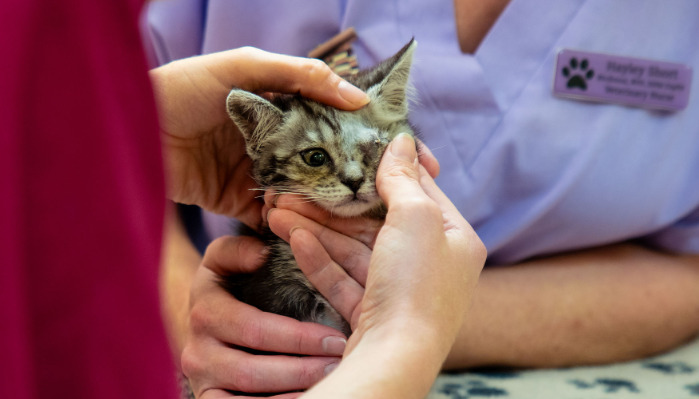
What Happens if FIP Medication Is Stopped Early
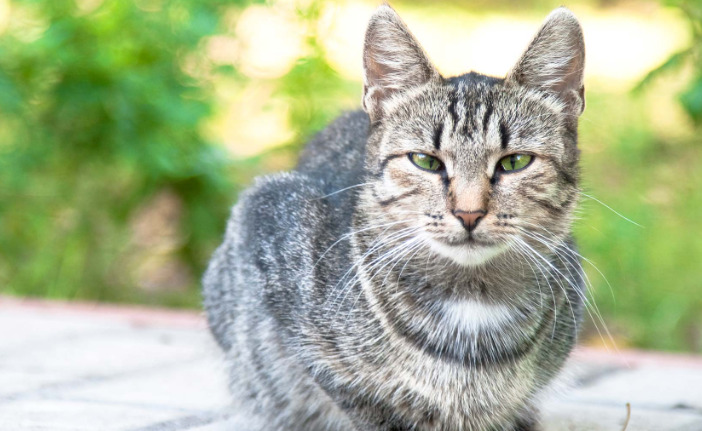
Introduction to Feline Infectious Peritonitis (FIP)
Feline Infectious Peritonitis (FIP) remains one of the most feared diseases among cat owners and veterinarians. Caused by a mutation of the feline coronavirus, FIP has traditionally led to devastating outcomes for affected cats. In recent years, however, the emergence of antiviral medications, especially those targeting viral replication such as GS-441524, has dramatically changed the prognosis for many cats. These treatments often require a strict regimen, typically over 12 weeks, to achieve full remission. The importance of completing the entire treatment is widely emphasized in veterinary circles. Yet, questions arise regarding what may happen if FIP medication is stopped early. This comprehensive guide explores the consequences, risks, and scientific understanding behind therapy adherence in FIP treatment.
The Basis of FIP Treatment Protocols
Modern therapy for FIP focuses on antiviral agents that inhibit viral replication and facilitate immune recovery. GS-441524 and related drugs are leading examples, with evidence supporting their efficacy when administered for a sustained period. Protocols typically recommend a 12-week course; some cats may require longer treatment depending on severity and form of FIP (effusive or non-effusive).
Stopping medication early disrupts the protocol's rationale, threatening both remission and survival. The underlying science hinges on the necessity to clear the virus from all tissues, particularly those hard to reach, such as the central nervous system or ocular tissues in neurological and ocular FIP cases.
Why Duration Matters in FIP Treatment
Antiviral drugs work by continuously suppressing the ability of the virus to replicate. FIP-causing coronaviruses can persist at low levels in tissues, even when visible clinical symptoms have improved. Most guidelines recommend a fixed duration of therapy, regardless of symptom resolution, to assure microscopic viral clearance.
Premature discontinuation often occurs due to cost, misunderstanding, or perception that the cat has fully recovered. Scientific evidence and clinical experience indicate that stopping before the recommended endpoint may leave residual virus in tissue reservoirs, risking relapse.
Potential Consequences of Early Medication Cessation
Relapse and Recurrence
Clinical relapse is the most frequently reported outcome when FIP therapy is halted early. Symptoms such as fever, lethargy, weight loss, and abdominal distension may return days to weeks after stopping therapy. In many case studies, relapse was associated with incomplete viral suppression, allowing the remaining virus to proliferate.
Development of Drug Resistance
Short therapy durations can facilitate viral mutations, particularly if the virus is exposed to subtherapeutic levels of medication. According to virological principles, incomplete courses may select for strains less sensitive to the medication, undermining future attempts at treatment. While outright resistance to GS-441524 is still under study, the theory remains a concern in infectious disease management.
Severe or Complicated Forms
Cats with ocular or neurological FIP are at heightened risk if therapy is discontinued early. The virus can linger in these protected areas for longer, and clinical improvement may not always correlate with complete viral clearance. Early cessation in these forms can lead to severe rebound and increased difficulty in re-inducing remission.
Wasted Resources
Owners invest considerable financial and emotional resources into FIP treatment. Stopping medication early may lead to relapse, requiring restarting the protocol, which means additional costs and emotional strain.
Diagnostic Challenges After Early Therapy Stoppage
When FIP therapy is stopped before completion and symptoms recur, distinguishing between relapse and new infection can be complex. Laboratory markers, such as coronavirus RNA quantification, and repeated imaging are often required. Inconsistent therapy duration can also obscure future diagnostic clarity, complicating veterinary management.
Owner Perspectives and Psychological Impacts
For cat owners, the decision to stop therapy prematurely is often fraught with anxiety, financial pressure, or misunderstanding of protocol necessity. The bond between owner and pet is tested if relapse occurs, sometimes leading to feelings of guilt or regret. Veterinarians report that the emotional consequences following early discontinuation often rival the clinical impact, with owners deeply affected if the cat’s health declines.
How Veterinarians Counsel Owners
Veterinarians play a crucial role in explaining the importance of full course adherence. They often use analogies from human medicine, such as the dangers of stopping antibiotics prematurely. Clear communication about potential risks, relapse likelihood, and optimal outcomes is central to veterinary care for FIP cases.
In some settings, veterinarians have developed tailored handouts, support groups, and financial counseling to encourage owners to complete therapy. Follow-up visits and regular communication help mitigate misunderstandings and ensure protocol adherence.
Alternative Approaches in Case of Early Stoppage
If medication has been stopped early, many veterinarians recommend rapid re-initiation of therapy upon recurrence. The likelihood of regaining remission depends on how long the cat was off medication and the severity of returning symptoms. Each case requires individualized assessment, sometimes with increased drug doses or extended therapy in subsequent attempts.
Some cats may experience multiple relapses, challenging standard protocols and requiring nuanced dosing strategies or adjunctive therapies to achieve sustained remission.
Case Study Insights and Real-World Data
Recent studies and case reports provide illustrative examples supporting the importance of full treatment duration. In a survey conducted by Dr. Niels Pedersen at UC Davis, cats completing the full protocol demonstrated over 80% sustained remission rates, compared to less than 30% in those with early stoppage due to various factors.
Other published data points to the increased risk of severe relapse, drug resistance, or failure to regain remission in cases of incomplete therapy. These insights have shaped increasingly stringent guidelines around protocol adherence.
Financial Barriers and Creative Solutions
Cost remains a significant concern, as FIP medication is notoriously expensive and often not FDA-approved, requiring owners to source drugs through experimental or community channels. Some non-profit organizations and veterinary practices have established financial support networks to help owners afford the entire course of medication, reducing instances of early discontinuation.
Crowdfunding, pet insurance where applicable, and manufacturer assistance programs may further bridge gaps, ensuring optimal treatment adherence.
Prevention and FIP Surveillance
While no vaccine for FIP exists to physically prevent the disease, early diagnosis and rapid initiation of antiviral therapy remain the best approach for survival. Ongoing research into new medications and improved delivery methods aims to decrease costs and improve accessibility, increasing the likelihood that owners can complete treatment as prescribed.
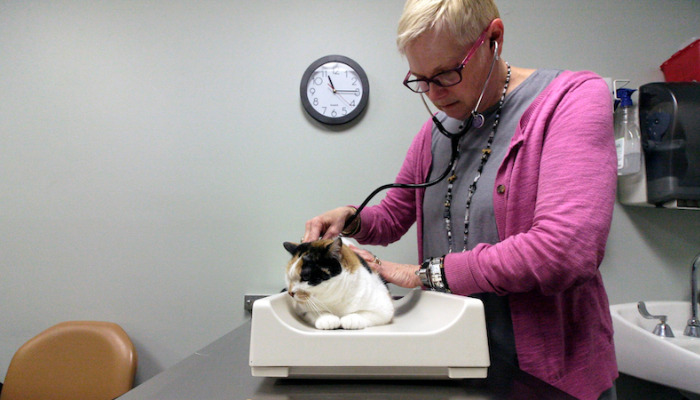
Regular monitoring during therapy includes blood work, imaging, and clinical examinations to assure progress, guide dosing adjustments, and reinforce the necessity of a complete course.
The Role of Support and Community
FIP support groups, both online and local, are instrumental in educating owners and sustaining adherence. These organizations provide emotional support, financial resources, and shared experiences, increasing the overall success rate of treatment and mitigating risks associated with early therapy cessation.
Community resources serve as hubs for information, with treatment guides, symptom trackers, and regular webinars led by veterinarians. These efforts are vital for empowering owners to navigate the complex world of FIP management.
The Future Direction of FIP Medication Protocols
Ongoing research continues to refine FIP treatment protocols. Studies are underway examining the minimum effective duration of drug administration, possibilities for intermittent dosing, and combination therapies with immunomodulatory agents.
While protocols may evolve, the consensus remains that strict adherence to current guidelines yields the best outcomes. Until more definitive data emerges, stopping medication early poses substantial risks and should be avoided whenever possible.
Ethical Considerations Surrounding Treatment Duration
Ethical dilemmas arise when financial hardship or owner circumstances challenge protocol adherence. Veterinarians are tasked with balancing compassion, hope, and realism when discussing the prognosis for incomplete therapy. Clear guidance, transparency in risk communication, and maximizing resources are central to ethical FIP care.
Animals must not be subjected to suboptimal therapy due to lack of information or support. Advocacy by veterinary professionals and community groups is essential for upholding both animal welfare and owner understanding.
How to Support Owners in Completing Therapy
Education and resources are critical. Clinics are increasingly integrating FIP protocol counseling into routine visits, using infographics, written guides, and access to online communities. Pet health insurance, budgeting tools, and emotional counseling now feature in comprehensive FIP management plans.
Veterinarians encourage owners to plan ahead, commit to the full duration, and utilize assistance channels when needed. Early intervention in addressing barriers minimizes dropout risk.
Interactions With Other Medications and Conditions
Cats with preexisting health issues may require additional medications, especially for pain, secondary infections, or immune support. Owners should communicate all medications and conditions to the veterinarian to mitigate the risk of drug interactions and ensure sustained viral suppression.
The Importance of Ongoing Research
Numerous veterinary research teams across the globe are studying ideal dosing, duration, and adjunct therapies for FIP. Results from clinical trials, expanded access programs, and patient registries will inform future protocols and help quantify risks of early medication stoppage.
Frequently Asked Questions
Can my cat be cured before completing the full course?
While some cats show dramatic clinical improvement within weeks, invisible remnants of the virus can linger. Only completing the full course minimizes the risk of relapse.
What signs indicate a relapse after stopping medication early?
Classic symptoms include fever, loss of appetite, lethargy, and fluid accumulation. Owners should seek veterinary evaluation immediately if these arise.
Is there any scenario when early stoppage is safe?
Current consensus suggests early cessation is unsafe, except under direct veterinary supervision for rare adverse reactions, in which case protocols are modified for safety.
Can I just “wait and watch” if my cat is improving early?
Waiting increases risk of severe relapse; always follow veterinary advice and complete recommended duration.
Reinforcing the Message: Adherence is Key
Protocol adherence is the cornerstone of success in modern FIP treatment. Stopping medication early compromises the chances for remission, risks relapse, and seriously impacts long-term survival. Veterinary professionals and community resources are committed to supporting owners in completing therapy and optimizing outcomes for every affected cat.
References
1. Pedersen, N. C. (2020). The Incidence of Relapse or Non-Response to GS-441524 Treatment for Feline Infectious Peritonitis. Feline Medicine Research Group at UC Davis.
2. Dickinson, P. J., et al. (2021). Efficacy of GS-441524 Treatment for Feline Infectious Peritonitis and the Risk of Recurrence Following Early Termination. Journal of Veterinary Internal Medicine, 35(2), 713-722.
3. Murphy, B. G., et al. (2018). Antiviral Therapy for Feline Infectious Peritonitis: Dose and Duration Considerations. Viruses, 10(12), 715.
4. Addie, D. D., et al. (2017). FIP Treatment Protocols: Current Perspectives and Best Practices. Veterinary Clinics of North America: Small Animal Practice, 47(5), 1237-1249.
5. Tasker, S. (2023). Feline Infectious Peritonitis: Advances in Diagnosis and Therapy. Compendium on Continuing Education for the Practicing Veterinarian, 45(4), 298-306.
6. US Food and Drug Administration (2022). Guidance for Antiviral Medications in Non-Human Species. FDA Veterinary Medicines Guidance.
7. Bolfa, P., et al. (2019). Trends in Owner Compliance With FIP Medication Protocols. Veterinary Record, 185(12), 387-392.
8. FIP Warriors Support Group. (2022). Owner Perspectives on FIP Treatment Adherence. Feline Health Symposium Proceedings.