Can a Cat’s Condition Fluctuate During FIP Medication Treatment
Feline Infectious Peritonitis (FIP) has long been considered a devastating diagnosis for cats, with limited treatment options available until recent pharmaceutical advances. With drugs like GS-441524 and remdesivir displaying promising results, many cat guardians now face new questions regarding what to expect during therapy. This article explores the phenomenon of condition fluctuation during FIP medication treatment, delving into the causes, patterns, and implications of variable responses. Prevention, monitoring, and optimization of therapy are discussed to guide pet owners and veterinarians through the emotional and clinical complexities of managing FIP.
Understanding FIP and Modern Treatments
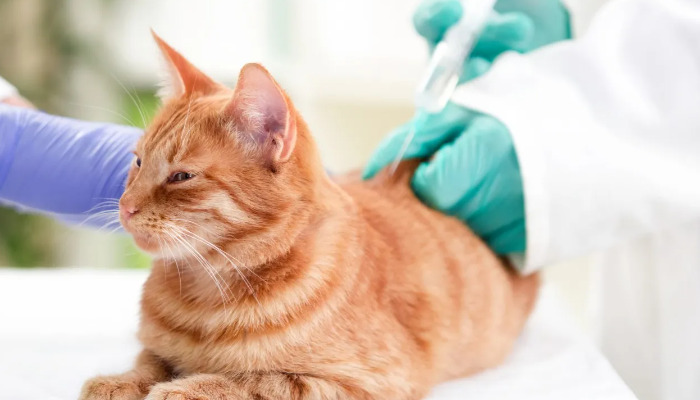
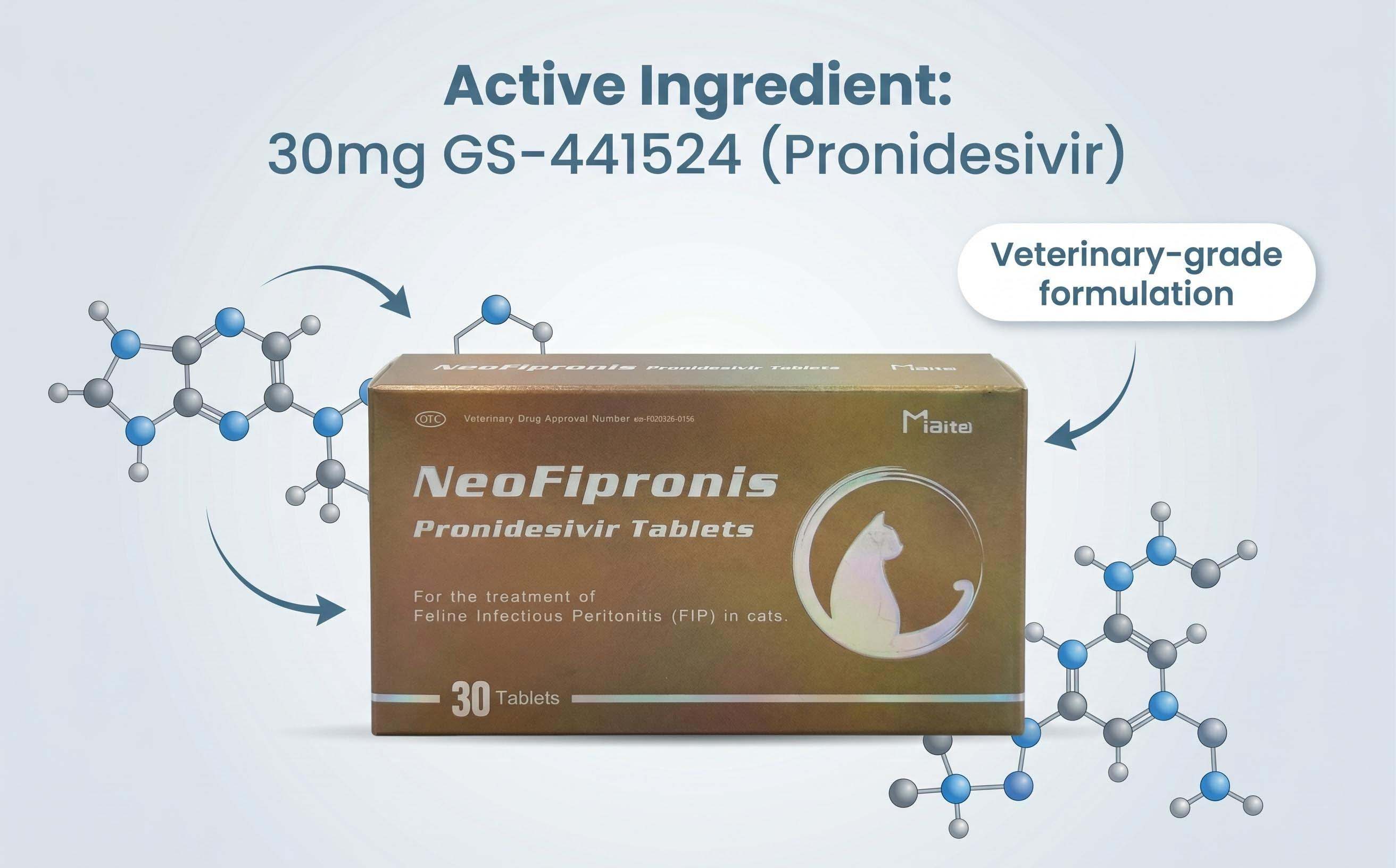
FIP is a disease caused by feline coronavirus (FCoV) mutation within the host. It exists in two principal forms: effusive (wet), characterized by fluid accumulation in body cavities, and non-effusive (dry), which often affects specific organs. Historically, FIP was almost always fatal. Over the past decade, antiviral medications—especially GS-441524, a nucleoside analog—have revolutionized prognosis, allowing many cats to achieve remission or even full recovery. Despite this progress, medication regimens are lengthy, often lasting 12 weeks or longer, and require careful dosing and monitoring.
Why FIP Symptoms Fluctuate During Treatment
Cats with FIP can experience marked symptom fluctuation throughout therapy. Some animals show dramatic improvement within days, but others bounce between periods of apparent recovery and setbacks. Several factors contribute to these shifting clinical pictures:
Immune System Variability
Different cats mount unique immune responses. As antivirals lower viral replication, the immune system may “catch up” or even overshoot, causing inflammatory reactions.
Drug Metabolism and Absorption
Genetics, age, body weight, concurrent illnesses, and gastrointestinal health can affect how a cat processes medications. Suboptimal absorption or missed doses may result in transient recurrence of symptoms.
Virus Load Reduction
As viral loads decrease, organ damage may begin to heal—sometimes coinciding with a “healing crisis” that temporarily worsens symptoms.
Secondary Infections or Complications
Cats with FIP are often immunocompromised, making them susceptible to secondary bacterial infections or complications like anemia and jaundice. Treating these can lead to fluctuations independent of FIP progression.
Common Patterns of Condition Fluctuation
Understanding typical symptom trajectories helps manage expectations and optimize care. Some recognized patterns include:
Initial Rapid Improvement
Most cats respond quickly to GS-441524 within the first few days, manifesting improved appetite, energy, and resolution of fever.
Plateau or Mild Relapse
Recovery may slow around weeks 3–6. Occasional relapses occur but usually respond well to continued or slightly increased dosing.
Late-Onset or Lingering Symptoms
In cases with substantial organ involvement, late or lingering symptoms (e.g., persistent effusion, neurological deficits) may require dose extension or adjunct therapies.
Post-Treatment Fluctuations
After cessation of medication, some cats experience temporary setbacks as their immune system recalibrates, but these typically resolve spontaneously or with supportive care.
Monitoring FIP During Treatment
Frequent and methodical monitoring is essential. The following steps are recommended:
Clinical Examination
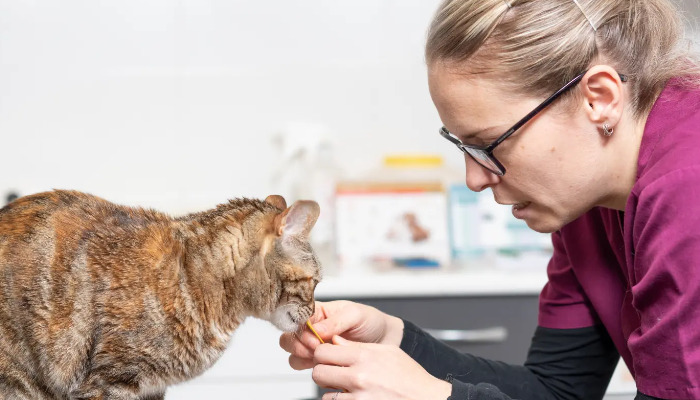
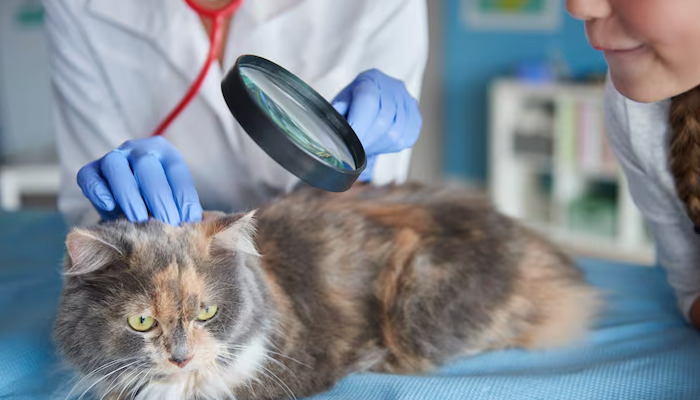
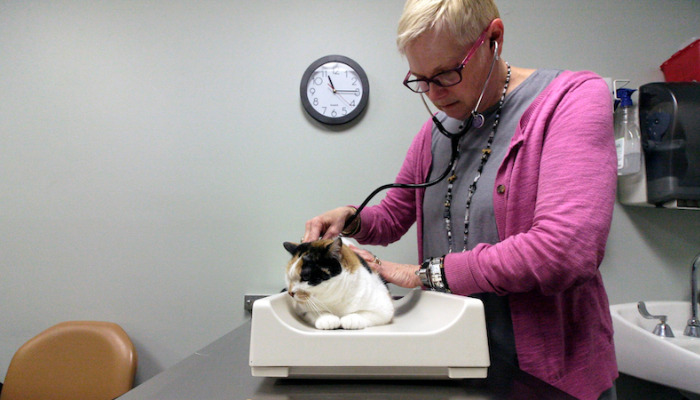
Regular veterinary check-ups evaluate body weight, temperature, hydration, appetite, and activity.
Laboratory Testing
Blood chemistry, complete blood count (CBC), and serum protein levels help assess systemic inflammation, anemia, and organ function.
Imaging
Ultrasound or radiographs can reveal residual fluid or unresolved organ damage.
Owner Observations
Behavioral and appetite changes are among the first signs of relapse or improvement.
Responding to Unexpected Fluctuations
If a cat’s condition worsens or fails to improve:
Confirm Medication Compliance
Missed doses or incorrect administration are common causes of setbacks. Review all medications and instructions.
Adjust Dosing
Some cases require dose escalation, especially in neurological or severe dry FIP forms.
Address Complications
Concurrent infections or secondary problems can impede progress. Identifying and treating these can restore improvement.
Supportive Care
Hydration, nutritional support, pain management, and anti-inflammatory medicines may be necessary.
Consultation with FIP Experts
Complex cases benefit from the guidance of veterinarians experienced in FIP management and newer therapies.
Impact of Supportive Therapies
Supportive therapies—ranging from fluid therapy and blood transfusion to nutritional supplements—significantly influence symptom fluctuation. These interventions are typically tailored to the cat’s individual needs, such as addressing anemia or hepatic dysfunction.
Fluid and Electrolyte Balance
Restoration of hydration and electrolyte levels can quickly improve clinical signs.
Nutritional Optimization
Cats with FIP may lose weight rapidly. Calorie-dense diets, assisted feeding, and appetite stimulants help reduce fluctuations.
Management of Complications
Specific treatments for jaundice, anemia, neurological symptoms, or effusions can precipitate temporary ups and downs during recovery.
The Psychological Aspect of Condition Fluctuation
Managing FIP is emotionally challenging for owners, who often ride a rollercoaster of hope and anxiety as their cat’s health shifts. Recognizing that fluctuation is common—and not necessarily a sign of treatment failure—can help maintain optimism and plan further care.
Communication with Veterinary Team
Frequent updates and adjustment of expectations can reduce distress.
Support Networks
Many owners benefit from connecting with others facing similar challenges through support groups or online communities.
Long-Term Outlook After Treatment
Many cats treated for FIP now survive and thrive, though some are left with chronic health issues or require ongoing medication for relapses. Fluctuations may persist intermittently, especially in cases with severe or multi-organ involvement. Regular wellness checks and prompt attention to emerging symptoms are recommended.
Prevention of Relapses and Fluctuations
While some factors are outside owner control, steps can be taken to minimize the impact and frequency of health fluctuations:
Rigorous Adherence to Medication Schedules
Timely, accurate dosing maximizes the antiviral effect.
Clean Living Environment
Reducing exposure to infectious agents and stress can support immune recovery.
Early Intervention
At first signs of clinical change, a swift response may prevent more serious relapses.
Recent Advances and Future Directions
Ongoing research into FIP treatment modalities, dosing protocols, and companion therapies are expanding options and understanding of symptom fluctuation. Emerging drugs and new combinations may further smooth out recovery periods or shorten treatment duration.
Expanded Use of Remdesivir
Originally developed for humans, remdesivir is now used more frequently in veterinary settings, especially for challenging neurological cases.
Personalized Medicine Approaches
Genetic and pharmacokinetic profiling may someday allow veterinarians to tailor therapies and predict which cats are prone to fluctuation.
Key Takeaways for FIP Care
Cats undergoing FIP medication treatment often experience fluctuating symptoms. These shifts stem from complex interactions between drug, virus, immune response, and secondary complications. Careful monitoring, open communication, and proactive care support the highest likelihood of successful recovery. As scientific understanding and treatment options progress, optimal management of fluctuation and relapse will continue to evolve, offering hope to FIP-affected cats and their human caretakers.
References
Pedersen, N.C. et al., “Efficacy and safety of the nucleoside analog GS-441524 for treatment of cats with naturally occurring feline infectious peritonitis,” Journal of Feline Medicine and Surgery, 2019.
Dickinson, P.J., “Feline infectious peritonitis: update on antiviral treatment and patient management,” Veterinary Clinics of North America: Small Animal Practice, 2020.
Krieger, S.E., “Understanding FIP: Pathogenesis and challenges in clinical management,” Veterinary Focus, 2021.
Addie, D.D., “Diagnosis and treatment of feline infectious peritonitis: The changing landscape,” Journal of Veterinary Internal Medicine, 2022.
Hartmann, K., “Feline infectious peritonitis: An update on diagnosis and treatment,” Veterinary Journal, 2021.
Brown, M.A., “Feline coronavirus pathogenesis and the role of the immune system,” Frontiers in Veterinary Science, 2020.