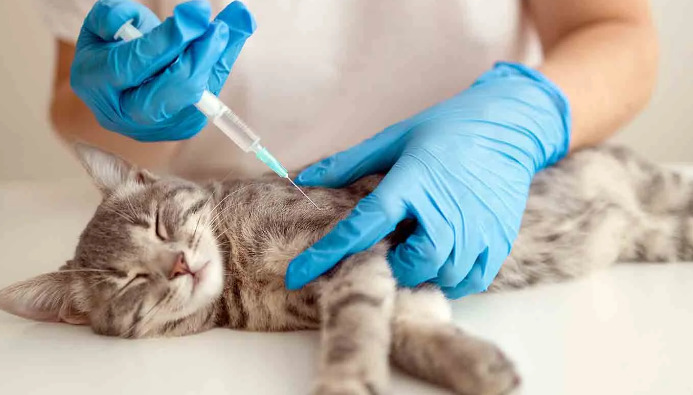
When Should You Seek Immediate Veterinary Attention During FIP Treatment
Feline Infectious Peritonitis (FIP) is a complex and often fatal disease caused by a mutated form of the feline coronavirus. While recent advancements in veterinary medicine have improved treatment options, managing FIP remains challenging. Understanding when to seek immediate veterinary care during treatment is crucial for the health and safety of your cat. This article explores key signs and circumstances that necessitate urgent veterinary attention, the potential risks involved, and best practices for managing FIP.
Understanding FIP and Its Treatment
FIP typically manifests in two forms: wet (effusive) and dry (non-effusive). Both forms involve inflammation of the abdominal cavity or other organs, leading to symptoms such as weight loss, lethargy, fever, and fluid accumulation. Traditional treatments were largely supportive, but newer antiviral drugs like remdesivir or GS-441524 have shown promise. Despite these advancements, treatment requires close monitoring to ensure efficacy and prevent complications.
Recognizing Critical Signs
While some symptoms during FIP treatment are expected and manageable, certain signs indicate a need for immediate veterinary attention:
1. Sudden or Severe Respiratory Distress
Respiratory issues such as rapid breathing, labored breathing, or coughing can signal fluid build-up in the lungs or airway obstruction. Respiratory distress can worsen quickly, leading to hypoxia (low oxygen levels), which is life-threatening. If your cat exhibits these symptoms, prompt veterinary intervention is essential.
2. Severe Abdominal Swelling or Pain
In cases of wet FIP, fluid accumulation causes noticeable swelling. However, if swelling rapidly increases or your cat appears in significant discomfort (e.g., vocalizing, avoiding touch), it could indicate bleeding, infection, or fluid leakage. Sudden worsening warrants urgent assessment.
3. Sudden Loss of Appetite or Vomiting
While some appetite loss may be persistent due to illness, abrupt anorexia coupled with vomiting can suggest medication side effects, organ failure, or secondary infections. Prolonged inability to eat increases risk for hepatic lipidosis and dehydration.
4. Bleeding or Unusual Bruising
Unexpected bleeding from gums, nose, or visible bruises may indicate coagulopathy (blood clotting disorder). Certain medications or disease progression can impair blood clotting, requiring prompt labs and treatment adjustments.
5. Extreme Lethargy or Collapse
A cat that becomes excessively lethargic, unresponsive, or collapses should receive immediate medical care. These are signs of severe systemic deterioration or shock, which necessitate emergency intervention.
Monitoring and Preventative Measures
Establishing a routine monitoring process can help detect early signs of complication. Regular veterinary check-ups, blood tests, and imaging enable early intervention. Owners should observe daily for changes in activity levels, appetite, breathing, and behavior.
Maintaining proper hydration and medication adherence also minimizes the risk of adverse events. Keep a log of symptoms, medication schedules, and any concerns to discuss during veterinary visits.
Emergency Preparedness
In the event of urgent symptoms, plan for rapid transportation to an emergency veterinary facility. Keep contact information for your primary veterinarian and nearby emergency clinics readily accessible. Having a basic understanding of first aid measures, such as providing a calm environment and ensuring unobstructed airways in respiratory distress, can be beneficial.
Final Thoughts
Timely recognition of warning signs is vital in managing FIP effectively. While the disease remains severe, advances in treatment have improved outcomes when complications are promptly addressed. Owners should remain vigilant, communicate regularly with their veterinary team, and act swiftly if their cat exhibits any of the critical symptoms outlined above.
References
1. Pedersen, N. C. (2018). Feline Infectious Peritonitis: Update on Pathogenesis and Management. Journal of Feline Medicine and Surgery, 20(7), 653–661.
2. Addie, D. D., et al. (2020). Feline coronavirus infection and FIP: Diagnostic and therapeutic challenges. Veterinary Journal, 260, 105425.
3. Pedersen, N. C., et al. (2019). Novel antiviral and immunomodulatory approaches in FIP management. Veterinary Clinics: Small Animal Practice, 49(2), 323-336.
4. National Animal Disease Control Program. (2022). Managing Infectious Feline Diseases. American Veterinary Medical Association.