Does FIP Cause Cats to Move More Slowly
Feline Infectious Peritonitis (FIP) is a serious and often fatal disease affecting cats worldwide. Caused by a mutated form of the feline coronavirus (FCoV), FIP primarily targets the immune system and internal organs, leading to a range of clinical signs. One question that often arises among veterinarians and pet owners is whether FIP causes cats to move more slowly. Exploring this question involves understanding the disease’s mechanisms, typical symptoms, and how it affects a cat’s mobility.
Understanding FIP and Its Pathophysiology
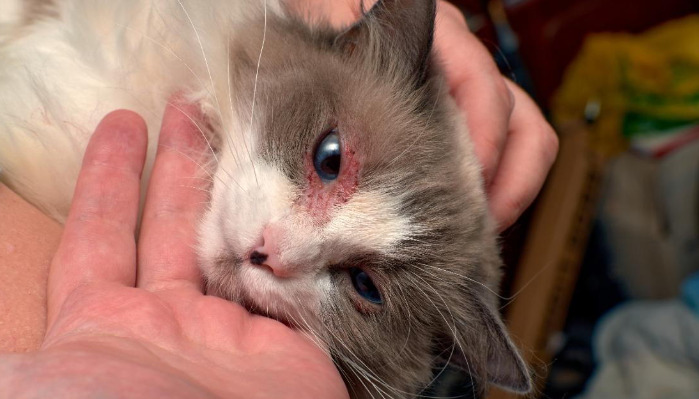
FIP develops when a typically benign feline coronavirus mutates within an infected cat’s body. Most cats infected with FCoV remain asymptomatic or only show mild gastrointestinal signs. However, in some cases, the mutated virus triggers an abnormal immune response, resulting in granulomatous inflammation affecting multiple organs. There are two primary forms of FIP: wet (effusive) and dry (non-effusive). Both forms can cause systemic illness, but the dry form is more associated with neurological and ocular involvement.
Effects of FIP on a Cat’s Body
The disease’s progression leads to symptoms such as fever, weight loss, lethargy, and appetite loss. As FIP advances, cats often display signs of discomfort and weakness. The inflammation caused by FIP can involve the abdominal organs, resulting in fluid accumulation (ascites) in wet FIP, and in the dry form, granulomas can develop in various tissues, including the central nervous system (CNS). When the CNS is involved, neurological signs such as ataxia, tremors, and changes in behavior can emerge.
Does FIP Affect Movement and Mobility?
Given the neurological component, FIP can indeed influence a cat’s movement. Cats with neurological FIP often exhibit abnormal gait, poor coordination, or paralysis, which can make them appear sluggish or slow. These signs are typically associated with CNS inflammation and tissue damage, impairing normal nerve function.
In cases without neurological involvement, the primary symptoms are systemic—fever, lethargy, and weight loss. While lethargy indicates a decreased activity level, it does not necessarily mean the cat moves more slowly in a mechanical sense. Instead, these cats may simply be less active overall due to malaise. They might still attempt to move, but their activity is often diminished, giving the impression of sluggishness.
Differentiating Between Lethargy and Slowness
It is crucial to distinguish between lethargy and actual slowness of movement. Lethargic cats are generally less motivated to move and may seem sleepy or disinterested in their surroundings. Slowness of movement, on the other hand, involves delayed or impaired motor functions, such as difficulty walking orstanding. When neurological damage from FIP disrupts nerve pathways controlling muscle movement, the cat may indeed move more slowly, stumble, or dribble.
Impact of FIP on Quality of Life
The degree to which FIP affects mobility varies depending on the disease’s form and severity. Cats with neurological FIP may exhibit significant movement deficits, resulting in a markedly slow or unsteady gait. Those with only systemic illness may retain normal motor capabilities but show reduced activity levels. In terminal stages, general weakness and disorientation often lead to markedly decreased mobility.
Veterinary Assessment and Observation
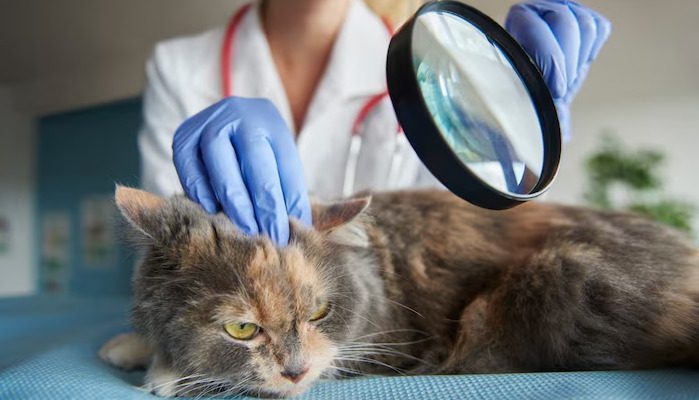
Veterinarians assessing a cat suspected of FIP will look for neurological signs, such as coordinated movement, tremors, and response to stimuli. Diagnostic imaging and cerebrospinal fluid analysis can reveal the extent of CNS involvement. Treatment options are limited; supportive care aims to improve quality of life rather than cure, and understanding the impact on movement can help in managing the cat’s comfort.
Conclusion
FIP can cause cats to move more slowly, primarily when neurological involvement is present. In such cases, impaired nerve function leads to ataxia, tremors, or paralysis, significantly affecting mobility. However, in cases lacking CNS involvement, cats may simply become less active or lethargic due to systemic illness, not necessarily moving more slowly in a mechanical sense. Recognizing these distinctions is essential to understanding how FIP impacts a cat’s movement and overall well-being.
References
1. Addie, D. D., et al. (2009). "Feline coronavirus infection and Feline Infectious Peritonitis." Veterinary Journal, 181(1), 120-125.
2. Pedersen, N. C. (2014). "Feline infectious peritonitis: update on diagnosis and treatment." Journal of Feline Medicine and Surgery, 16(4), 288-297.
3. Teillet, A., et al. (2016). "Neurological feline infectious peritonitis: a retrospective study." Journal of Small Animal Practice, 57(8), 410-414.
4. Kipar, A., et al. (2011). "Pathogenesis of feline infectious peritonitis: immunological and pathological aspects." Veterinary Immunology and Immunopathology, 147(1-2), 117-121.