Does Preventing FIP Mean Handling Cats Less
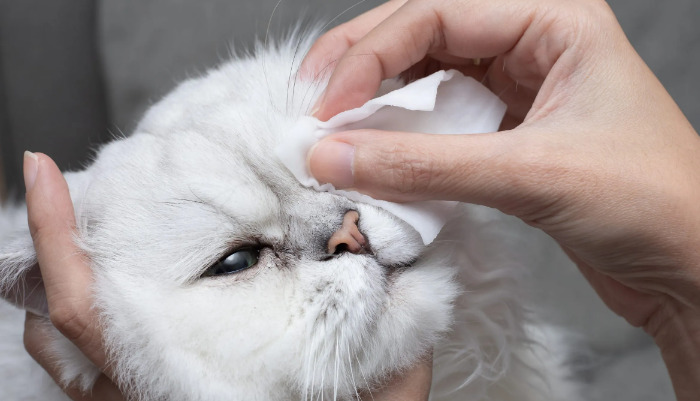
Feline Infectious Peritonitis (FIP) remains one of the most challenging diseases faced by cat owners and veterinarians alike. Caused by a mutation of the feline coronavirus (FCoV), FIP is often fatal once symptoms manifest. This disease presents a complex puzzle: does effective prevention of FIP require reducing human-cat interactions, or can cats still be cared for without increasing infection risk?
Understanding the nature of FIP is crucial to address this question. FCoV is widespread among domestic cats, especially those living in multi-cat environments such as shelters or catteries. Most cats infected with FCoV do not develop FIP; instead, the virus remains in their system, often asymptomatic. However, in some cases, the virus mutates within the host, leading to FIP, a rapidly progressing and deadly disease. The mutation process and factors influencing it are complex and not entirely understood, but stress, immune suppression, and high viral loads are believed to contribute.
Prevention strategies focus on minimizing stress, maintaining good hygiene, and managing high-density housing. Vaccination has been developed in some regions, but its efficacy remains debated among experts. Importantly, preventing FIP does not necessarily mean halting all human-cat interactions; instead, it involves adopting management practices that reduce infection and mutation risks.
Regular cleaning and disinfection of litter boxes, feeding areas, and shared spaces can significantly lower viral loads in the environment. Using distinct litter boxes for each cat, practicing hand hygiene, and reducing overcrowding are effective measures. These steps require some handling and interaction, but they do not mean avoiding human contact altogether. Instead, care becomes more about quality and safety rather than avoiding cats entirely.
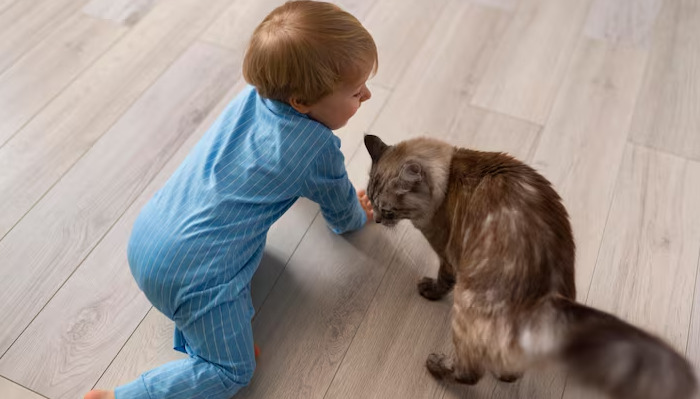
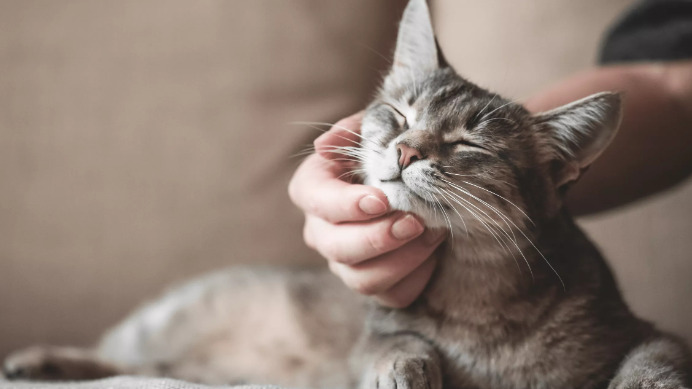
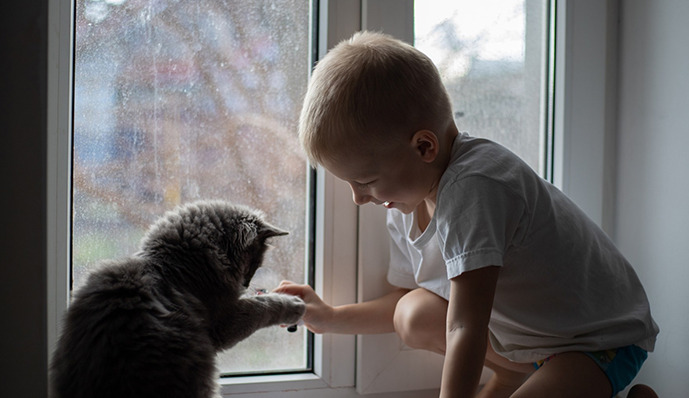
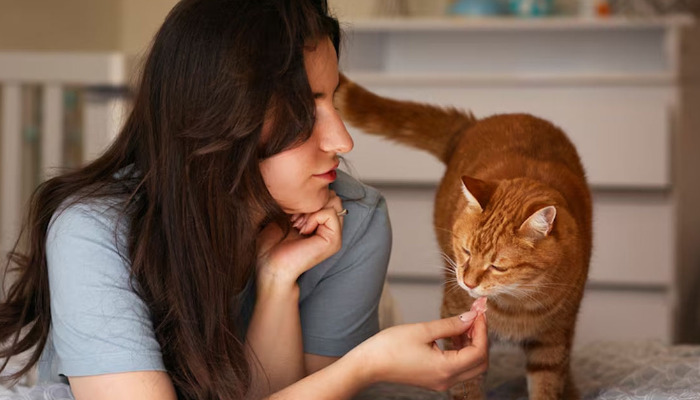
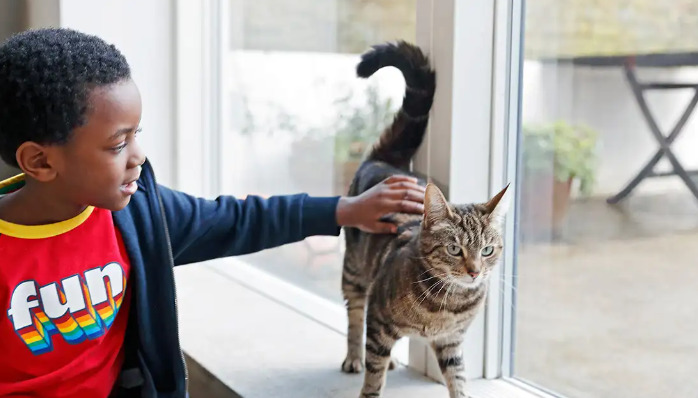
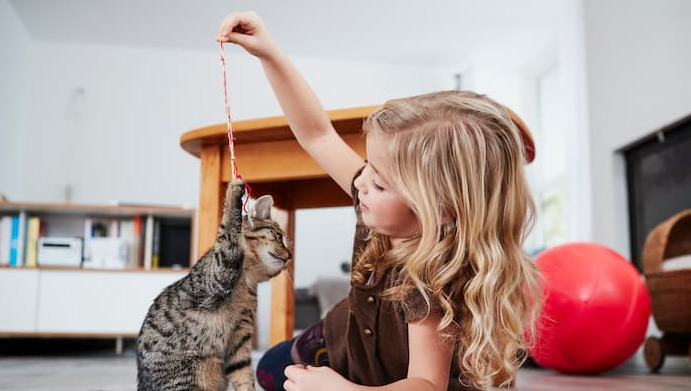
Furthermore, fostering a calm environment can mitigate stress-related immune suppression, which is a critical factor in the development of FIP. Owners and caretakers can handle cats with gentle care, ensure they have quiet, comfortable spaces, and avoid sudden changes that might elevate stress levels. In this context, handling cats appropriately is compatible with preventing FIP—it is not about handling less, but about handling smarter.
When it comes to veterinary care, professional handling for check-ups and treatments remains essential. Regular health monitoring helps detect early signs of FIP or related illnesses, enabling timely intervention. Veterinarians often recommend minimizing unnecessary handling, but routine examination and vaccination are important components of preventative care.
The notion that preventing FIP means reducing human contact with cats is a misconception. Instead, it emphasizes responsible handling, hygiene, and environmental control. These practices allow human-cats interactions to continue safely, without increasing the risk of viral mutation or transmission. Education plays a vital role here—caregivers need to understand how to handle cats properly, especially in multi-cat environments, to prevent outbreaks.
In conclusion, preventing FIP is not synonymous with handling cats less. The goal is to handle cats responsibly, maintain a clean and stress-free environment, and implement appropriate health measures. Careful management reduces the risk of FCoV mutation into FIP, thus protecting the health of individual cats and the overall feline population. Handling cats appropriately and with care can coexist with effective FIP prevention strategies.
References
1. Pedersen, J. C. (2014). Feline infectious peritonitis diagnosis and management. Veterinary Clinics of North America: Small Animal Practice, 44(4), 817-831.
2. Addie, D. D., & Jarrett, O. (1992). Coronavirus infections of cats. The Veterinary Record, 130(7), 120-124.
3. Taeymans, O. (2012). Feline enteric coronavirus and the development of feline infectious peritonitis. Veterinary Journal, 290(4), 96-103.
4. Hartmann, K., & Addie, D. (2019). Feline infectious peritonitis. In Feline Infectious Diseases (pp. 279-308). Elsevier.
5. Kipar, A., & Meli, M. L. (2014). Feline coronavirus infection: facts and how to deal with it. Veterinary Microbiology, 287(2), 134-144.