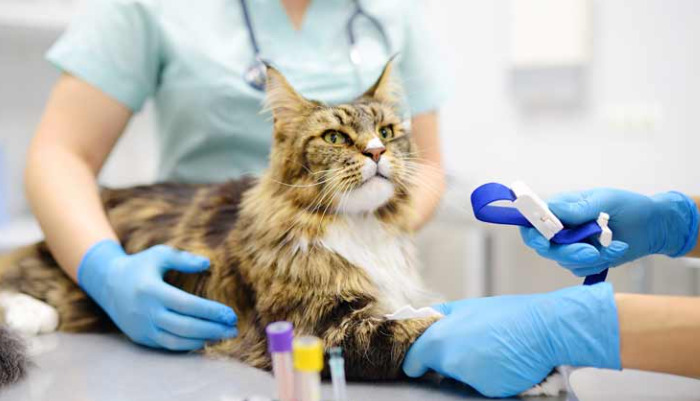
Characteristics of FIP symptoms
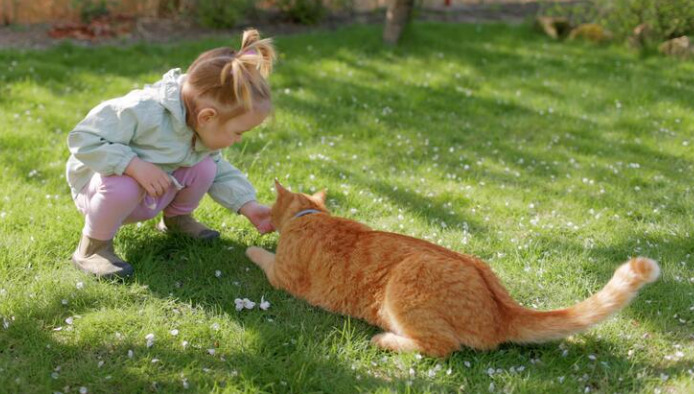
Feline Infectious Peritonitis (FIP) is a complex and often fatal disease caused by mutated feline coronavirus. Its presentation can vary significantly among affected cats, making early recognition challenging. Understanding the characteristic symptoms is crucial for timely diagnosis and management. The manifestations primarily depend on the form of FIP—wet (effusive) or dry (non-effusive)—each displaying distinct clinical features.
1. General Lethargy and Decline in Activity
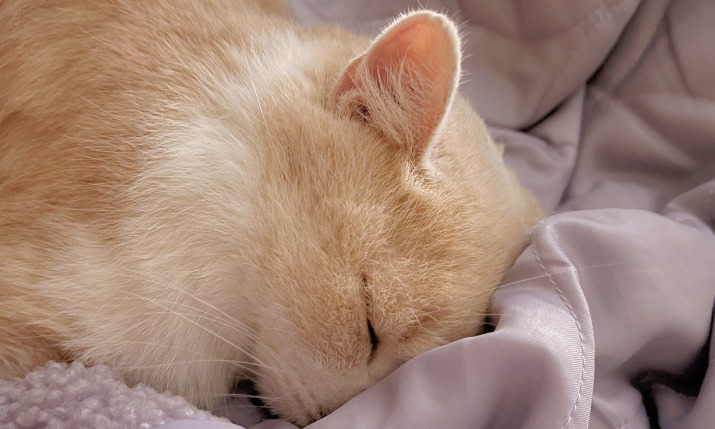
A hallmark of FIP is a sustained decrease in energy levels. Cats may become unusually lethargic, sleeping more than normal and showing disinterest in usual activities such as playing or grooming. This fatigue often accompanies a gradual weight loss, reflecting the ongoing systemic illness. Owners might observe their feline's decrease in responsiveness, indicating the widespread impact of the disease.
2. Fever That Resists Antibiotics
Persistent high fever that does not respond to standard antibacterial treatment is common. The body temperature may fluctuate but generally remains elevated despite medication interventions. This resistance often confuses initial diagnosis, as infection signs mimic other illnesses. The fever is usually modest initially but may escalate as the disease advances.
3. Abdominal Distension and Effusions
In the wet form of FIP, fluid accumulates within the abdominal cavity, causing noticeable swelling or distension. The abdomen appears swollen, often tense, and may feel variably tense upon palpation. The fluid is typically straw-colored, viscous, and may lead to difficulty in breathing if it accumulates in the thoracic cavity. The buildup of effusions results from small-vessel vasculitis, a hallmark of the wet form.
4. Neurological Manifestations
Some cats develop neurological signs due to meningeal inflammation or granulomatous lesions. These symptoms include uncoordinated movements, opisthotonus (tetanic posturing), seizures, or behavioral changes such as disorientation or depression. The presence of neurological signs often indicates a dry or neurotropic form of FIP and suggests CNS involvement.
5. Ocular Changes
Ocular involvement is frequently observed in dry FIP, presenting as uveitis (inflammation of the uveal tract). The affected eye might show redness, swelling, or aqueous flare—a cloudy or hazy appearance in the anterior chamber. Sometimes, retinal lesions or chorioretinitis may be detected, which can cause visual impairment. These ocular signs often serve as clues to systemic FIP.
6. Gastrointestinal Symptoms
When FIP affects the gastrointestinal tract, cats may exhibit vomiting, diarrhea, or weight loss. These symptoms often accompany abdominal pain or discomfort on palpation. Weigh loss and anorexia are common, reflecting the systemic inflammatory response and organ involvement.
7. Skin and Mucous Membrane Lesions
In rare instances, cats may develop skin nodules, ulcers, or mucous membrane discolorations. These lesions result from vasculitis-induced vessel damage. Such skin involvement, though less common, adds another layer to the clinical picture and may mislead diagnosis toward other dermatological conditions.
8. Laboratory Indicators Corresponding to Symptomatology
Biochemical changes consistent with systemic inflammation include elevated globulin levels, hyperbilirubinemia, or increased serum fibrinogen. Leukocytosis with neutrophilia and lymphopenia often correlates with clinical severity. The combination of clinical signs and laboratory findings guides clinicians toward FIP suspicion, although definitive diagnosis requires further testing.
Unconventional Clues and Variability
FIP presentations can be unpredictable, with some cats showing atypical signs such as ascites without fever or neurological deficits without obvious abdominal symptoms. This variability underscores the importance of a comprehensive assessment. Additionally, co-existing conditions or secondary infections can obscure the clinical picture, complicating diagnosis.
New Insights and Perspectives
Research indicates that certain breeds, such as Bengals and ABYSSINIAN cats, may have a higher predisposition. Moreover, recent studies suggest that immune response dynamics, rather than viral presence alone, influence symptom development. Recognizing subtle early symptoms like mild behavioral changes or slight ocular discomfort could facilitate earlier intervention, which might improve outcomes or at least provide palliative relief.
The multifaceted nature of FIP symptoms demands a keen eye for detail, an understanding of disease progression, and awareness of the diverse ways the virus manifests. Advances in diagnostic tools, particularly in imaging and laboratory markers, continue to shed light on this enigmatic disease, hinting at possibilities for more accurate early detection in the future.