What Are the Early Signs of FIP in Cats
Feline Infectious Peritonitis (FIP) is a devastating disease affecting domestic and wild cats worldwide. Triggered by a mutation within the feline coronavirus, FIP is notoriously difficult to diagnose in its early stages. This article explores the subtle and overt signs that may indicate feline infectious peritonitis’s onset, helping cat owners and veterinarians recognize the disease and seek timely intervention.
Understanding Feline Infectious Peritonitis
Feline Infectious Peritonitis arises from infection with the feline coronavirus (FCoV). While many cats carry this virus asymptomatically, a small percentage—commonly less than 10%—experience a mutation transforming it into the more dangerous FIP virus (FIPV). This mutated virus instigates a severe inflammatory reaction within the body, targeting the abdomen, chest, eyes, and nervous system. The disease has two forms: "wet" (effusive) and "dry" (non-effusive), each with slightly different clinical presentations.
Why Early Detection Is So Critical
Early identification of FIP in cats can potentially improve prognosis and treatment outcomes. Many signs of FIP are nonspecific: they can mimic other feline illnesses, making detection challenging even for experienced veterinarians. Although recent advancements in medical treatments have given hope to affected cats, delays in recognizing the condition limit therapeutic options.
General Early Signs to Watch For
1. Lethargy
One of the earliest and most common symptoms is unusual tiredness or a decrease in activity. Cats may sleep more than usual, exhibit disinterest in their environment, or stop engaging with toys and owners.
2. Loss of Appetite
Many cats with FIP begin to eat less, showing an unexplained reduction in appetite. Sometimes, this can progress quickly into outright refusal to eat.
3. Weight Loss
Progressive weight loss is often noted, especially when coupled with a diminished appetite. Weight loss can be subtle at first but may quickly become pronounced.
4. Fever
A recurring high body temperature not responsive to standard antibiotics is a hallmark of early FIP. Cats may have temperatures exceeding 103°F (39.4°C), often in cycles.
5. Grooming Changes
Poor coat condition, less attention to grooming, or a rough, unkempt appearance are frequently seen in FIP’s early phase.
Recognizing Early Signs of Wet (Effusive) FIP
The wet form of FIP is characterized by an accumulation of fluid in body cavities, but this may not be obvious initially. Some early signs include:
Mild Abdominal Distension: Before significant fluid accumulation is present, cats may show a slight swelling of the abdomen.
Subtle Breathing Changes: With fluid accumulating in the chest, there may be a mild increase in respiration rate or effort before overt distress.
Appearing Slightly Bloated: Owners might notice their cat’s belly seems rounded or fuller with no clear explanation.
Recognizing Early Signs of Dry (Non-Effusive) FIP
Dry FIP does not produce fluid in cavities, making it even more elusive. Look for:
Persistent Fever: As in the wet form, fever remains a distinguishing early sign.
Enlarged Lymph Nodes: Sometimes lymph nodes become swollen, but this is seldom noticed by owners unless very pronounced.
Jaundice: The inner eyelids, gums, or ears may appear yellow-tinged, indicating liver involvement.
Eye Problems: Early changes can include redness, cloudiness, or uneven pupils, suggesting inflammation inside the eye.
Behavioral Changes: Increased hiding, irritability, or withdrawal are common behavioral signs that something isn’t right.
Neurological and Ocular Early Signs
Dry FIP occasionally attacks the nervous system and eyes. Early neurological changes include:
Mild Incoordination: A cat may stumble, appear off-balance, or have trouble jumping.
Head Tremors: Slight shaking or twitching of the head or limbs can signal nervous system involvement.
Vision Changes: Difficulty seeing, pupils not reacting properly to light, or clouds in the eye can be initial signs.
Behavioral or Mental dullness: Less responsiveness and interaction with humans are seen.
Differentiating FIP from Other Common Cat Illnesses
Early FIP symptoms are reminiscent of many feline diseases, such as upper respiratory infections or gastrointestinal disorders. However, FIP’s distinct traits include the persistent, unresponsive fever and rapidly declining condition over days to weeks. Blood work often exposes anemia, increased globulin levels, and low albumin:globulin ratios, further differentiating FIP.
Diagnostic Challenges in Identifying Early FIP
Veterinarians struggle to confirm FIP before clear clinical signs emerge. No single test pinpoints FIP in its nascent stage. Diagnosis often relies on a combination of history, clinical signs, blood tests, and imaging. In some cases, fluid analysis and PCR tests further clarify the diagnosis. Owners should seek veterinary advice if their cat exhibits several concerning signs.
At-Risk Cat Populations
Certain cats are predisposed to developing FIP when exposed to feline coronavirus:
Young Cats: FIP primarily affects cats under two years old.
Shelter and Rescue Cats: Environments with high feline density increase exposure risk.
Purebred Cats: Some genetic lines are more susceptible.
Immunocompromised Cats: Cats with underlying health issues may be less capable of mounting a defense.
Home Observation: What Should Owners Track?
Cat owners can play a pivotal role in recognizing early FIP signs. Keep a daily log of the following:
Appetite and water intake
Activity levels and personality changes
Weight changes
Appearance of gums, eyes, and fur
Breathing rate and effort
Presence of abdominal swelling, limping, or tremors
Promptly report concerning changes to your veterinarian.
Veterinary Evaluation for Suspected Early FIP
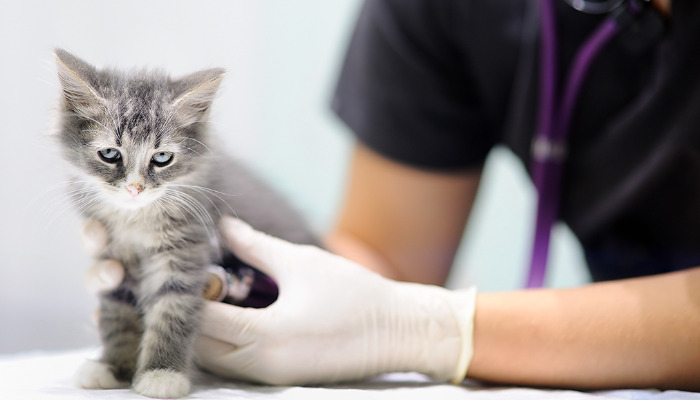
When early signs emerge, prompt veterinary consultation is vital. The following sequence is common:
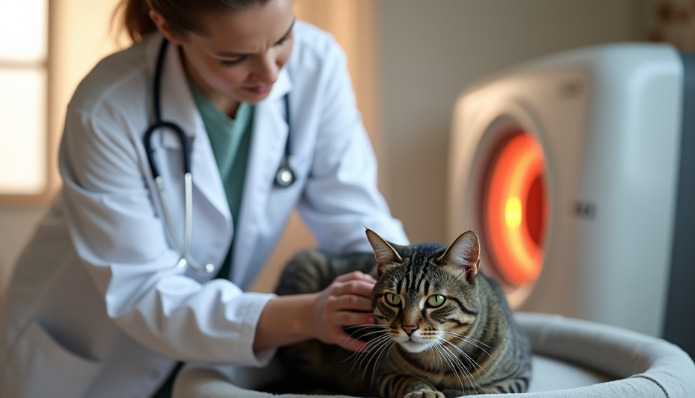
Physical Examination: Thorough check for fever, weight loss, lymph node swelling, and signs of fluid accumulation.
Blood Tests: Focuses on anemia, globulin levels, and the albumin:globulin ratio.
Imaging: Ultrasound or x-rays may detect hidden fluid or organ changes, even before overt symptoms develop.
Advanced Testing: PCR and serology can identify coronavirus presence but cannot always confirm FIP.
Current Developments in Early FIP Treatment
While intervention has long been limited, recent pharmaceutical advancements—particularly the use of antiviral drugs—offer hope. Early detection is key to initiating these therapies, as they are most successful before severe organ damage occurs. Supportive care includes appetite stimulants, pain management, and nutritional support.
Prevention and Environmental Management
Most cats affected by FIP contract feline coronavirus in densely populated environments. Prevention focuses on:
Reducing Stress: Cats under prolonged stress are more susceptible.
Sanitation: Regular cleaning of litter boxes, food/water bowls, and living areas reduces transmission.
Avoiding Overcrowding: Keeping cat numbers manageable in the household or shelter limits exposure risk.
Personal Stories: Recognizing Subtle Signs
Case studies highlight how subtle changes often precede severe illness. For instance, a young shelter kitten’s shift from playful to reclusive within a week, paired with mild fever, ultimately led to a diagnosis of wet FIP following abdominal swelling. Another case involved an adult cat developing unsteady gait and mild jaundice, which, after blood work and imaging, revealed dry FIP.
Conclusion
FIP is a heartbreaking diagnosis, but recognizing its early signs empowers cat owners and veterinarians to act swiftly. Lethargy, loss of appetite, persistent fever, weight loss, behavioral changes, abdominal swelling, and neurological issues are initial indicators. Detailed observation and timely reporting to the veterinarian maximize chances for early intervention and improved outcomes. While the disease remains challenging, ongoing research promises new hope for affected cats.
References
Pedersen NC. "Feline Infectious Peritonitis," Veterinary Clinics of North America: Small Animal Practice
Hartmann K. "Feline Infectious Peritonitis: Recent Advances in Diagnosis and Treatment," Veterinary Journal
Kipar A, Meli ML. "Feline Infectious Peritonitis: Still an Enigma?" Veterinary Pathology
Addie DD, et al. "Feline Infectious Peritonitis: ABCD Guidelines on Prevention and Management," Journal of Feline Medicine and Surgery
Sabshin SJ, et al. "Diagnostic Challenges in Feline Infectious Peritonitis," Journal of Veterinary Diagnostic Investigation
Wessling C, et al. "Early Signs of FIP and the Role of Owner Observation," Cat Watch Quarterly
Chang H-W, et al. "Coronavirus Mutations and FIP Development," Journal of Virology
Gray KR. "Case Reports: Varied Presentations of Early Feline Infectious Peritonitis," Feline Medicine Today