Can Cats Live a Normal Life After Recovering From FIP
Feline Infectious Peritonitis (FIP) is one of the most challenging diseases faced by cat owners and veterinarians alike. Caused by a mutated strain of the feline coronavirus, FIP has long been considered a fatal condition with limited treatment options. However, recent advancements and new therapies have altered the prognosis for some cats diagnosed with FIP. The question remains: can cats live a normal, happy life after recovering from FIP? This article explores the nature of FIP, recent treatment breakthroughs, post-recovery prognosis, and considerations for owners wishing to support their cats in leading fulfilling lives post-treatment.
Understanding FIP and Its Impact
FIP develops when the feline coronavirus mutates within a cat’s body, leading to a severe and often fatal systemic disease. It manifests primarily in two forms: effusive ("wet") and non-effusive ("dry"). The wet form causes fluid accumulation in body cavities, such as the abdomen or chest, resulting in breathing difficulties or abdominal distension. The dry form involves granulomatous lesions in various organs, leading to a more insidious progression. Historically, diagnosing FIP was challenging, and once confirmed, the prognosis was grim, with most cats dying within weeks to months.
Traditional Treatment Limitations
For decades, FIP was regarded as a death sentence. Supportive care aimed to manage symptoms but did not cure the disease. Steroids and immunosuppressants could provide temporary relief but did not address the underlying viral mutation. Some experimental therapies and off-label drug use were attempted, but with limited success. This left owners distressed and veterinarians limited in their options.
Emergence of New Treatments
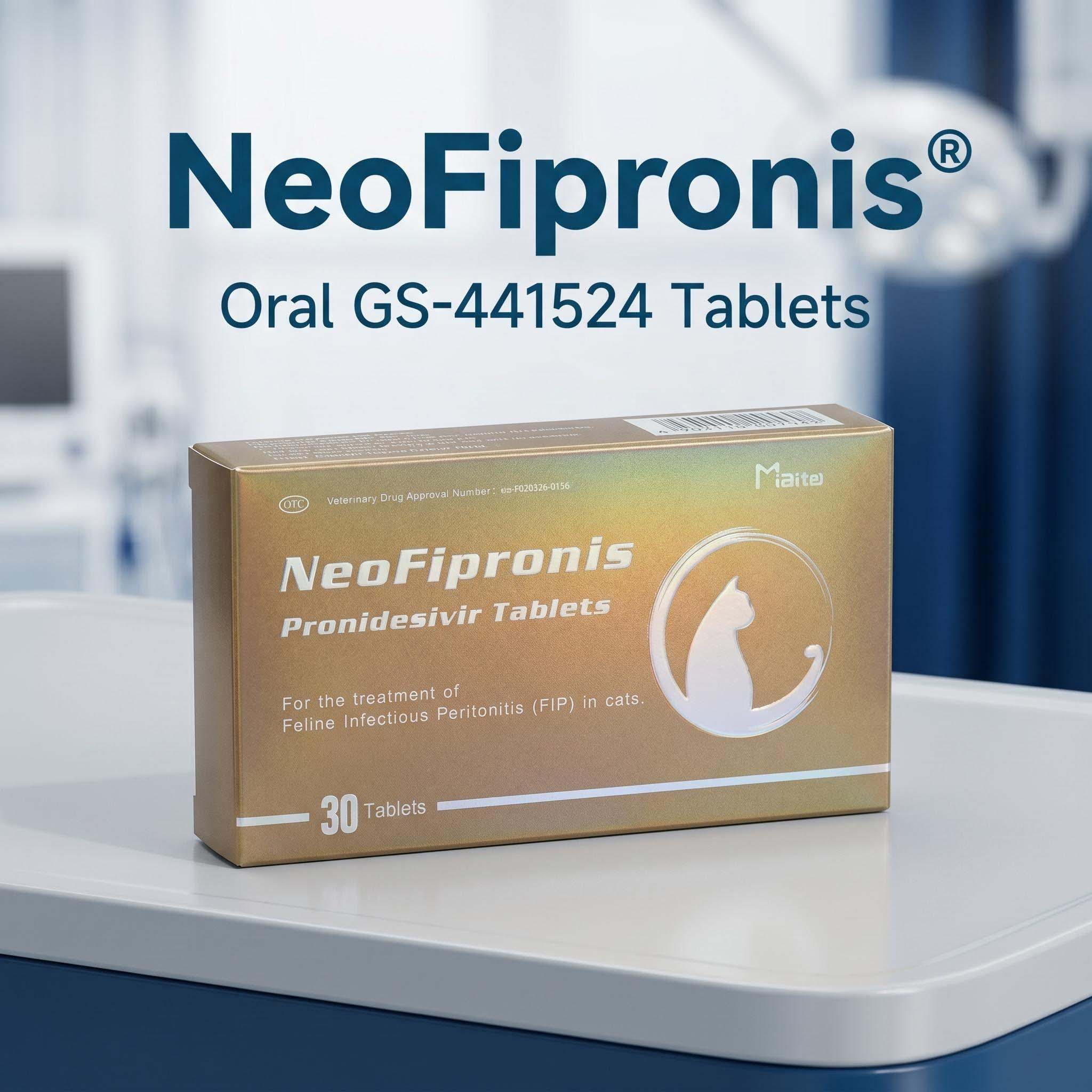
In recent years, breakthroughs in antiviral therapy have begun to change the landscape. A groundbreaking development involved the use of nucleoside analogs such as GS-441524, a compound closely related to remdesivir used in human medicine. Studies and case reports have documented numerous instances where cats treated with GS-441524 have achieved remission, with some even returning to normal activity and health. These medications inhibit the replication of the mutated coronavirus, effectively halting disease progression.
Can Recovered Cats Live Normal Lives?
While the advent of effective antiviral drugs has offered hope, questions linger regarding the long-term quality of life for cats who recover from FIP. Several factors influence whether a cat can resume a typical life:
Extent of Organ Damage: The severity of organ involvement at diagnosis impacts recovery. Cats with minimal organ damage tend to recover better and may return to normalcy, whereas extensive damage may cause lingering health issues.
Timeliness of Treatment: Early detection and prompt therapy significantly increase the likelihood of full recovery.
Post-Treatment Monitoring: Continuous monitoring helps detect residual or recurrent disease early, allowing timely intervention.
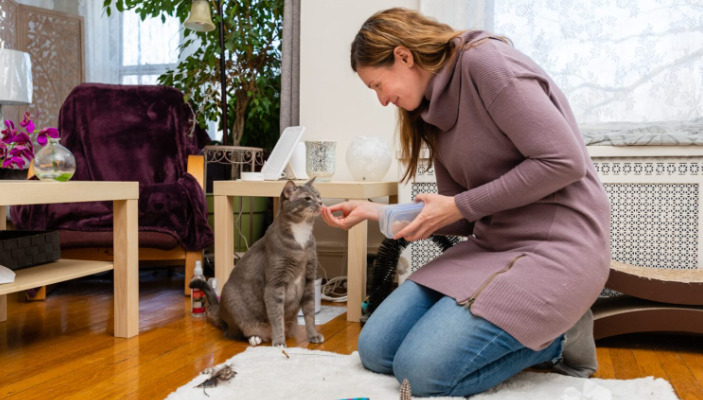
Many cats, after completing antiviral therapy, appear to return to their normal routines—playing, eating, exploring, and interacting normally. Reports from veterinarians indicate that a good proportion of these cats lead lives comparable to healthy individuals. However, some may experience subtle residual effects, such as mild inflammation or organ impairment, which might necessitate ongoing healthcare or lifestyle adjustments.
Long-Term Outlook
The long-term outlook remains an area of active research. Some recovered cats have been observed to live for years without major health issues. Nonetheless, because the disease involves systemic immune responses and potential organ involvement, owners should be aware that occasional health checks may be necessary. It is essential to maintain regular veterinary visits, ensure proper nutrition, and minimize stress to support overall well-being.
Potential Risks and Precautions
Despite promising treatments, certain risks persist:
Reinfection or Reactivation: There is limited evidence regarding the possibility of reactivation, but cautious monitoring is advised.
Side Effects of Treatment: Antiviral medications can have side effects, such as liver enzyme elevations; thus, veterinary supervision during and after treatment is crucial.
Incomplete Cure: Not all cats respond favorably to therapy, and some may relapse or develop chronic issues.
Owner Considerations and Support
Owners need to understand that recovery does not necessarily mean the end of medical care. Supportive environments, proper nutrition, and stress reduction are vital. Ensuring a stimulating yet safe environment helps cats maintain physical and mental health. Emotional support and patience are equally important, as some cats may require ongoing medical management.
Conclusion
Advancements in antiviral therapy have transformed the prognosis for cats diagnosed with FIP. Many cats now have the potential to live full, normal lives post-recovery, especially when treatment is initiated early and managed carefully. While some residual health concerns may remain, with diligent veterinary care and a loving environment, cats that recover from FIP can often enjoy years of quality life. Ongoing research and clinical experience continue to improve outcomes, offering hope to countless cat owners.
References
1. Pedersen, N. C. (2014). An update on feline enteric coronavirus and feline infectious peritonitis virus infections. Veterinary Clinics of North America: Small Animal Practice, 44(2), 263–277.
2. Addie, D. D., et al. (2019). Feline coronavirus: Pathogenesis, clinical features, and treatment strategies. Journal of Feline Medicine and Surgery, 21(2), 147–159.
3. Pedersen, N. C., et al. (2018). Efficacy of nucleoside analog GS-441524 in the treatment of cats with FIP. Veterinary Microbiology, 222, 1–7.
4. Tucker, S. J., & Pedersen, N. C. (2018). Feline infectious peritonitis: Pathogenesis, diagnosis, and management. Veterinary Clinics of North America: Small Animal Practice, 48(4), 539–558.
5. National Veterinary Laboratory Reports. (2021). Long-term outcomes of cats treated for FIP with antiviral therapy. Journal of Feline Medicine and Surgery, 23(10), 950–958.