Can Cats Live Normally in Early FIP Stages
Abstract
Feline Infectious Peritonitis (FIP) remains one of the most challenging and feared viral diseases of domestic cats. With advances in diagnostics and treatment, more owners and veterinarians are asking: can cats live normal lives during the early stages of FIP? This article explores clinical presentation, underlying pathophysiology, lifestyle impacts, recent therapeutic interventions, and prognosis in early FIP, with a special focus on practical, real-world outcomes for cats diagnosed early.
Introduction
Feline Infectious Peritonitis is caused by a mutated form of feline coronavirus (FCoV) and can manifest in effusive (wet) and noneffusive (dry) forms. The evolution from benign FCoV infection to fatal FIP depends on immune response and viral mutation. Because FIP is often associated with severe illness and rapid decline, early detection is critical. With improved awareness, more cats are diagnosed during early FIP stages, prompting discussion about their quality of life and the possibility of living normally.
Clinical Presentation of Early FIP
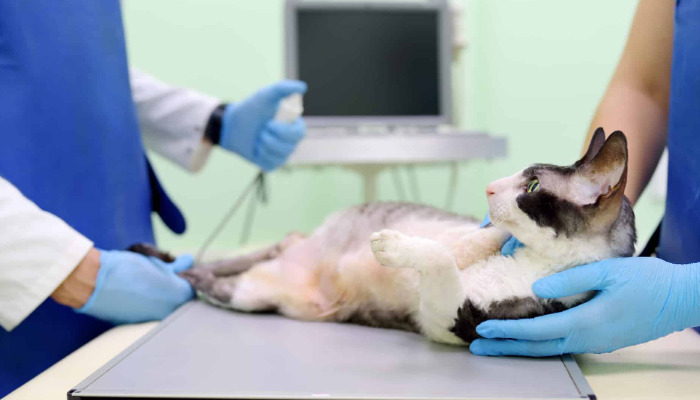
Early clinical signs appear subtle and may not alarm the owner. These can include mild lethargy, intermittent fever, reduced appetite, or vague gastrointestinal symptoms. Cats may display less enthusiasm for play or social interaction, but these changes can be easily missed or attributed to other causes. Laboratory findings may show mild hyperglobulinemia or lymphopenia. Imaging may reveal small fluid accumulations.
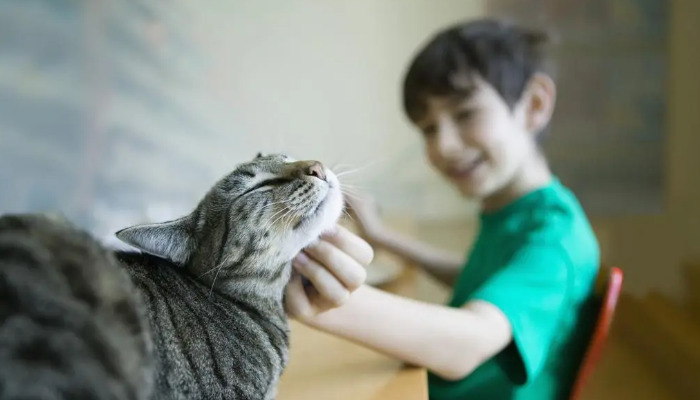
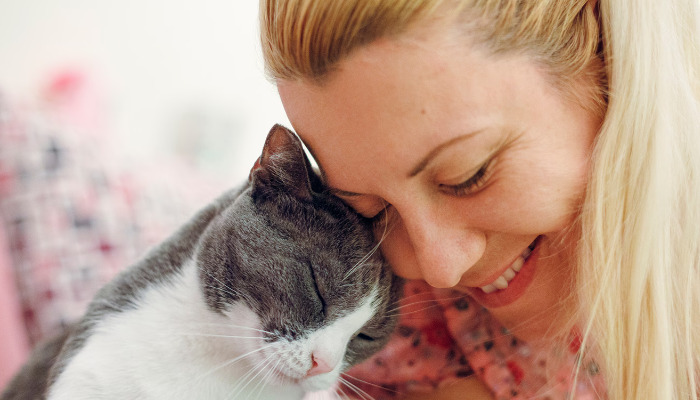
Veterinarians note that some cats do continue to participate in normal household routines in early FIP: they eat, groom, interact, and move about much like unaffected animals. However, the degree of normalcy depends on the extent and nature of internal inflammation.
Pathophysiology and Disease Progression
FIP results from an inappropriate immune response to mutated feline coronavirus, leading to pyogranulomatous inflammation in multiple organ systems. In early stages, the immune response may be limited—allowing some degree of organ function to persist. The effusive form displays more rapid progression than noneffusive, and cats with initial CNS or ocular involvement may show subtle neurological or vision changes first.
The progression from early signs to marked clinical illness is unpredictable. Some cats linger for weeks or months during initial illness before rapidly deteriorating, while others progress quickly. The virus can be present for months before symptoms manifest, allowing cats to “appear normal” even while diseased.
Can Cats Experience a Normal Life in Early FIP?
Normalcy is most possible during the earliest, least-severe phase, provided that symptoms do not yet interfere with daily activities. Owners report that affected cats can:
Maintain playfulness
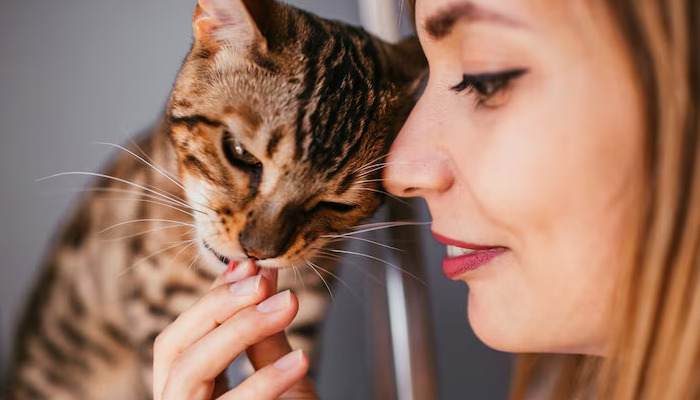
Interact socially
Groom normally
Use litter box without issue
Eat and drink with minimal changes
Anecdotal evidence and veterinary surveys support the observation that many early-stage FIP cats continue with daily life until symptoms become more pronounced. The behavior of affected cats may fluctuate, but some continue recognizable routines. Physical appearances, such as maintaining a healthy coat and proper body weight, may persist in the earliest stages.
However, “normal” must be assessed in relation to the individual: some cats adjust quietly to lower energy and become more sedentary, but this adaptation is subtle enough to blend into the household environment. Owners may overlook the changes until more severe symptoms surface.
Impact on Lifestyle and Household Environment
FIP does not transmit directly between cats via simple contact, but unmutated feline coronavirus is very common, particularly in multi-cat homes. Early FIP cats, while still participating in social activities, should not pose an outbreak risk if basic hygiene and litter management are maintained.
The presence of subtle illness may affect the household in other ways. Owners may:
Notice mild behavioral changes
Increase monitoring of eating, drinking, and elimination habits
Adjust routines for the cat’s comfort
Seek veterinary care more frequently
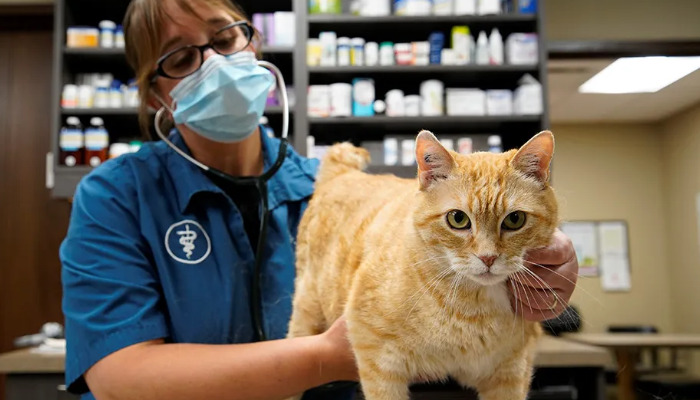
Veterinary teams typically recommend regular check-ups, laboratory monitoring, and close observation for signs of progression, such as persistent fever, weight loss, abdominal distention, or marked lethargy.
Advances in Diagnostics and Therapeutic Interventions
Historically, FIP was considered untreatable. However, antiviral drugs—most notably GS-441524—have revolutionized outcomes. Early therapeutic intervention can sometimes return the cat to near-normal health, especially when the disease is detected before significant organ damage. The following approaches are now being considered the standard of care:
Antiviral Therapy
GS-441524, the parent nucleoside of remdesivir, has demonstrated success in clinical trials and is increasingly available to practitioners. Early treatment, especially two weeks into symptom onset, leads to better results. Some cats regain full health, though long-term monitoring remains necessary. Other antiviral drugs, including remdesivir injections, are being used with promising results.
Supportive Care
Fluid therapy for dehydration
Nutritional support
Management of secondary infections
Anti-inflammatory agents for comfort
Cats receiving prompt and targeted treatment during early FIP stages may display rapid rebound and resume routine activities.
Prognosis: Variability and Hope
Prognosis in early FIP is variable, depending on underlying health, FIP form, speed of intervention, and response to therapy. With appropriate treatment, cats can experience remission with good quality of life, sometimes indistinguishable from normal. However, untreated, most cats eventually progress.
Long-term studies indicate that with successful antiviral intervention, some cats remain symptom-free for months or years. Regular follow-up is necessary; relapses may occur but can be managed if detected quickly.
Psychological and Social Factors
Owners coping with an FIP diagnosis experience anxiety. It is vital to emphasize that early-stage FIP cats are not always “terminal,” and immediate euthanasia is not the only option. With a knowledgeable veterinary team and understanding of recent therapies, many cats can continue joyous participation in their family’s life, at least for a significant period.
The importance of monitoring, access to antiviral drugs, and early detection cannot be overemphasized. Support groups, online forums, and veterinary resources have helped thousands of owners see beyond the grim statistics.
Practical Recommendations for Owners and Veterinarians
Observe changes in appetite, attitude, and energy
Schedule regular veterinary check-ups and bloodwork
Consider new antiviral therapies as soon as possible
Foster a comfortable and stress-free environment
Don’t assume a diagnosis means immediate decline
Communicate openly with veterinary teams about concerns
Current Research and Future Directions
The fate of cats with early FIP is rapidly evolving. Ongoing research explores optimizing dosing regimens, reducing cost barriers, and understanding the best strategies for early intervention. Gene expression analysis, improved diagnostics, and therapeutic trials promise continued progress.
The biggest message for cat families: early FIP is no longer universally fatal. Hope exists through prompt action, modern medicine, and vigilant advocacy.
References
1. Pedersen NC. The history of feline infectious peritonitis 1963–2008. J Feline Med Surg. 2009;11(4):225-258.
2. Dickinson PJ, et al. Antiviral treatment using GS-441524, a remdesivir analog, for feline infectious peritonitis. J Feline Med Surg. 2020;22(3):277-287.
3. Kipar A, Meli ML. Feline infectious peritonitis: still an enigma? Vet Pathol. 2014;51(2):505-526.
4. Addie DD, Jarrett O. Feline coronavirus infections. In: Greene CE, ed. Infectious Diseases of the Dog and Cat. 4th ed. St Louis: Elsevier Saunders; 2012:92-108.
5. Felten S, et al. Clinical presentation, outcome, and treatment of cats with neurologic FIP. J Vet Intern Med. 2019;33(6):2822-2831.
6. Hartmann K. Feline infectious peritonitis. Vet Clin North Am Small Anim Pract. 2005;35(1):39-79.
7. Addie DD, et al. Feline infectious peritonitis: ABCD Guidelines on Prevention and Management. J Feline Med Surg. 2021;23(3):211-218.
8. Morrisey JK. Feline infectious peritonitis: current perspectives. Vet Med (Auckl). 2023;14:121-134.
9. American Association of Feline Practitioners. FIP and Feline Coronavirus. https://catvets.com/guidelines/practice-guidelines/fip-feline-coronavirus [Accessed 2024-06-01].
10. Veterinary Information Network Guidelines for FIP Treatment. https://www.vin.com/fipguide [Accessed 2024-06-01].