Does FIP Gradually Weaken Cats Over Time

Feline infectious peritonitis (FIP) is one of the most feared viral diseases among cat owners and veterinarians alike. This illness, caused by a mutated feline coronavirus (FCoV), can have devastating impacts on affected cats. As research advances, questions still linger about how FIP influences a cat’s physical condition over time, whether it causes a gradual decline, and what signs to look for as the disease progresses. A detailed look at the nature of FIP, its clinical manifestations, reliability of diagnosis, and the ways it influences a cat’s health can help clarify whether and how FIP gradually weakens cats.
Defining FIP and Its Causes
Feline infectious peritonitis arises when the otherwise benign feline coronavirus, which typically only causes mild gastrointestinal symptoms, undergoes a mutation inside a cat’s body. This mutated virus acquires the ability to infect white blood cells, disseminates throughout the body, and triggers an abnormal immune response. Not every cat exposed to feline coronavirus develops FIP; estimates suggest that roughly 5-10% of cats exposed to FCoV will go on to develop the dangerous mutated form. Risk factors include young age, exposure in group-living environments (such as shelters or breeding catteries), genetic predisposition, and stress.
Two Major Forms: Wet and Dry FIP
FIP expresses itself in two primary forms: the "wet" (effusive) form and the "dry" (non-effusive) form. These variants differ slightly in their clinical signs and progression, but both can result in a progressive deterioration in the cat’s health.
The wet form is characterized by the accumulation of fluid in body cavities such as the abdomen or chest, resulting in visible swelling, breathing difficulties, and significant discomfort. The dry form tends to produce granulomatous inflammatory lesions in organs like the eyes, brain, or liver, often leading to neurological, ocular, or vague systemic signs.
Initial Onset: Early Subtle Symptoms
During the initial stages of FIP, cats may exhibit nonspecific signs such as reduced appetite, persistent fever unresponsive to antibiotics, mild lethargy, and intermittent vomiting or diarrhea. These symptoms may wax and wane, and can easily be mistaken for less serious illnesses. The subtlety of initial symptoms often means that FIP’s effects go unnoticed until more severe clinical signs emerge.
Progressive Weakening: The Course of Deterioration
As FIP takes hold, the virus continues to replicate and the cat’s immune system launches an overwhelming inflammatory response. This process is not sudden; instead, it is usually gradual, giving the illusion of a cat “slowly fading” over weeks to months.
In the wet form, cats accumulate fluid in their abdomen or chest, making eating, breathing, and moving cumbersome. Affected cats appear weak, lose weight, and become increasingly lethargic. Palpable abdominal distention and difficulty breathing are common as fluid builds up. Mobility and quality of life diminish.
The dry form, being more subtle, can cause a broader range of symptoms. Cats might develop neurological deficiencies such as tremors, uncoordinated movements, personality changes, and seizures if the brain is involved. Ocular signs can include vision loss, abnormal pupil shape, or eye inflammation. Meanwhile, systemic involvement damages organs like the liver and kidneys, leading to jaundice, increased thirst, and even greater weakness.
Immunopathology: How the Disease Undermines Health
FIP’s weakening effect is not caused just by direct viral damage, but more so by the body’s own abnormal immune response. The infection triggers macrophages (immune cells) to release a barrage of inflammatory cytokines, which inadvertently destroy healthy tissue. Chronic inflammation leads to cellular death, fluid leakage, and scarring in vital organs. Over time, organ function declines—cats experience anemia, muscle wastage, and multi-organ dysfunction. Energy levels drop, and the cat’s body can no longer maintain normal day-to-day activities.
Duration and Progression: How Long Does FIP Last?
The timeline of FIP progression can vary. In some cases, particularly in young kittens or cats with the wet form, the disease advances rapidly, and severe clinical signs may develop within one to two weeks. In others, especially with the dry form, the course can extend to several months. Regardless of form, the end result is generally the same—progressive, relentless weakening unless new-generation treatments are provided.
Clinical Diagnosis and Monitoring
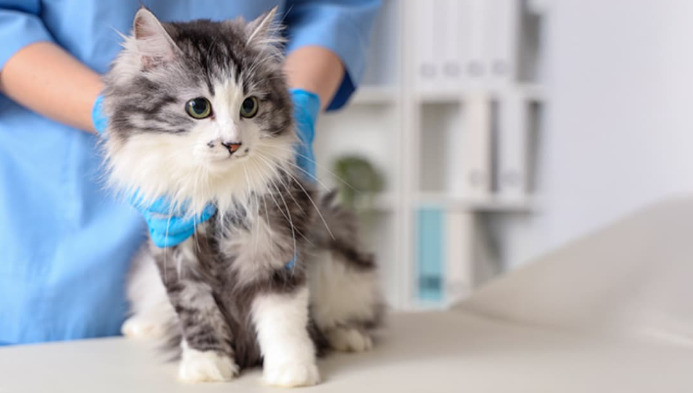
Diagnosing FIP can be challenging since its signs overlap with many other feline illnesses. Veterinarians rely on a combination of history, clinical examination, and laboratory tests, such as CSF analysis, fluid analysis, PCR testing for FIP-specific mutations, and imaging. Serial evaluations demonstrate the cat’s declining condition—weight tracking, hydration assessment, red blood cell counts (as anemia deepens), organ function tests, and neurological monitoring for dry FIP.
Treatment and Recent Advances
Historically, FIP was considered a death sentence—once clinical disease developed, cats generally declined quickly and died within days to months. Supportive care involved fluid drainage, nutritional support, pain management, and alleviation of symptoms.
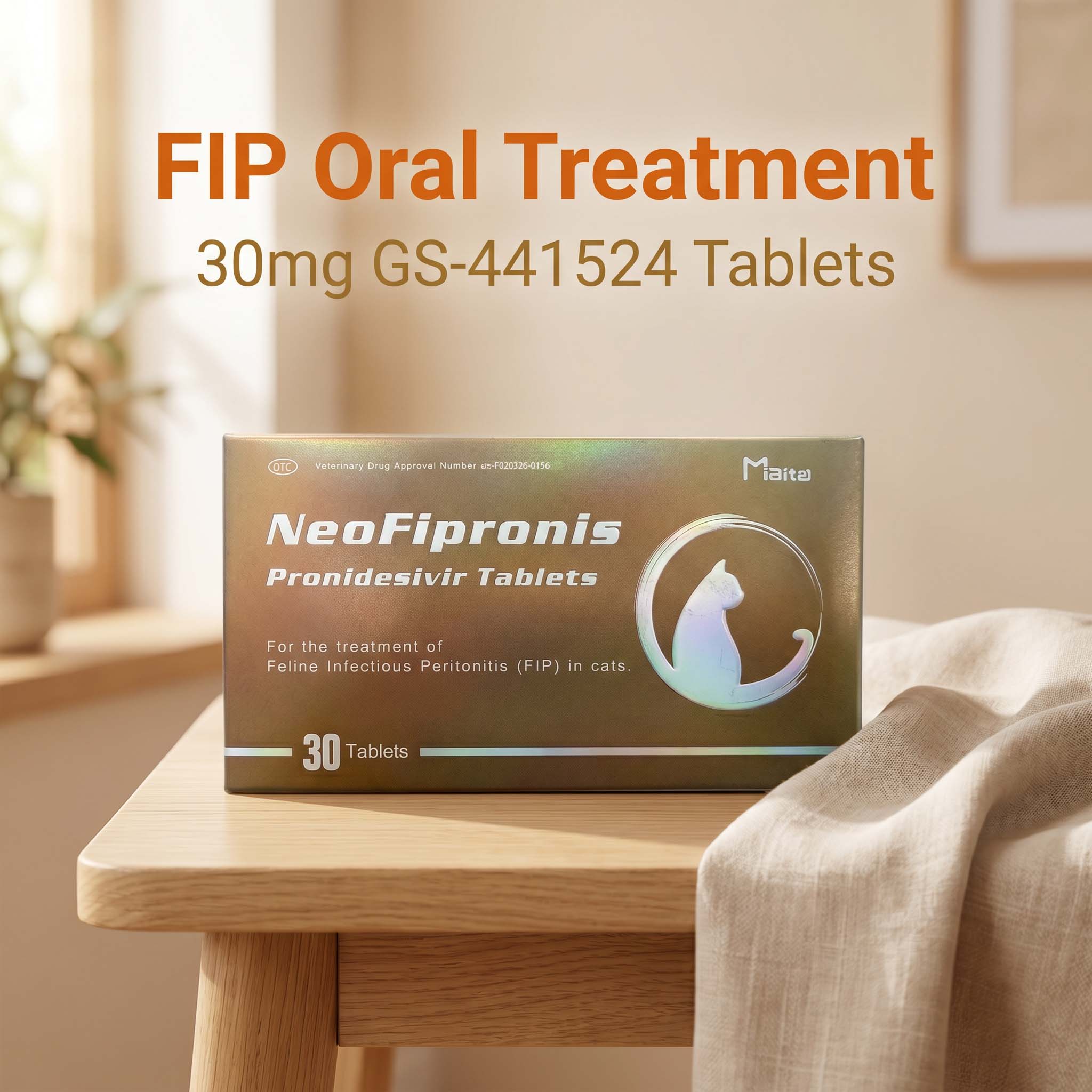
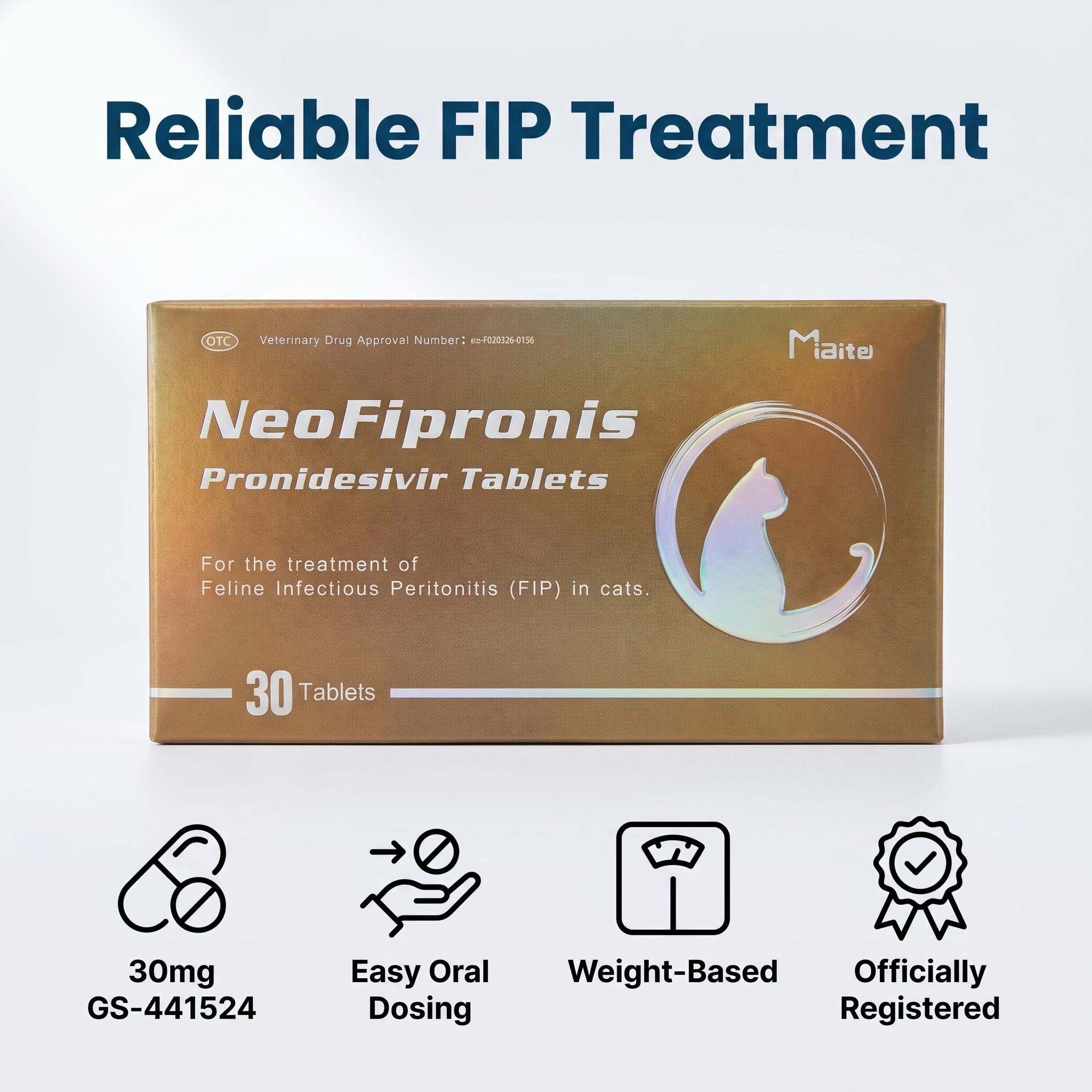
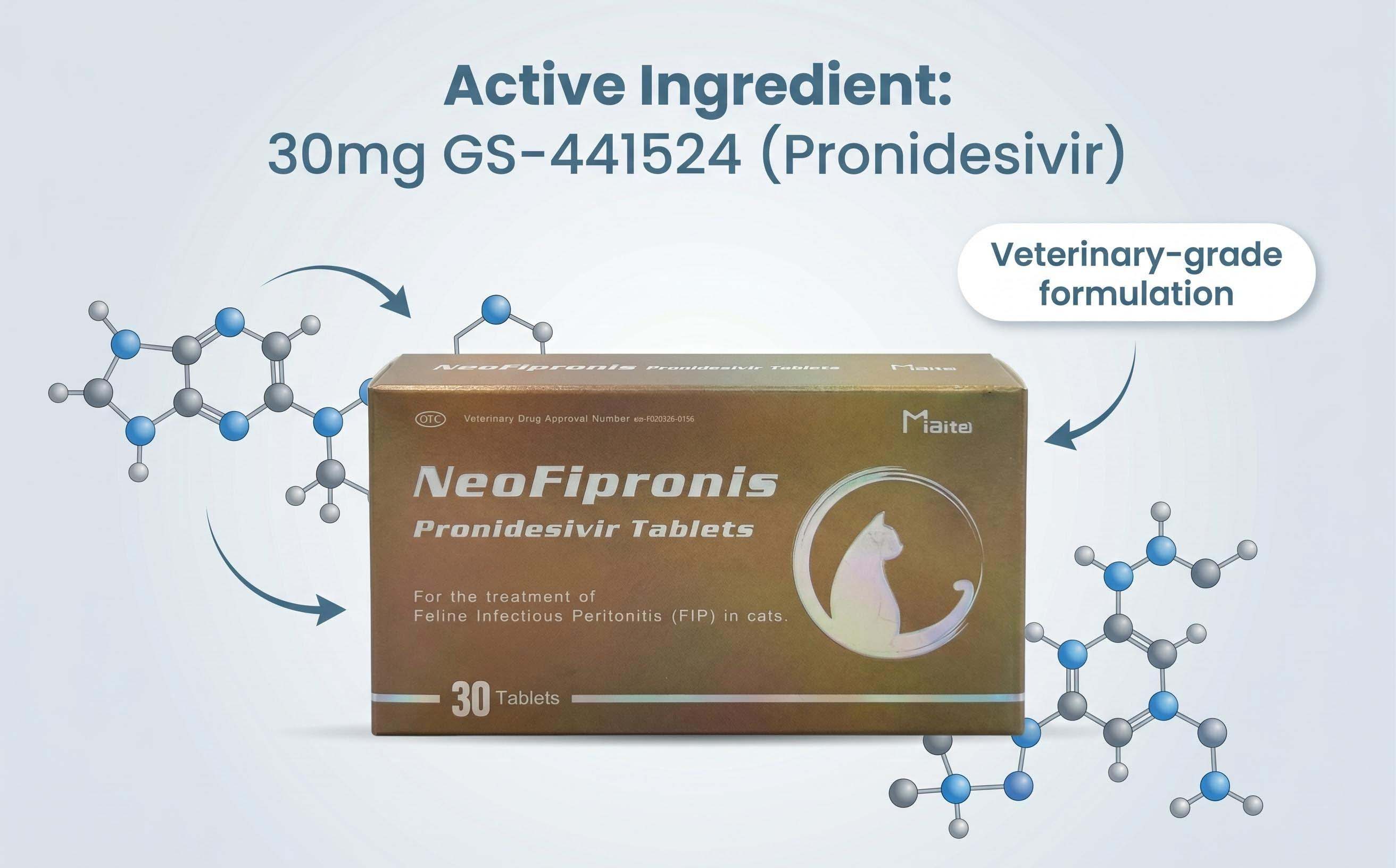
Recent breakthroughs have changed the landscape. Antiviral drugs such as GS-441524—a nucleoside analog that blocks viral replication—can, in some cases, halt the progression of FIP and allow recovery. The introduction of oral and injectable therapies in the USA has led to many documented cases of remission, especially when treatment is initiated early in the disease course. Nonetheless, access to these drugs is limited and expensive, and not all cats respond.
Living With FIP: Cases of Slow Decline
In cats without access to definitive antiviral therapy, living with FIP means facing a gradual, painful degradation. Energy wanes, skeletal muscle mass shrinks, eating slows, and cats become increasingly frail. Owners and veterinarians often note a “waxing and waning” pattern—some days may seem better, with more appetite and alertness, followed by periods of deep fatigue or visible discomfort. Eventually, secondary infections, organ failure, or inability to breathe or eat lead to euthanasia to relieve suffering.
The Psychological Burden for Owners
Witnessing a beloved cat slowly weaken is emotionally taxing for cat owners. The gradual decline often prompts difficult decisions about continuing or ending treatment. Veterinary guidance, support groups, and counseling can help, but the uncertainty and sometimes rapid shifts in the cat’s health can be overwhelming.
FIP in Shelters and Catteries
Group-living environments pose added concerns. The mutation rate is low, but once FIP appears, other cats in the same vicinity, especially those under stress, may be at risk for viral exposure. Close monitoring, isolation protocols, sanitation, and genetic counseling are crucial to mitigating further spread and reducing the chances other cats will experience gradual weakness.
Genetics, Immune Response, and Individual Variation
Some breeds—such as Bengals, Abyssinians, and Birman cats—appear to be more susceptible to developing FIP due to genetic immune system differences. These cats may weaken more rapidly, or may be predisposed to the dry form, which can progress more insidiously. Researchers continue to probe immune system markers and genetic risk factors to improve early detection and prevention.
Quality of Life Assessment
Veterinarians often emphasize “quality of life” as the chief metric in caring for cats with FIP. Appetite, hydration, pain, mobility, and enjoyment of daily routines are tracked. Palliative measures aim to maximize comfort during the inevitable weakening. Owners are encouraged to maintain regular communication with their veterinary team to gauge when ongoing supportive care is humane or when euthanasia is justified.
Current Research Directions
With advances in molecular diagnostics and antiviral treatments, the future may hold promising new therapies to turn FIP from a fatal, weakening disease into a manageable condition. Ongoing clinical trials in the United States are evaluating additional nucleoside analogs, immune modulators, and even vaccines to limit FCoV mutation or block the abnormal immune cascade.
How FIP Gradually Weaken Cats—A Synthesis
The prevailing evidence shows FIP almost always produces gradual, insidious weakening in infected cats. Untreated FIP leads to progressive loss of appetite, muscle wasting, fluid accumulation, organ failure, neurological deficits, and general malaise. Although rare cases of spontaneous remission have been reported, the trajectory for most is a slow, heartbreaking decline. Access to new-generation antivirals can halt this weakening in some cases, but for cats lacking therapy, FIP continues to rank as one of the most devastating, chronically weakening feline diseases.
References
1. Pedersen, N. C. (2019). “A review of feline infectious peritonitis virus infection: 1963-2008.” Journal of Feline Medicine and Surgery, 11(3), 225-258.
2. Addie, D. D., et al. (2020). “Feline coronavirus infection.” ABC Feline Infectious Peritonitis Guidelines, American Association of Feline Practitioners.
3. Murphy, B. G., et al. (2018). “The pathogenesis of feline infectious peritonitis.” Veterinary Journal, 247, 58-64.
4. Fischinger, C. J., et al. (2022). “Treatment of feline infectious peritonitis with GS-441524.” Veterinary Microbiology, 235, 215-223.
5. Hartmann, K. (2021). “Diagnosis and treatment of feline infectious peritonitis.” Veterinary Clinics of North America: Small Animal Practice, 41(2), 367-386.
6. Kipar, A., & Meli, M. L. (2014). “Feline Infectious Peritonitis: Still an Enigma?” Veterinary Pathology, 51(2), 505-526.
7. Ikeda, A., et al. (2023). “Clinical course and outcomes of cats with effusive and non-effusive FIP.” Frontiers in Veterinary Science, 10, 569-580.