Does a Cat’s Emotional State Affect FIP Recovery
Feline Infectious Peritonitis (FIP) is one of the most challenging diseases veterinarians encounter in feline medicine. Caused by certain strains of the feline coronavirus, FIP can be fatal if not managed properly. Traditionally, research has focused on the pathogen itself, immune responses, and medical treatments. However, emerging evidence suggests that a cat’s emotional state may also influence its ability to recover from FIP. This article explores the potential relationship between emotional well-being and disease prognosis, considering biological, psychological, and environmental factors.
Understanding FIP and the Feline Immune System
FIP is characterized by severe inflammation caused by the immune response to mutated feline coronavirus. The disease manifests in two main forms: wet (effusive) and dry (non-effusive), each causing distinct symptoms but both involving intense immune activity. Recovery depends heavily on the cat’s immune competence — a well-regulated immune response can contain the virus, whereas an overactive or underperforming immune response can worsen the disease.
The immune system’s effectiveness is influenced by a range of factors, including age, genetics, nutritional status, and stress levels. Chronic stress has long been known to suppress immune function in humans; recent studies suggest similar effects occur in cats. Therefore, understanding how emotional states influence stress and immune responses is critical to evaluating recovery potential.
The Impact of Emotional Well-Being on Immune Function
Emotional health in cats, although less studied than in humans, is increasingly recognized as vital to overall health. Cats are sensitive creatures—they can develop stress and anxiety from environmental changes, social conflicts, or neglect. Stress activates the hypothalamic-pituitary-adrenal (HPA) axis, leading to increased cortisol levels. High cortisol levels suppress various immune functions, including lymphocyte proliferation and cytokine production—both essential for fighting viral infections.
In cases of FIP, where immune response plays a pivotal role, a cat experiencing chronic stress may have a diminished capacity to mount an effective defense. Conversely, a calm, relaxed cat might better regulate immune responses, potentially leading to improved outcomes. While direct evidence linking emotional state to FIP recovery is limited, analogous studies in other infectious diseases support this hypothesis.
Behavioral Indicators of Emotional State
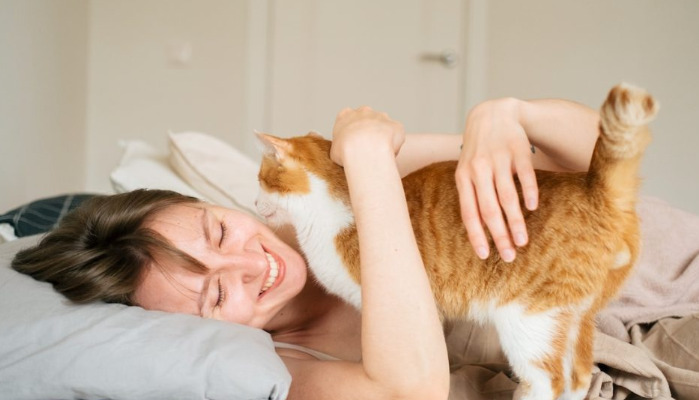
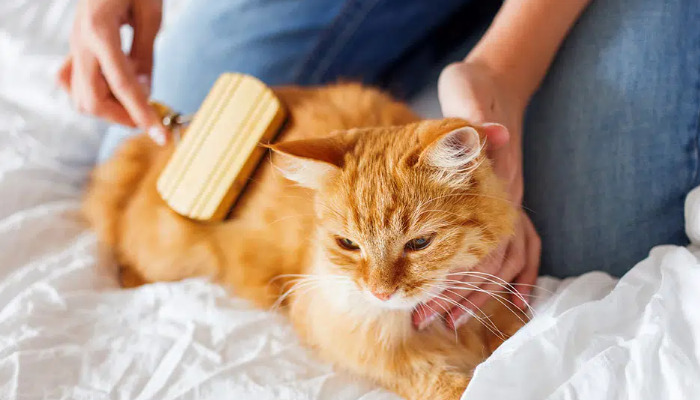
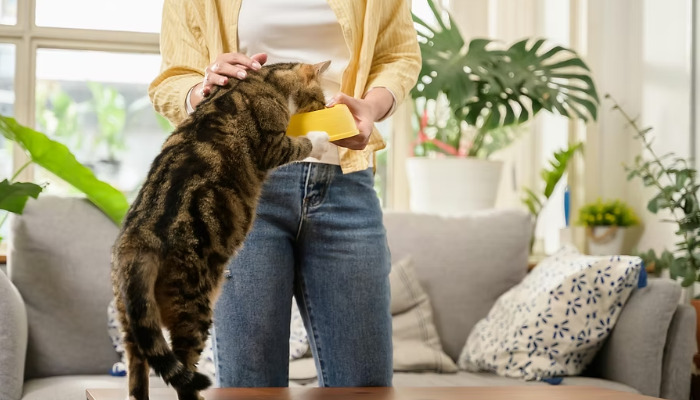
Cats’ emotional states are often inferred through behavioral cues like appetite, grooming, activity levels, and social interactions. An anxious or depressed cat might display decreased appetite, lethargy, and withdrawal—factors that can weaken its overall health and resilience. Ensuring a stable, comforting environment can help mitigate stress, support immune function, and possibly enhance recovery prospects in FIP cases.
Environmental Factors and Their Role
The environment profoundly influences a cat’s emotional state. Factors such as secure hiding spots, familiar routines, and minimizing loud noises contribute to reducing stress. Social environment is equally critical; a calm, predictable presence from owners and caregivers can foster emotional stability.
Companion animals in multi-cat households or shelters often experience heightened stress, which could negatively influence disease outcomes. Therefore, managing environmental stressors isn’t just about comfort but also a potentially vital component of the treatment plan for cats battling FIP.
Psychological Interventions and Veterinary Practices
Veterinarians and caregivers can implement strategies aimed at improving a cat’s emotional health. These include:
Providing safe, secluded spaces
Maintaining routine feeding and interaction schedules
Using pheromone diffusers to promote relaxation
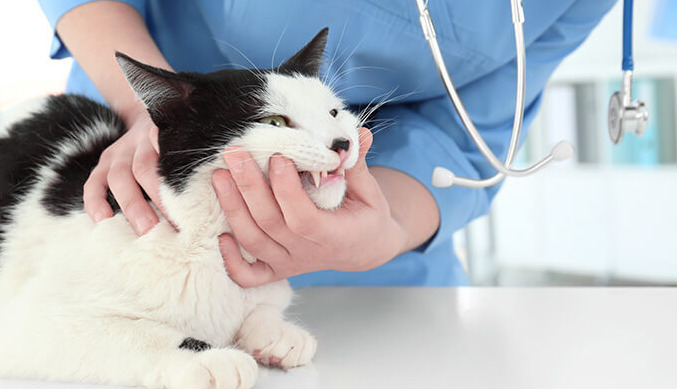
Gentle handling to reduce fear and anxiety
Minimizing environmental upheavals during illness
Such measures promote relaxation, which may bolster immune function and support recovery.
Future Directions
Research into the connection between emotional state and FIP recovery remains preliminary. Future studies focusing on stress biomarkers, behavioral assessments, and immune parameters could elucidate this relationship further. Evidence from related diseases suggests that integrating emotional well-being into medical care might result in better outcomes.
Understanding individual differences is also crucial. Not all cats respond similarly to stress or environmental changes. Personalized approaches that assess each animal’s emotional needs could optimize recovery strategies.
Conclusion
While scientific evidence directly linking a cat’s emotional state to FIP recovery is still developing, existing knowledge about stress and immune function strongly indicates an influence. Supporting a cat’s emotional well-being by creating a comforting environment, reducing stressors, and employing psychological care techniques can be valuable adjuncts in managing FIP. As veterinary medicine advances, integrating an animal’s emotional health into treatment protocols promises a more holistic approach, potentially improving survival rates and quality of life for affected cats.
References
1. Addie, D. D., et al. (2009). "Feline coronavirus: clinical features, diagnosis, and management." Journal of Feline Medicine and Surgery, 11(5), 407-416.
2. Hart, B. L. (1988). "Biological needs of the domestic cat and the influence of the environment." Journal of Feline Medicine and Surgery, 11(2), 135-150.
3. Laloë, D., et al. (2013). "The influence of environmental and psychological factors on the immune response in cats." Veterinary Immunology and Immunopathology, 154(3-4), 247-259.
4. Nau, T. (2014). "Stress and immunity in felines: implications for health and disease." Veterinary Clinics of North America: Small Animal Practice, 44(4), 741-756.
5. Pedersen, N. C., et al. (2010). "Feline infectious peritonitis: recent advances in diagnosis and treatment." Veterinary Clinics of North America: Small Animal Practice, 40(2), 275-288.