Can FIP Be Diagnosed Based on Symptoms Alone
Introduction to Feline Infectious Peritonitis (FIP)
Feline Infectious Peritonitis (FIP) remains one of the most feared infectious diseases in cats, capturing the attention of veterinary professionals and pet owners worldwide. This complex viral disease, caused by a mutated form of feline coronavirus (FCoV), predominantly affects young cats and those living in multi-cat environments. As research advances, the information surrounding FIP has changed rapidly. Understanding whether FIP can be diagnosed based solely on symptoms is crucial for proper treatment and disease control.
Clinical Presentation: Signs and Symptoms
The clinical signs of FIP vary dramatically. Classically, veterinarians recognize two main forms: effusive ("wet") and non-effusive ("dry"). Effusive FIP is marked by an accumulation of fluid in the abdomen or chest, leading to visible bloating and breathing difficulties. Non-effusive FIP, by contrast, is subtle and chronic, often affecting the eyes, central nervous system, or organs. General symptoms associated with both forms include fever unresponsive to antibiotics, weight loss, lethargy, decreased appetite, and stunted growth in young cats.
Cats may develop jaundice, neurological disturbances (such as ataxia or seizures), and ocular signs like uveitis or retinal changes. Effusions, if present, are typically yellow, viscous, and have elevated protein content. The dry form complicates the diagnostic picture with granulomas or nodular lesions in organs, which may go undetected for weeks. No symptom is entirely specific to FIP; many overlap with other feline diseases like lymphoma, toxoplasmosis, or bacterial peritonitis.
Challenges in Symptom-Based Diagnosis
Despite characteristic symptoms, FIP mimics several other conditions. High persistent fever, abdominal distension, and neurological dysfunction can be seen in other infectious or inflammatory processes. Furthermore, every cat reacts differently: some manifest obvious, textbook symptoms while others have atypical signs. In multi-cat households or shelters, where feline coronavirus is endemic, many cats may test positive for exposure but never develop FIP.
This ambiguity contributes to diagnostic difficulties. Veterinarians may suspect FIP based on clinical signs but require additional tests for confirmation. Relying solely on symptoms runs the risk of misdiagnosis, leading to inappropriate therapies or prognosis. Given the devastating nature of FIP, establishing the diagnosis is vital both for the welfare of the cat and for the management of contagious risk.
Advances in Laboratory and Imaging Tools
Modern veterinary medicine offers a suite of diagnostic modalities that complement physical examination and history. Blood work frequently reveals non-specific changes such as elevated globulins, anemia, and lymphopenia. Analysis of effusion fluid—if present—can demonstrate a yellow color, high protein content, and low cell numbers, but these features are not unique to FIP.
Serological tests for antibodies to feline coronavirus do not distinguish between simple exposure and the pathogenic FIP-causing variant. Recent advances have introduced molecular methods—reverse transcription polymerase chain reaction (RT-PCR)—to detect viral RNA in blood, tissue, or effusion samples. Mutation-specific PCR, though not universally available, shows higher specificity for FIP diagnosis. Imaging studies such as ultrasound identify organ abnormalities consistent with FIP but require skilled interpretation.
Histopathology—the examination of tissue samples—remains the gold standard. Biopsy of affected organs shows characteristic pyogranulomatous inflammation and viral antigen presence within macrophages, allowing for near-certain diagnosis.
Comparing FIP to Other Feline Diseases
FIP shares clinical overlap with a multitude of feline illnesses. Lymphoma, another disease seen frequently in young cats, can present with abdominal masses, effusions, and systemic signs. Toxoplasmosis affects neurologic and ocular health, and bacterial or fungal infections may lead to similar fluid accumulations. Pancreatitis, heart disease, and hepatic failure cause non-specific symptoms, muddying the diagnostic waters further.
Making distinctions based on symptoms alone becomes nearly impossible. For example, pleural effusion can occur from heart failure, neoplasia, or trauma. Neurological signs might reflect viral infection, intoxication, or congenital conditions. Even ultrasound findings, while suggestive, cannot confirm FIP without tissue analysis and molecular confirmation.
The Importance of Differential Diagnosis
Differential diagnosis involves systematically ruling out alternative explanations for a cat’s clinical presentation. Its role in FIP workup cannot be overstated. A thorough differential list considers age, exposure history, environmental context, and coexisting health conditions. Blood, urine, and fecal tests, along with advanced imaging, help eliminate other diseases.
Each diagnostic step narrows the list but does not provide certainty. Veterinarians weigh evidence, balancing the likelihood of FIP against more common or treatable illnesses. Only through exclusion and confirmation with laboratory and pathology methods can a definitive diagnosis be reached.
Owner Experience: Recognizing Symptoms at Home
Many cats with early FIP show vague signs, such as withdrawal, occasional fever, or mild digestive upset. Owners may presume stress, food intolerance, or transient infection. As symptoms progress—development of abdominal swelling, labored breathing, or sudden weight loss—concerns rise and veterinary attention is sought.
Some owners mistakenly attribute neurological symptoms to aging, trauma, or behavioral change, delaying intervention. Because FIP can progress quickly, especially in kittens or immunocompromised cats, recognizing patterns and acting urgently can make a difference. Nevertheless, no constellation of symptoms at home is sufficient to confirm the disease.
Challenges in Multi-Cat Shelters and Catteries
Shelters and breeding colonies are epicenters for FIP due to the prevalence of feline coronavirus. A single FIP case can spark panic, with mass testing and isolation efforts. However, the difficulty in distinguishing healthy carriers from cats developing FIP is considerable. Outbreaks may see dozens of suspect cases with vague or minor symptoms.
Decisions about culling, isolation, or extensive testing can strain resources and morale. Relying solely on symptoms leads to excessive alarm, unnecessary euthanasia, and incorrect management protocols. Only meticulous clinical and laboratory confirmation provides security for population health.
Symptom-Based Diagnosis: Myths and Realities
The myth that FIP can be diagnosed based solely on a "classic" set of symptoms is pervasive. While experienced veterinarians recognize patterns, most experts agree that diagnosis must incorporate laboratory data. Ancient diagnostic methods, based on clinical presentation alone, resulted in significant errors, contributing to unnecessary loss of cats and ineffective treatment approaches.
Symptom-based diagnosis persists in regions with limited access to advanced diagnostics but remains insufficient. Overestimation of symptom specificity can have dire consequences for cats and caretakers.
The Role of Veterinarian Expertise
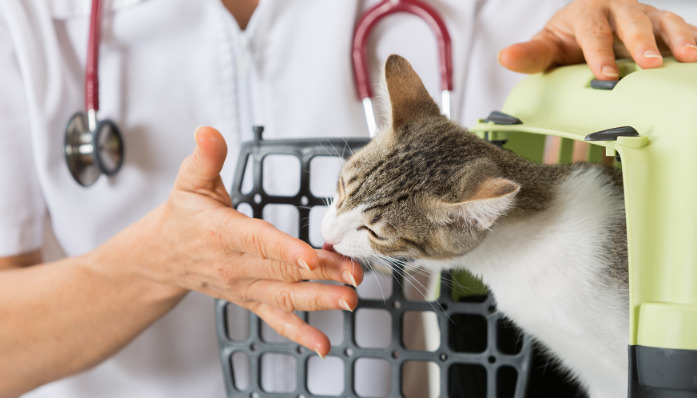
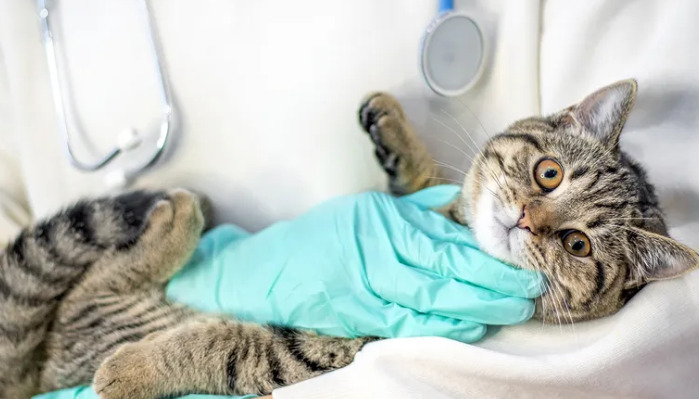
Veterinarians balance clinical expertise and scientific evidence. No two FIP cases are identical, and experience informs suspicion. Skilled practitioners know when to pursue additional testing and when to consider alternative causes. Their ability to communicate uncertainty and recommend appropriate steps is vital.
Some symptoms—persistent fever, nonresponsive to antibiotics, and characteristic effusions—raise red flags. Nevertheless, most veterinary guidelines stress that suspicion must be corroborated with additional findings. Veterinarians strive to ensure that every diagnostic possibility is explored before settling on FIP.
Ongoing Research: Improving FIP Diagnosis
Research continues to focus on improving the accuracy and accessibility of FIP diagnostics. Work on specific biomarkers, viral mutation analysis, and point-of-care tests enhances early identification. Emerging techniques may allow for bedside confirmation in the future.
Current studies suggest that combinations of clinical, laboratory, and molecular findings provide the highest diagnostic certainty. Algorithms and scoring systems, integrating symptom severity, effusion analysis, and PCR results, are being studied to aid clinicians.
Prognosis and Treatment Implications
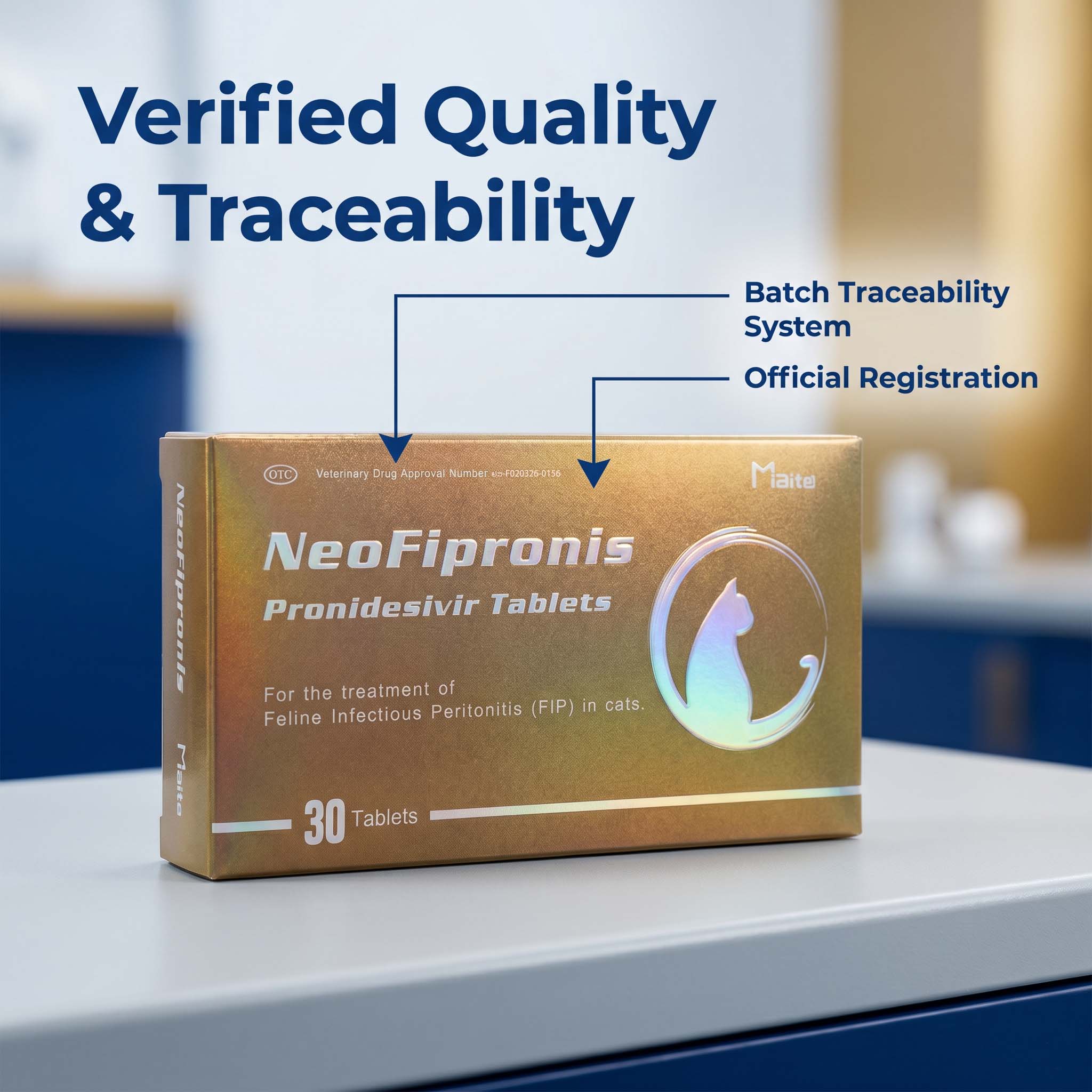
A reliable diagnosis is essential for prognosis and therapy decisions. Historically, FIP was considered invariably fatal. However, with the advent of antiviral treatments—such as GS-441524 and similar broad-spectrum agents—outcomes have improved for some cats. Early, accurate diagnosis allows for appropriate therapy, isolation, and monitoring.
Misdiagnosis leads to wasted resources, inappropriate euthanasia, and delayed correct treatment for other illnesses. It also complicates counseling for owners, who may receive false hope or premature despair.
Legal and Ethical Considerations
Diagnosis based on symptoms alone carries ethical and legal risks. Euthanasia or expensive treatments must be justified by robust evidence. Veterinary licensing boards emphasize the necessity of objective, repeatable diagnostic pathways.
In rescue groups and shelters, standards of care require laboratory confirmation, both to protect animal welfare and limit liability. The advent of molecular diagnostics has shifted legal norms, raising expectations for thoroughness.
Public Awareness and Education
Misinformation can undermine the credibility of veterinary care. Owners and caretakers benefit from educational campaigns that clarify the limits of symptom-based diagnosis. Responsible sources highlight the need for complete workups and foster understanding of FIP complexity.
Digital forums and social media frequently perpetuate myths. Veterinary organizations in the US and globally advocate for evidence-based approaches. Collaboration between owners and professionals improves outcomes and reduces anxiety.
Future Directions in FIP Diagnosis
As technology evolves, the hope is for simple, fast, and specific tests for FIP in all settings. Point-of-care diagnostics, affordable molecular assays, and improved imaging may reduce reliance on symptom recognition. Vaccine development, although challenging, could transform prevention strategies.
Continued research is vital. The commitment to scientific rigor ensures that future generations of cats and owners face lower risks and greater certainty.
Conclusion: The Limits of Symptom-Based Diagnosis
Diagnosing FIP based on symptoms alone remains unreliable. Clinical signs are variable, overlap with other illnesses, and can mislead even the most experienced practitioners. The integration of laboratory, imaging, and molecular testing is essential for a definitive diagnosis.
Veterinary expertise, access to research, and owner education are fundamental. Only with a comprehensive and multi-modal approach can FIP be accurately identified and managed. The complexity of the disease demands this level of care for the health and welfare of affected cats.
References
1. Pedersen, N.C. (2020). An update on feline infectious peritonitis: Diagnostics and therapeutics. Veterinary Journal, 243, 8-14.
2. Felten, S., & Hartmann, K. (2019). Diagnosis of feline infectious peritonitis: A review. Veterinary Journal, 246, 117-125.
3. Tasker, S. (2018). Feline coronavirus infections: More than just feline infectious peritonitis. Journal of Feline Medicine and Surgery, 20(5), 423-436.
4. Dewerchin, H.L., & Nauwynck, H.J. (2018). FIP diagnosis: Advances in molecular techniques. Veterinary Microbiology, 216, 55-62.
5. Alberigi, N., et al. (2021). Validation of FIP diagnostics in multi-cat environments. Animals, 11(2), 326.
6. Addie, D.D., et al. (2017). Guidelines for FIP diagnosis and management. Journal of Feline Medicine and Surgery, 19(3), 327-339.
7. Kipar, A., & Meli, M.L. (2014). Feline infectious peritonitis: Still an enigma? Veterinary Pathology, 51(2), 505-526.
8. Paltrinieri, S., et al. (2016). Laboratory abnormalities in FIP: A meta-analysis. Veterinary Clinical Pathology, 45(2), 277-288.
9. Chang, H.W., et al. (2020). Advances in molecular epidemiology of FIPV. Viruses, 12(9), 968.
10. American Association of Feline Practitioners (2023). FIP diagnosis and management guidelines. Accessed online: https://catvets.com/FIP-Guidelines